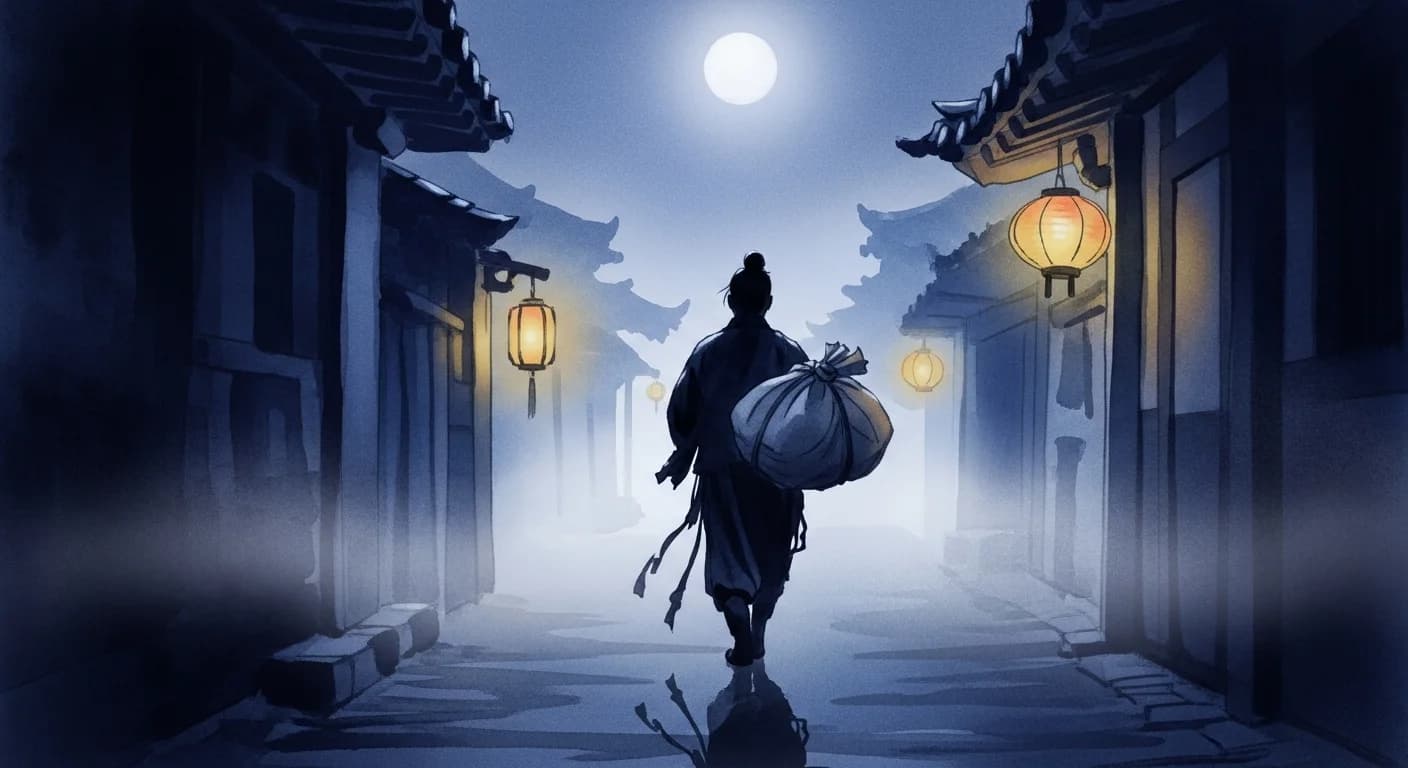
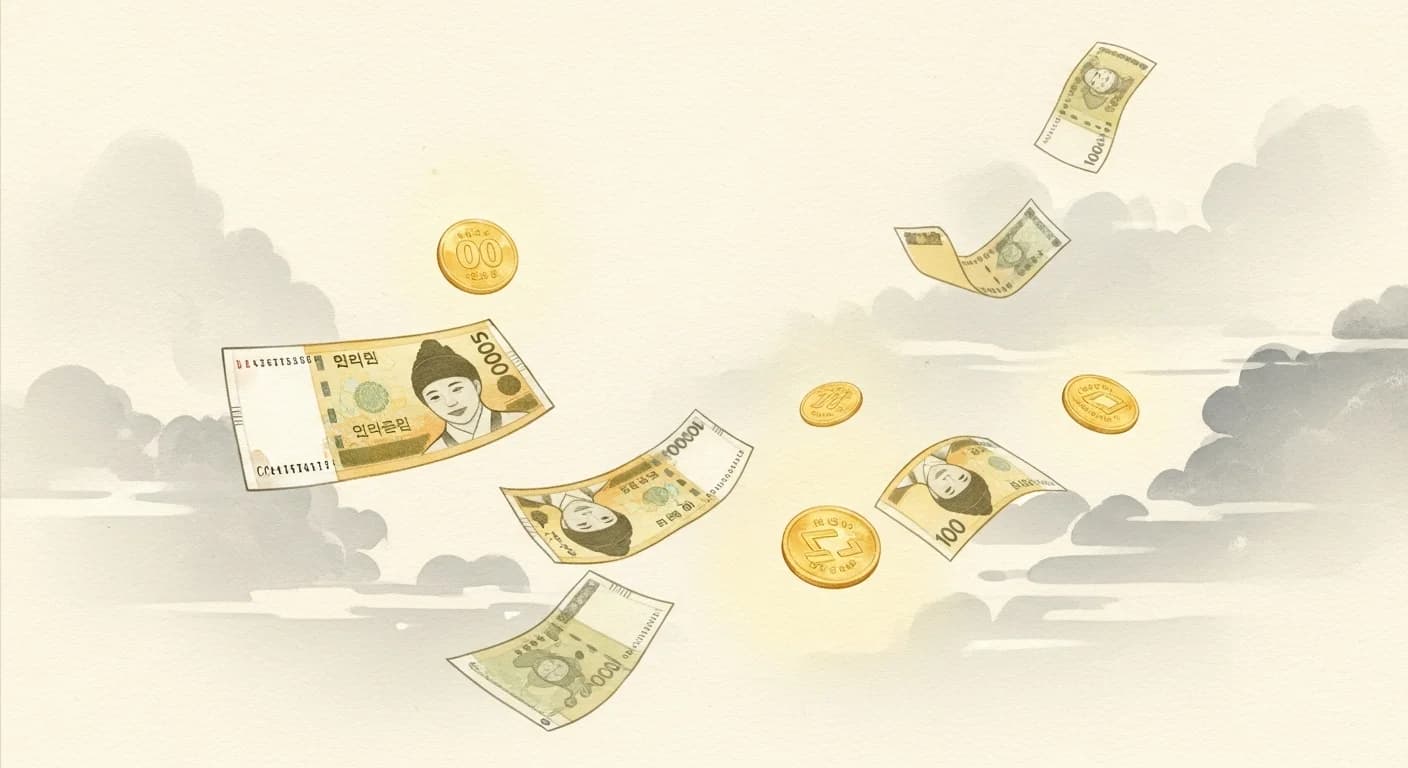
Begging Dream Meaning — The Paradoxical Fortune of a Beggar Dream
In Korean dream tradition, begging dreams rank among the most powerfully auspicious symbols of all — and the secret lies in reversal: the greater the destitution in the dream, the greater the predicted turnaround in waking life. For centuries, Korean folk wisdom held that a beggar at the door might be a disguised deity testing your generosity, and how you responded decided your fate. There is one critical exception, though — chasing that beggar away is a very different story.
Auspicious Meanings — Financial Fortune and Relief from Worry

By the principle of reverse symbolism (역상), dreaming that you yourself are begging often foretells an opening of financial fortune and the swift resolution of long-accumulated worries. If you receive food or money while begging in the dream, expect a hidden opportunity to materialize or recovery from prolonged illness in waking life. Giving food or money to a beggar in a dream carries an even stronger positive charge — it heralds the end of suffering (physical and emotional), improving health, and unexpected financial gains in business or investments. A beggar entering your home is the most auspicious variation of all: fortune itself is walking through your door, and romantic prospects brighten considerably alongside material gains.
Inauspicious Meanings — Don't Turn Away Your Own Luck
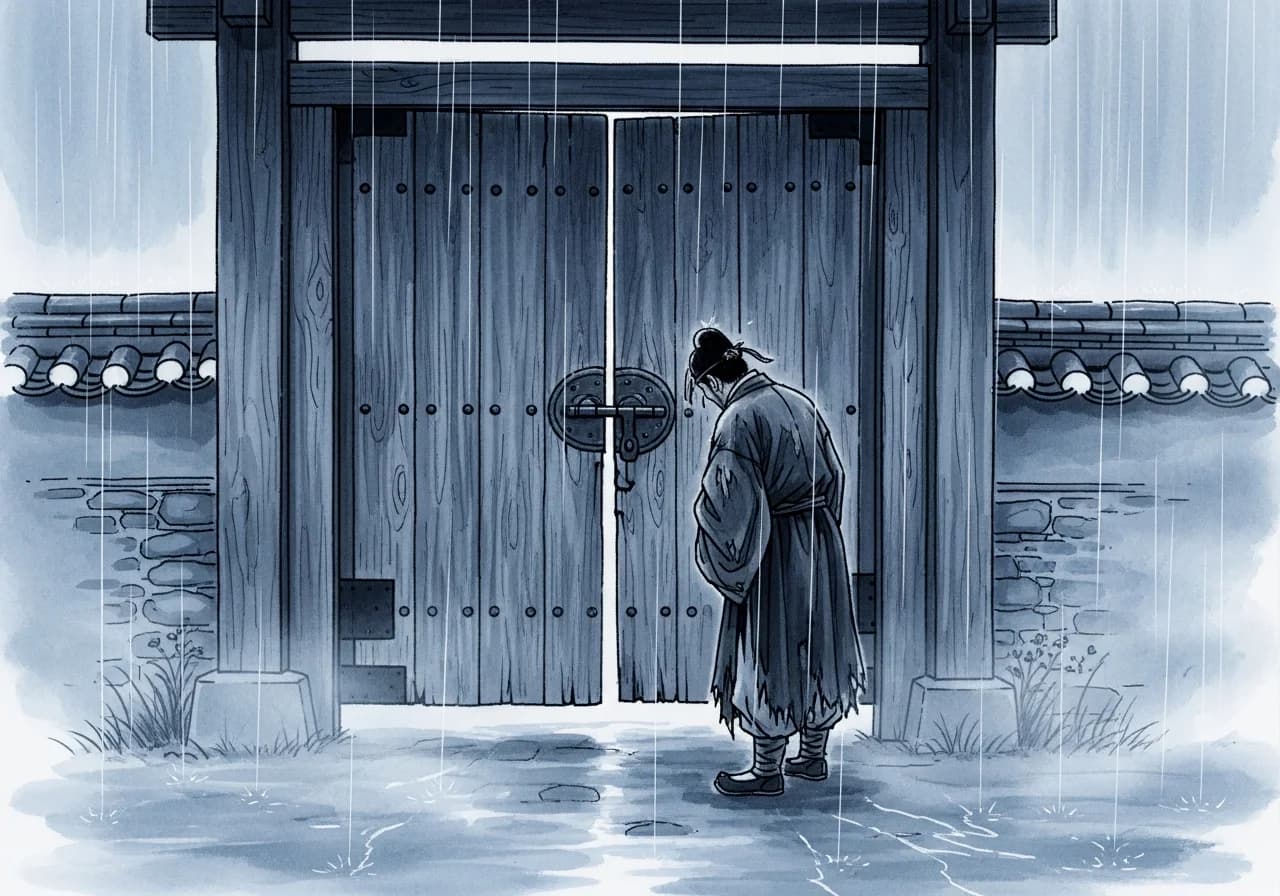
Chasing a beggar away or coldly refusing them in a dream is interpreted as kicking away incoming fortune with your own hands. In the near future, you may miss a promising opportunity or experience a meaningful rupture in a relationship. Psychologically, this action reflects a deep suppression of your own need for help and connection. Dreams where you beg but receive nothing — being turned away empty-handed — can symbolize feelings of social exclusion, diminished self-worth, or unresolved financial pressure in waking life. If you had this dream, consider whether you have been isolating yourself too much or whether fear of vulnerability is keeping you from accepting support that others are genuinely willing to offer.
Psychological Meanings — Listening to Your Inner Voice
Not every begging dream predicts fortune or misfortune — some function as psychological mirrors. A stranger begging from you in a dream may reflect an unspoken emotional hunger for more recognition and warmth from those around you. Alternatively, it can herald the arrival of a kindred spirit going through similar struggles, or signal that someone close to you will soon need your support. Rather than reading this as good or bad luck, treat it as the unconscious mind's quiet invitation to reflect on your own emotional needs and the give-and-take of your most important relationships.
Dream Variations
Dream of Begging Yourself
By the principle of reverse symbolism, this dream often predicts a surge in financial fortune or the resolution of persistent worries. The more vivid the hardship in the dream, the greater the real-life reversal is said to be.
Dream of Giving Food to a Beggar
A strongly auspicious sign: worries dissolve and illness gives way to recovery. The act of giving in the dream is believed to invite positive energy and unexpected blessings into waking life.
Dream of Giving Money to a Beggar
Though money leaves your hands in the dream, this is a positive omen by reverse symbolism — unexpected income or a windfall may follow. It can also signal improving fortunes in business or investments.
Dream of a Beggar Entering Your Home
An excellent omen: a beggar entering your home symbolizes good fortune entering your life. Romantic luck improves significantly — you may finally connect with someone you have long admired.
Dream of Chasing Away or Refusing a Beggar
Interpreted as turning away incoming fortune with your own hands. You may miss an opportunity or experience a rupture in an important relationship. This dream carries a gentle warning to stay open and receptive.
Dream of Receiving an Object While Begging
This variation suggests you may find yourself shouldering someone else's burdens or worries. A close person may soon ask for your help or confide a problem — prepare yourself emotionally to support them.
Dream of Walking Alongside a Beggar
This dream foretells collaboration with someone isolated or going through a difficult period. Alternatively, it may signal that you will be assigned a challenging task that requires patience and effort to improve.
Dream of Begging for Food
Symbolizes a longing for basic sustenance — physical, emotional, or spiritual. This dream often signals that you are emotionally depleted in waking life and need nourishment: rest, connection, or meaningful purpose.
Dream of Begging for Money
May reflect financial anxiety or real economic pressure seeping into your dreamscape. Through the lens of reverse symbolism, it can also foreshadow unexpected good financial news or a sudden relief from money-related stress.
Dream of a Stranger Begging from You
Foretells the arrival of someone who will need your help. On a psychological level, it can also reflect your own unspoken desire for more attention and warmth from those around you.
Dream of a Family Member or Acquaintance Begging
Suggests that the person you dreamed of may be struggling or in need of support in real life. The unconscious mind may be picking up on subtle cues about their situation — consider checking in on them.
Cultural Context
In Korean folk culture, the beggar (걸인) carried rich symbolic meaning beyond mere poverty. Influenced by Buddhist traditions of monastic alms-giving (탁발), a widespread belief held that mistreating a beggar at one's door would cause a loss of virtue and fortune. Folk tales repeatedly feature divine spirits or bodhisattvas disguised as ragged beggars who bestow blessings on those who treat them with warmth — a motif connected to the belief in 'gate blessing deities' (문전복신). The principle of reverse symbolism (역상) is especially pronounced in Korean beggar dream lore: a dream showing poverty and destitution is understood to predict real-world abundance and relief. This tradition combines the reverse-symbolism framework with a distinctly Korean moral value — that generosity and open-heartedness attract fortune. During the Joseon period, extreme poverty in storytelling also served as a subversive symbol against the false pretensions of the ruling class, with tales of beggars who ultimately prosper because of their virtue rather than their wealth.
Western Psychological Perspectives
Western psychology reads begging dreams through an entirely different lens from Korean folk tradition — and the contrast itself is illuminating.
Freudian Perspective: From a Freudian standpoint, begging in dreams represents the resurfacing of unresolved oral-stage dependency needs during sleep. The urge to seek and receive from another person reflects an unconscious longing for the nurturing and unconditional love that may have been insufficiently met in early childhood, potentially manifesting in adult life as an excessive need for approval and emotional support from others.
Jungian Analysis: In Jungian psychology, the beggar figure frequently represents a manifestation of the Shadow archetype — those aspects of the self that the ego has repressed in its effort to maintain a persona of self-sufficiency and strength. Vulnerability, dependency, and the courage to ask for help emerge as the beggar figure, and the dream serves as the unconscious mind's invitation to consciously confront and integrate these disowned parts of the psyche.
Modern Psychology: Contemporary psychology interprets begging dreams as expressions of unmet psychological needs — for belonging, recognition, or emotional intimacy that waking life has not adequately provided. Therapists also note a constructive dimension: the dream can serve as a catalyst for growth by confronting the dreamer's shame or fear around asking for help, encouraging greater self-disclosure, humility, and openness to receiving support from others.
Cross-Cultural Perspectives: Across cultures, begging dreams touch on universal themes of vulnerability and interdependence. In Buddhist traditions, alms-giving is a sacred practice of humility and non-attachment — a recognition of communal interdependence — and begging in dreams can similarly be read as a spiritual movement toward releasing the ego and embracing connection. In parts of Africa and the Middle East, dreaming of giving to the poor is likewise considered auspicious, resonating with the Korean reverse-symbolism interpretation that apparent lack in a dream foretells real-world abundance.
Frequently Asked Questions
Begging dreams are among the most misunderstood in the dream lexicon — and one of the most rewarding to understand. Korean folk wisdom, rooted in centuries of Buddhist generosity ethics and reverse-symbolism tradition, tells us that apparent destitution in a dream is often the universe setting the stage for real abundance. Welcome the beggar, give freely, let fortune walk through your door. The one exception: turn that beggar away in your dream and you may find yourself doing the same to your own luck. If this dream visits you, consider it an invitation — both to open yourself to incoming good fortune, and to ask what you may be holding back from giving or receiving in waking life.