Dream of Being Robbed — The Korean Reverse-Dream Tradition Explained
If you dreamed of being robbed last night, Korean dream tradition has a surprising message for you: you might be the lucky one. In Korean 꿈해몽 (dream interpretation), being robbed is the most iconic example of 역몽 (yeokmong) — the reverse-meaning dream — where the thief is believed to carry away your worries and misfortune along with the stolen item. But here's the catch — the fortune or warning of this dream hinges entirely on what was taken, and the difference between a windfall and a warning can be as specific as shoes versus a wallet.
Why Being Robbed in a Dream Is Often a Good Sign
The logic behind treating a robbery dream as auspicious lies in the Korean folk principle of 역몽 — the idea that dream content predicts the opposite in waking life. When something is taken from you in a dream, you are believed to gain something in reality. More specifically, the thief doesn't just take the object: he takes away the dreamer's anxieties, burdens, and bad luck along with it.
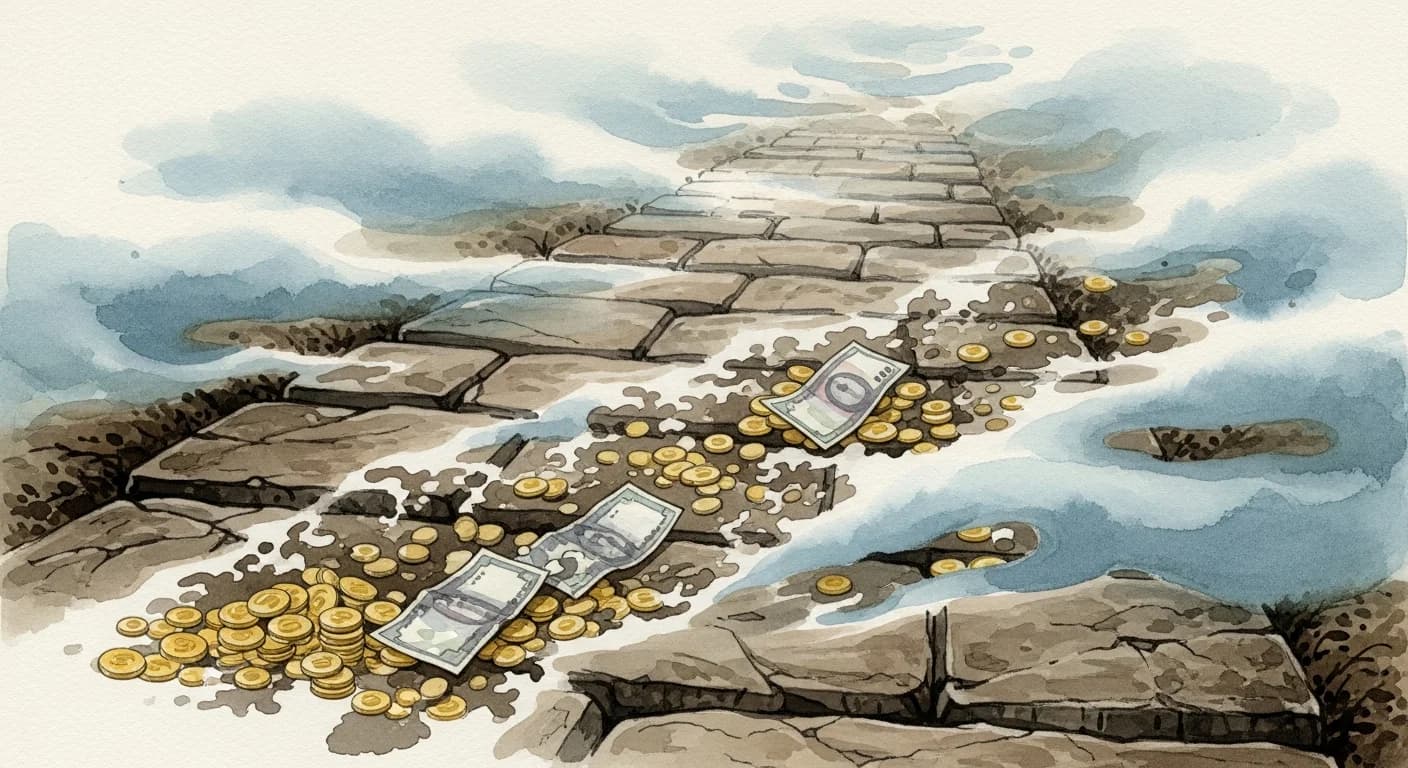
Dreams in which a thief steals money or a wallet are considered among the strongest signs of rising financial luck. Unexpected income, a salary raise, or a windfall are predicted. Dreams involving stolen jewelry or valuables similarly forecast great fortune, career promotions, or a life-changing positive event.
A thief breaking into the home and fleeing with belongings is also auspicious — it signals that long-standing problems will finally be resolved and blocked fortunes will begin to flow. In traditional Korean folk practice, people who had this dream were encouraged to buy lottery tickets or take bold new steps in business.
When a Robbery Dream Becomes a Warning
Not every robbery dream is a lucky one. The specific item stolen transforms the meaning entirely.
Having shoes stolen is a warning dream. In Korean symbolism, shoes represent your footing in life — your current standing, position, and closest relationships. Losing them to a thief warns of betrayal by a spouse or romantic partner, or of instability in your current situation.
Clothing theft signals deepening conflict between romantic partners or spouses, as well as potential damage to reputation and social standing. A stolen bag warns of job loss or a business crisis — bags represent the responsibilities and assets you carry, making their theft a prompt to safeguard against sudden professional or financial setbacks.
Losing a fight with a thief in a dream also falls into inauspicious territory, predicting competitive defeat or financial loss in the near term.
Catching the Thief — The Most Auspicious Scenario

If you managed to catch the thief in your dream, Korean interpretation considers this one of the best dreams you can have. It forecasts success in landing a desired job, reaching a major business goal, a dramatic rise in financial luck, or even winning the lottery. It also symbolizes recovering something previously lost — property, status, or an opportunity.
A dream where the thief escapes with the stolen goods is also generally positive, interpreted as the thief carrying away your worries as he flees. However, if you chased the thief and failed to catch them, it may signal that your current goals will face unexpected obstacles.
Financial Fortune and Robbery Dreams
Robbery dreams are among the most financially significant in Korean dream interpretation. The amount of money stolen is often read as proportional to the financial luck predicted — the larger the theft, the bigger the coming windfall.
Wallet theft specifically predicts salary increases, unexpected side income, or a long-awaited financial opportunity. A stolen car, despite representing a larger asset, is considered an auspicious sign of major career advancement and rising social status — the dreamer is said to be on the verge of making an important decision that leads to excellent outcomes.
By contrast, a stolen bag or important documents warn of professional or business crises, calling for caution in ongoing work matters.
Relationships and Robbery Dreams
When the stolen item is tied to personal identity and social standing rather than raw wealth, the dream shifts from financial omen to relationship warning.
Shoe theft is the clearest example: it warns of betrayal by a romantic partner or spouse. The dream calls for a close examination of trust in intimate relationships. Clothing theft warns of escalating conflict between partners and potential reputation damage — the public face we wear, symbolized by clothing, is under threat.
Being pickpocketed can go either way: it often signals relief from pent-up desires and stress, but being pickpocketed in a crowd may also warn of careless social losses — situations where being inattentive to those around you leads to unintended harm.
Dream Variations
Dream of Having Money Stolen
Money theft is the quintessential lucky robbery dream. As a reverse-meaning (역몽) dream, the more money lost in the dream, the greater the predicted financial gain in waking life. This is especially favorable for ventures and investments currently in progress.
Dream of Wallet Being Stolen
Wallet theft is one of the most well-known lucky dreams in Korean tradition. Expect a salary increase, an unexpected income source, or a financial windfall in the near future. The wallet symbolizes your financial identity — losing it in a dream means gaining it back and more in reality.
Dream of a Thief Breaking Into Your House
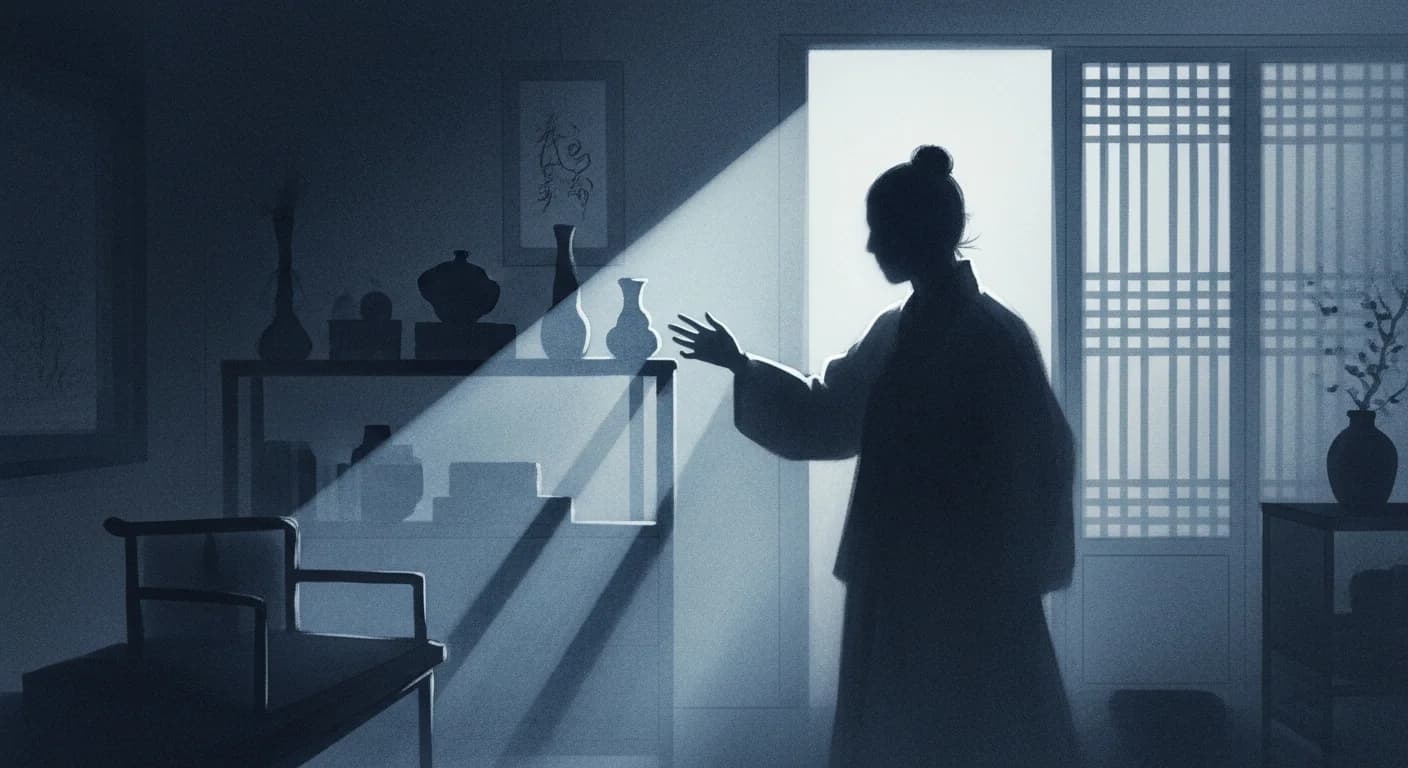
A burglar entering your home and fleeing with items is an auspicious sign that existing worries and long-unresolved problems will soon clear up. Fortune is said to open up in the wake of this dream — it is a prompt to take on new challenges with confidence.
Dream of Catching a Thief
Catching the thief is the best-case robbery dream. It predicts job offer success, business goal achievement, a major leap in financial luck, and potential lottery winnings. It also signals the recovery of something previously lost — property, rights, or a missed opportunity.
Dream of a Thief Escaping
A thief fleeing with stolen goods is interpreted as carrying away the dreamer's worries. This is a positive omen suggesting ongoing matters will resolve smoothly. However, if you tried and failed to catch the thief, it warns that current goals may be harder to reach than expected.
Dream of Losing a Precious Possession to a Thief
The meaning depends entirely on the item. Jewelry or valuables stolen by a thief predict unexpected great fortune. Shoes or clothing, on the other hand, warn of relationship damage or loss of social standing — the opposite of the usual reverse-meaning interpretation.
Dream of Being Pickpocketed
Being pickpocketed often signals that desires will be fulfilled and stress will dissipate. If the pickpocketing occurs in a crowd, however, it can also warn of unintended social or financial losses through carelessness in relationships or public settings.
Dream of Encountering an Armed Robber
Despite the threatening imagery, encountering an armed robber in a dream often predicts meeting a powerful ally or benefactor. Help will appear at a critical moment, enabling you to overcome a difficult situation that has been weighing on you.
Dream of Shoes Being Stolen
Shoe theft is a warning dream. It foretells betrayal by a spouse or romantic partner. Since shoes represent your footing and current standing in life, this dream is a prompt to examine trust and stability in your closest relationships.
Dream of Car Being Stolen
A stolen car is paradoxically auspicious — it forecasts major career success and a rise in social standing. The dreamer is predicted to make a correct and important decision that leads to significant personal or professional achievement.
Cultural Context
In Korean dream interpretation (꿈해몽), being robbed is one of the most iconic examples of 역몽 (yeokmong) — the principle that a dream's imagery is reversed in real-world outcome. This tradition traces back to classical records including the Samguk Yusa (삼국유사, Memorabilia of the Three Kingdoms), where dreams of loss and hardship were frequently reinterpreted as omens of good fortune. The underlying philosophy is one of psychological compensation: what reality withholds, the unconscious offers in inverted symbolic form.
The thief in these dreams is not merely a criminal figure — he is a symbolic carrier who takes away the dreamer's anxieties and misfortunes along with the stolen item. This is why traditional Korean folk practice encouraged activities like lottery ticket purchases after experiencing a robbery dream. However, dreams involving shoes or clothing — items tied to personal identity, social standing, and intimate relationships — were carefully distinguished as inauspicious, warning of betrayal or reputational harm. The art of Korean dream interpretation lies in this nuanced reading of what was taken, the emotions experienced, and how the dream scenario unfolded.
Western Psychological Perspectives
Western psychology offers a fascinating parallel to Korean dream tradition when it comes to robbery dreams, though the interpretive frameworks diverge in telling ways. From a Freudian perspective, being robbed in a dream connects to repressed feelings of deprivation and possessive desire in the unconscious. The experience of having something precious taken away may symbolize early separation anxiety or fear of ego-boundary violation — the thief violates the psychic space we believe to be safely ours. Freud would also note that the thief figure can represent a shadow aspect of the self: the part that acts on forbidden impulses the waking ego suppresses.
In Jungian analytical psychology, the thief is a classic manifestation of the Shadow archetype — the disowned or unacknowledged aspect of the psyche. The stolen object may symbolize something the dreamer consciously clings to but needs to release for growth. Robbery dreams can reflect the tension between Ego and Self, or signal the individuation process calling the dreamer to shed outdated identities or attachments. In this reading, loss in a dream is not failure but an invitation to evolve.
Modern psychology views robbery dreams more pragmatically — as expressions of everyday anxiety and stress. Economic uncertainty, professional insecurity, or eroded trust in relationships can all surface as theft imagery during sleep. Frequently experiencing such dreams during periods of major change or important decisions is understood as the mind processing fear of loss of control and apprehension about the unknown.
What makes the Korean and broader East Asian interpretive tradition stand out is its systematic application of reversal logic: negative imagery is decoded as a positive omen. This reflects the influence of yin-yang (음양) philosophy, in which opposites are understood as mutually transforming. Where Western psychology sees a robbery dream as a stress signal or an archetype to be analyzed, Korean dreamers hold a culturally specific lens of resilience and optimism — a robbed dreamer is, paradoxically, the luckiest person in the room.
Frequently Asked Questions
Dreaming of being robbed sits at the heart of Korea's fascinating 역몽 tradition — where loss in a dream becomes gain in waking life. If a thief stole your wallet, money, or valuables, consider it an auspicious nudge from your unconscious: financial luck may be closer than you think. If the stolen item was shoes or clothing, it's a gentle prompt to check in on the relationships and foundations that matter most to you. And if you caught the thief? That's as good as it gets in Korean dream lore. Use this dream as a source of insight and optimism — whatever your unconscious delivered last night, the meaning is yours to act on.