Bird Dream Meaning in Korean Tradition (새꿈 해몽)
If a bird soared through your dream last night, Korean dream tradition says that flight matters more than you might think. A bird rising high into a clear blue sky is one of the most powerful auspicious omens in 꿈해몽 — signaling liberation, long-awaited opportunity, and a genuine leap forward in your waking life. Birds hold a uniquely sacred place in Korean folk belief: for centuries they were regarded as divine messengers bridging the human world and the spirit realm, a belief still visible in the bird carvings atop sotdae poles at village entrances. Here's the thing though — a bird dream's meaning can flip entirely depending on the bird's color, behavior, and condition. The white bird and the black bird, the soaring bird and the falling one, carry fundamentally different messages, and knowing which you dreamed makes all the difference.
Auspicious Bird Dreams — Good Omens to Celebrate

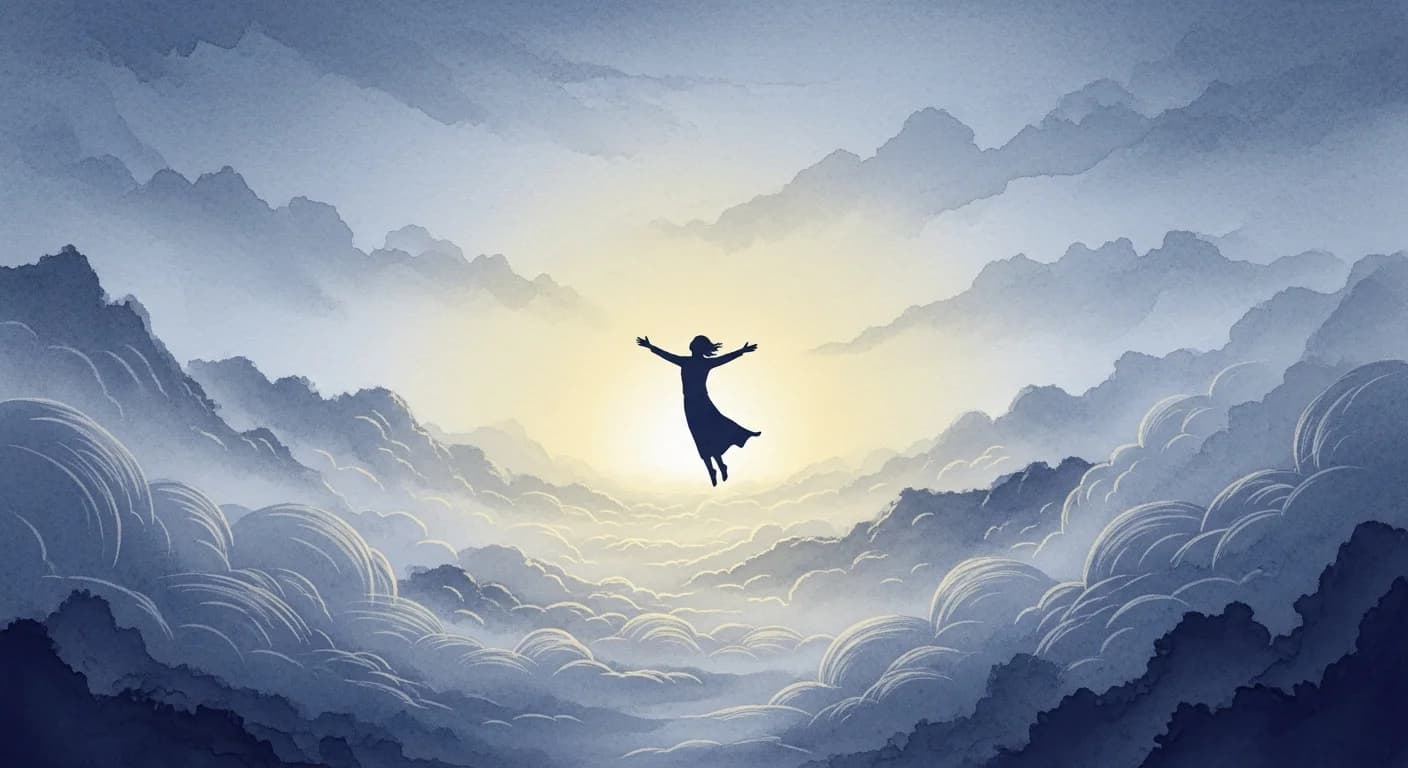
The most celebrated bird dream in Korean tradition is a bird soaring freely against a bright, open sky. This is a quintessential 길몽 (auspicious dream), interpreted as a sign that you will break free from oppressive circumstances and seize an opportunity you have long been waiting for. Whether that means a promotion, a business breakthrough, or simply a much-needed fresh start, the clear sky behind the bird amplifies the positive signal.
A bird flying into your home is perhaps the single strongest wealth omen in Korean bird dream interpretation. It symbolizes fortune and material blessings literally entering the household — expect good news, an important visitor, or an unexpected financial opportunity. The brighter and healthier the bird appears, the stronger the good fortune.
Catching a bird in your hands is another excellent sign: you will successfully grasp an opportunity you've been reaching toward, whether financial gain, a professional achievement, or a personal goal. A bird perching voluntarily on your shoulder or hand suggests that a helpful, distinguished person is about to enter your life at just the right moment.
Inauspicious Bird Dreams — Warnings to Heed
Not every bird dream carries good news. A dead or wounded bird falling from the sky is a warning sign in Korean 해몽 — it signals that a plan may face unexpected obstacles, or that disappointing news is on its way. If you are in the middle of an important project or decision, this dream advises extra caution.
A black bird crying and circling your home is traditionally one of the most ominous bird omens. It warns of unexpected misfortune, legal disputes, or damaging gossip — particularly in professional settings. Watching your words and avoiding impulsive decisions after this dream is sound advice.
A bird falling suddenly mid-flight warns against overreaching. If you are pushing a situation too hard or moving too fast, this dream is your psyche's signal to recalibrate. A bird trapped in a cage is a deeply introspective dream — it reflects a feeling of restriction, whether in a relationship, a job, or a life situation that no longer allows you to flourish.
Wealth and Fortune — Bird Dreams and Financial Luck
Bird dreams are strongly associated with financial fortune in Korean dream tradition. A bird entering the house is interpreted as wealth flowing into the home — a harbinger of unexpected income, the fruit of investments, or a business opportunity that pays off. Catching a bird has a similar meaning: you will grasp a financial opportunity that has been hovering just out of reach.
One of the more surprising interpretations: a bird defecating on you in a dream is actually auspicious. In Korean folk belief, excrement is symbolically linked to wealth, so being hit by bird droppings in a dream points to an unexpected windfall or a stroke of monetary luck.
On the cautionary side, a dead bird or releasing a caught bird warns of financial loss or missed opportunity. A nest full of bird eggs, however, is a beautiful abundance symbol — your patient, consistent efforts are quietly accumulating into something significant.
Relationships and Health — The Softer Side of Bird Dreams
A bird singing beautifully is a dream of harmony and healing. In Korean interpretation, it foretells joyful news, restored vitality, and an improvement in relationships around you. If you have been carrying worry or tension in a close relationship, this dream signals that resolution is near.
A bird landing gently on your shoulder or hand is a powerful omen for relationships — it predicts the arrival of a helpful person who will play a meaningful role in your life, or the deepening of an existing bond. For those asking about romance, dreams of small birds are especially encouraging, pointing to a promising new encounter or a positive development in a current relationship.
A flock of birds requires careful attention to how it behaves. An orderly flock rising in unison signals social harmony and collective opportunity. A chaotic, noisy flock, however, is a warning about gossip, social friction, or unnecessary drama entering your circle.
Dream Variations
White Bird Dream Meaning
A white bird appearing in a dream is a classic auspicious omen symbolizing purity, peace, and good news. It is closely associated with favorable romantic encounters — for women, it may foretell meeting an ideal partner; for men, finding someone they have been searching for. White doves, swans, and cranes amplify this reading further.
Black Bird Dream Meaning
A crying or agitated black bird circling or entering your home is traditionally inauspicious in Korean 해몽, warning of bad news, unexpected calamity, or becoming entangled in disputes and gossip. Be especially careful with words and contracts after this dream. Notably, a peaceful, calm black bird flying freely carries a different meaning entirely — it can signal deep insight, spiritual growth, or a significant turning point.
Bird Flying Into the House Dream Meaning
A bird flying into your home is one of the most powerfully auspicious dreams in Korean tradition. It symbolizes fortune and wealth literally entering the household, along with joyful news or the arrival of an important new connection. The healthier and brighter the bird, the stronger the positive omen.
Catching a Bird Dream Meaning
Successfully catching a bird in your hands is an auspicious sign that you will seize a long-desired opportunity in real life. Financial gain, professional advancement, or a business breakthrough are likely to follow. The more beautiful and healthy the bird you catch, the greater the achievement. If you catch the bird and then lose it, the dream reverses — be alert to opportunities slipping away.
Dead Bird Dream Meaning
A dead bird is traditionally an inauspicious omen in Korean dream interpretation, pointing to frustrated plans, incoming disappointment, or the forced end of a chapter in life. From a more modern psychological angle, it can also be read as a release — the ending of something that no longer serves you, clearing the way for renewal. The emotional feeling of the dream guides the interpretation.
Bird Flying Dream Meaning
A bird flying freely is one of the most uplifting dream images in Korean 해몽 — it symbolizes liberation, the improvement of your circumstances, and breaking free from whatever has been holding you back. The higher the bird flies, the greater the breakthrough coming. A bright, clear sky amplifies the positive reading.
Bird Singing Dream Meaning
A bird singing melodically in a dream is a beautiful auspicious omen signaling joyful news, inner peace, and positive changes arriving in daily life. Relationships will improve, tension will ease, and a sense of vitality will return. This is one of the gentler, most comforting bird dreams you can have.
Bird Pregnancy Dream (태몽) Meaning
In Korean tradition, a bird appearing in a pregnancy dream (태몽) suggests the child will grow up to be free-spirited, talented, and widely admired. A phoenix or crane foretells a scholarly, wise child; a swallow or sparrow predicts a talented, lively, and attractive child. The more majestic and large the bird, the greater the child's future is believed to be.
Bird Egg Dream Meaning
Bird eggs in a dream are a symbol of accumulating wealth and prospering effort. Your ongoing work is quietly building toward something significant, and the larger and more numerous the eggs, the greater the eventual reward. A nest full of eggs is an especially reassuring prosperity omen.
Large Bird Dream Meaning
A very large bird appearing in a dream signals that a significant life event or change is approaching. It is sometimes interpreted as a pregnancy omen (태몽), and can also indicate that a major opportunity or challenge of unusual scale lies just ahead. A large bird that appears healthy and commanding is overwhelmingly positive.
Baby Bird Dream Meaning
Baby birds in a dream represent innocence, new beginnings, and the promise of fresh life. For those hoping to conceive, it may carry the quality of a 태몽 (pregnancy dream), suggesting a healthy birth. More broadly, baby birds signal the early, tender stages of a new idea, project, or phase of life.
Bird Attacking Dream Meaning
A bird attacking or pecking at you in a dream is an inauspicious warning of interference and conflict. Someone may attempt to meddle in your important decisions, or unexpected confrontations are brewing in your professional or personal life. Reviewing your relationships after this dream is wise.
Bird Defecating Dream Meaning
Surprisingly auspicious: if a bird defecates on you in a dream, Korean folk interpretation considers this a sign of unexpected financial good fortune. Since excrement is symbolically tied to wealth in Korean tradition, this dream points toward a windfall or an unexpected monetary benefit coming your way.
Cultural Context
In Korean traditional culture, birds were revered as sacred intermediaries bridging the earthly realm and the divine. This belief is best embodied in the sotdae (솟대) — tall wooden poles erected at village entrances and sacred sites — which featured a carved bird at the top representing a divine messenger carrying communications between the heavens and the people below. Migratory waterfowl like ducks and geese were especially sacred, believed to travel freely between the living world, the afterlife, and the heavens, making them potent omens when they appeared in dreams. In Korean shamanism (무속), birds were seen as prophetic messengers of the spirits: magpies (까치) were considered auspicious harbingers of good news, while crows (까마귀) were feared as omens of death or misfortune. The phoenix (봉황) and crane (학) were prized symbols of virtue, refinement, and scholarly distinction in both royal and Confucian culture. When these noble birds appeared in a pregnancy dream, they foretold the birth of a great and distinguished person. Thus, bird dreams in Korean tradition are not simply encounters with an animal — they are interpreted as direct messages from the spirit world and meaningful portents of life's coming changes.
Western Psychological Perspectives
Western psychology arrives at bird dream interpretation from an entirely different direction — yet lands in remarkably similar territory.
Freud connected bird-in-flight dreams to the liberation of repressed desires, particularly a deep longing for freedom and release from constraint. He suggested that flying dreams more broadly could represent the sublimation of libidinal energy, and that dreams of catching or caging a bird might reflect an unconscious drive to control others — or oneself. In Freudian terms, a bird flying free can be an act of wish fulfillment: the dreaming mind staging the escape from real-life pressures that waking life has not yet permitted.
Jung took the interpretation further inward. He viewed birds as one of the most potent archetypes within the collective unconscious — creatures that move between sky and earth, between conscious awareness and the depths below. For Jung, birds symbolize the psyche's transcendent function: its remarkable capacity to integrate opposites and ascend to a higher level of self-understanding. A bird rising upward represents spiritual aspiration and the growth of the self; a bird descending signals that unconscious material is being drawn into conscious life — part of the individuation process Jung considered central to psychological wholeness. Dreaming of birds, for Jung, is often a signal that transformation is underway.
Modern psychology and neuroscience offer a more grounded lens. Bird dreams are understood as the brain's visual expression — during REM sleep — of desires for freedom, change, or escape from constraint. Birds are neurologically efficient dream symbols: their high-contrast silhouettes, dynamic movement patterns, and associated sounds make them easily activated by the dreaming brain. Research suggests that bird dreams become more frequent during recovery from burnout and at major life transitions, reflecting the brain's work of reprocessing emotional experience and mapping new directions.
Where Korean tradition sees a divine messenger and Western psychology sees an archetype of freedom and transformation, both frameworks agree on the essential point: a bird in your dream is never just a bird. It carries the weight of change.
Frequently Asked Questions
Bird dreams occupy a uniquely elevated place in Korean dream interpretation — they are messages, not just images. A bird soaring high signals opportunity and liberation; a bird entering your home promises wealth and good news; a bird singing foretells harmony and joy. But the dream's color, condition, and behavior are everything: the same bird flying or falling, white or black, free or caged, tells entirely different stories. Pay close attention to how the bird behaved and how you felt. Whether you approach this through the lens of Korean shamanic tradition or Jungian psychology, the bird in your dream is worth listening to.