Can't Breathe Dream Meaning — What Suffocation Dreams Tell You
If you woke up gasping from a dream where you couldn't breathe, Korean dream tradition has a nuanced message waiting for you. In Korean 꿈해몽 (dream interpretation), breath represents the vital life force known as 기(氣) — so a dream of suffocation signals that this energy is blocked somewhere in your waking life. Here's the surprising part: not all suffocation dreams are bad omens. The way the dream ends matters enormously, and the difference between a warning and a lucky sign can hinge on a single breath.
Suffocation Dreams as Warning Signs (흉몽)
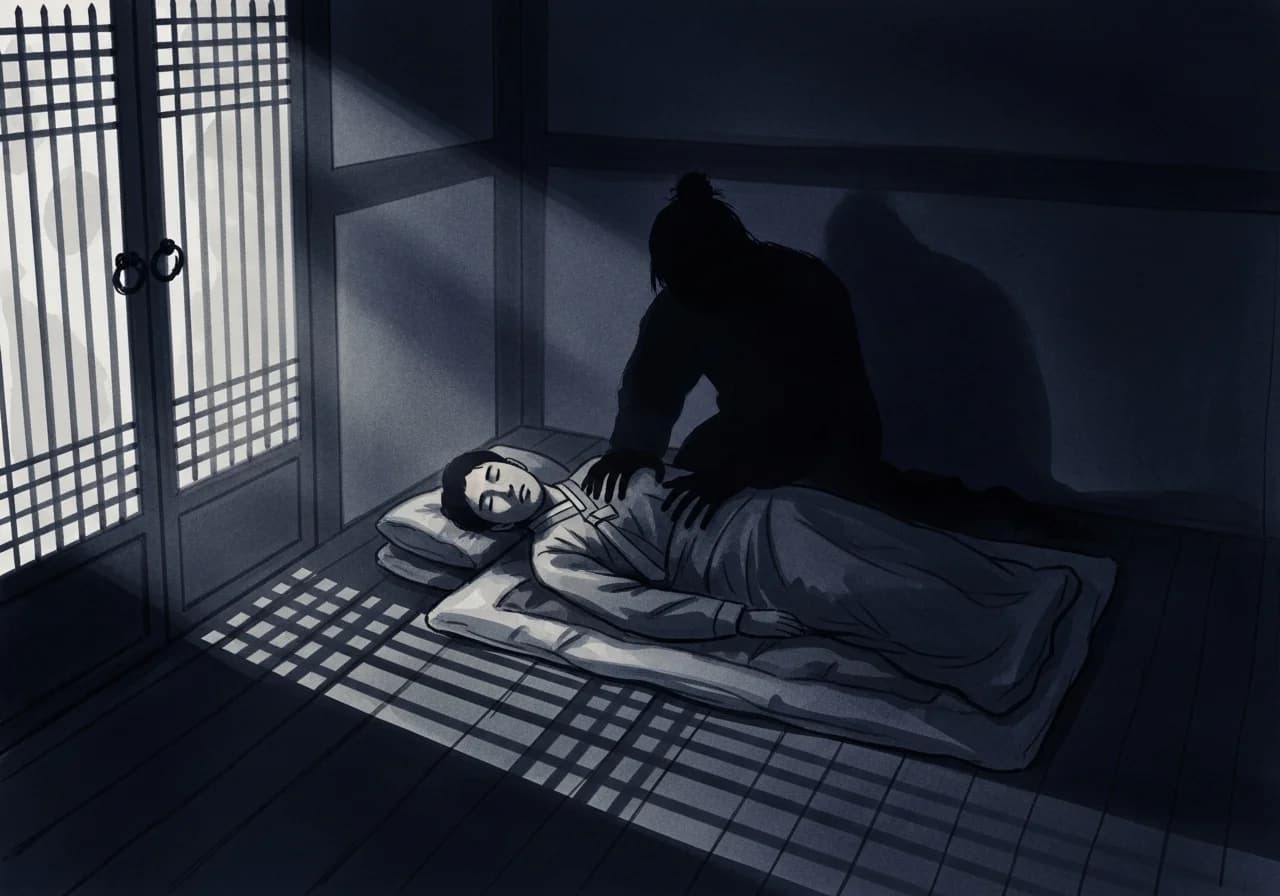
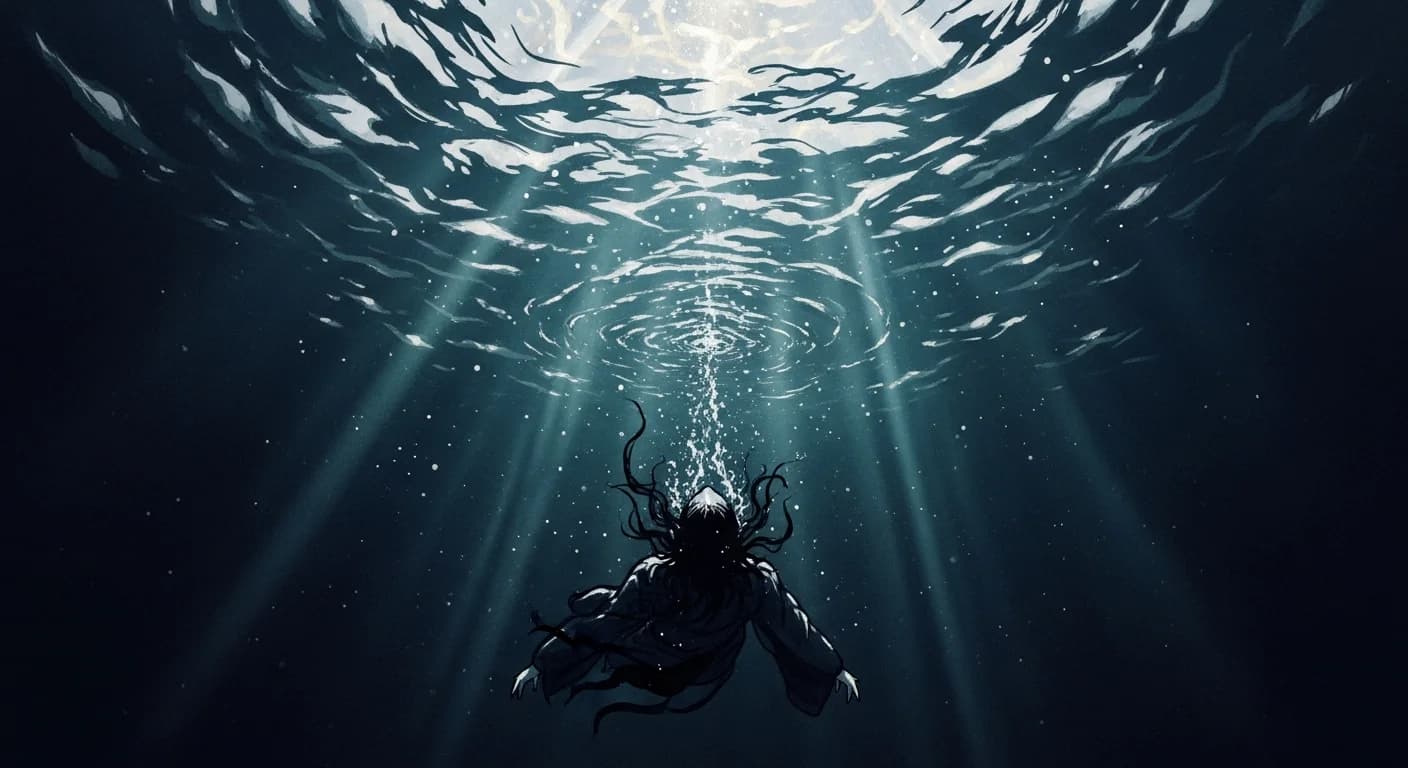
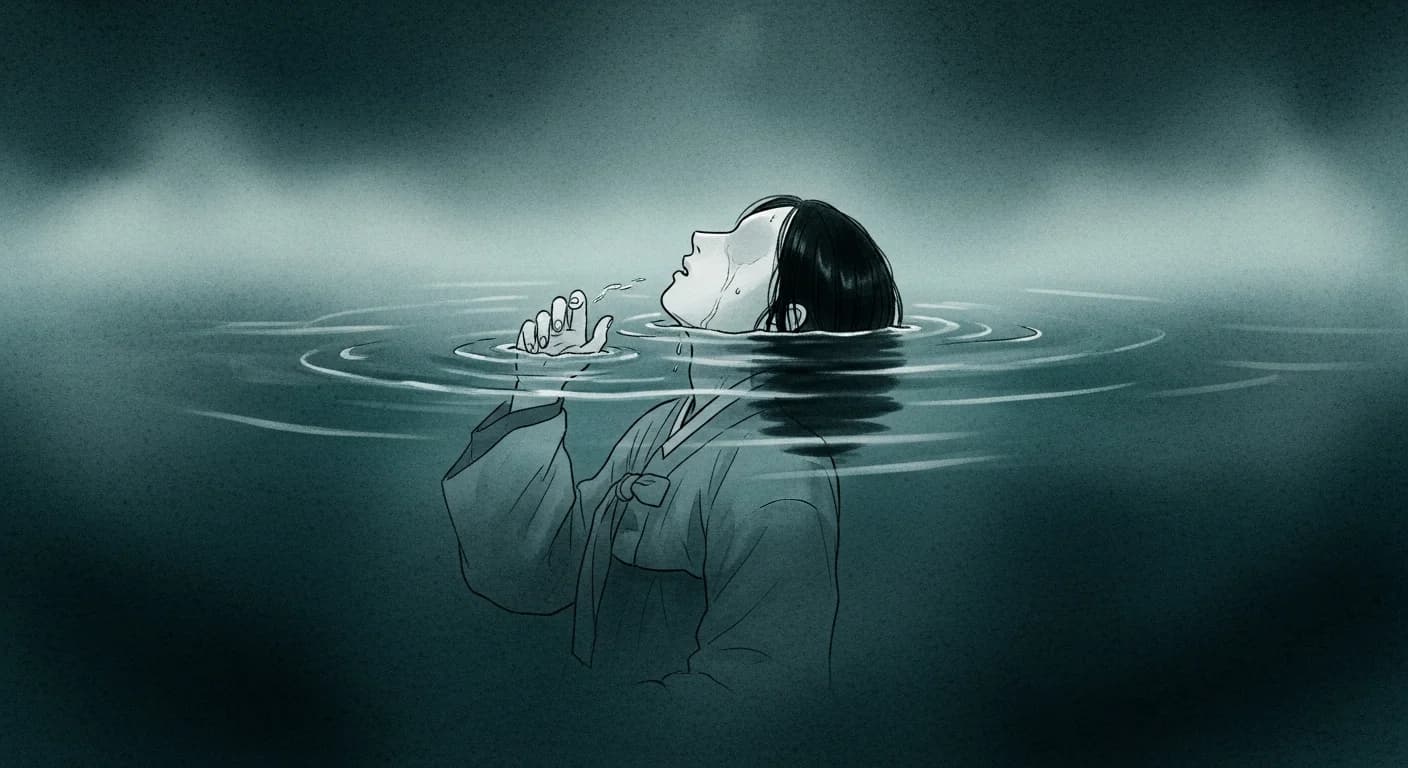
When breathing becomes progressively impossible with no way out, the dream is mirroring extreme pressure in waking life. Overwhelming workloads, unresolved relationship conflicts, or financial strain that has reached a breaking point all commonly manifest this way. Korean folk tradition treated these as urgent distress signals from both body and mind — a call to acknowledge and address whatever is being suppressed rather than pushed down further. A specific variant involves something pressing down on the chest or throat — closely tied to the experience of sleep paralysis (가위눌림). In Korean shamanic tradition (무속), this was interpreted as a malevolent spirit or restless ghost (원귀) clinging to the sleeper's body, requiring protective rituals or talismans to repel. Drowning dreams — where you're submerged and desperately fighting for air — also belong to this category. They typically signal emotional overwhelm: being flooded by feelings too intense to manage, or suppressing your own voice in an important relationship or decision.
When Suffocation Becomes Lucky (길몽) — The Breakthrough Dream
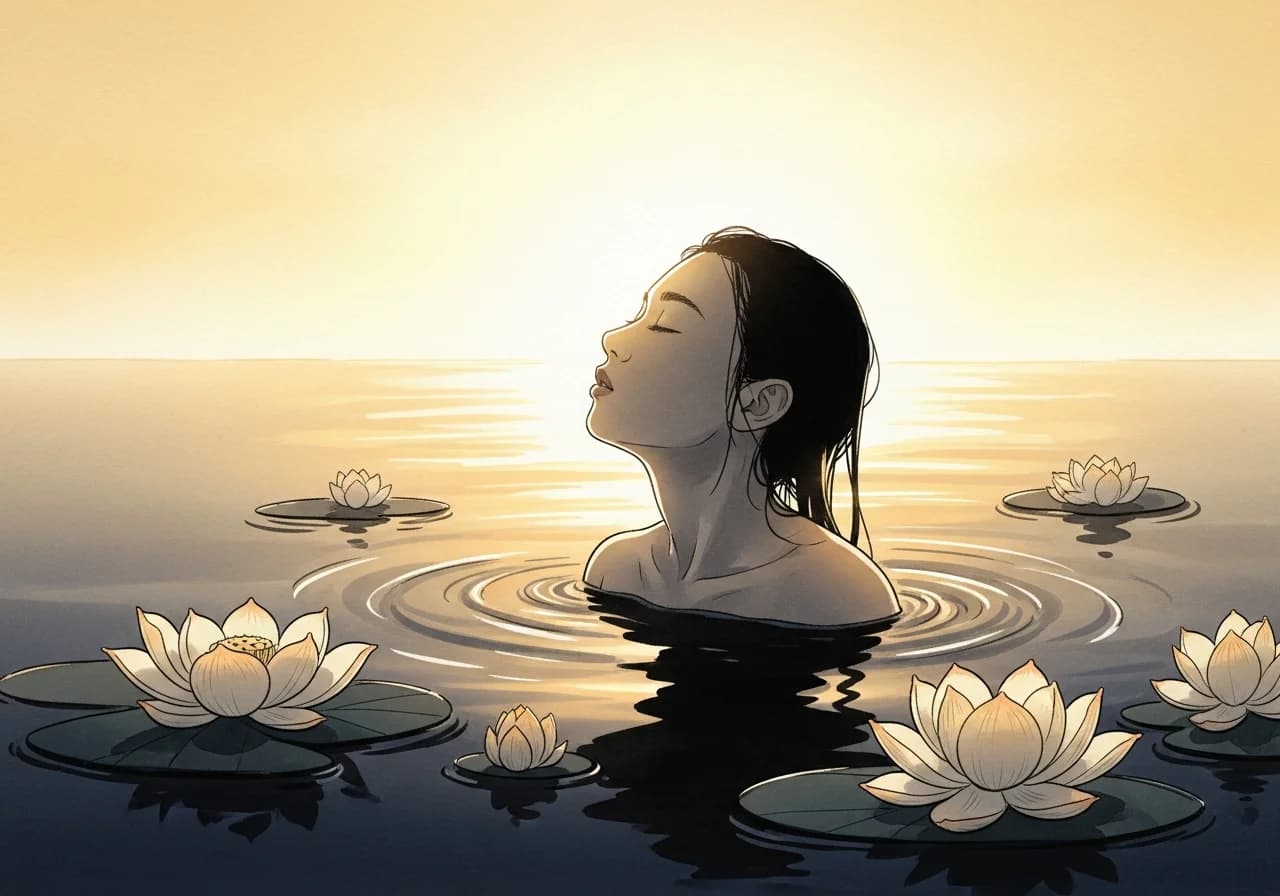
Korean dream interpretation draws a vital distinction: suffocation that ends in relief is auspicious. If you dream of suddenly drawing a deep, free breath after the ordeal, or of breaking out of a dark, confined space into bright open air, this is a 길몽 (lucky dream). It signals that a prolonged period of hardship is ending and a new chapter is opening. Students facing major exams, entrepreneurs navigating setbacks, or anyone in the middle of a difficult trial who has this dream can take it as a sign that a breakthrough is near. The moment of relief — that sudden rush of air — carries the dream's most important message.
Trapped and Suffocating — Your Inner Signal for Change
Being sealed in a narrow room, cave, or underwater space where air runs out reflects a feeling that your current environment or role has become too constraining. This dream often surfaces when someone knows they've outgrown a situation — a job, a relationship, a way of life — but feels held back by real-world limitations. It expresses the transitional anxiety that comes just before a major change. Those who act on this signal and begin seeking new directions often find that circumstances shift more quickly than expected.
Health Signals — When the Body Speaks Through Dreams
Traditional Korean medicine (한의학), as documented in the Dongui Bogam, recorded that dreams of breathlessness can indicate deficiency of energy in the heart and lungs — treating such dreams as health signals rather than mere psychological events. Modern medicine corroborates this: sleep apnea, acid reflux, and anxiety-driven hyperventilation can physically interfere with breathing during sleep, directly triggering these dreams. If suffocation dreams recur regularly, a respiratory health check-up alongside stress management is well worth considering.
Dream Variations
Sleep Paralysis, Can't Breathe Dream
Korean folk belief attributed this to a 'scissor ghost' (가위 귀신) sitting on the sleeper's chest. Scientifically, it is sleep paralysis — a state where the brain begins to wake while the body remains in sleep-mode paralysis. Extreme fatigue, irregular sleep, and high stress are the most common triggers. Restoring regular sleep habits and reducing daytime pressure are the practical takeaways.
Can't Breathe Underwater Dream
Water symbolizes emotions and the unconscious in Korean dream interpretation. Being unable to breathe underwater signals emotional flooding — being overwhelmed by feelings too powerful to process alone. It suggests that suppressed emotions have reached a tipping point and need an outlet. Opening up to a trusted person can provide significant relief.
Can't Breathe Due to Smoke or Fire Dream
This dream warns that an out-of-control situation — or the chaos generated by people around you — is directly harming you. It's an urgent signal to bring order to the situation and establish safe distance from the source of turbulence before the damage grows.
Being Strangled, Can't Breathe Dream
Being choked by a specific person in a dream is one of the clearest symbols in Korean interpretation: that individual (or the relationship itself) is severely suppressing your freedom and self-expression. This dream is a strong signal to reclaim your voice — and to seriously evaluate whether the relationship dynamic needs to change.
Trapped in a Confined Space, Can't Breathe Dream
Suffocating in an enclosed space reflects a current environment or role that feels too small and restrictive. It captures the longing for growth that is being blocked by real constraints. Pay attention to which area of life feels most claustrophobic — that is where change is most needed.
Sudden Suffocation Followed by Relief Dream
A dream where breathing suddenly returns after suffocation is considered a genuinely auspicious sign. It signals a breakthrough coming after prolonged hardship — liberation from a suppressive situation is within reach. Korean tradition reads this as encouragement to hold on: the exit is closer than it feels.
Can't Breathe Due to Illness Dream
This may reflect the body's own early warning system calling for attention. Traditional Korean medicine linked it to weakening lung and heart energy; modern medicine connects it to actual respiratory conditions. If you frequently dream of illness-related breathlessness, a health check-up and reduction of overwork are advisable steps.
Cultural Context
In the Korean dream tradition, breath is not merely physiological — it is the vehicle of 기(氣), the vital life force that animates all living things. A blocked breath in a dream therefore means a blockage of this fundamental energy in waking life. Korean shamanism (무속) most often attributed suffocation dreams to the intrusion of malevolent spirits or restless ghosts (원귀), and sleep paralysis (가위눌림) was specifically believed to be caused by a 'scissor ghost' sitting on the sleeper's chest — requiring exorcism rituals or protective talismans to resolve. Buddhism added another layer: breathlessness in dreams could reflect karmic burdens from past lives pressing down on the present self. The Confucian tradition, meanwhile, linked the dream to 한(恨) — the uniquely Korean concept of accumulated sorrow, injustice, and suppressed grief finding expression in the sleeping mind. Traditional Korean medicine (한의학) documented these dreams in texts such as the Dongui Bogam as signs of deficiency in heart and lung energy, treating them as physiological signals alongside their spiritual meanings. This layered interpretation — spiritual, psychological, and physical at once — is characteristic of how Korean tradition approaches the body and mind as a unified system.
Western Psychological Perspectives
Western psychology offers several lenses through which to read suffocation dreams, each illuminating a different dimension of the experience. Freud interpreted the inability to breathe in dreams as an anxiety signal triggered when repressed desires or forbidden impulses become powerful enough to threaten the ego's control. The suffocation represents the psychic weight of sustained repression — the fear of losing control as what has been pushed down surges upward. For Freud, the dream was the mind's pressure gauge.
Jung took a different route. He saw the dream as the Shadow — the unconscious contents the ego has failed to integrate — pressing in on conscious identity. The blocked breath signals that unlived psychic energy is on the verge of eruption, and the dream is not punishment but invitation: face what you have been avoiding, and integration becomes possible. In Jungian terms, this dream is a stage in the individuation process, urging the dreamer toward wholeness through confrontation with the darker side of the self.
Modern sleep science adds physiological precision. Sleep apnea, acid reflux, and anxiety-induced hyperventilation can all physically disrupt breathing during sleep and produce vivid suffocation dreams. Psychologically, they are recognized as a significant marker of chronic stress and burnout. Recurrent suffocation dreams are a clear prompt to seek both professional psychological support and a medical evaluation.
Perhaps the most striking finding is cross-cultural: the experience of sleep paralysis — being unable to breathe or move while a shadowy presence presses down — has been interpreted as supernatural oppression across virtually every culture on earth. The English-speaking world's 'Old Hag Syndrome,' the Chinese 鬼壓身 (ghost pressing on the body), and the Japanese 金縛り (kanashibari) all describe the identical physiological event through their own cultural lenses. Korea's 가위눌림 sits squarely within this global pattern, confirming that what Korean tradition called a ghost's assault and what modern science calls sleep paralysis are the same universal human experience — described through different worldviews.
Frequently Asked Questions
Dreams of being unable to breathe are among the most viscerally uncomfortable dream experiences — but they carry a clear message. Something in your waking life is blocking your vital energy. Whether it is a suffocating work environment, a relationship that suppresses your voice, or emotions you have been holding down too long, the dream is pointing you toward it. And if you dreamed of finally drawing that long, free breath? That moment of relief is not just wishful thinking — in Korean tradition, it is the dream's way of telling you the breakthrough is already on its way.