Dead Cat Dream Meaning — Transformation, Loss, and Renewal
If you dreamed of a dead cat and woke up feeling oddly at peace, Korean dream tradition says that feeling is telling you something important. In Korean 해몽 (dream interpretation), death is rarely a tragic ending — it is the signal that something old is finally clearing the way for the new. That said, there is one crucial twist: if you felt grief or dread in the dream, the meaning reverses entirely.
Auspicious Interpretation — Old Troubles Finally Clearing

When the dreamer feels calm or unburdened upon seeing a dead cat, Korean tradition reads this as a fortunate omen. The logic is rooted in the Eastern view of death as transformation rather than tragedy — particularly for a creature like the cat, which was long regarded in Korean folk belief as a spiritually sensitive, independent being. This dream signals that a long-standing problem, a draining relationship, or a stagnant situation is finally resolving. If you are on the cusp of a major change — a new job, a move, ending a difficult relationship — this dream can be read as confirmation that the timing is right.
Inauspicious Interpretation — Warning of Emotional Loss or Conflict
When grief, guilt, or panic accompany the dream, the interpretation shifts toward caution. This version of the dream may reflect an unhealthy attachment to something already ended in waking life — a past relationship, a failed project, a role you once held. It can also warn of conflict or betrayal approaching in your personal relationships. The setting matters too: a cat found in darkness, filth, or violence in the dream intensifies the warning.
Neutral Interpretation — A Transition You Are Not Yet Ready For
When the dream leaves an ambiguous emotional residue — neither relief nor distress — it functions as a neutral marker of transition. The cat in Korean tradition represents intuition and independence; its death marks the close of one chapter. This dream invites honest self-reflection: what part of your current life is winding down, and are you prepared to move into what comes next?
Dream Variations
Finding a Dead Cat Dream
Stumbling upon a dead cat unexpectedly — on a road or inside your home — suggests a buried problem is about to surface. A truth long concealed or a hidden conflict is likely to come to light. While the revelation may feel unsettling at first, it ultimately creates the opportunity for resolution.
Cat Dying in a Dream
Watching a cat slowly die suggests a relationship, project, or situation is gradually drawing to a close. Without decisive action, the current trajectory leads to an irreversible end. This dream is a prompt to intervene before the window closes.
Killing a Cat Dream
Actively killing a cat in a dream reflects a powerful inner drive to eliminate obstacles or difficult people from your path. Korean tradition can read this as an auspicious sign of overcoming adversity by your own hand, though it can equally signal that suppressed anger or emotional tension is nearing a breaking point.
Dead Kitten Dream
A dying kitten warns that a new endeavor, an immature plan, or a freshly started relationship may fail before it takes hold. Take it as a signal to slow down, lay stronger groundwork, and resist the urge to rush forward before the foundation is secure.
Two Cats Dying Dream
Two cats dying simultaneously foreshadows a powerful clearing — two sources of stress or two entangled relationships resolving at once. Eastern dream tradition frequently reads this as a strongly auspicious omen: a sweeping renewal after a period of accumulated burden.
Black Cat Dying Dream
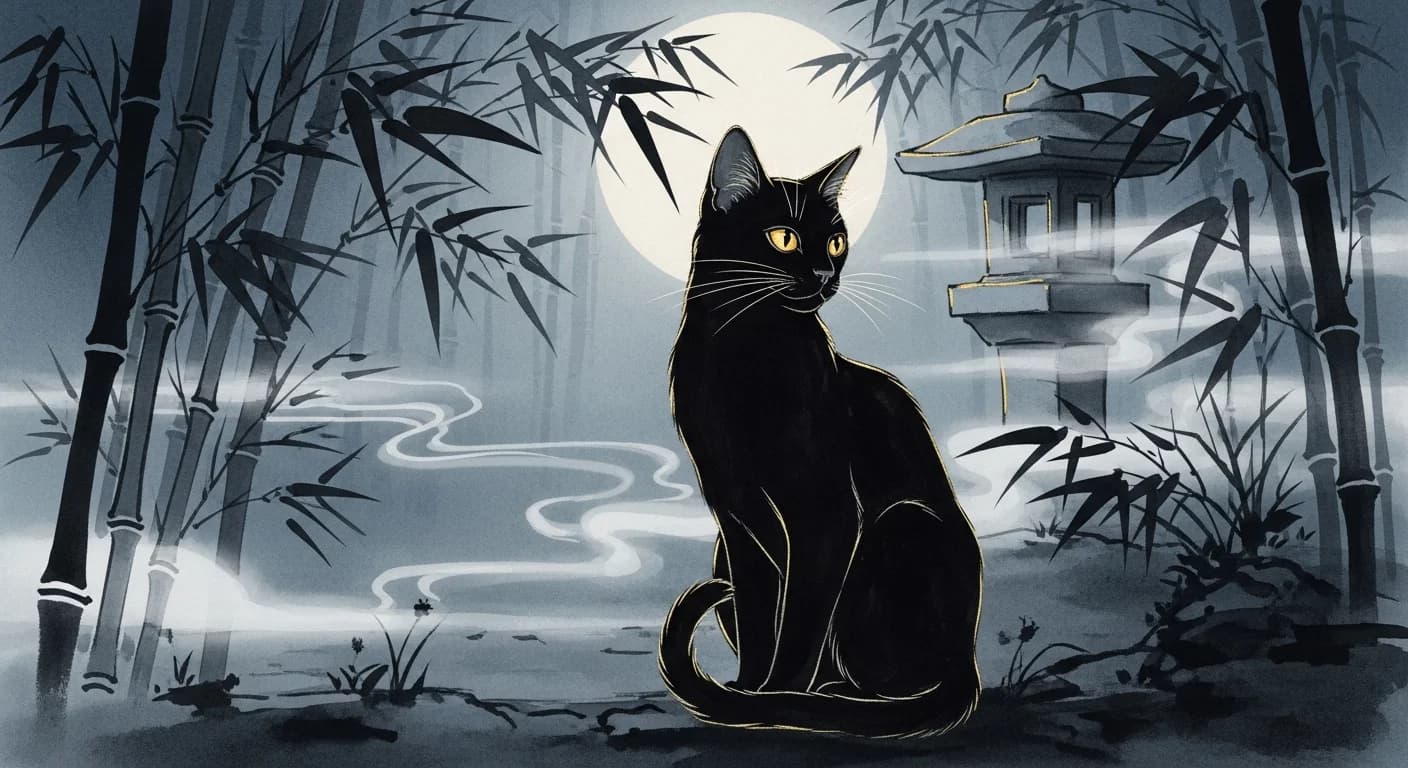
The black cat in Korean symbolism represents mysterious forces and ominous energies lurking nearby. When a black cat dies in a dream, it is generally a fortunate sign — negative energies, hidden threats, or persistent bad luck are dissipating from your life.
White Cat Dying Dream
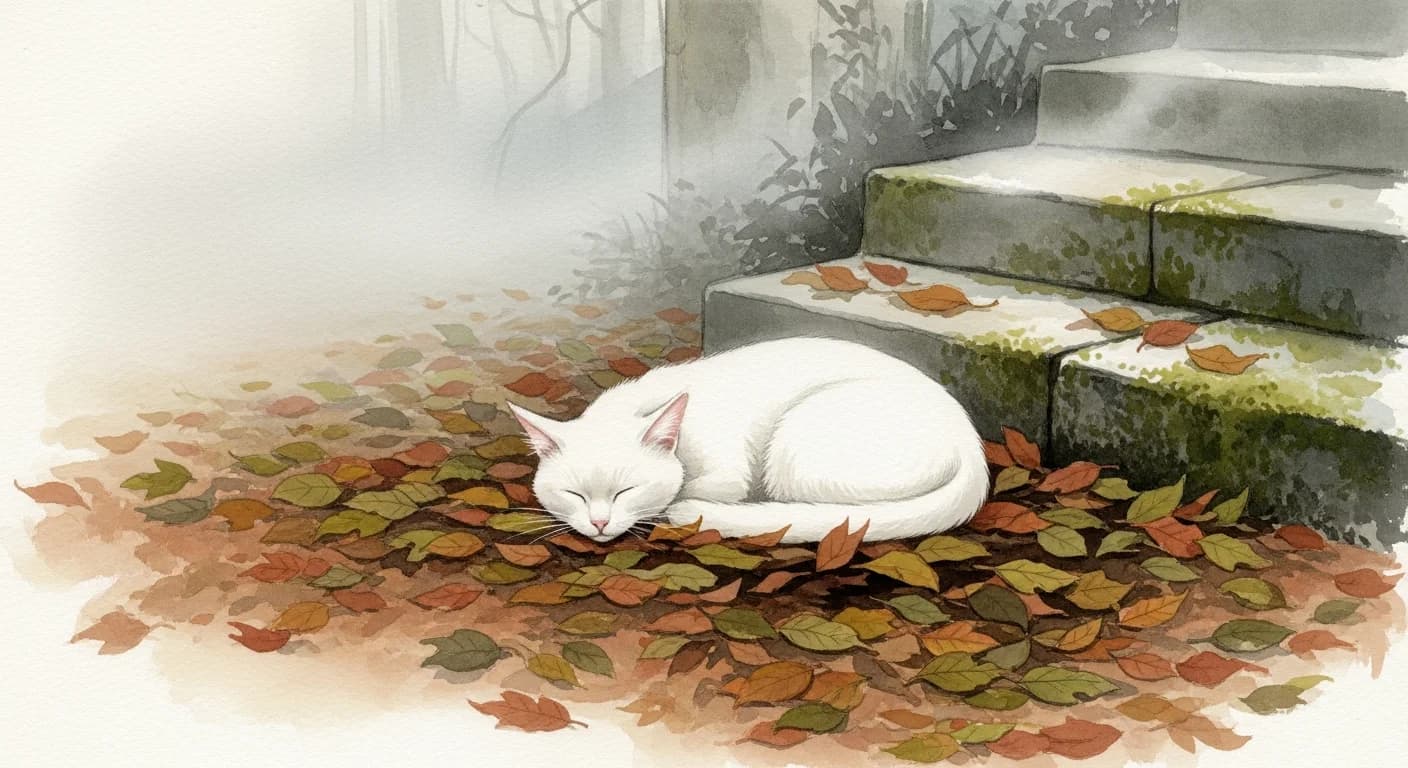
Because the white cat represents purity and peaceful trust, seeing one die in a dream warns that a cherished relationship or innocent bond may be at risk. Be attentive to misunderstandings or cracks in trust with someone close to you.
Holding a Dead Cat Dream
Cradling or carrying a dead cat in your arms reflects emotional attachment to something that has already ended — a relationship, a past self, a chapter that is over. This dream gently but clearly asks for the courage to let go.
Cultural Context
In Korean folk tradition, cats occupied a unique spiritual position as creatures believed to perceive the boundary between the living world and the realm of the dead. Their luminous eyes in darkness gave rise to widespread beliefs that cats could see ghosts and detect malevolent forces invisible to humans. In some regions, when a household cat died, it was considered a significant omen of coming change for the family. Crucially, Korean dream interpretation applies a fundamentally different lens to death than Western tradition does. Where Western cultures tend to read death dreams with dread, Korean 해몽 frames death as shedding, transformation, and the necessary clearing that makes renewal possible. A dead cat dream therefore carries inherent ambiguity: on one hand it can herald the welcome end of a burdensome situation; on the other, because the cat also symbolizes emotional intuition and valued relationships, its death can warn of loss or disconnection in those domains. The emotional tone of the dream itself is the interpreter's compass.
Western Psychological Perspectives
Western psychological traditions bring a rich set of frameworks to the dead cat dream. From a Freudian perspective, cats are classically associated with femininity, independence, and untamed instinctual energy. A dead cat dream may represent the suppression or conscious control of those drives — the ego asserting dominance over the id's more primal urges. When the dream carries guilt or grief, Freud would likely read it as unconscious mourning for a dimension of the self that has been abandoned or repressed over time. Carl Jung's archetypal lens offers a different angle. In Jungian theory, the cat frequently appears as a symbol of intuition, mystery, and the anima — the feminine dimension of the unconscious mind, present in all people regardless of gender. A dead cat in a dream can signal that the dreamer's intuitive or instinctive capacities are being neglected. More broadly, it may reflect the death-and-rebirth archetype embedded in the collective unconscious — a threshold event in the individuation process, where an old structure of self must dissolve before a new, more integrated identity can emerge. Modern cognitive psychology and sleep research take a more grounded view: loss imagery like a dying pet appears in dreams as the brain's unconscious processing of real-life anxiety, grief, or major life transitions. For cat owners specifically, this dream often reflects conscious or half-conscious worry about their pet rather than symbolic content. The emotional response within the dream — relief, horror, numbness — maps directly onto the dreamer's real-world attitude toward the changes they are navigating. What is striking is how closely Eastern tradition and Western psychology converge: both identify the dead cat dream as a threshold marker, standing at the border between what has ended and what has not yet begun.
Frequently Asked Questions
The dead cat dream is ultimately a dream about endings and what they make possible. Korean tradition reads it as a clearing — the removal of what has run its course — and that reading holds when your emotional response in the dream confirms it. Whether it brings a sense of release or a pang of grief, this dream is pointing at something real in your life that is in transition. Rather than seeking certainty in the omen, treat it as an invitation: what are you ready to let go of, and what do you want to step into next?