Deceased Father Dream Meaning — What Korean Dream Tradition Says About Every Scenario
If your deceased father visited you in a dream last night, Korean dream tradition has something specific to say — and the message depends entirely on what he was doing. In Korean 해몽 (dream interpretation), a deceased father is not just a figure of longing; he is understood as an ancestral spirit delivering a direct message to the living. A smiling father handing you gifts signals one of the strongest wealth omens in the entire tradition, while a weeping or furious father is a clear warning to reassess your current path. The same dream, interpreted with or without attention to the father's expression and actions, can lead to completely opposite conclusions. Read on to find exactly what your dream means.
Auspicious Deceased Father Dreams — Patterns of Good Fortune
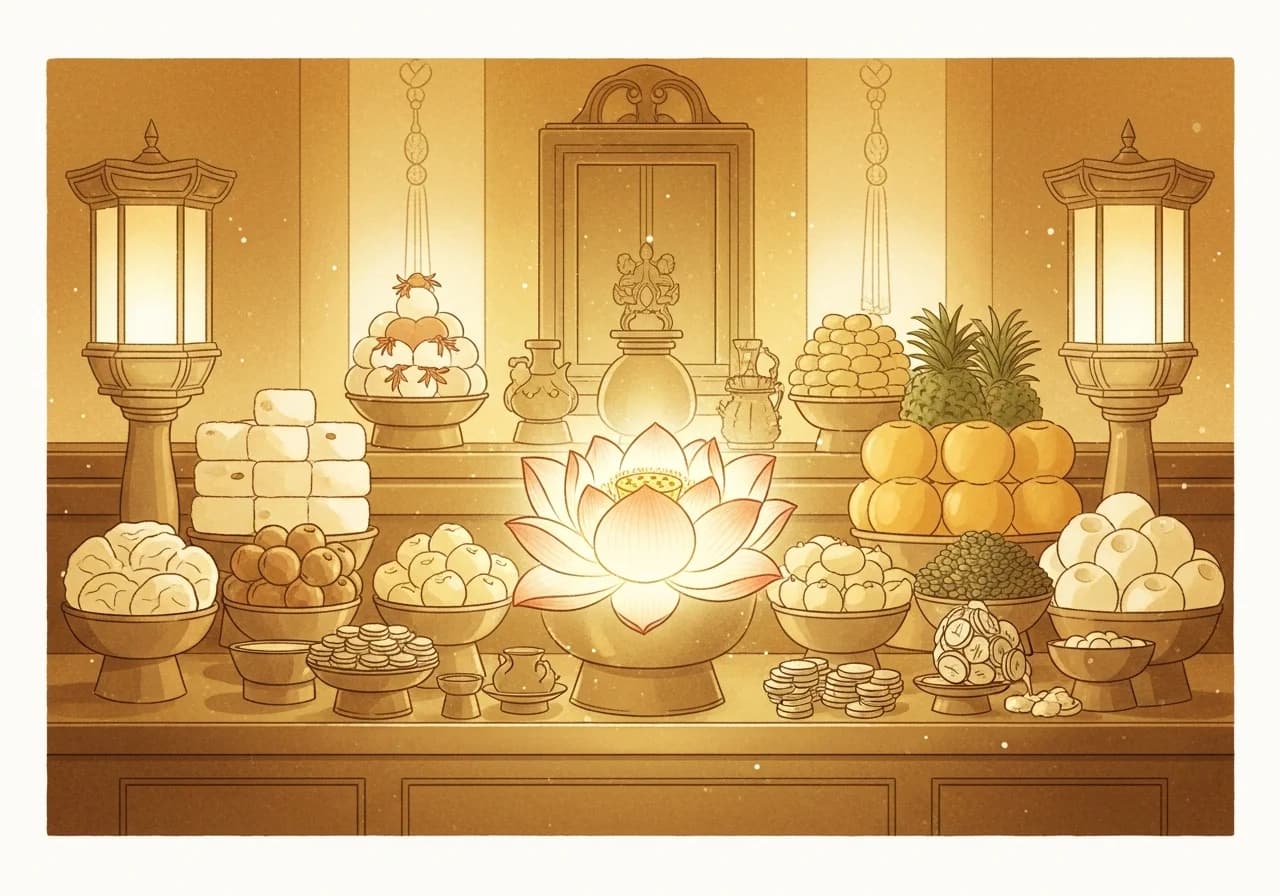
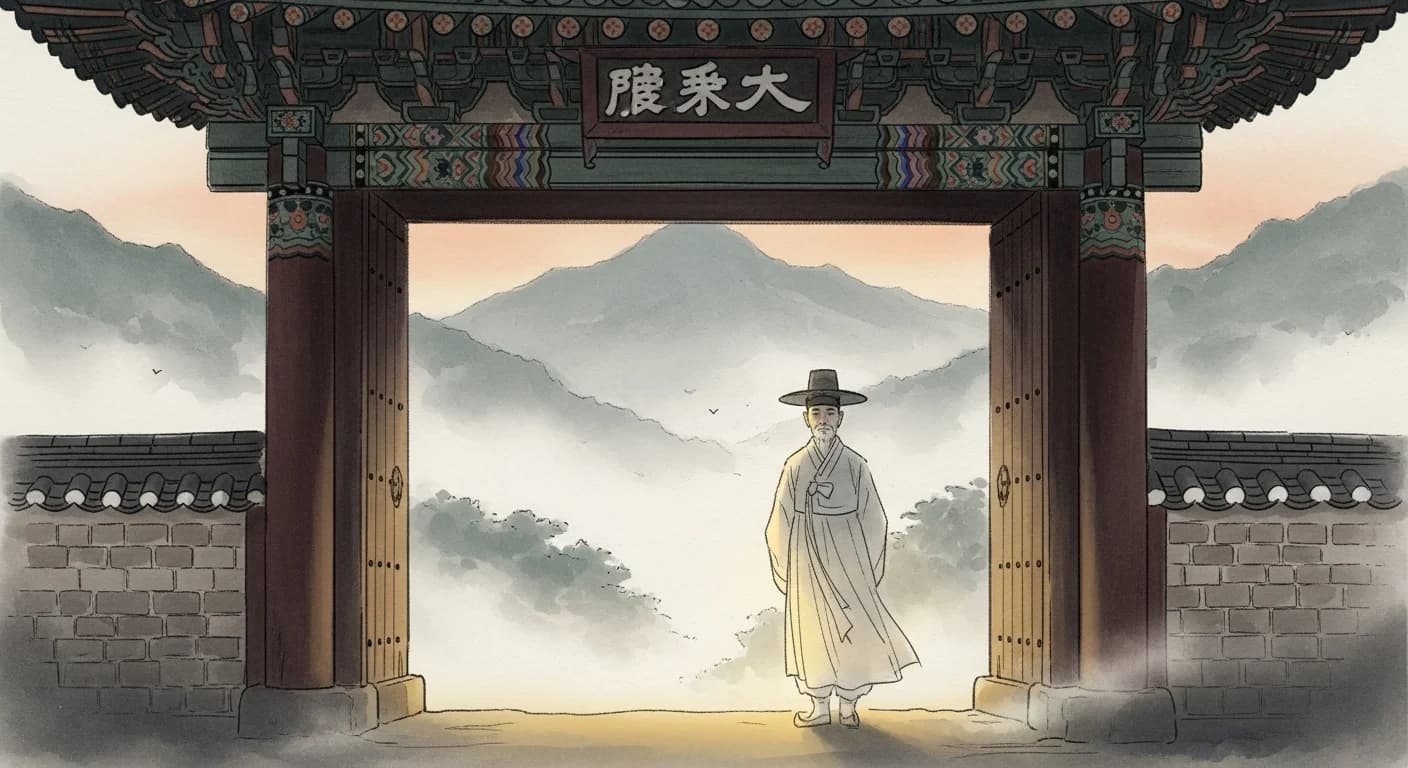
When a deceased father appears smiling, peaceful, dressed in his best, or in the healthy form you remember from his living years, Korean dream tradition reads this as one of its most powerful good-fortune omens. It signals a major surge in financial luck — an unexpected windfall, a long-awaited project bearing fruit, or a sudden reversal in circumstances. The connection to financial fortune is so strong that lottery winners in Korea frequently cite this exact dream in their testimonials: 'my late father appeared in a suit, smiling warmly.'
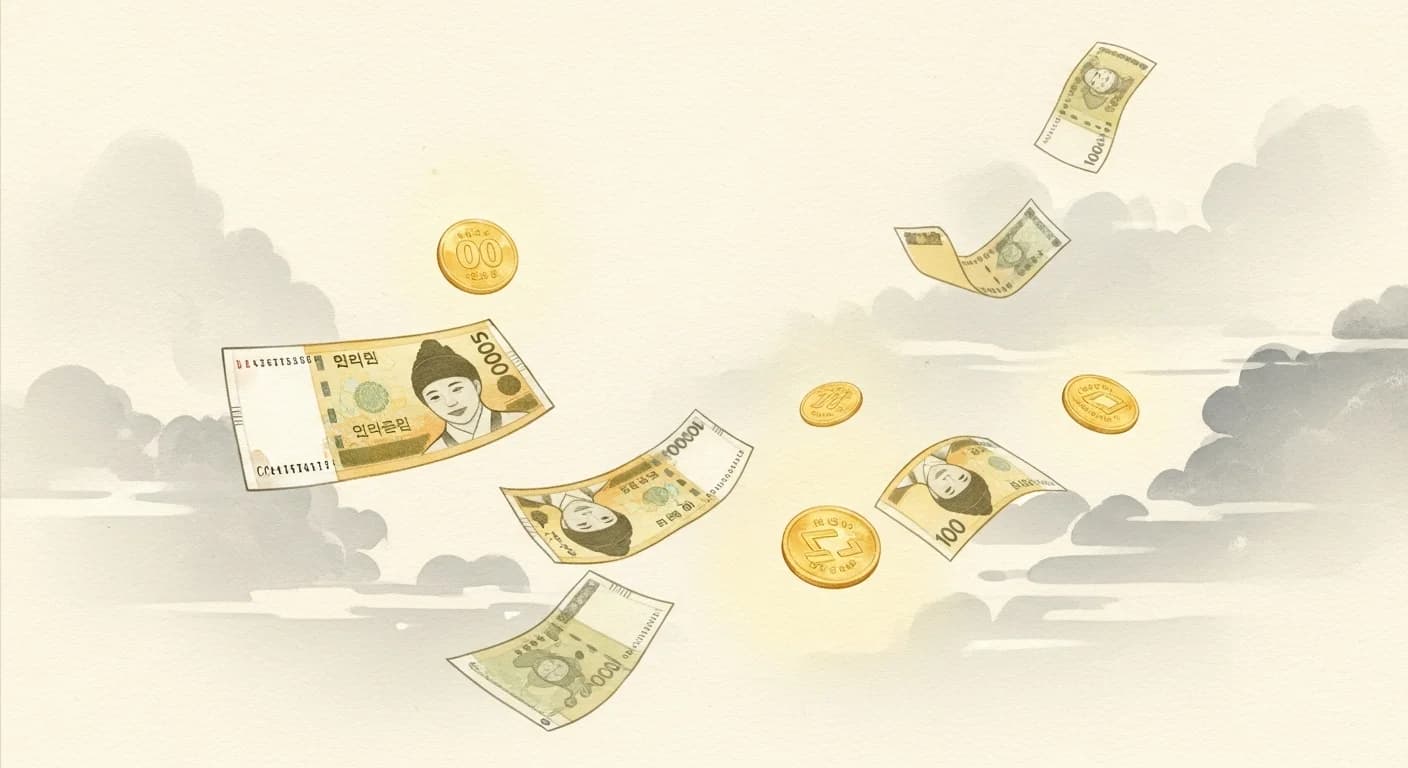
Dreaming that your deceased father hands you money, a bankbook, treasure, or gifts is considered the peak wealth-omen variation. Current business ventures or investments are poised to exceed expectations, and material support from a senior figure may arrive unexpectedly. Similarly, if the father comes back to life, embraces you warmly, or holds your hand, the dream announces that current hardships will ease, a reliable ally will appear, and joyful family events are on the horizon.
Inauspicious Deceased Father Dreams — Warning Signals to Heed
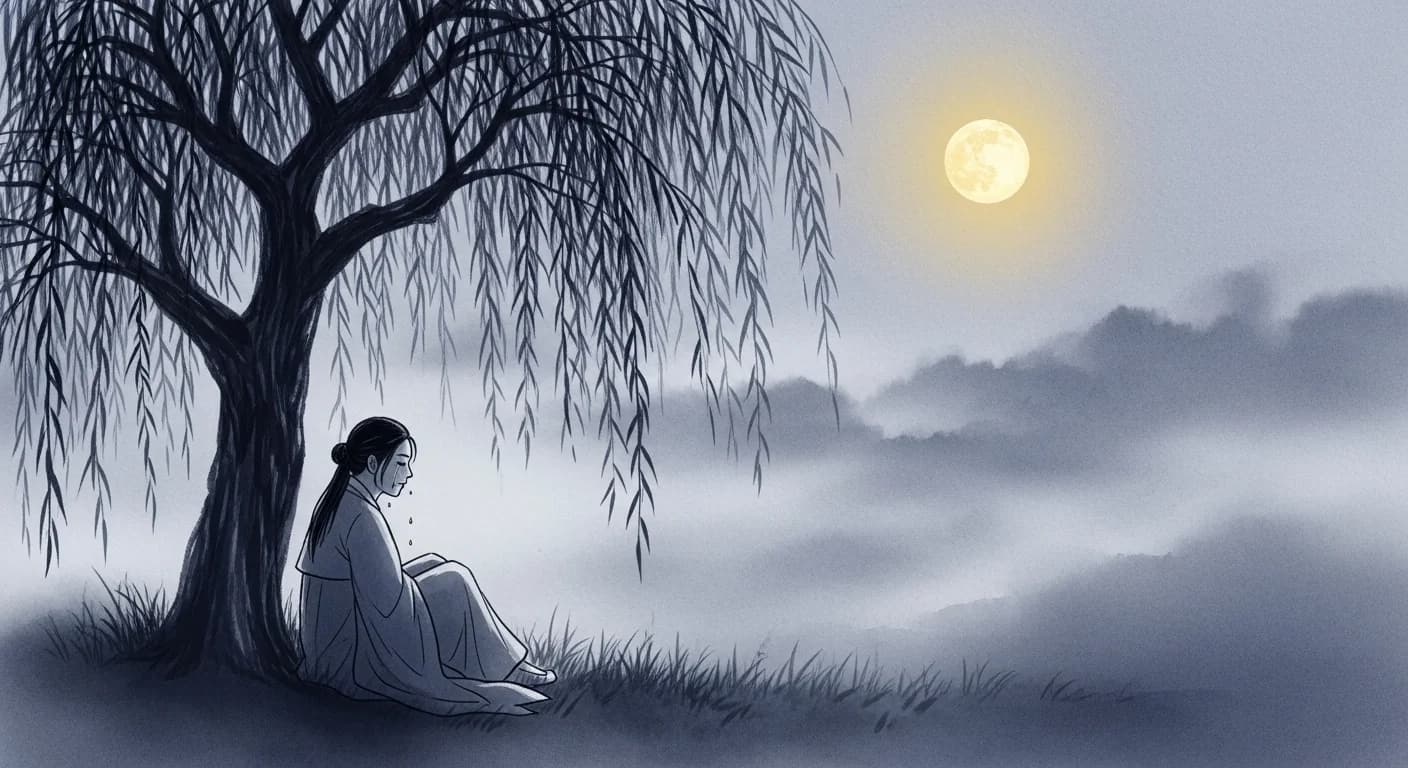
A deceased father appearing tearful or deeply sorrowful is interpreted as a warning: unexpected discord or hardship — at home or at work — may be approaching. Korean folk tradition understands this as the father's spirit alerting descendants that something is going wrong and urging reflection before major decisions. Financial caution and attention to personal relationships are especially advised.
A father appearing furiously angry or scolding you loudly carries an even stronger message: your life path has gone seriously off course. The ancestral spirit's anger signals either moral misstep or a grave mistake in an important decision. Honest self-examination is required immediately.
The most serious variation is dreaming that your father beckons you to follow him or urges you to leave together. Korean tradition regards this as a potential warning of illness, accident, or grave personal danger. Folk wisdom strongly advises not following the father in such dreams, and recommends a health check and heightened attention to safety in the days following.
Neutral Appearances — When the Message Is Ambiguous
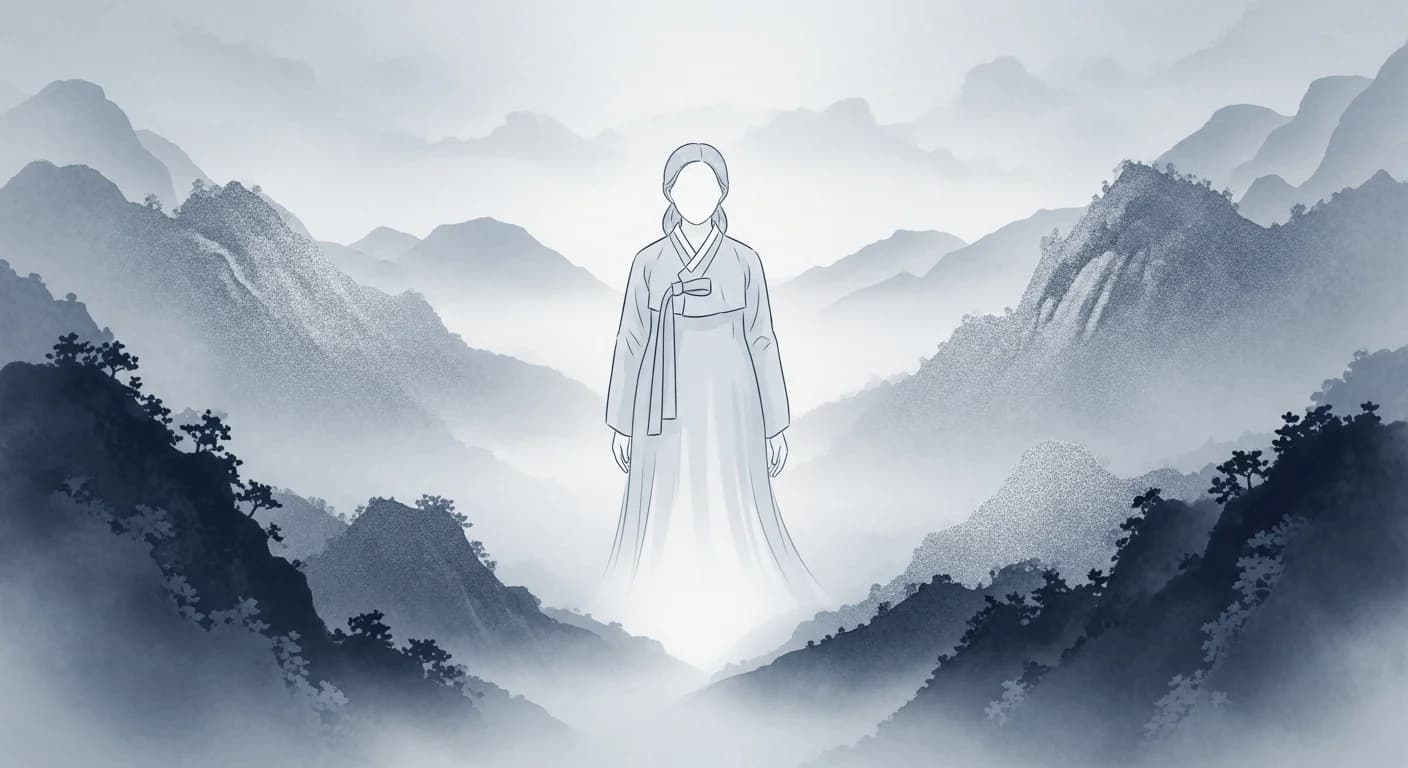
A deceased father who simply appears in the dream without notable action — watching from a distance, speaking inaudibly, or merely being present — does not carry a definitive auspicious or inauspicious reading. Korean tradition views this as the ancestral spirit checking in on a descendant's life. Psychologically, it reflects unresolved longing, unprocessed grief, or heightened emotional stress that surfaces during sleep. The overall emotional tone of the dream — warmth versus unease — guides interpretation when the actions are ambiguous.
Dream Variations
Deceased Father Giving Money Dream
One of the strongest financial-fortune dreams in Korean tradition. Unexpected large income, business success, or a windfall — including lottery wins — is strongly indicated. This variation is the most commonly cited by lottery winners in their testimonials and is considered peak wealth-luck timing.
Deceased Father Smiling in Dream
A firmly auspicious dream. A deceased father's bright smile signals ancestral blessing — obstacles dissolve, family difficulties ease, and joyful events are coming. Both financial luck and relationship luck improve following this dream.
Deceased Father Crying in Dream
A warning dream indicating potential family discord or workplace difficulties ahead. Korean tradition reads a deceased father's tears as an urgent signal to reassess one's current path and exercise caution in major decisions. Financial losses and personal conflicts deserve special attention.
Deceased Father Angry in Dream
A strong warning that the dreamer's actions or life direction is seriously misaligned. The father's anger represents ancestral disapproval of current behavior or decision-making. Immediate and honest self-reflection is advised.
Deceased Father Coming Back to Life Dream
An auspicious dream indicating opportunities to correct past regrets, reunite with long-lost acquaintances, and restore family harmony. A trusted ally may appear at work, and good news for the household is on its way.
Deceased Father Beckoning You to Follow Dream
The most serious inauspicious variation — a warning of potential illness, accident, or grave personal danger. Folk tradition strongly advises never following the father figure in this dream, and recommends heightened attention to health and safety in the following days.
Deceased Father Hugging You Dream
An auspicious dream promising that current hardships will be resolved and a strong ally will appear. Recognition at work, possible promotion, and restored family harmony are indicated. The warm embrace symbolizes the ancestor's protection and encouragement.
Deceased Father Giving Clothes Dream
An auspicious dream foretelling unexpected wealth or an important business or career opportunity. Wearing the father's clothes specifically may signal inheritance or the passing of responsibility in a family business.
Eating with Deceased Father Dream
Generally auspicious — current projects and plans will proceed smoothly. If the meal is joyful, financial fortune is also rising. Sharing food in Korean tradition symbolizes sharing blessings, making this a dream associated with family harmony and positive events.
Deceased Father Appearing Ill Dream
A warning dream indicating obstacles to current plans or potential health concerns within the family. The dreamer is advised to check on family members' well-being and pay attention to their own health.
Deceased Father Speaking to You Dream
Pay close attention to what was said. If the words were clear, Korean tradition holds that the message may carry genuine guidance relevant to a current life decision. Clear, positive words are auspicious; murmuring or inaudible speech is neutral but suggests ongoing endeavors will succeed.
Visiting Deceased Father's Grave Dream
An auspicious dream symbolizing family happiness and stable fortune. It reflects filial piety and gratitude toward ancestors, which in Korean tradition brings the protection and blessings of ancestral spirits back to the dreamer.
Cultural Context
In Korean culture, a deceased father appearing in a dream is understood as far more than personal longing — it is considered a sacred channel through which an ancestral spirit delivers a direct message to living descendants. This belief is rooted in Korea's deep tradition of Confucian filial piety (효, hyo) and ancestor veneration, where ancestors remain morally present as the honored foundation of family lineage even after death. Ancestral memorial rites (제사, jesa) are performed annually on the anniversary of a parent's death, and the connection between the living and the deceased is considered an active, ongoing relationship — not a closed chapter. In Korea's shamanistic tradition (무속 신앙), deceased ancestors also function as guardian spirits and oracles: when they appear in dreams, every expression and gesture is read as a spiritual sign. The father specifically symbolizes authority, protection, and life direction within the Korean family, making his dream appearances especially weighty — a smiling, gift-giving father announces prosperity, while an angry or tearful one signals that the dreamer has strayed from the proper path.
Western Psychological Perspectives
Western psychology and psychoanalysis offer a fascinating parallel lens for understanding these dreams. From Freud's perspective, dreaming of a deceased father represents wish fulfillment: the conscious mind has accepted the loss, but the unconscious harbors a deep, repressed wish for the father to still be alive, and the dream grants that wish on the psychic stage. The father is also the central figure of the Oedipus complex in Freudian theory — embodying authority, prohibition, and rivalry — emotions that never fully resolve and can resurface in dreams long after the father's death. Dreams of arguing with or reconciling with a deceased father reflect this unfinished psychological conflict breaking through to awareness.
Jung's analytical psychology takes a broader view. In Jungian terms, the father in dreams embodies the Father Archetype — a universal symbol of order, authority, protection, and wisdom drawn from the collective unconscious — and frequently appears as the Wise Old Man figure at life's critical turning points. Encountering a deceased father in dreams is understood as part of the individuation process: the lifelong journey toward psychological wholeness, prompting the dreamer to examine their relationship with the father's values, legacy, and way of being. Jung interpreted the appearance of deceased persons in dreams as a signal that the dreamer is ready to integrate the inner dimension that person represents.
Modern psychology and neuroscience take a more grounded approach, viewing these dreams as a normal part of the brain's grief-processing function rather than supernatural events. Research published in the American Journal of Hospice and Palliative Medicine (2013) found that post-bereavement dreams of loved ones measurably increase acceptance of death, provide comfort, and improve quality of life. During REM sleep, the brain reprocesses emotional memories, and a deeply attached figure like a father activates especially vivid dream states — a psychological safe space to express longing, regret, and gratitude that are difficult to process during waking life.
What is striking is how closely Korean folk tradition and Western psychology converge, despite their different languages. Both traditions agree that the father functions as a symbol of wisdom, protection, and authority in dreams, and that his appearance carries deep psychological significance at pivotal moments in life.
Frequently Asked Questions
Dreams of a deceased father are among the most emotionally charged and symbolically rich experiences in Korean dream tradition. The interpretive key is always the same: look to the father's expression and actions. A smiling, gift-bearing father brings news of fortune and blessing; a tearful or furious one calls for honest self-reflection and caution. A father who simply appears is an ancestor checking in with love. Whatever the dream held, treat it as an invitation to pause, look inward, and consider whether your current path aligns with the values and legacy your father represented. That reflection alone may be the message he came to deliver.