Ghost Dream Meaning: Korean Interpretation Complete Guide
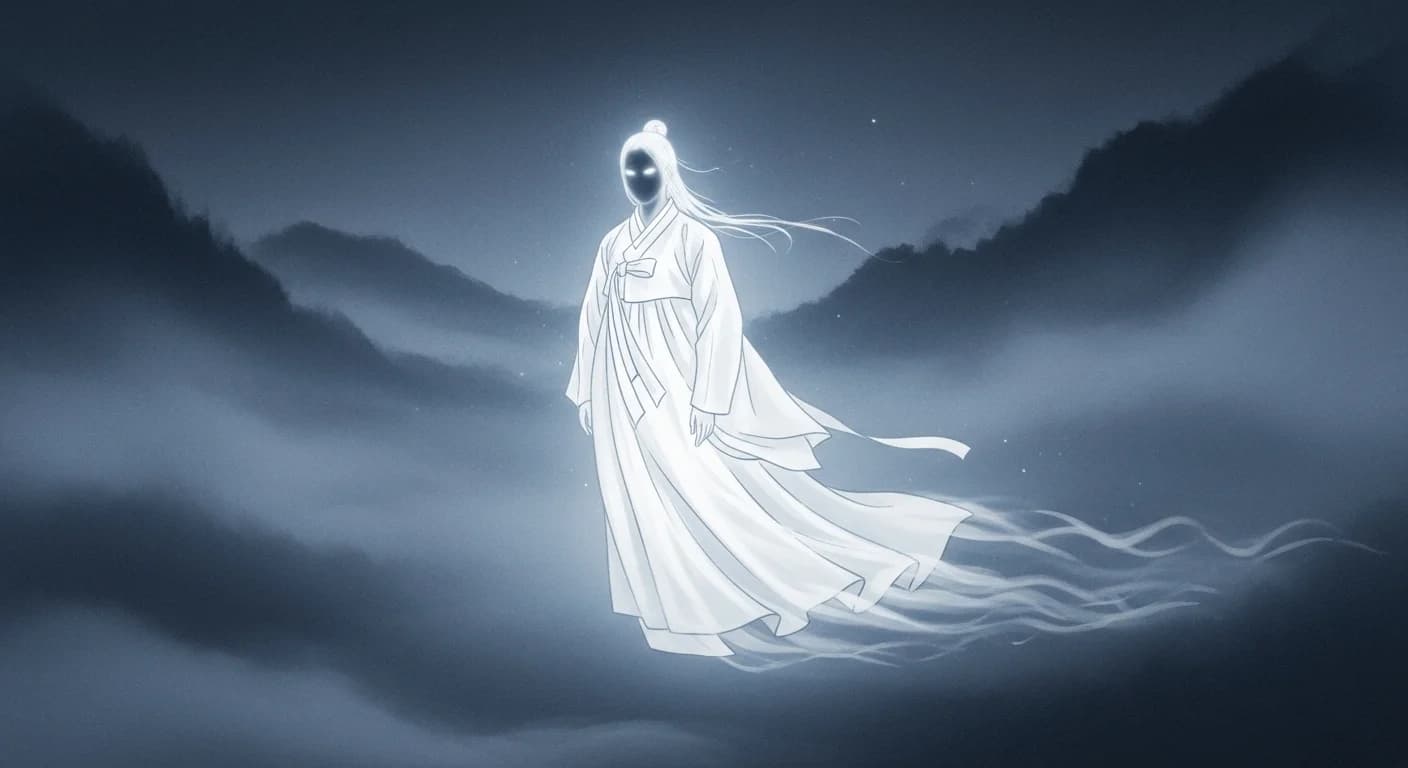
Waking from a ghost dream with a racing heart doesn't necessarily mean misfortune is coming. In Korean traditional dream interpretation, ghosts (gwisin) occupy a far more nuanced space than pure fear — they represent the moment where the world of the living and the spirit realm briefly touch. What determines whether your ghost dream is a promising omen or a warning? It all hinges on one thing: what happened between you and the ghost.
When a Ghost Dream Is Auspicious
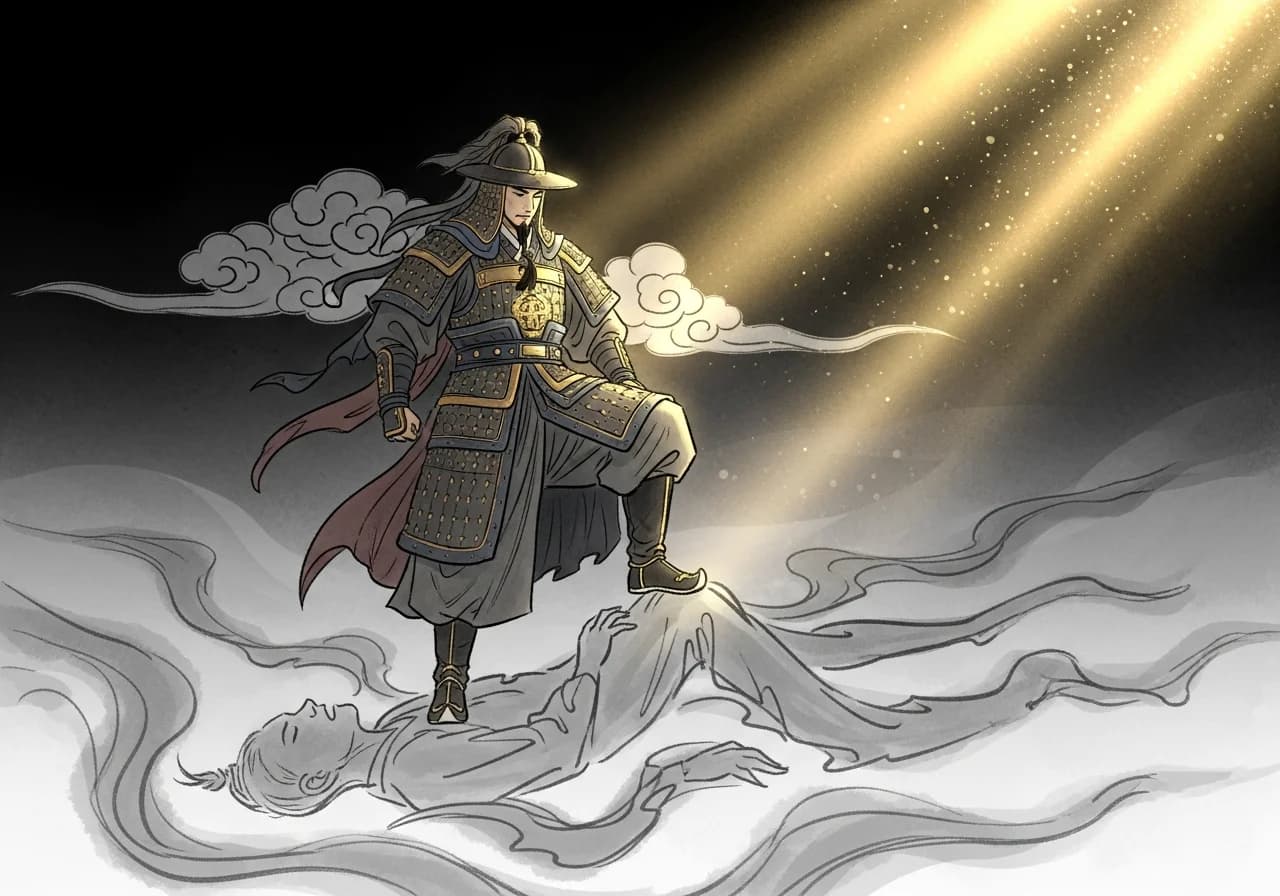
The most celebrated auspicious ghost dream in Korean tradition is fighting a ghost and winning. This dream is read as a powerful signal that you will overcome rivals in your waking life, clear through obstacles that have been blocking you, and see stalled endeavors finally move forward. For someone in poor health, it predicts recovery; for someone preparing for an exam or job interview, it carries the energy of success. The crucial caveat: you must win the fight. A draw is separately interpreted as an omen of strengthened health and longevity; losing flips the dream to inauspicious.
A ghost handing you medicine, food, or a gift is another unexpectedly positive dream. The act of giving carries strong associations with financial fortune — unexpected windfalls, resolution of money troubles, or timely help from an unlikely benefactor are all indicated.
Conversing calmly with a ghost, feeling no fear, and interacting warmly also falls in the auspicious category. This variation is read as a sign that hidden talents or intuition are awakening, and that a helpful person will enter your life soon.
The most paradoxical auspicious ghost dream is being killed by one. Unpleasant on waking, certainly — but Korean traditional interpretation follows the principle of the 'reverse dream' (yeongmong): an extremely negative dream image in sleep predicts a positive reversal in waking reality. Being killed by a ghost signals that a long stretch of hardship is ending and a genuine new beginning is on its way.
When a Ghost Dream Is Inauspicious
Being chased by a ghost is one of the most recognized inauspicious dream patterns in Korean interpretation. It reflects severe accumulation of stress and anxiety — the kind the waking mind has been suppressing — and warns of potential family troubles, unexpected accidents, or setbacks in areas that had been going well. If you successfully escaped without being caught, the omen is considered less severe.
A ghost entering the home is a particularly sharp inauspicious sign. The home in Korean symbolic thinking represents family and protection; its violation by a spirit warns of domestic strife, family conflict, or betrayal by a trusted acquaintance. Extra caution in close relationships is advised.
A ghost staring and laughing at you foretells social gossip, disputes, and the possibility of an embarrassing incident or unexpected accident. It is a pointed reminder to mind speech and actions carefully.
A water ghost (mul-gwisin) dragging or pulling you into the water is treated as one of the most serious predictive warnings in Korean tradition. Water ghosts are considered among the most dangerous spirit types in Korean shamanism, and those who experience this dream are traditionally strongly advised to avoid rivers, the sea, and swimming pools for a period afterward.
The virgin ghost (cheonyeo-gwisin) — a spirit of a woman who died unjustly, full of unresolved resentment — represents some of the most potent negative energy in Korean ghost lore. Her appearance in a dream warns of persistent obstruction in all endeavors and potential serious downfall. Postponing major decisions and contracts is strongly recommended.
Ancestor Ghosts — The Expression Is Everything
Deceased family members or ancestors appearing in dreams occupy a different interpretive space than ordinary spirits. In both Confucian ancestor veneration and Korean shamanic tradition, properly respected ancestors are understood as benevolent protectors — beings who extend blessing (eumdŏk) to their descendants from beyond.
The decisive interpretive factor is expression and emotional tone. A smiling, bright ancestor brings good news: family prosperity, incoming fortune, or simply a reassuring message that they are at peace and watching over you. A sorrowful or darkened ancestor is read as a warning about family health, an upcoming significant event, or a matter requiring the family's attention. In either case, this type of dream often prompts reflection on whether ancestral rites or memorial visits have been neglected.
Dream Variations
Being Chased by a Ghost Dream
An inauspicious dream warning of family troubles or unexpected accidents. It reflects the severity of stress and pressure felt in waking life. If you successfully escape without being caught, the omen is considered somewhat less severe.
Fighting and Defeating a Ghost Dream
A clear auspicious omen predicting victory over rivals and the overcoming of difficulties. Health improves, blocked matters clear up, and strong positive results are expected in exams or business ventures.
Losing a Fight Against a Ghost Dream
An inauspicious dream warning of deteriorating health, business setbacks, or unexpected losses. It advises reviewing current endeavors and postponing risky challenges for the time being.
Ghost Entering the House Dream
An inauspicious dream foreshadowing misfortune in the household or family conflict. It also warns that someone in your social circle may be attempting to exploit or harm you.
Being Killed by a Ghost Dream
Paradoxically auspicious in traditional interpretation despite its frightening content. It signals that a long period of hardship is about to reverse and a fresh new beginning is imminent.
Ghost Laughing at You Dream
An inauspicious omen forecasting gossip, disputes, or unexpected incidents that bring embarrassment. Exercise caution in speech and actions in the near term.
Talking with a Ghost Dream
If the atmosphere is calm rather than frightening, this is auspicious — predicting smooth progress in current work and support from a benefactor. Threatening or warning speech from the ghost shifts the interpretation to inauspicious.
Ghost Giving Medicine Dream
Receiving medicine, food, or gifts from a ghost is an unexpectedly auspicious omen predicting sudden financial gain or the resolution of money troubles through an unforeseen source.
Water Ghost Dream
The appearance of a water ghost grabbing or pulling you is a powerful warning omen against water-related accidents. Traditional advice strongly recommends avoiding bodies of water — rivers, seas, swimming pools — in the period following this dream.
Virgin Ghost (Cheonyeo-Gwisin) Dream
The appearance of a resentful virgin ghost is a serious inauspicious warning that current endeavors will be blocked and may lead to significant downfall. Important decisions and contracts should be postponed.
Ancestor Ghost Dream
An ancestor appearing in a dream is interpreted based on their expression and mood. A smiling, radiant ancestor predicts family prosperity and good fortune, while a sorrowful or dark-faced ancestor signals a warning about family health or an impending significant event.
Dokkaebi (Korean Goblin) Dream
Dokkaebi (goblins) are distinct from ghosts in Korean folklore. Tricking or defeating a large dokkaebi is a strong auspicious omen of outstanding business acumen and accumulation of great wealth. Being chased or defeated by one warns of business losses.
Becoming a Ghost Dream
Paradoxically auspicious, becoming a ghost yourself in a dream predicts defeating rivals and stepping into a position of leadership. It also suggests the ability to turn difficult circumstances to your advantage.
Cultural Context
In Korean tradition, ghosts (gwisin) are complex entities straddling the boundary between the living and the dead, not merely objects of fear. Ritual veneration of spirits appears in historical records as far back as the Goguryeo and Mahan kingdoms, and Korean shamanism (musok sinang) positions the mudang (shaman) as a mediator between the spirit world and the living. Spirits of those who died unjustly or with deep resentment — called won-gwi (원귀, wronged spirits) — were believed to bring calamity upon the living and required appeasement through gut rituals and requiem ceremonies. The Joseon Dynasty layered Confucian ancestor veneration on top of these shamanic beliefs, creating a duality: properly venerated ancestors become benevolent protectors (eumdŏk), while neglected spirits become sources of misfortune. In dream interpretation, encountering a ghost represents a moment of contact between these two realms — and the outcome of that encounter (whether you win or lose, what the ghost offers) determines whether the dream is auspicious or foreboding.
Western Psychological Perspectives
From a Freudian perspective, ghosts in dreams represent repressed unconscious material surfacing under the relaxed censorship of sleep — guilt, forbidden desires, and unresolved fears taking on a ghostly form. Being chased by a ghost, in particular, reflects a highly charged accumulation of inner conflict or suppressed anxiety that the waking mind has been refusing to confront.
In Jungian analytical psychology, ghosts often appear as manifestations of the Shadow — the disowned aspects of the self such as anger, inferiority, or fear that the ego refuses to acknowledge. Fleeing in terror from a ghost signals incomplete shadow integration, while facing and defeating a ghost symbolizes meaningful progress in individuation, the journey toward psychological wholeness. A ghost that delivers a message or offers gifts represents the collective unconscious attempting to transmit an important insight to the dreamer.
Modern psychology and neuroscience link ghost dreams to elevated stress, post-traumatic stress disorder (PTSD), irregular sleep, or unresolved grief processes. The experience of seeing ghosts during sleep paralysis (gawirnullim in Korean) is now understood as a neurological phenomenon — a hybrid state between wakefulness and REM sleep that generates vivid hallucinations. From a cognitive-behavioral therapy (CBT) perspective, recurring ghost dreams may signal an anxiety disorder, and therapeutic processing of dream content is considered clinically beneficial.
While Korean traditional interpretation finds meaning in the outcome of the encounter — whether you defeat or are defeated by the ghost — Western psychology tends to treat the ghost itself as a symbol of inner wounds or repressed emotions. Both traditions converge, however, in treating ghost dreams as significant messages from an inner world that cannot simply be ignored.
Frequently Asked Questions
Ghost dreams sit at the intersection of Korea's richest spiritual traditions — shamanism, Confucian ancestor reverence, and millennia of folk wisdom about what the dead might have to say to the living. Whether your dream left you fleeing in terror, standing victorious, or strangely at ease, the ghost you encountered carried a message shaped by everything from your waking anxieties to something much older. Traditional and modern psychology agree on one thing: ghost dreams are not noise. They are signal. Listen carefully to what yours is telling you.