Hiding Dream Meaning — How Location and Outcome Change Everything
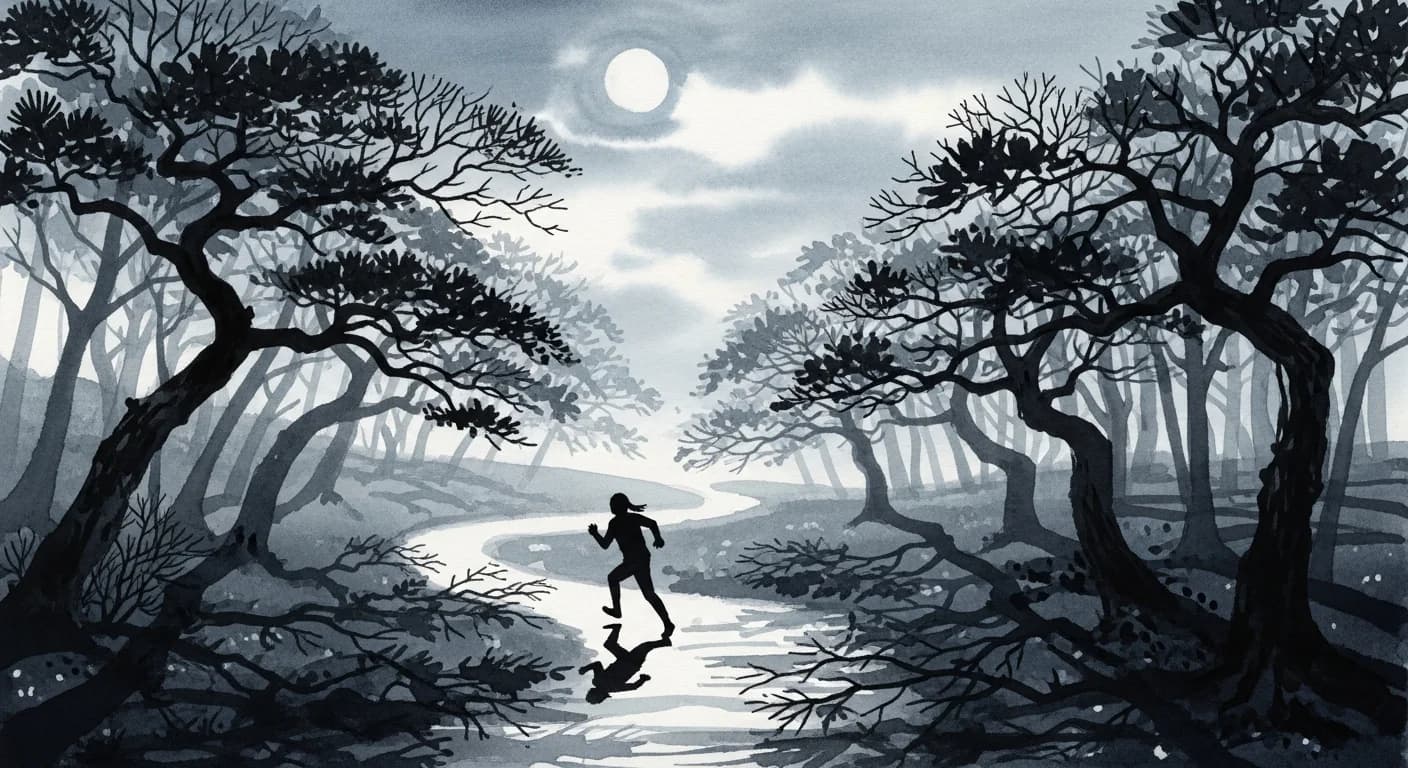
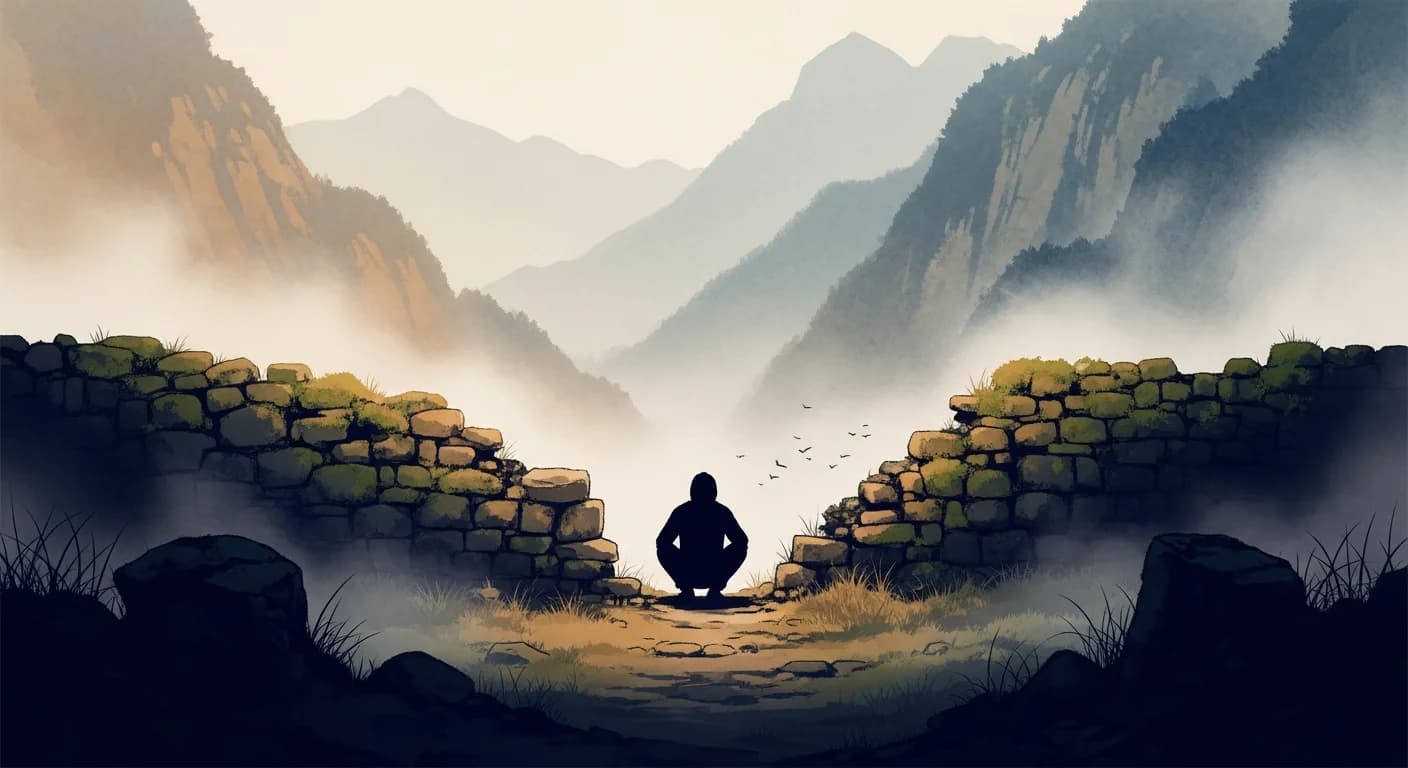
If you dreamed of hiding last night, Korean dream tradition has a surprisingly nuanced message for you — one that hinges almost entirely on where you hid and how the dream ended. In Korean 해몽 (haemong, dream interpretation), the act of hiding is not simply ominous; it is a symbol whose meaning can flip from auspicious to deeply cautionary depending on context. Hiding inside a warm house during a storm, for instance, is read as a sign that you possess the wisdom and inner resources to weather real-life hardship. But hide in a dark alley or a shadowy forest, and the same dream becomes a warning that you are running away from something you urgently need to face.
The Basics — Why Hiding Dreams Are Mostly Inauspicious (But Not Always)
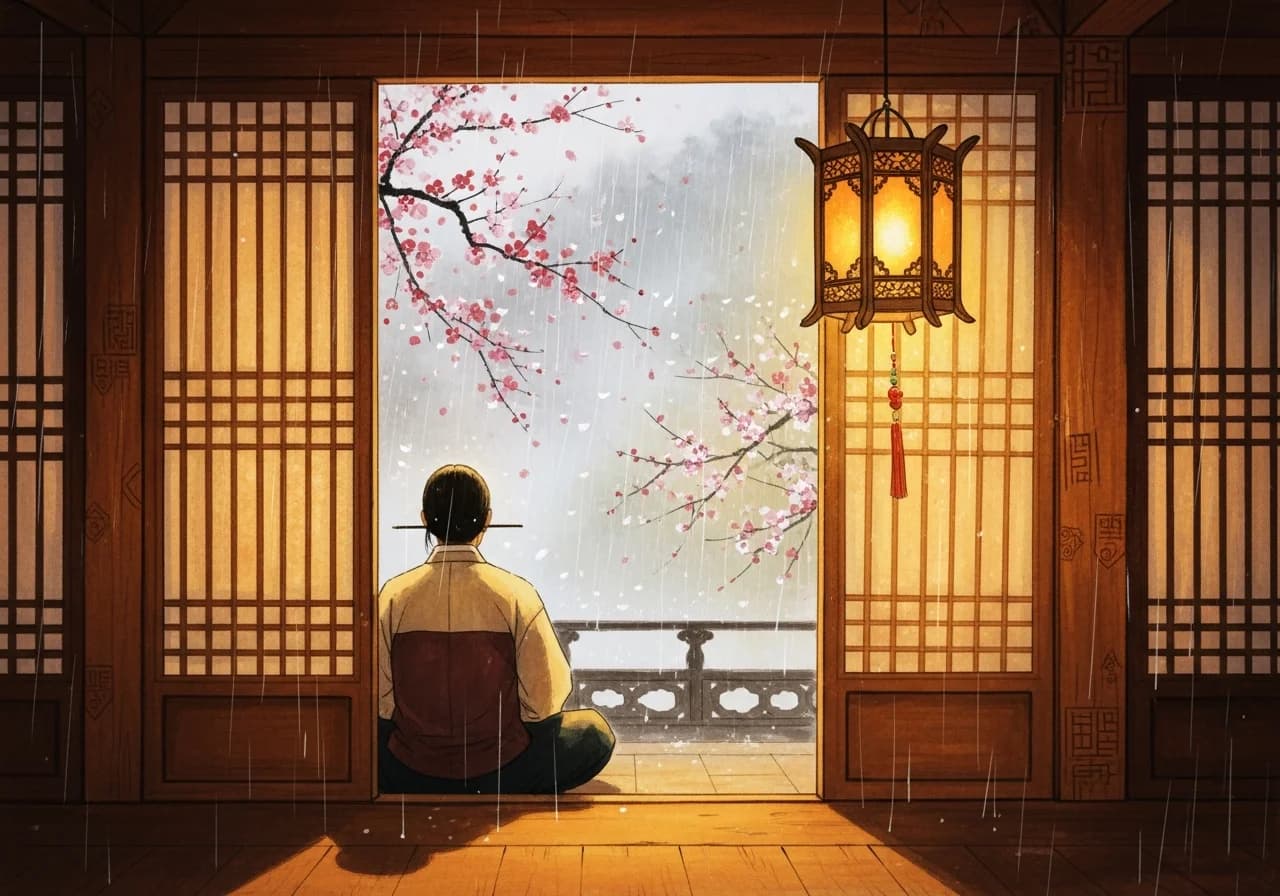
In Korean dream interpretation, hiding dreams are generally classified as inauspicious — reflecting a desire to escape real-world burdens, unresolved conflicts, or mounting responsibilities that the unconscious mind projects into a literal act of concealment. However, the tradition draws careful distinctions. Hiding inside a house or building, sheltering from bad weather, or being joyfully discovered during a game of hide-and-seek are all considered auspicious. The three decisive factors are: where you hid (the hiding place), what you were hiding from (the nature of the threat), and how the dream ended (whether you were safe, discovered, or still fleeing). Evaluated together, these details tell the full story of what your dream is trying to communicate.
Inauspicious Hiding Dreams — Signs of Avoidance and Inner Anxiety
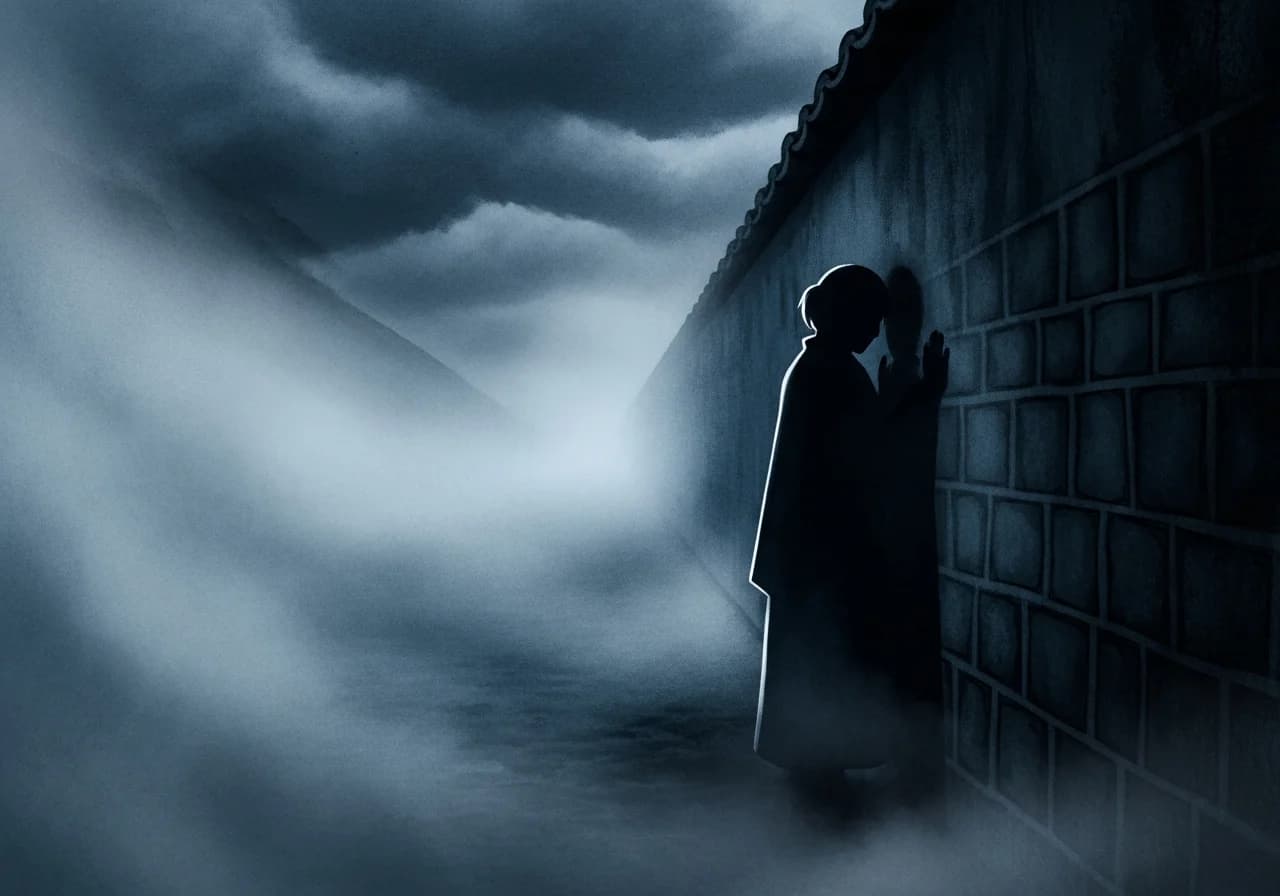
The most common inauspicious form is being chased and hiding. In Korean dream culture, the pursuer is not interpreted as a literal person — it represents whatever you have been avoiding in waking life: a conflict, a responsibility, an uncomfortable truth. The act of hiding signals that this avoidance pattern is reaching a critical point. Hiding while trembling with fear reflects accumulated guilt or regret over a recent decision, surfacing through the unconscious. Hiding from police carries a specific symbolic weight: it points to a desire to dodge duties and obligations, or an internal moral awareness of something you feel ashamed about. Hiding behind a wall is particularly telling for relationships — it mirrors the emotional barriers being constructed between you and someone close to you, often a romantic partner.
Auspicious Hiding Dreams — Finding Shelter and Finding Your Helper
Not all hiding dreams are warnings. Hiding inside a house is a genuinely good omen in Korean tradition: the home symbolizes safety and self-protection, and this dream affirms that you have the wisdom and inner strength to navigate whatever hardship you face. Sheltering from a storm or bad weather is even more encouraging — it predicts that a helper or ally will appear in your waking life, someone who will stand with you through a current difficulty. And being discovered while playing hide-and-seek? That is one of the most auspicious scenarios possible. Korean dream interpretation reads this as a sign that talents or efforts you have been quietly cultivating will finally come to light, bringing recognition and unexpected blessings.
Recurring Hiding Dreams — When the Unconscious Keeps Knocking
If you find yourself hiding in your dreams repeatedly, the Korean tradition and modern psychology agree: your unconscious is sending an escalating signal about something persistently unaddressed in your waking life. Pay attention to the patterns — do you always hide in the same place? From the same figure? These recurring elements are a map pointing directly to the unresolved issue. Modern sleep research supports this reading, showing that chronic stress and elevated cortisol levels directly increase the frequency of threat-related dreams. Recurring hiding dreams may be less a supernatural omen and more a physiological signal that your stress levels need attention.
Dream Variations
Hiding Somewhere in a Dream — Location is Everything
The single most important element in a hiding dream is where you hide. Hiding in a familiar, safe space like a house or building is auspicious, indicating protective instincts and resilience. Hiding in an unsettling or unfamiliar location — a forest, a jungle, or an abandoned building — is inauspicious, warning of a tendency to avoid real problems or obstacles blocking your goals. The emotional quality of the hiding place (did it feel safe, or claustrophobic?) is also a meaningful clue.
Hiding Without Being Discovered — Discretion or Isolation?
Successfully hiding without being found reflects an ability to keep secrets or protect inner emotions. This can positively indicate a careful, thoughtful nature. However, if this type of dream recurs, it carries a neutral warning: you may be over-isolating yourself or blocking open communication with the people around you. The dream invites reflection on whether your privacy has become a wall between you and others.
Hiding and Then Being Discovered — The Paradoxical Good Omen
Being discovered after hiding is one of the more nuanced dream scenarios. In a playful, game-like context — resembling hide-and-seek — being found is auspicious: hidden talents, quiet efforts, and suppressed potential will be revealed and celebrated. But if discovery happens amid fear or guilt, the meaning reverses: problems you tried to bury will surface, and you will be forced to confront them. The emotional tone at the moment of discovery is the decisive factor.
Hiding to Avoid Someone in a Dream — Relationship Pressure
Hiding from a specific person in a dream reveals a desire to escape that person or what they represent. Hiding from a stranger signals vague, generalized anxiety. Hiding from someone you know is inauspicious, pointing to a specific relationship in which you feel a burden or pressure too heavy to carry. Reflecting on who that person is in your waking life — and what role they play — can unlock the key to what the dream is addressing.
Hiding in a Dark Place — Withdrawal and Lowered Confidence
Hiding in the dark reflects a psychology of concealment — something shameful or private that you do not want exposed. In Korean dream interpretation, darkness symbolizes anxiety, isolation, and unspoken fear. This dream commonly appears during periods of emotional withdrawal or reduced self-confidence. The inner message is clear: find your way toward the light — toward openness, connection, and self-acceptance.
Hiding from Family in a Dream — Autonomy and Personal Space
Dreaming of hiding from family members signals pressure from family expectations or conflicts, and a psychological need for personal space and autonomy within those relationships. While generally inauspicious, if you successfully find a calm, private space away from family in the dream, it can carry a neutral meaning of seeking independence and a stronger sense of individual identity. This dream may indicate it is time to establish healthier boundaries within your family dynamic.
Hiding from a Ghost or Monster — Unresolved Fears Surfacing
Hiding from a ghost or monster is an inauspicious dream in which unresolved fears or traumas emerge symbolically from the unconscious. The supernatural pursuer typically represents an aspect of yourself — a dark emotion or painful memory — that you have been refusing to acknowledge. If you successfully hide and feel safe, there is some consolation, but if the dream involves relentless pursuit, it may be worth exploring with a therapist or counselor.
Hiding in a Secret Room or Hidden Space — The Need for Solitude
Hiding in a concealed space — an attic, basement, or secret room — reflects a genuine need for solitude and personal retreat. This is a neutral dream indicating that rest, privacy, and time away from external demands are needed right now. However, if the secret space felt confining rather than safe, the dream may be pointing to feelings of isolation or being trapped in your current circumstances.
Cultural Context
The tradition of Korean dream interpretation dates back to the Three Kingdoms period. The Samguk Yusa (Memorabilia of the Three Kingdoms) records how King Wonseong dreamed of removing his official headwear and descending into a well — initially read as inauspicious, but later reinterpreted by a different reader as an auspicious omen of ascending the throne. This story illustrates a fundamental principle of Korean 해몽 (haemong): the same act of concealment or descent can carry entirely different meanings depending on context and interpretation. During the Joseon Dynasty, auspicious dreams were so culturally prized that a documented practice of 'dream trading' (꿈 매매) existed, where people would buy and sell good dreams as a form of blessing transfer. Hiding dreams in this tradition were understood as expressions of a protective instinct, with the auspicious or inauspicious quality determined by where the dreamer hid and whether they emerged safely. In contemporary Korean dream culture, folkloric interpretation coexists with psychological readings, and hiding dreams are increasingly understood as unconscious projections of real-world stress, avoidance patterns, and emotional suppression — making both the cultural and psychological frameworks valuable for a complete interpretation.
Western Psychological Perspectives
Western psychological traditions offer a rich complement to Korean dream interpretation when it comes to hiding dreams, reading the act of concealment as a window into deep-seated psychological dynamics rather than an external omen.
From a Freudian perspective, hiding dreams reflect the ego's attempt to escape the pressing demands of the id's repressed drives or the punishing moral authority of the superego. Hiding is the dream's symbolic language for repression — the psychic mechanism that pushes anxiety-provoking desires or guilt into the unconscious. In chase-and-hide dreams, Freud would identify the pursuer as a representation of repressed libidinal energy or a forbidden impulse. The hiding place — particularly enclosed, interior spaces like basements or small rooms — symbolizes a regressive wish to return to a womb-like state of safety, away from psychic threat.
Carl Jung's analytical psychology takes a different but equally compelling angle: hiding dreams represent the ego avoiding an encounter with the Shadow archetype — the repository of traits and impulses that the conscious self refuses to acknowledge. The threatening pursuer is typically a personification of the Shadow, the dark counterpart to the persona we present to the world. Jung interpreted hiding not as simple cowardice but as a temporary psychic retreat in the individuation process, when the ego hasn't yet developed the strength to consciously integrate what the Shadow holds. Finding safe shelter may indicate the Self's healing function is active, while recurring hiding dreams urgently call for conscious engagement with these disowned parts of the psyche.
Modern sleep science frames hiding dreams through the Threat Simulation Theory proposed by Finnish neuroscientist Antti Revonsuo, which suggests that dreaming evolved as a biological mechanism to safely rehearse responses to threatening situations. The brain's amygdala remains reactive to threat signals during sleep, and REM sleep is the stage where fear-related memories are processed and emotionally regulated. Research shows that higher cortisol levels — the stress hormone — correlate with increased frequency of threat-related dreams, suggesting that recurring hiding dreams may function as a physiological marker of chronic stress rather than a supernatural warning.
Both Korean tradition and Western psychology ultimately agree that hiding dreams carry meaningful signals about inner life. Korean 해몽 focuses on the outcome and location; Western psychology focuses on what the hiding act itself reveals about psychological dynamics. Together, they offer a fuller picture of what your dream may be trying to say.
Frequently Asked Questions
Hiding dreams are not simply nightmares to be dismissed — they are one of the most honest messages your unconscious can send. Whether you sheltered safely in a warm house, found yourself cornered in the dark, or were joyfully discovered mid-game, each scenario holds a specific meaning about where you stand emotionally and what your inner life needs right now. Korean dream interpretation and Western psychology alike treat hiding dreams as invitations: to face what is unresolved, to trust your own protective instincts, and to recognize that even running away in a dream can carry the seeds of insight. The next time you wake from a hiding dream, sit with it for a moment before the day rushes in. Your unconscious worked through the night to hand you something worth examining.