Hugging Dream Meaning: What Korean Dream Interpretation Says About Embraces
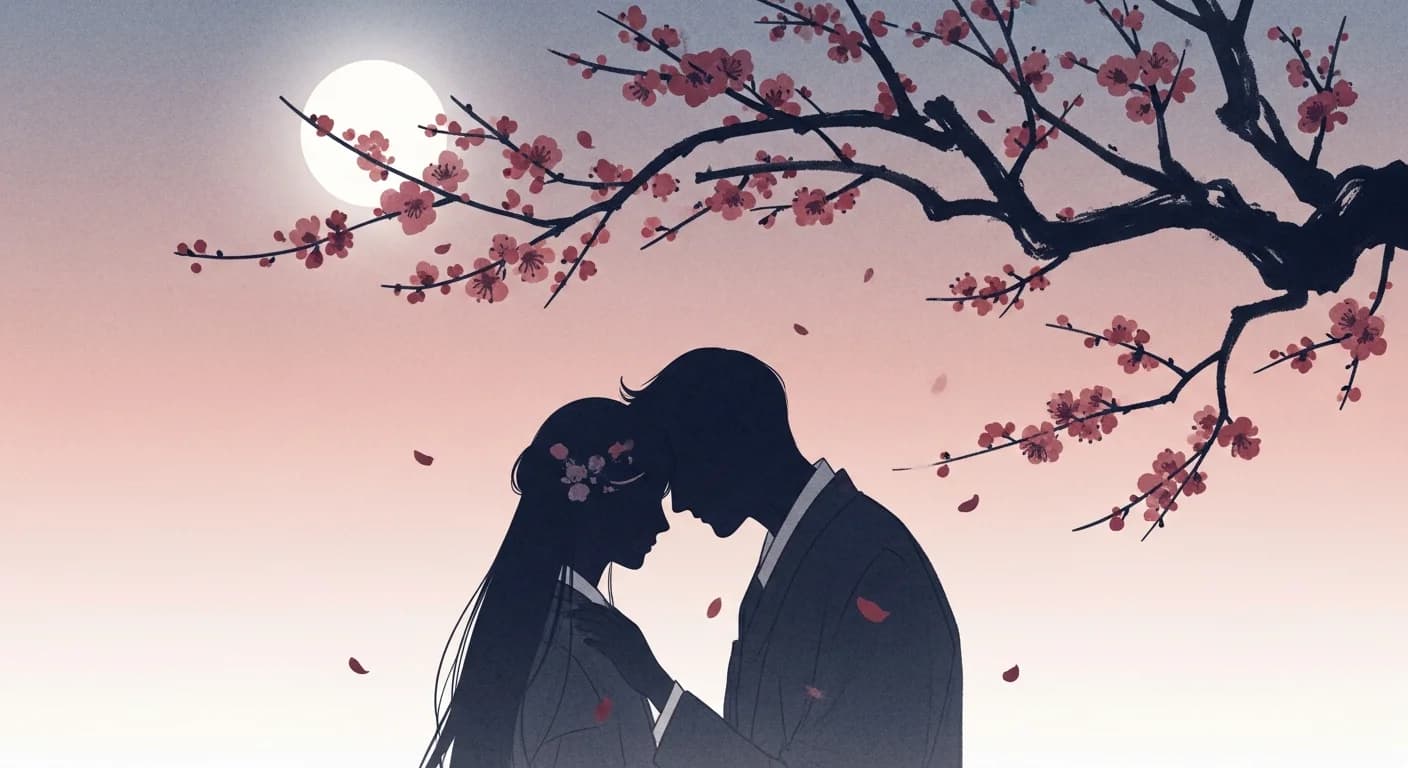
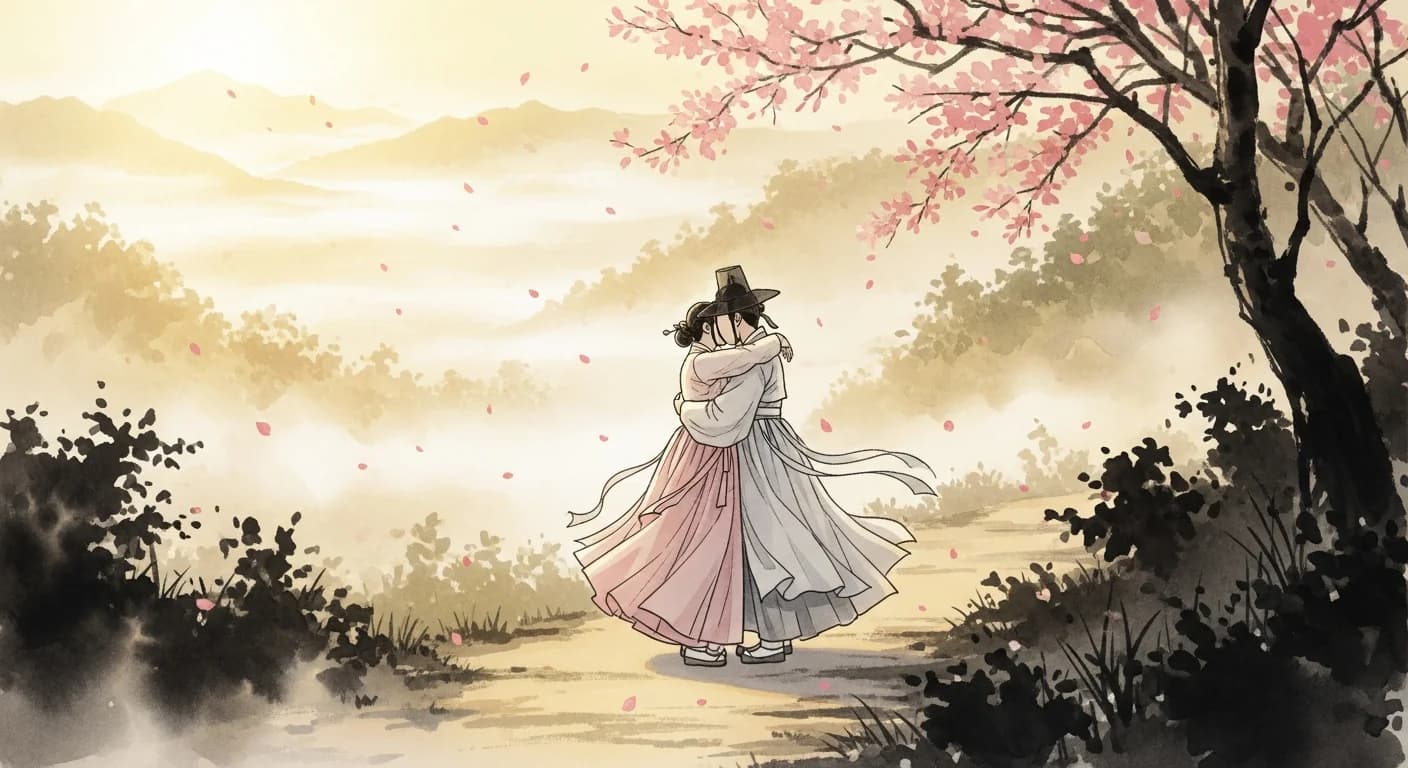
If you dreamed of hugging someone and woke with that warmth still lingering, Korean dream tradition has something specific to say about it. In Korean dream interpretation (꿈해몽), a warm and comfortable embrace is a clear auspicious sign — pointing toward emotional healing, relationship restoration, and good fortune ahead. Physical contact in dreams has long been treated as a powerful omen in Korean culture, where the body's language speaks truths the waking mind keeps quiet. But here's the catch: the same hugging dream can swing from lucky to cautionary depending on who you embraced and — most critically — how it felt.
Warm Embraces — When Hugging Dreams Bring Good News
In Korean dream interpretation, the emotional quality of a dream is its most reliable compass. When a hugging dream feels genuinely warm, comforting, and loving, it is classified as a 길몽 (auspicious omen) — a dream that foretells positive change. This type of dream signals that you will receive sincere appreciation and respect from those around you, and that relationships that have grown cold or distant are moving toward reconciliation. Dreaming of hugging your entire family is considered one of the strongest auspicious variants, predicting a period of collective joy and harmony for the whole household. Hugging a close friend in a dream signals that the trust bonds in that friendship are deepening — support will be there for you when you need it most. Embracing a son or child foretells success and good fortune, while a hug shared in a bed setting suggests a meaningful new connection is entering your life. In the professional sphere, a warm hugging dream involving colleagues often signals improved workplace collaboration and a broadening social network.
Uncomfortable Embraces — When the Dream Carries a Warning
Not all hugging dreams carry good news. When the embrace in your dream was accompanied by discomfort, sadness, or anxiety, Korean dream tradition reads it as a 흉몽 (inauspicious omen) — a signal to pay closer attention to something in waking life. Paradoxically, even hugging a romantic partner can carry a cautionary meaning: if the emotional tone was cold or awkward, the dream may be flagging relationship tension or the risk of conflict to come. Hugging an unfamiliar woman is traditionally interpreted as a warning of potential betrayal by someone close. Embracing parents or relatives with a feeling of sadness may foreshadow family health concerns or domestic friction, making it worth checking in on loved ones after such a dream. Hugging a deceased person is one of the more serious warning dreams in Korean tradition — it is sometimes read as a signal of health decline, warranting extra care of your physical wellbeing. Embracing a former partner reflects unresolved attachment to the past or instability in a current relationship.
The Emotional Mirror — When Hugging Dreams Reflect Your Inner State
Beyond the auspicious and inauspicious, many hugging dreams function as neutral emotional mirrors — honest reflections of the dreamer's psychological landscape rather than specific predictions. A prolonged embrace that stretches on in the dream expresses deep longing for someone missed or an unmet need for emotional support in daily life. A farewell hug in a dream symbolizes the psychological work of emotional closure — processing grief or making peace with a separation. Dreaming of hugging a former boyfriend or girlfriend can reflect a lingering wish to reconnect, or alternatively, an internal readiness to open toward new romantic possibilities. These neutral hugging dreams are best understood not as omens but as honest messengers: they reveal what kind of emotional nourishment you currently need and which relationships are drawing your deepest attention.
Career and Social Fortune — Hugging Dreams Beyond Romance
In Korean dream interpretation, hugging dreams extend their significance beyond personal relationships into professional and social life. Dreaming of embracing a boss or coworker is generally auspicious, predicting improved dynamics at work, stronger team collaboration, or the resolution of long-standing professional tension. The desire for workplace recognition and the hope for harmonious cooperation often manifest in these dreams. Hugging a stranger in a warm, comfortable way suggests that unexpected new connections — perhaps professional opportunities or meaningful friendships — are approaching from an unanticipated direction. Conversely, if the workplace hugging dream carried an undercurrent of tension or discomfort, it may reflect unconscious awareness of hidden rivalry or unaddressed conflict in your professional environment, making it a prompt for more careful attention to workplace relationships.
Dream Variations
Hugging a Romantic Partner
Dreaming of embracing a romantic partner can reflect deep affection and relationship satisfaction, but in traditional Korean interpretation it may also serve as a warning of conflict or discord to come. The emotional quality of the embrace is the key to interpretation — warm and joyful means love is flourishing, while cold or awkward suggests seeds of conflict are germinating.
Hugging a Parent
Hugging a parent in a dream reflects longing for family closeness and emotional security. In some traditional interpretations, it serves as a gentle warning to check on family members' health and wellbeing. If the embrace felt warm and peaceful, it is a positive sign of deepening family bonds.
Hugging a Grandparent
Hugging a grandparent is considered an auspicious dream signifying that wisdom and guidance will be bestowed upon the dreamer. It may also reflect ancestral blessing and the passing down of life experience from elders. If you are facing a difficult decision, this dream offers reassurance that clarity and direction will come.
Hugging a Stranger
Hugging a stranger suggests the arrival of a meaningful new connection. It may also signal an emotional void the dreamer seeks to fill through new relationships. Hugging an unknown woman specifically can serve as a warning of betrayal in Korean dream tradition, making it worth reflecting on the trustworthiness of those around you.
Being Hugged from Behind (Back Hug)
A back hug dream — being embraced from behind — can indicate unexpected good fortune arriving from an unseen direction. The key factors are who is hugging you and how the embrace felt. A warm, comforting back hug is auspicious, while a back hug that feels unsettling or frightening may warn of someone in your life harboring hidden intentions.
Hugging a Baby
Hugging a baby reflects protective instincts and nurturing desires, and symbolizes new connections or personal growth. Holding a baby boy is considered auspicious, foretelling joy ahead, while holding a baby girl may signal an emerging challenge that requires prompt attention. In vivid dreams where pregnancy is a possibility, this may be interpreted as a conception omen (태몽).
Hugging a Deceased Person
Dreams of hugging someone who has passed away express unresolved grief and longing for the departed. In traditional Korean dream interpretation, this dream can also serve as a health warning, so it is worth paying attention to your physical wellbeing after such a dream. Recurring dreams of a lost loved one may also be a signal to allow yourself proper time to grieve.
Hugging an Ex-Lover
Hugging an ex-lover in a dream signals readiness to forgive past hurts and achieve emotional closure. It may alternatively reflect a lingering wish to reconnect or, conversely, a desire to open oneself to new romantic possibilities. Pay attention to the emotional tone — longing or lightness — to understand which meaning resonates with your current state.
Hugging While Kissing
Hugging while kissing is a highly auspicious dream signifying the fruition of love. It is often associated with marriage or pregnancy, symbolizing that a period of deep emotional and physical bonding is approaching. For those in a relationship, this is an encouraging sign that the connection is about to deepen significantly.
Hugging Tightly / Squeezing
Hugging someone very tightly in a dream — or refusing to let go — may signal excessive attachment or possessiveness in a real-world relationship. It reflects psychological insecurity or overdependence and may be a prompt to reflect on the health and balance of that bond.
Hugging a Coworker or Boss
Hugging a coworker or boss is generally auspicious, predicting improved workplace relations and stronger team collaboration. Embracing a superior reflects a desire for recognition and suggests that workplace tensions may soon ease. If you have experienced friction at work recently, this dream is an encouraging sign.
Hugging the Whole Family
Dreaming of hugging the entire family together is a strongly auspicious omen predicting a joyful and harmonious period ahead for the whole household. It signals unity and shared celebration on the horizon — perhaps a family gathering, good news, or a period of collective happiness.
Cultural Context
In traditional Korean dream interpretation (꿈해몽), physical contact in dreams carries symbolic weight far beyond simple affection — it serves as an omen of life changes and shifting fortunes. This significance is deeply rooted in Korean cultural history. Under the influence of Confucian values, which historically encouraged emotional restraint and decorum in public interaction, physical touch was far less casual than in many Western contexts. This made hugging within a dream all the more charged: deprived of its everyday ordinariness, the dream embrace became a powerful signal of emotional release and relational transformation. Dreams of embracing ancestors or the recently deceased were treated with particular gravity, interpreted as messages of ancestral protection, divine warning, or spiritual communication across the threshold of death — a reflection of Korea's deep reverence for the bond between the living and the departed. Baby-holding dreams appearing in the context of conception omens (태몽) were considered among the most auspicious dreams possible, signaling the blessing of a precious child. At the heart of all traditional Korean dream interpretation sits the emotional temperature principle: warmth signals auspiciousness, discomfort signals caution. This nuanced, emotionally intelligent approach to dream reading is one of the defining characteristics of 꿈해몽 as a living tradition.
Western Psychological Perspectives
Western psychological frameworks offer a rich complement to Korean dream interpretation when it comes to hugging dreams, approaching the same imagery from very different but equally illuminating angles.
From a Freudian perspective, dreams of embracing represent the expression of repressed desires and unresolved emotional longings. The urge to hold someone in a dream may reflect unconscious wishes for affection or intimacy that remain unmet in waking life — needs the conscious mind has learned to suppress but that find their voice through dream imagery. Freud viewed such dreams of physical contact as symbolic manifestations of primal drives and unfulfilled emotional needs, particularly in cases where the person being embraced carries significant emotional charge.
Carl Jung's analytical psychology reads the hugging dream through the lens of archetypes and the collective unconscious. For Jung, the embrace is a symbol of unity and wholeness — the integration of separated or opposing aspects of the psyche. The act of hugging someone in a dream can represent the dreamer's movement toward individuation, the Jungian process of becoming psychologically whole. When the person being embraced feels like a stranger or an unfamiliar version of someone known, Jungian analysis might interpret them as the dreamer's Shadow, Anima, or Animus — inner figures whose integration is essential for psychological maturity and self-acceptance.
Modern psychology brings science to bear on the symbolism: hugging is now understood to trigger the release of oxytocin, often called the 'love hormone,' which promotes bonding, trust, and stress reduction. Dreams of hugging may therefore reflect a fundamental biological and psychological need for emotional intimacy and secure attachment. The emotional register during the dream — relief, warmth, anxiety, confusion — provides diagnostic information about one's current relational health and the kind of emotional support most needed.
Across cultures, the meaning of hugging dreams varies considerably. Western cultures broadly treat them as positive; East Asian traditions (particularly Chinese) read the embrace as a symbol of harmony and balance. Indigenous traditions often interpret the hug as communal protection and solidarity. What makes Korean dream tradition distinctive is its emphasis on the dreamer's felt emotional response as the decisive interpretive key — a principle that resonates across all of these frameworks and reflects a sophisticated understanding of how the unconscious communicates.
Frequently Asked Questions
Hugging dreams are emotional barometers: the warmth or discomfort you felt during the embrace is the dream's truest message. A warm embrace predicts relationship healing, good fortune, and emotional security ahead. An uncomfortable one is your inner mind's way of signaling that something in your relationships deserves closer attention. Whether your dream pointed toward joy or caution, it reflects something real about your current emotional landscape — needs unmet, bonds forming, or old chapters closing. Let it be a gentle nudge to reach toward the people who matter and to tend the connections that sustain you.