Ice Dream Meaning — Korean Dream Interpretation
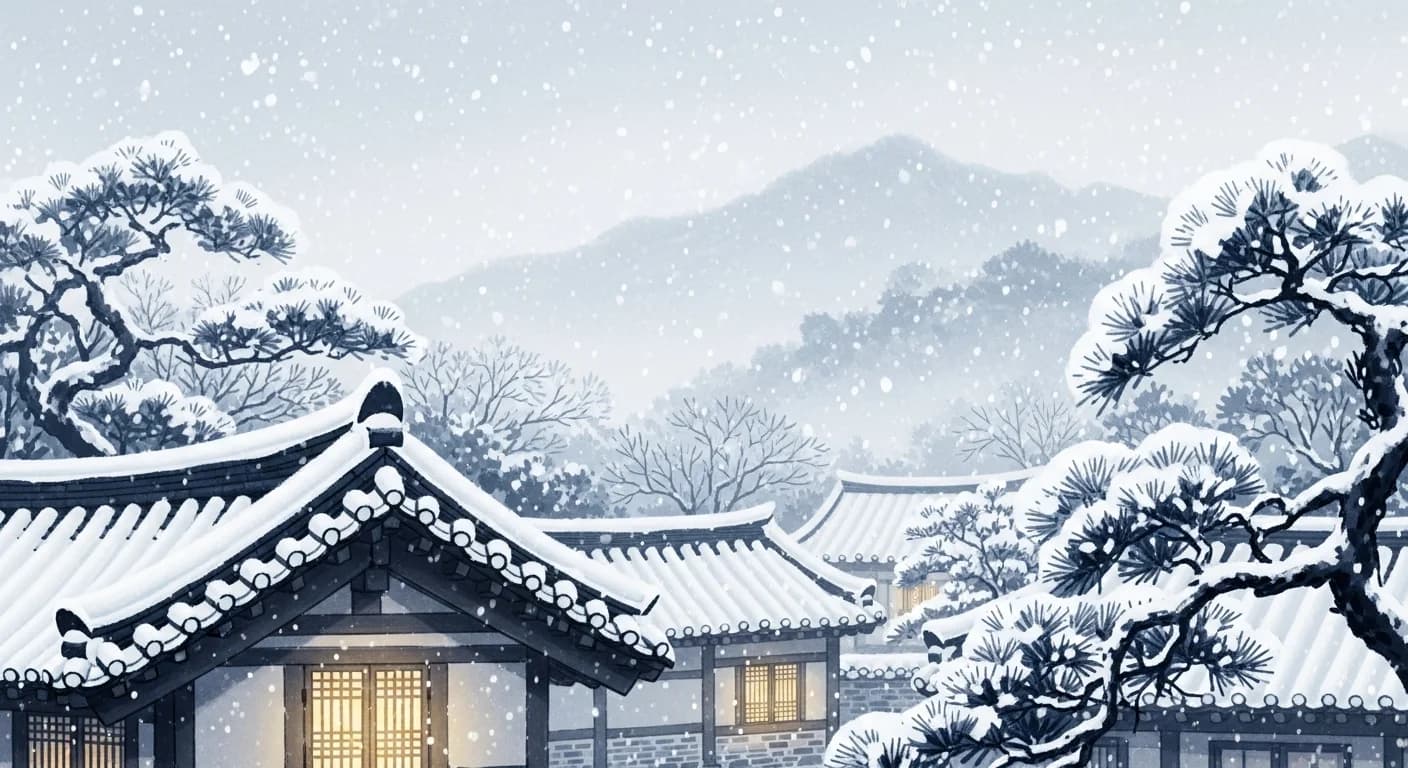
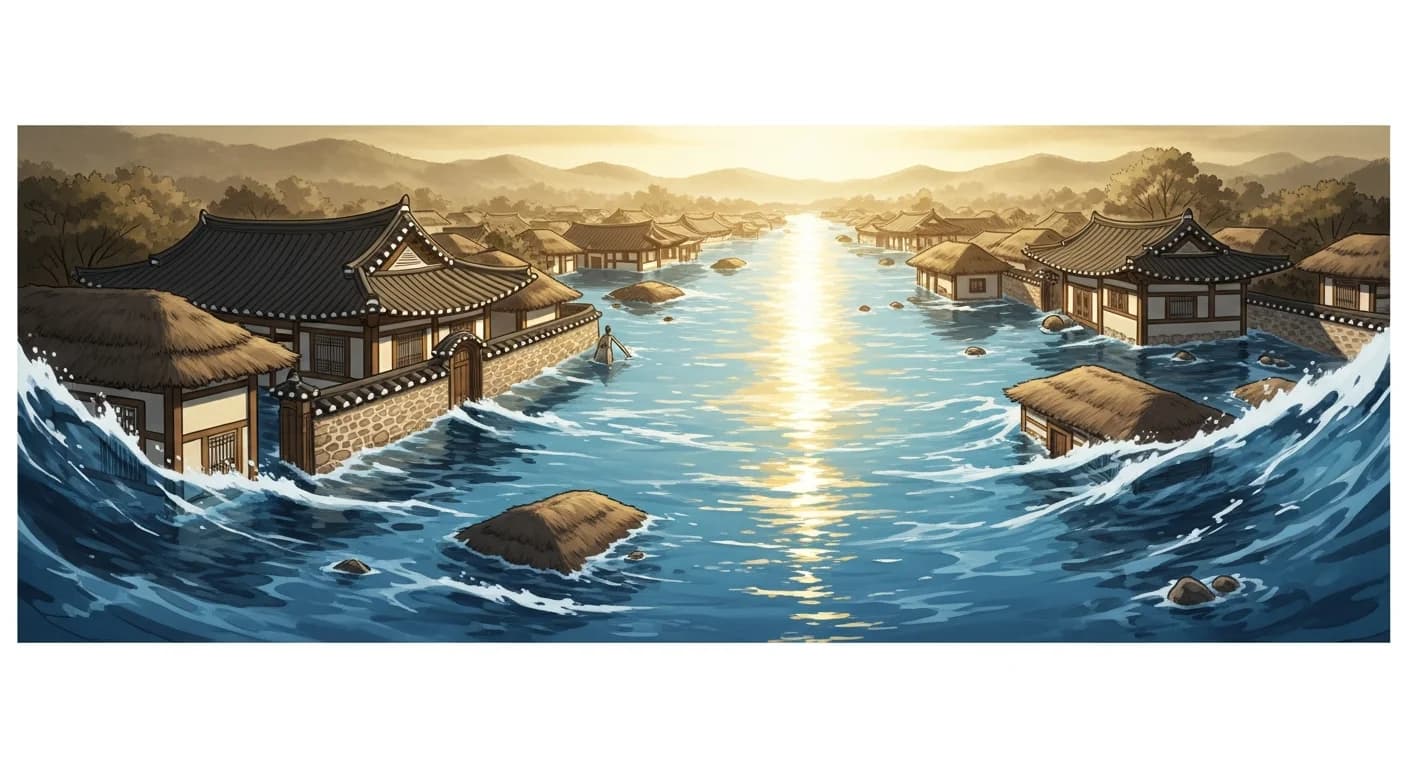
An ice dream captures the moment something in your life has frozen solid. In Korean dream tradition, the meaning shifts dramatically depending on what the ice is doing: melting into spring water, cracking underfoot, holding you still, or pressing in from all sides. Ice is water paused — and in Korean folk belief, what is paused will eventually flow again. This guide walks through every major ice dream scenario, from the most auspicious signs of resolution to the most urgent warnings of fragility.
Auspicious Ice Dreams — Signs of Resolution and Renewal
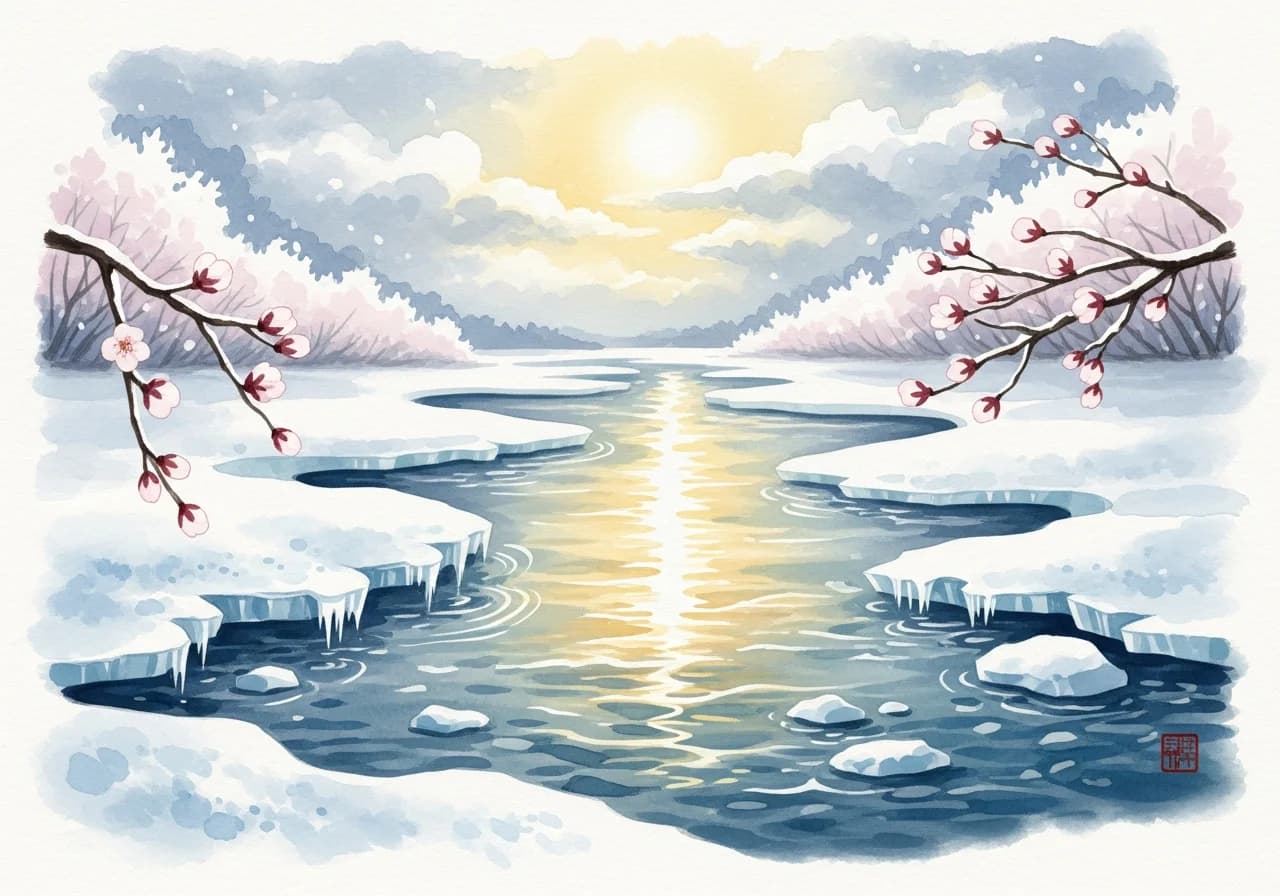
The most positive ice dreams center on thawing and breaking through. Dreaming of frozen water melting into a clear, flowing stream is a classic auspicious omen in Korean tradition. It signals that long-standing emotional conflicts, stalled relationships, or blocked projects are finally finding resolution. What has been frozen is beginning to move. Equally auspicious is the dream of breaking through ice for a cold water scrub and feeling refreshed rather than chilled. The absence of cold despite the ice is significant — it means you will overcome the very thing that has frozen your progress, particularly in work or business. Watching thick ice gradually thaw and flow like spring water carries the symbolism of winter becoming spring: recovery from illness, mending of relationships, and financial improvement are all encompassed in this broadly positive dream of fresh beginnings.
Inauspicious Ice Dreams — Warnings of Isolation and Danger
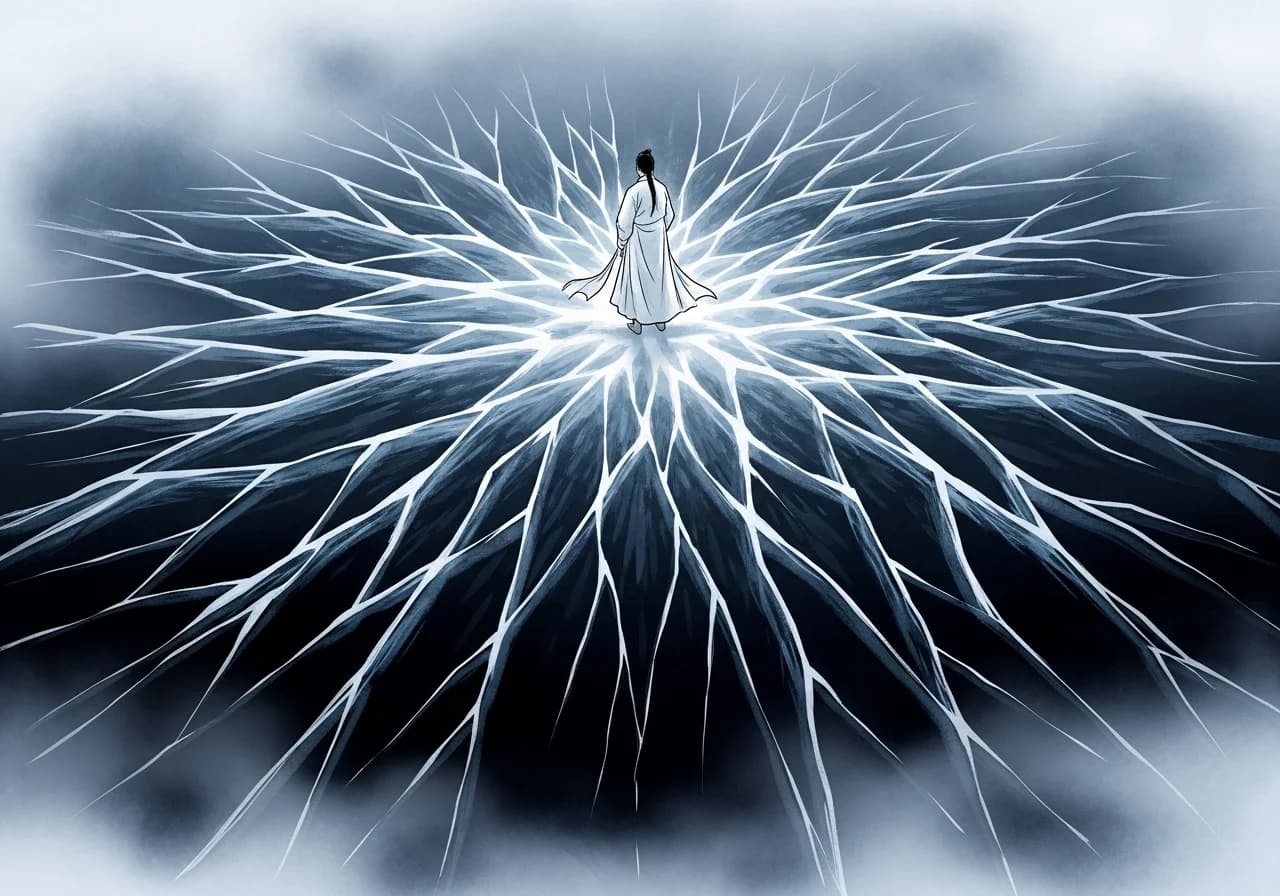
Ice becomes an omen of warning in four key scenarios. First, being trapped inside ice — frozen solid and unable to move — warns of emotional isolation, social detachment, or a paralysis brought on by extreme psychological pressure. It reflects a waking state of burnout or disconnection from those around you. Second, the dream of walking on ice that suddenly cracks and plunges you into dark water is one of the most vivid warning dreams in Korean tradition. The Korean idiom 살얼음판 ('thin ice') for dangerously precarious situations maps directly here: what appears stable — a business deal, an investment, a relationship — is in fact fragile and could collapse without warning. Third, striking ice with full force and being unable to crack it reflects a stubborn, immovable obstacle — a goal no effort can achieve, or an opponent who refuses to yield. Finally, eating ice is traditionally interpreted as a health warning: depleted vital energy, often from overwork or unchecked stress.
Cultural Context — Thin Ice and the Cycle of Spring
In Korean traditional dream interpretation, ice represents water — the symbol of wisdom, flow, and life force — in a frozen, arrested state. In the East Asian Five Elements framework, water (水) governs intellect and adaptability; its transformation into ice signals a temporary blockage of these qualities. Crucially, Korean folk tradition does not see winter and ice as endings but as the necessary pause before spring — the freeze always precedes the thaw. This cyclical worldview infuses ice dream symbolism with inherent hope: what is frozen will melt. The Korean idiom 살얼음판을 걷다 ('walking on thin ice') is widely used to describe precarious situations, and this cultural metaphor maps directly onto ice-walking dreams, giving them an immediate, visceral meaning to Korean dreamers.
Dream Variations
Dreaming of a Completely Frozen River
A river frozen solid, its current halted, represents stagnation in ongoing projects or relationships. Progress has stopped. If you observed the frozen river calmly in the dream, it may be a message to pause and reassess your situation with a clear, cool head before pushing forward.
Dreaming of Ice Melting
Ice melting is one of the most auspicious water dreams. It signals resolution: a stalled deal finally closes, a cold relationship thaws, health begins to recover. Whatever has been frozen or blocked in your life is beginning to flow freely again.
Dreaming of Eating Ice
Eating ice warns of deteriorating health, often linked to overwork or unchecked stress. The act of taking cold inside your body symbolizes depleted vital energy. This dream urges you to prioritize sleep, rest, and self-care before physical symptoms appear.
Dreaming of Ice Cracking or Breaking
Ice cracking has two faces. If the ice breaks beneath you without warning, it signals instability and hidden danger in your current plans. If you are actively cracking or breaking ice with purpose, it symbolizes dismantling obstacles and forging a path forward — a more positive omen.
Dreaming of Walking on Ice
Walking on ice reflects the precariousness of your current situation — you are navigating a fragile, uncertain environment with great care. The Korean idiom for treading on thin ice maps exactly onto this dream. It is a message to proceed cautiously, especially regarding important decisions, financial matters, or sensitive interpersonal situations.
Dreaming of Being Trapped in Ice
Being frozen or encased in ice — immobilized — symbolizes emotional isolation, social detachment, or a feeling of profound helplessness under pressure. You may be suppressing feelings or cutting yourself off from others. The dream is a signal to seek connection and allow yourself to express what has been locked inside.
Dreaming of Making Ice
Making or freezing ice reflects a desire to control fluid, chaotic situations — to impose order on what feels unstable. On a positive note, it shows a strong, stabilizing will. As a caution, it may indicate you are suppressing emotions too rigidly or presenting a cold front in relationships.
Dreaming of Snow and Ice Together
Snow and ice appearing together often represent purity, stillness, or emotional cooling. A serene, beautiful winter landscape suggests a need for rest and inner cleansing. But if you are trapped in a blizzard or locked in by ice and snow, it intensifies the symbolism of isolation and mounting hardship.
Dreaming of Drinking Ice-Cold Water
Drinking ice-cold water carries dual meanings. If the water is icy and unclean, it warns of health or emotional strain. But clear, clean, intensely cold water can represent mental clarity, renewed insight, or the sharp alertness of a fresh perspective. The purity of the water is the deciding factor.
Cultural Context
In Korean traditional dream interpretation, ice represents water — the symbol of wisdom, flow, and life force — in a frozen, arrested state. In the East Asian Five Elements framework, water (水) governs intellect and adaptability; its transformation into ice signals a temporary blockage of these qualities. Crucially, Korean folk tradition does not see winter and ice as endings but as the necessary pause before spring — the freeze always precedes the thaw. This cyclical worldview infuses ice dream symbolism with inherent hope: what is frozen will melt. The Korean idiom 살얼음판을 걷다 ('walking on thin ice') is widely used to describe precarious situations, and this cultural metaphor maps directly onto ice-walking dreams, giving them an immediate, understood meaning to Korean dreamers.
Western Psychological Perspectives
Western psychology reads ice dreams through multiple lenses, each revealing a different facet of the frozen imagery. From a Freudian perspective, ice symbolizes repressed emotions — particularly blocked libidinal energy or emotional coldness that has been suppressed into the unconscious. Unresolved conflicts frozen out of conscious awareness manifest as ice imagery, and being trapped in ice can represent the ego's aggressive suppression of id-driven impulses that demand expression. Jungian analysis sees ice as the inaccessible or fixed regions of the unconscious — aspects of the Shadow not yet integrated into conscious life. Ice melting signals a breakthrough in the individuation process: previously frozen psychological material is becoming available to the conscious self. Ice also symbolizes the rigidity of the Persona — the social mask worn to prevent genuine emotion from showing. Modern psychology connects ice dreams to emotional regulation difficulties, burnout, and the protective numbing that follows chronic stress or trauma. The frozen image reflects emotional paralysis — an inability to feel that is often the psyche's last-resort protection mechanism. From a cognitive-behavioral standpoint, ice-walking dreams are classified as anxiety dreams that directly mirror the dreamer's waking perception of precariousness and risk. Cross-culturally, Western dream dictionaries commonly link ice with emotional coldness, isolation, or resistance to change. In Norse mythology, ice (Niflheim) represents both primordial death and the raw material of creation — a striking parallel to the Korean cyclical view of ice as a precursor to spring. Native American winter and ice dreams often signal a sacred period of inward reflection and restoration — a time to be still before the world reawakens.
Frequently Asked Questions
Ice dreams hold a mirror to the frozen places in your life — emotions held in check, situations that have stalled, relationships grown cold. Whether the ice in your dream was melting into spring water or cracking beneath your feet, the message is rooted in the same truth Korean folk tradition has always known: nothing stays frozen forever. The thaw is coming.