Dream of Killing Bugs — Korean Dream Interpretation & Meaning
If you killed bugs in your dream last night and woke up feeling oddly satisfied, Korean dream tradition has a clear message for you: that sense of relief is not accidental. Dreaming of successfully killing bugs is one of the most direct auspicious omens in Korean folk dream interpretation (꿈해몽), signaling that obstacles blocking your real-life progress are about to be removed. Korean tradition reads bugs as stand-ins for petty adversaries, nagging anxieties, and unresolved conflicts — and destroying them in your sleep is a symbolic purification act rooted in shamanistic ritual. But here's the nuance that matters — not every bug-killing dream is auspicious, and the details of how, what, and what happened after can flip the meaning entirely.
When Killing Bugs Is a Good Omen
In Korean dream interpretation, successfully killing bugs is among the clearest signals that problems currently weighing on you will soon be resolved. The dream most directly relates to personal obstacles — whether that's a difficult colleague, a stalled project, a persistent worry, or an unresolved conflict. The more complete and decisive the killing in the dream, the more thorough the resolution implied.
Killing bugs with a strong physical impact — crushing a large bug by hand or eliminating many with pesticide — adds a financial dimension. This variation is read as a sign of business success, unexpected windfall, or a significant professional breakthrough. Removing bugs that were attached to or inside your own body carries the most personal significance: it suggests that deeply rooted negative habits or emotional baggage are finally being shed, opening the door to genuine personal renewal.
When Killing Bugs Is a Warning Sign
The dream turns inauspicious when the bugs simply refuse to die. If you try everything and they keep moving, reviving, or multiplying, the dream is warning you that a current conflict or problem will not resolve easily. Persistent interference from others — or a pattern of stubborn setbacks — is signaled. The message is less about impending doom and more about recalibrating your approach.
Finding already-dead bugs — without being the one who killed them — is also read as a caution flag. Unlike the empowered act of killing, stumbling upon dead bugs signals a difficult period approaching and calls for mindfulness around health and finances. A dream where killing bugs leaves you feeling disgusted or uneasy is interpreted as neutral: the will to resolve things is there, but the process may carry unexpected costs or emotional burden.
The Financial Dimension — How You Killed Them Matters
In Korean dream lore, the method and intensity of the killing is directly connected to the financial interpretation. A forceful kill — visible impact, blood, or a strong physical sensation — points toward significant monetary gain. Using pesticide or spray to eliminate a large number at once is one of the most financially positive dream scenarios, suggesting multiple income streams or problem resolutions arriving simultaneously.
The silverfish (돈벌레, literally 'money bug') is a special case. Because this insect is symbolically linked to household wealth in Korean folk tradition, killing one in a dream can cut both ways: it may represent clearing financial pests from your life, or it may warn of money slipping through your fingers. Context and the emotional tone of the dream are the deciding factor here.
Dream Variations
Dream of Killing a Cockroach
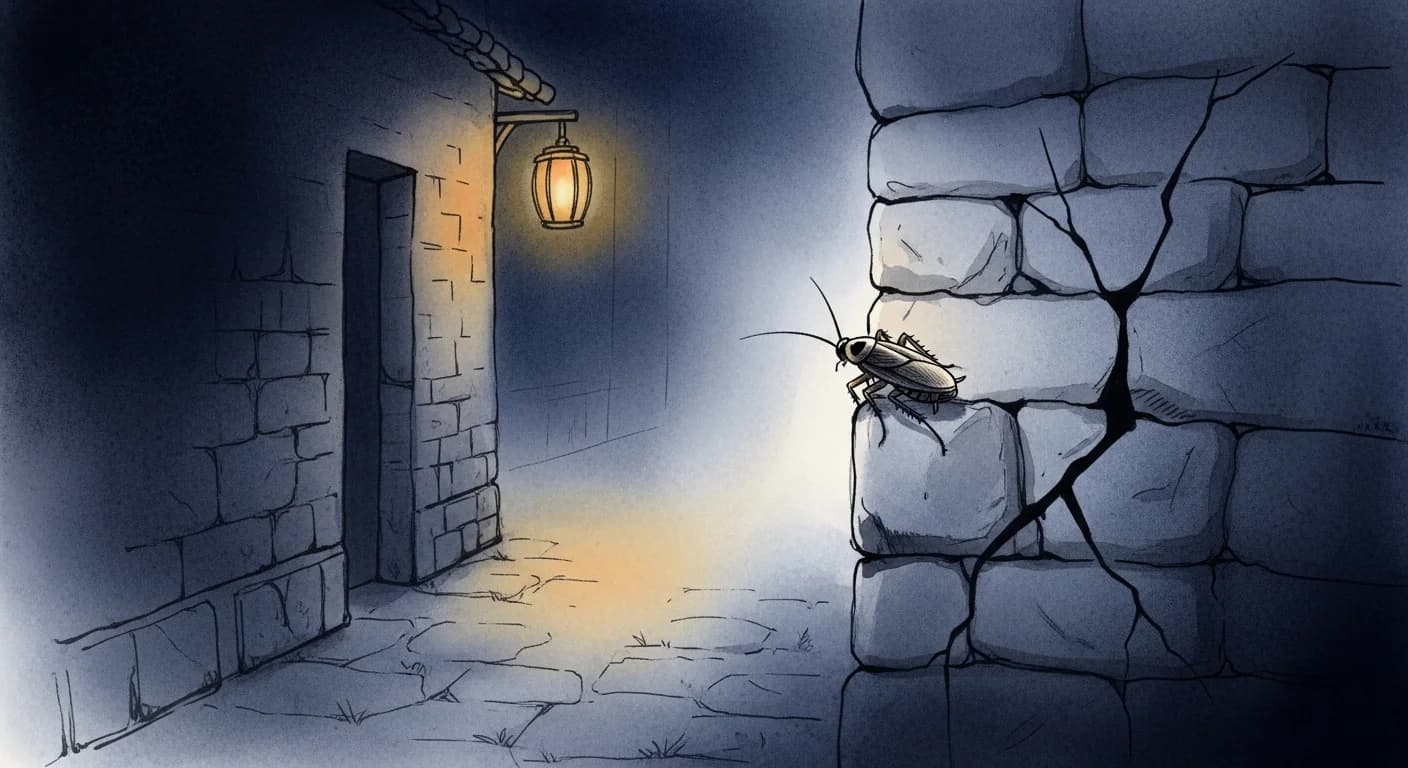
Killing a cockroach boldly in a dream is a strong auspicious sign that obstacles blocking your path will be removed and life will proceed more smoothly. It also represents emotional liberation — freedom from an irritating person or situation that has been causing persistent stress. The more decisively you killed it, the more complete the resolution implied.
Dream of Killing Ants
Killing ants carries a nuanced interpretation. Since ants traditionally symbolize wealth and collective effort, killing them can warn of missing small but meaningful opportunities or damaging cooperative relationships. However, if the ants were invading your home or workspace, eliminating them reads positively — clearing minor irritations and restoring order to your environment.
Dream of Killing Many Bugs at Once
Eliminating a large number of bugs simultaneously — especially with spray or pesticide — is a particularly powerful good omen. It suggests that multiple problems at work or in life will be resolved in one stroke, and may also point to an unexpected financial gain or breakthrough that untangles a complicated multi-front situation.
Dream Where Bugs Won't Die
Bugs that refuse to die despite your best efforts signal that a current problem or conflict will prove stubborn and resistant to resolution. Persistent interference or repeating setbacks are likely. The dream is less a condemnation and more a strategic advisory — your current approach is not working and a change of tactic is needed.
Dream of Killing a Large Bug
Crushing a large, intimidating bug by hand or with great force is a dream of complete liberation from long-standing psychological burden. The size of the bug corresponds to the scale of the anxiety being released. This is a strongly auspicious dream signaling that a major obstacle is being overcome and that renewed stability and a significant leap forward are within reach.
Dream of Killing a Venomous Insect
Killing a venomous or harmful insect in time is interpreted as averting a health threat or disease before it takes hold. It can also represent successfully neutralizing a threatening rival or adversary — someone who has been working against you in waking life. The element of timing (before the insect could strike) is significant: you acted with good instinct.
Dream of Stepping on and Crushing a Bug
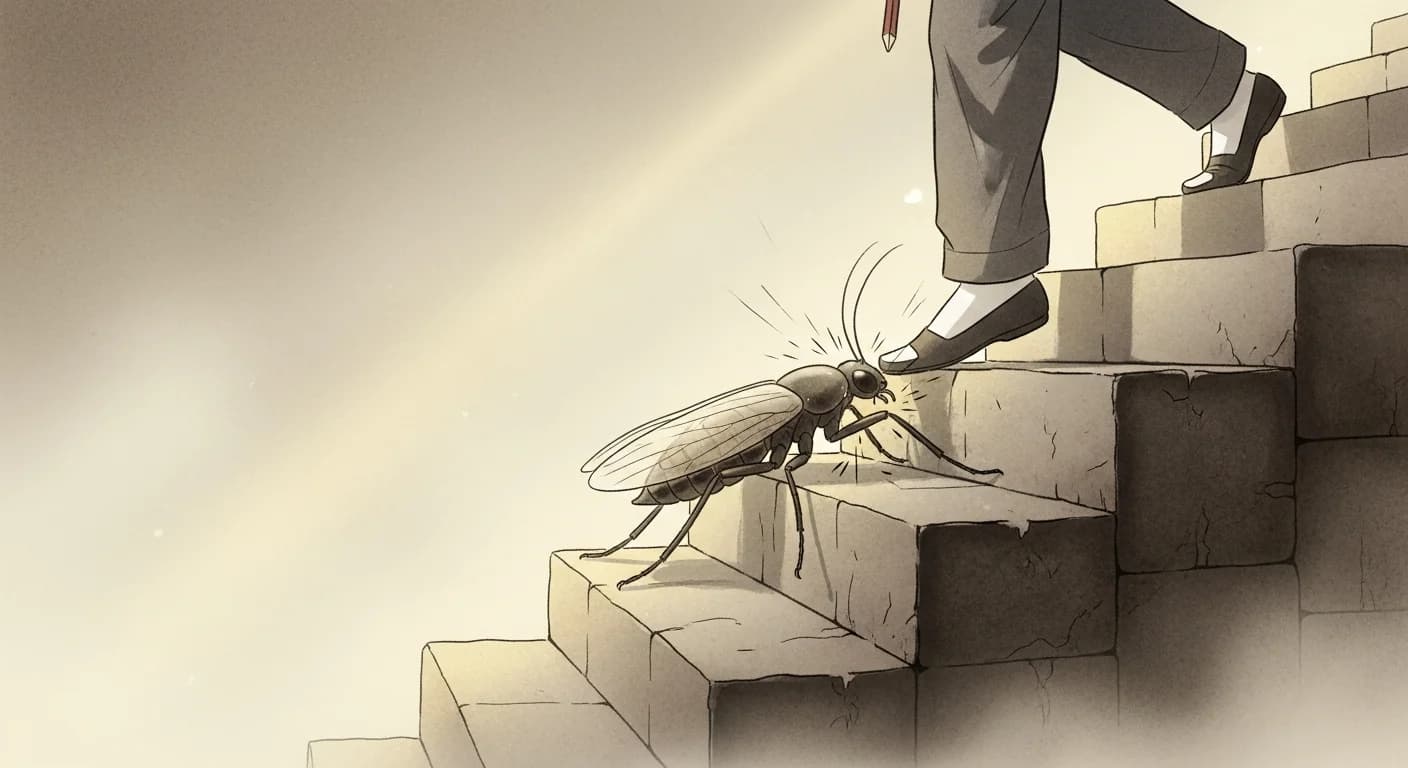
Stepping on and crushing a bug underfoot symbolizes breaking free from a cycle of negative thinking or emotional stagnation. The physicality of the act — treading something underfoot — represents grounded, confident forward movement. It is an auspicious sign that small obstacles on your path will be cleared and eventual success is within reach.
Dream of Killing a Silverfish (돈벌레)
The silverfish — called '돈벌레' (money bug) in Korean — carries unique financial symbolism. Killing one can be read as a warning of financial loss or wealth slipping away, since the creature is culturally associated with household money. Some interpretations, however, see it positively as clearing a financial pest. The emotional tone of the dream and what followed are the key factors in determining which reading applies.
Cultural Context
In Korean folk dream tradition, bugs carry two overlapping symbolic meanings. They represent 'petty adversaries' (소인, so-in) — minor opponents, envious rivals, or irritating complications in daily life — and they also embody internalized anxiety and unresolved inner tension. The act of killing bugs in a dream resonates directly with shamanic purification rituals (무속 정화 의식), where expelling negative energy or impurity from the body is a central act. In traditional Korean folk belief, bugs were small but insidious — capable of silently gnawing away at grain, fabric, or health if left unchecked. Decisively killing them in a dream was therefore understood as a symbolic assertion of total control over that threat: a psychic and even magical declaration that the threatening force has been vanquished. This interpretation is broadly consistent across Korean, Chinese, and Japanese traditional dream lore, where pest elimination reliably signals problem resolution and restored personal power.
Western Psychological Perspectives
Western psychology offers several complementary lenses for understanding bug-killing dreams, each illuminating a different dimension of what the sleeping mind is working through.
From a Freudian psychoanalytic perspective, bugs in dreams represent repressed anxiety, disgust, or guilt lodged in the unconscious mind. The act of killing them symbolizes the ego's attempt to suppress or eliminate these uncomfortable drives. Freud would likely read such a dream as the mind enacting an aggressive resolution of internal conflict — a conflict the dreamer finds too difficult or threatening to confront directly while awake.
Carl Jung's analytical psychology offers a richer frame. Bugs represent the Shadow archetype — those aspects of the self that the conscious ego refuses to acknowledge, such as feelings of inadequacy, repressed aggression, or moral failure. Killing bugs in a dream signifies a direct confrontation with the Shadow, which Jung identified as an essential step in the individuation process: the lifelong journey toward psychological wholeness. Rather than mere suppression, this dream may reflect the dreamer's growing readiness to face and integrate the denied parts of themselves.
Modern cognitive neuroscience frames these dreams differently: as the brain's threat simulation system running during REM sleep. The amygdala — the brain's fear-processing center — is highly active during this phase, and successfully eliminating a threat in the dream state is associated with increased real-world problem-solving confidence. People under sustained stress or dealing with unresolved conflicts are particularly prone to these dreams. The brain is, in a sense, rehearsing resolution.
Despite their different frameworks, both the Korean folk tradition and Western psychology converge on the same core symbolism: eliminating an unwanted, threatening force from your dream space brings relief, renewed confidence, and forward momentum. The vocabulary differs; the insight is the same.
Frequently Asked Questions
The dream of killing bugs is one of Korean dream tradition's most direct and actionable messages. If you successfully dispatched the bugs — especially with force and a sense of relief — take it as a meaningful signal that current obstacles are yielding. Recall the details: what kind of bug, how you killed it, and how you felt afterward. Each variable sharpens the reading. The convergence of a centuries-old folk tradition and modern neuroscience on the same basic insight is worth noting: clearing threats — real or symbolic — restores confidence and opens the door to what comes next.