
Dream of Losing — When Defeat in Dreams Signals a Reversal in Life
Losing in a dream feels awful in the moment. But in Korean folk dream interpretation, that defeat might be exactly what you want to see — because of a longstanding tradition called the 'reverse dream' (반몽), where losing in a dream often heralds a surprising win in real life. That said, there's a catch: the emotions you feel during the dream can flip the meaning entirely.
Auspicious Reading — The Reversal Dream
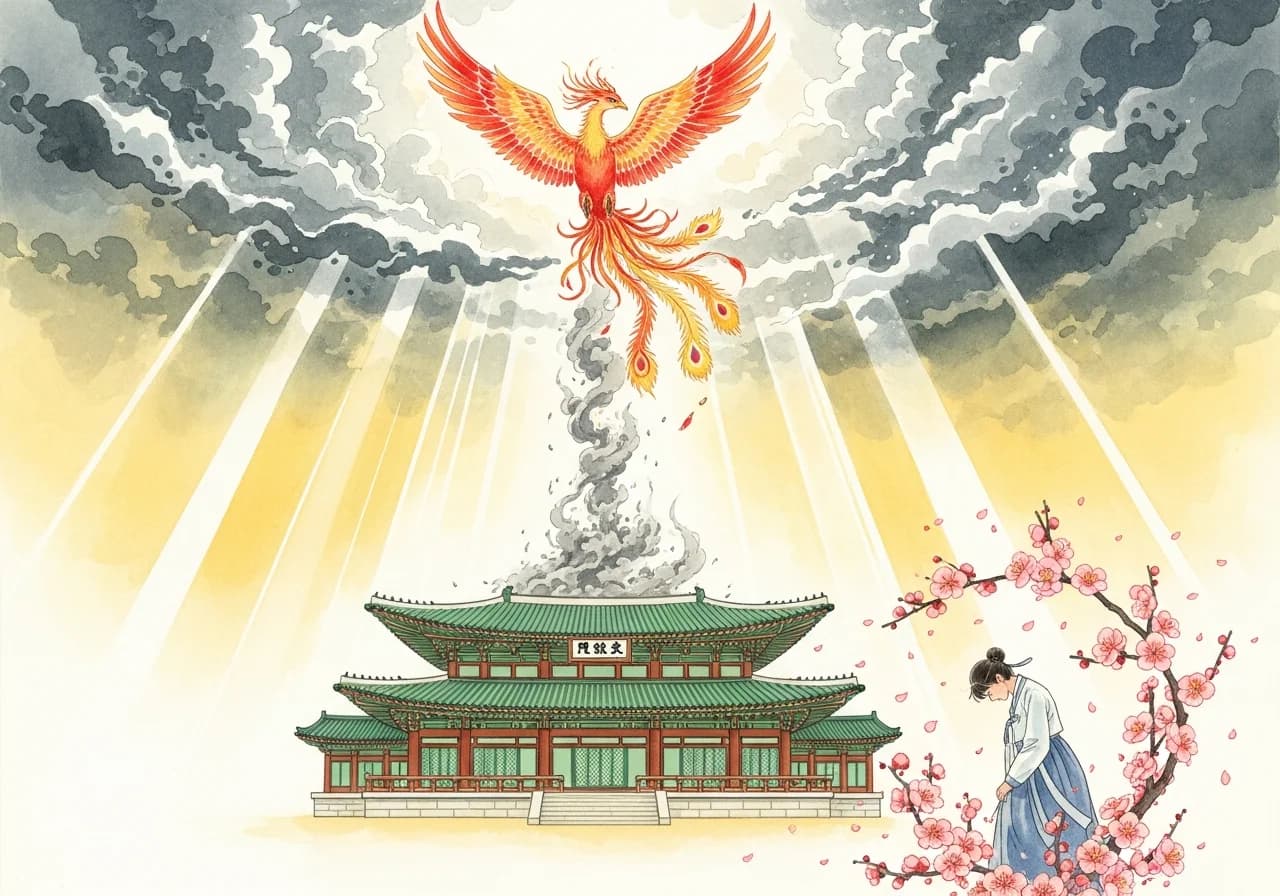
In Korean traditional dream culture, losing a game, match, or fight in a dream is frequently considered an auspicious sign — one of the more welcome ones, in fact. The principle at work is called 반몽 (banmong), or 'reverse dream,' which holds that what happens in the dream is the opposite of what happens in waking life.
Losing a competition in a dream can mean unexpectedly good outcomes in reality, or an improved relationship with a rival. Losing a fight is said to herald the resolution of long-standing worries and personal conflicts — as if the dream burns through the trouble so real life doesn't have to. Losing at a game specifically is interpreted as a sign that the coming period will be particularly enjoyable and fulfilling.
Failing an exam in a dream is especially rich in reverse symbolism: traditional interpretation holds that dreaming of failing a job interview means you'll get the job, and dreaming of confirmed exam failure predicts a top-rank pass. The bigger the defeat in the dream, the more dramatic the reversal in waking life — or so the tradition goes.
Inauspicious Reading — When the Dream Warns Directly

Not every losing dream carries good news. When the reverse-dream principle doesn't apply — a reading called 직몽 (jikmong), or 'direct dream' — the defeat in the dream reflects a genuine warning for waking life.
If you felt intense fear, humiliation, or despair during the dream, this emotional signature suggests the dream is working as a direct warning rather than a reversal. Losing at gambling in a dream can warn of real financial misjudgment or upcoming losses. Losing a fight when the opponent was using weapons or had an overwhelming advantage warns of discord, betrayal, or weakening luck in personal relationships.
Dreaming of losing an election is interpreted as a distinctly inauspicious sign of declining interpersonal fortune — it can signal a crack forming in an important friendship, loss of trust, or social isolation in the near future. Recurring dreams of losing, especially at the same thing, suggest that chronic competitive pressure or persistent self-doubt in waking life needs to be addressed directly.
Reading the Dream — Emotions Are the Key
The single most important factor in interpreting a losing dream is not what you lost, but how it felt to lose. The basic principle: calm or even-keeled acceptance after losing points toward an auspicious reverse dream; intense despair, anger, or humiliation points toward a direct warning.
The identity of your opponent also matters. Losing to a stranger may reflect anxiety about external circumstances or unknown challenges; losing to someone you know suggests a shift in the dynamics of that specific relationship. The type of competition matters too — a strategy game or sport tends to reflect intellectual or achievement-related anxieties, while gambling suggests concerns about financial judgment.
If you lost but gave everything right up to the end, this is considered a hopeful sign in itself — that perseverance and integrity in real life will ultimately earn recognition, even if the immediate outcome looks like defeat.
Dream Variations
Losing a Competition in a Dream
Dreaming of losing a competition reflects strong real-life competitive pressure and desire for success. By the reverse-dream principle, this can mean unexpectedly good outcomes in reality, or developing a surprisingly positive relationship with your rival. If you competed fiercely in the dream despite losing, this fighting spirit may earn recognition in real life.
Failing an Exam in a Dream
Failing an exam in a dream is often considered auspicious by the reverse-dream principle. Dreaming of failing a job interview predicts getting the job; dreaming of confirmed exam failure predicts finishing first. However, intense anxiety or despair in the dream may signal a need to honestly confront fear of failure in your preparations.
Losing a Fight in a Dream
Losing a fight in a dream has two competing interpretations. As a reverse dream, it can signal that many real-life troubles and worries will soon be resolved. As a direct dream, it warns of financial loss, poor decision-making, or worsening personal relationships. The emotions felt and identity of the opponent are key to accurate interpretation.
Losing at a Board or Video Game in a Dream
Losing at a board or video game in a dream often portends an enjoyable period ahead. However, losing at a gambling-style game can directly warn of financial loss or a lapse in judgment. Consider the type of game and the overall emotional atmosphere of the dream when interpreting it.
Losing an Election in a Dream
Dreaming of losing an election signals declining interpersonal fortune. It can warn of betrayal by a friend, a crack in an important friendship, growing loneliness, or weakening social support. The dream urges greater care in managing relationships and maintaining trust with those around you.
Losing a Sports Match in a Dream
Losing a sports match or striking out in a game reflects diminishing self-confidence and worry about failure. It can warn that small mistakes may derail a larger project or competitive effort. However, if you fought hard until the end despite losing, this foretells that perseverance and dedication will ultimately earn recognition in real life.
Cultural Context
In Korean traditional dream culture, interpretations follow two main principles: the 'direct dream' (직몽), where the dream content is taken at face value, and the 'reverse dream' (반몽), where the outcome in dreams signals the opposite in waking life. Dreams of losing are a prime example of both principles coexisting in one symbol.
Historically, Koreans viewed dreams as divine omens or messages from ancestral spirits, and dreams dreamed on the eve of important exams or competitions were taken especially seriously — family members would watch carefully for what the exam-taker dreamed, hoping for a reverse-dream sign of success.
The belief that a dream of defeat can carry the energy of reversal resonates deeply with the Korean cultural concept of 'Han' (한) — a uniquely Korean emotional register that encompasses suppressed sorrow, resentment, and the enduring will to overcome. The idea that suffering precedes reversal, and that the underdog eventually triumphs, is embedded in Korean folk stories, proverbs, and, naturally, dream interpretation. This gives the losing dream a uniquely Korean interpretive dimension rooted in resilience and the expectation of eventual triumph.
Western Psychological Perspectives
Western psychology approaches the dream of losing from a completely different angle — but with equally revealing insights.
From a Freudian perspective, a dream of losing may be a disguised expression of repressed unconscious wishes. While the manifest content shows defeat, the latent content could involve a desire to challenge authority or competition, or even an unconscious wish to escape responsibility through failure. Recurring losing dreams may also connect to suppressed feelings of inferiority or competitive experiences from childhood that were never fully processed.
In Jungian analytical psychology, a dream of losing represents an encounter with the Shadow — the repressed, unacknowledged aspects of the self. Rather than treating this as a negative dream, Jung viewed such confrontations as invitations to psychological growth. Facing and integrating the Shadow — symbolized by the adversary who defeats you — is central to the process of individuation, or achieving psychological wholeness. The identity of who defeats you in the dream can offer valuable insight into which aspects of yourself need recognition and reconciliation.
Modern sleep psychology views dreams of losing as part of emotional regulation and memory processing during REM sleep. Researchers including Matthew Walker describe REM sleep as 'overnight therapy,' during which the brain safely reprocesses stressful and fearful emotional memories. A dream of losing is therefore the brain's natural way of processing competitive anxiety — not necessarily a bad omen, but a sign of emotional resilience and healthy psychological processing.
Cross-culturally, dreams of losing are a universal human experience. Western psychological traditions tend to interpret them as expressions of self-doubt and anxiety about control, while East Asian traditions lean toward reading them as harbingers of reversal and good fortune. Indigenous North American and European traditions often view defeat in dreams as a visitation from a 'teaching spirit,' carrying a message for personal growth. This cross-cultural pattern suggests that the dream of losing carries a deep archetypal meaning: it challenges the dreamer to confront their relationship with failure and resilience.
Frequently Asked Questions
A dream of losing is rarely just a bad dream. In Korean folk tradition, defeat in a dream is frequently the universe's roundabout way of signaling a coming reversal — the harder the fall in the dream, the bigger the comeback in waking life. The key is to pay attention to how the loss felt: calm acceptance suggests good things ahead, while profound despair signals a need to examine what's weighing on you in real life. Either way, this dream is an invitation to reflect on your relationship with failure, competition, and resilience — and that kind of self-awareness is always a good thing.
Related Dreams

Winning Dream Interpretation — The Message Behind Victory in Dreams

Dream of Taking an Exam — What Is Your Subconscious Telling You?

Fighting Dream Meaning — Why Korean Dream Tradition Says Fighting Is Often Good News

Being Chased Dream Meaning

Running Dream Meaning: Effort, Direction, and the Flow of Fortune