Dreaming of Someone You Miss — Korean Dream Interpretation for Nostalgia Dreams
If a deceased loved one appeared in your dream last night, smiling warmly and offering you food, Korean dream tradition would consider that one of the luckiest signs you can receive. In Korean 해몽 (dream interpretation), the spirit world and the living are not fully separate — ancestors and the departed are believed to send guidance through the medium of dreams. Here's the critical nuance, though: whether the person in your dream was smiling or weeping changes the interpretation entirely.
Auspicious: Bright Expressions and Warm Reunions
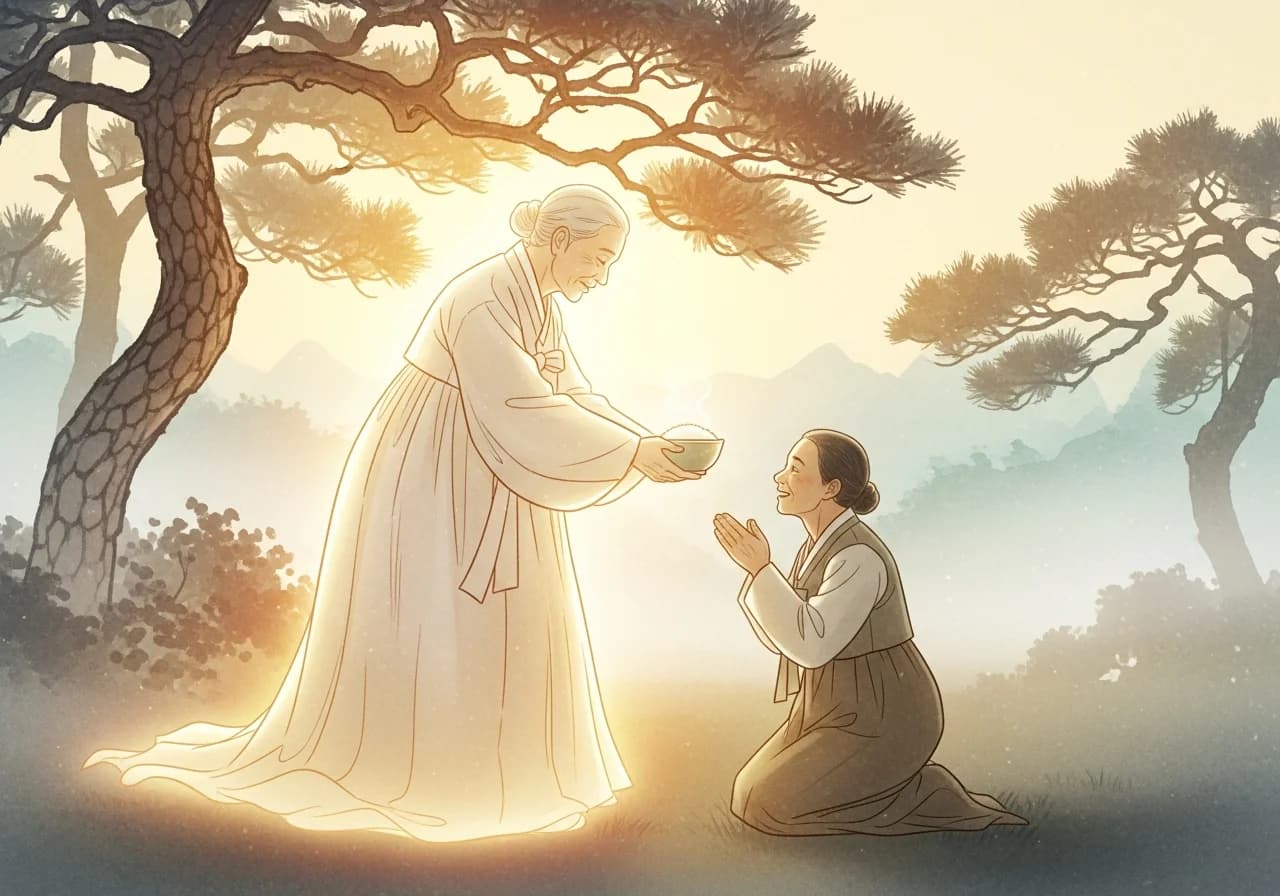
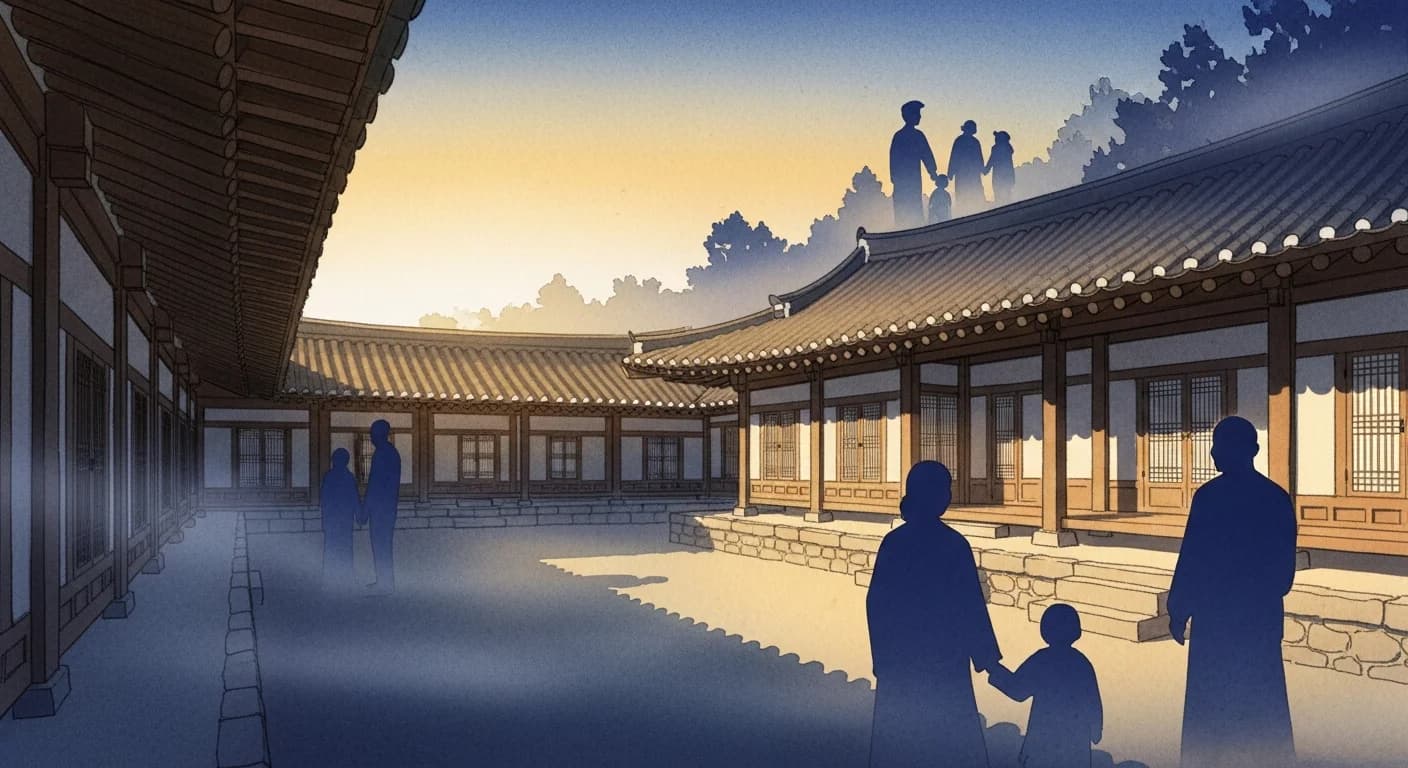
When a longed-for person — especially a deceased parent or ancestor — appears in your dream with a bright, cheerful expression, Korean tradition classifies this as one of the most powerful auspicious omens (길몽) possible. It signals smooth progress ahead, joyful news for the household, and potential gains in wealth, career, or a major life endeavor. The omen grows even stronger if the person in the dream offers food, a gift, or speaks warm words to you. Dreaming of visiting a cherished childhood home, sitting in the main hall, or bowing reverently to parents is also an auspicious sign — commonly linked to good news around admission, promotion, or career advancement.
Inauspicious: Tears, Anger, and the Beckoning Hand
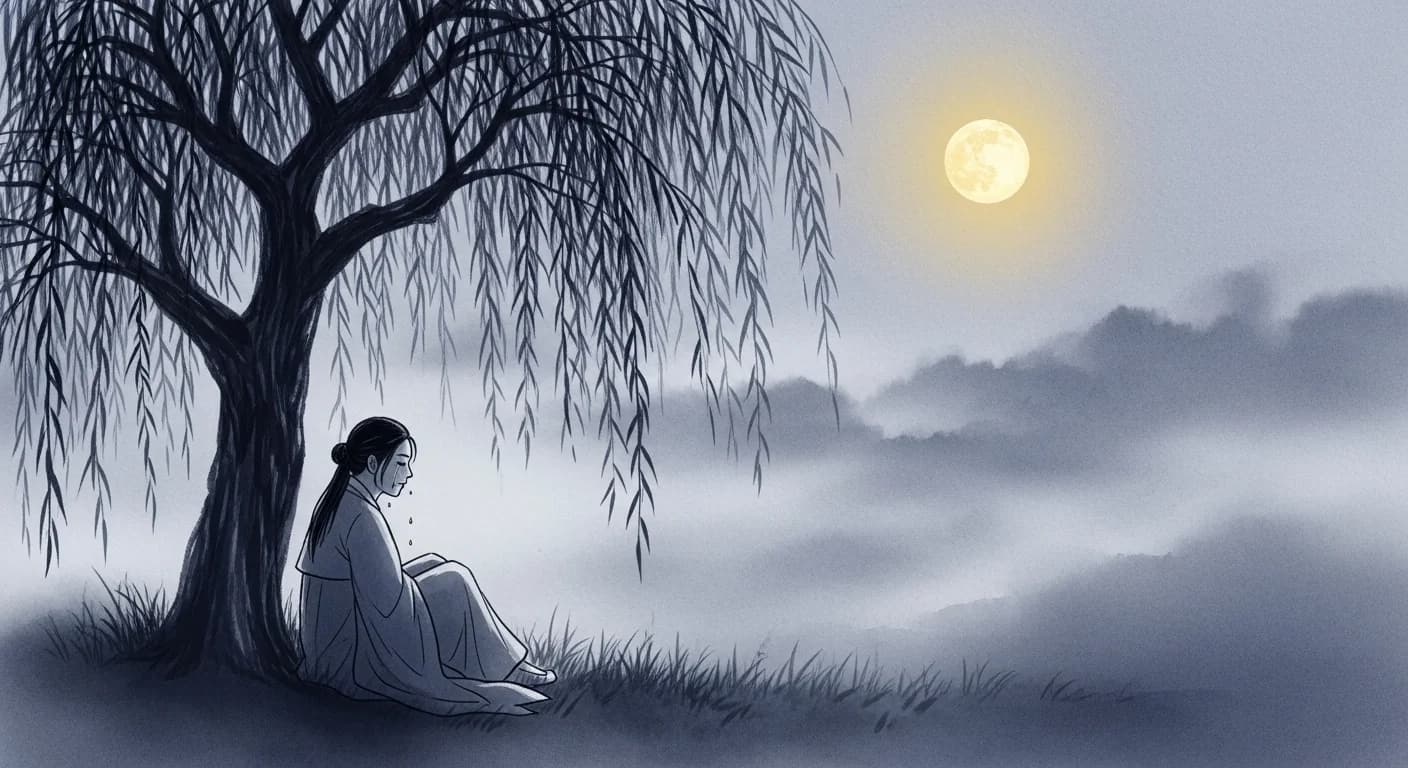
When the longed-for person appears sad, weeping, or angry in your dream — or worse, beckons you to follow them — Korean dream interpretation treats this as a cautionary omen (흉몽). It is understood as a warning to watch over the health and safety of family members, or to brace for unexpected hardship in the near future. Similarly, if a cherished childhood home or hometown appears run-down and desolate rather than warm and inviting, it signals instability or setback ahead. The image of a deceased person calling you toward them is taken most seriously of all: if you experience this dream, a health check-up and checking in with loved ones is strongly advised.
Neutral: When Dreams Process Longing and Fatigue
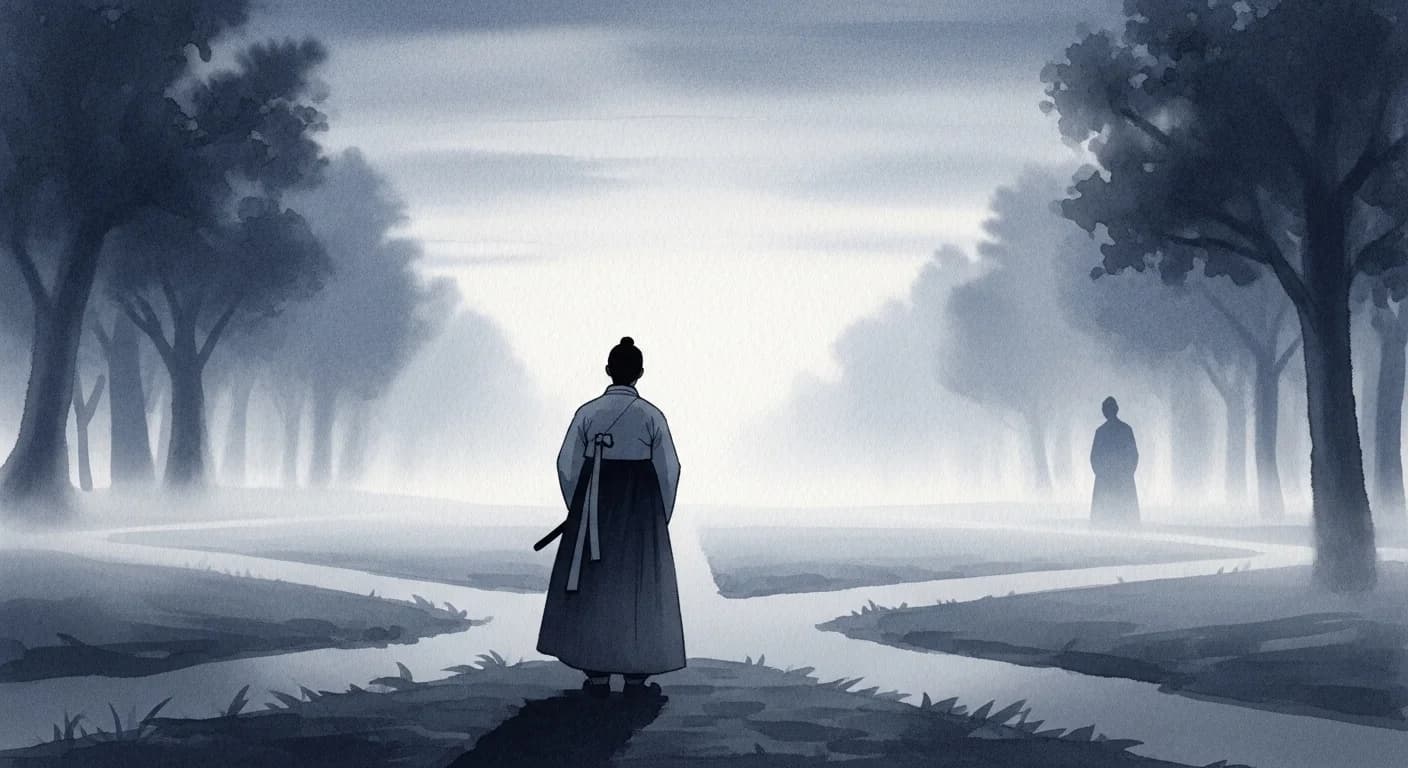
Not every nostalgia dream is a prophetic omen. Quiet reunions with an old friend, wandering through a familiar neighborhood, or simply feeling the warmth of a long-gone time — these kinds of dreams are generally understood as psychological mirrors rather than fortune-tellers. They reflect current mental fatigue and a deep, subconscious desire for a safe haven. If nostalgia dreams recur frequently, they often indicate that you are under more stress than you realize, and your inner self is asking for rest. This is neither good luck nor bad luck — it is your mind's way of tending to unresolved emotion.
Dream Variations
Dream of Missing Deceased Parents
Deceased parents appearing with a warm smile or gentle embrace is an exceptionally auspicious omen for family fortune and harmony. If they appear crying or silently fade away, it is a signal to pay close attention to a family member's health or wellbeing.
Dream of Longing for Deceased Ancestors
Ancestors appearing clearly in a dream — especially when they speak warmly, offer food, or give a gift — signal strong family fortune ahead. The more vivid and cheerful the ancestor's presence, the more powerful the omen. Faint, blurred, or sorrowful ancestors suggest caution is warranted.
Dream of Missing an Ex-Lover
An ex-lover appearing in a dream reflects unresolved emotional attachment. If the two of you are laughing and talking together, it hints at a new romantic beginning or connection. If you quarrel or they turn away from you, it suggests emotional closure is still needed. Recurring ex-lover dreams are commonly explained by modern psychology as the brain processing the pain of separation.
Dream of Longing for Hometown
A hometown appearing in a dream reflects a deep desire to return to safety and familiarity. If it looks bright and well-kept, it foretells improvement and stability in your current circumstances. If it appears desolate or unrecognizable, it reflects a sense of rootlessness or anxiety about change in waking life.
Dream of Missing Childhood
Childhood scenes in a dream signal a wish to escape current pressures and return to a simpler, more innocent time. Dreaming of playing freely as a child can also foretell a new beginning or a renewal of creative energy — an encouraging sign if you are on the verge of a fresh start.
Dream of Missing an Old Friend
A long-lost friend appearing in a dream is sometimes interpreted as a prophetic omen that real contact with that person is imminent, or that good news is on its way. It can also be a signal to reconnect with a forgotten part of yourself — values, passions, or ways of being that you have set aside.
Dream of Being Hugged by Someone You Miss
Being warmly embraced by a longed-for person in a dream is an auspicious omen representing emotional healing and comfort. If you are going through a difficult period, this dream strongly suggests that your circumstances will soon improve. Psychologically, it can also represent self-acceptance and inner healing at work.
Dream of Only Hearing the Voice of Someone You Miss
Hearing a loved one's voice without seeing their face is interpreted in Korean shamanistic tradition as receiving an important message — especially significant if the voice belongs to someone deceased. The content of the message is worth remembering carefully. Psychologically, it may represent your own inner voice or a fading memory rising from the depths of your subconscious.
Cultural Context
In Korean traditional dream interpretation, nostalgia dreams have long been understood as more than psychological events — they are viewed as channels connecting the living world and the spirit realm. Within Korean shamanism (무속 신앙), the concept of 조상감응 (ancestral resonance) holds that ancestors and the deceased can communicate with the living through dreams. This made nostalgia dreams a matter of deep cultural importance, not private sentiment alone. Classic Joseon-era literature reflects this: the poem Songmiin-gok by Jeong Cheol depicts dreaming of a beloved as the highest form of spiritual communion available to a grieving soul. Practically, traditional households read the emotional tone of the dream as an omen — bright expressions for good fortune, dark or sorrowful ones as warnings. The Confucian value of filial piety (효, hyo) deepened these interpretations further, framing dreams of deceased parents as expressions of ancestral care and reinforcing the continuity between the living and the dead.
Western Psychological Perspectives
Western psychology has long taken nostalgia dreams seriously, though through a very different lens than Korean tradition. Sigmund Freud would likely classify them as textbook wish fulfillment — the unconscious mind replaying a desire to reunite with someone or return somewhere that waking life has made impossible. Dreams of deceased loved ones, in Freud's framework, can also represent the ego's refusal to accept loss: a protective mechanism that softens the sharp edges of grief by allowing the mind to experience reunion, however briefly, in the safe space of sleep.
Carl Jung's analytical psychology takes the interpretation deeper. The longed-for person in a nostalgia dream often symbolizes not just themselves, but a lost or suppressed aspect of the dreamer's own psyche — the anima, animus, or shadow. The recurring archetype of homecoming in the collective unconscious represents the drive toward individuation: the integration of past and present selves into a coherent, whole identity. From this view, a nostalgia dream is not backward-looking nostalgia but a forward-pointing psychological invitation.
Modern cognitive neuroscience approaches this differently. During REM sleep, the brain systematically reactivates emotionally charged memories as part of its consolidation and regulatory functions. Unresolved longing — by definition, an emotion that has not found closure — is precisely the kind of material the sleeping brain returns to again and again. Research consistently shows that nostalgia dreams intensify during periods of stress, loss, and major life transitions, which aligns closely with the Korean shamanistic insight that these dreams carry heightened meaning during difficult times.
What is striking is how both Korean tradition and Western psychology agree on the core point: nostalgia dreams are not random noise. Whether interpreted as ancestral communication or emotional processing, both frameworks insist that these dreams carry genuine significance and deserve thoughtful attention.
Frequently Asked Questions
Nostalgia dreams sit at the intersection of longing and meaning — a reminder that the people and places we carry in our hearts find ways to surface, whether as ancestral wisdom, emotional processing, or something harder to name. If your dream visitor arrived with warmth and light, let that feeling carry you forward. If the imagery was dark or unsettling, treat it as a prompt to look more carefully at the people around you. Either way, the dream is telling you something worth hearing.