Quitting Your Job in a Dream: What It Really Means
In Korean dream interpretation, dreaming of quitting your job is most often a good omen. Confidently handing in your resignation and walking out with joy typically foreshadows an upcoming promotion, raise, or positive life shift rather than an actual resignation. There is one crucial nuance, though — the emotional tone of the dream flips the interpretation entirely, from fortune to warning.
When a Quitting Dream is a Good Omen

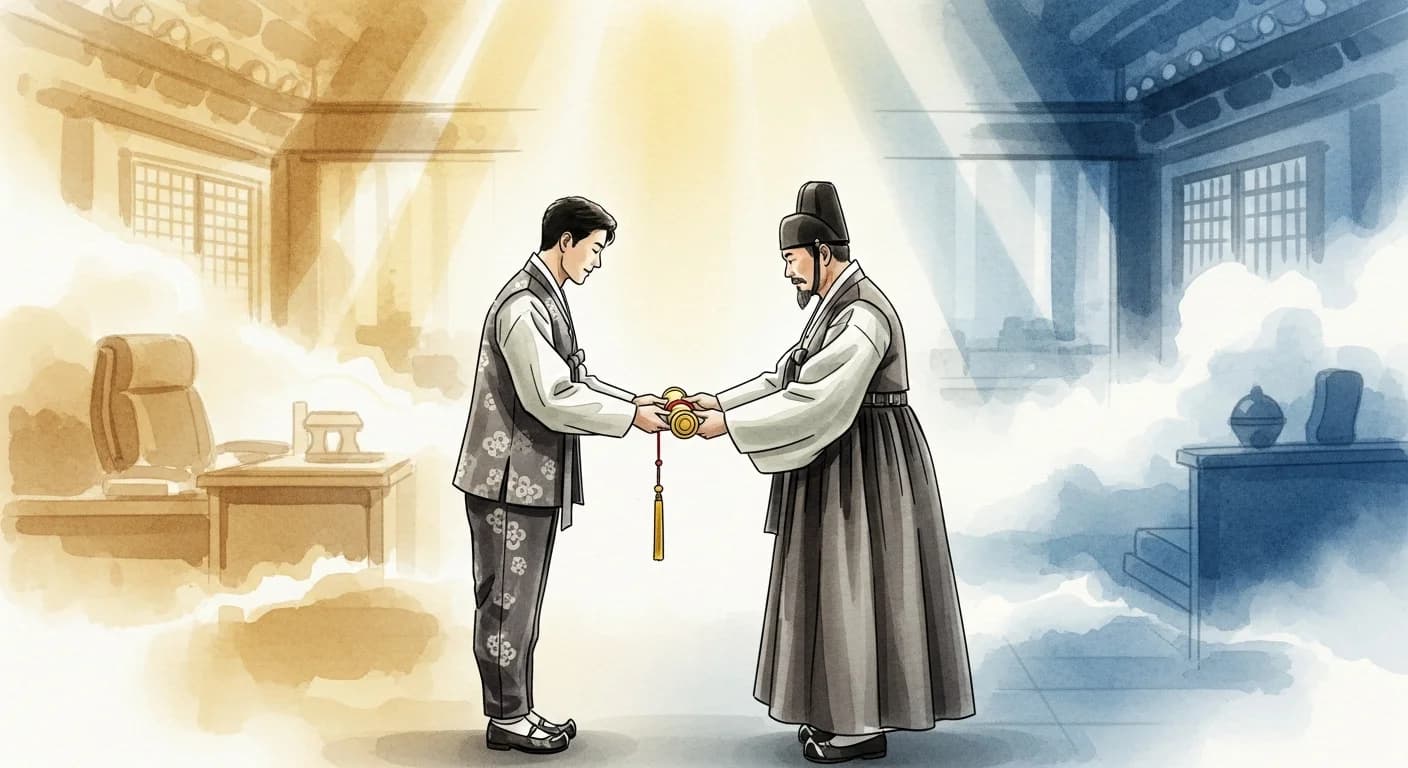
Confidently handing in your resignation letter, leaving work with joy, or immediately landing a new job after quitting are classic auspicious signs in Korean dream interpretation. The traditional logic is counterintuitive: an 'ending' in a dream often signals a 'new beginning' in waking life — not literal termination, but upward movement.
Dreams in which colleagues cheer your departure reflect a strong reputation and harmonious workplace relationships. They suggest you will be recognized and supported as you advance to the next chapter. If you also receive severance pay in the dream, an unexpected financial windfall may be on the horizon.
When a Quitting Dream is a Warning
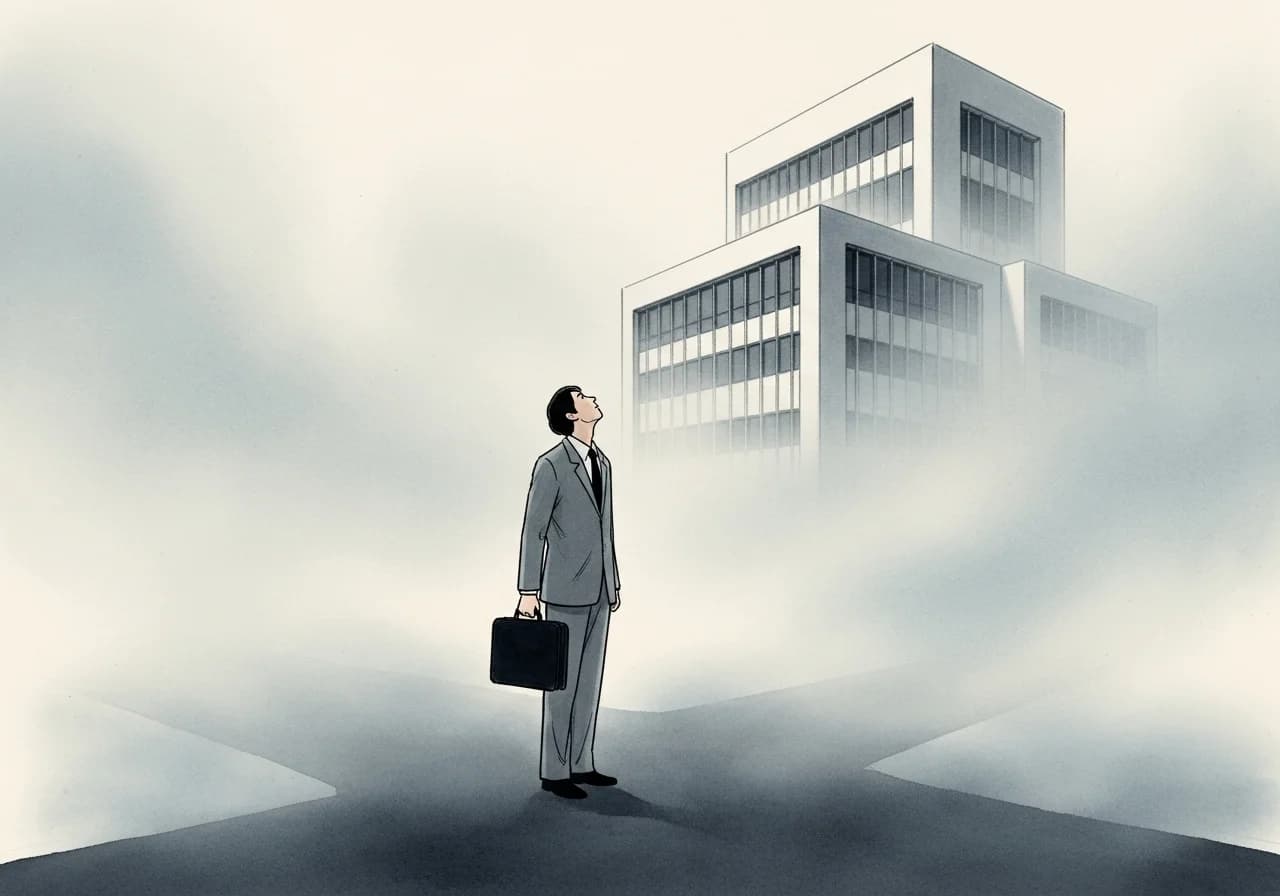
Quitting in a fit of uncontrollable rage, wandering lost after resignation, or leaving to complete indifference from colleagues are warning signs. These dreams reflect acute workplace stress, deteriorating interpersonal relationships, or a deep crisis of direction and identity.
Being pressured or forced to resign in a dream points to underlying anxiety about job security. If you feel regret or grief after quitting in the dream, it may signal indecision before a major life choice — or a fear of change that needs to be honestly examined rather than suppressed.
Neutral Interpretations
Returning to the same job after having quit, or looping back to a former workplace in a dream, carries a neutral interpretation. These dreams often reflect unresolved feelings about past decisions and ambivalence toward change. They are the subconscious processing a life transition rather than predicting one. In waking life, this pattern frequently appears during burnout or when the mind urgently needs rest and recalibration. Rather than a bad omen, think of it as the inner self asking: 'Is it time to pause and reassess?'
Dream Variations
Confidently submitting your resignation letter
An auspicious dream signaling that leadership will recognize your abilities, leading to promotion or favorable salary negotiations. The more confident you are in the dream, the stronger the good omen is considered to be.
Quitting in a rage
A warning dream indicating emotional burnout at work has reached a critical point. It advises against impulsive decisions in real life and signals the urgent need to address workplace stress before it escalates further.
Feeling regret after resigning in the dream
Reflects indecision and a lack of confidence before a major life choice. In waking life, fear of change may be in conflict with a desire for something better — the dream urges careful deliberation before acting.
Landing a new job immediately after quitting
An auspicious omen forecasting swift and successful transitions. Hidden talents may surface, or an unexpected opportunity may appear soon. Stay alert to openings you might normally overlook.
Colleagues celebrating as you leave
A strongly positive dream reflecting a good reputation and harmonious relationships in the workplace. It suggests you will move forward to a new phase in life with the full support and goodwill of those around you.
Being forced into resignation
A dual-natured dream. Positively, it can signal that your talents are being noticed and a graceful transition to something better is coming. Negatively, it warns of job insecurity or interpersonal conflicts that require attention now.
Receiving a severance package in the dream
A wealth-luck dream signaling unexpected financial gains. Windfalls from investments, bonuses, inheritance, or other surprise sources may be approaching in real life.
Leaving to launch a business
Reflects strong entrepreneurial drive and readiness for independence. An auspicious sign that the timing may be right to seriously consider starting a business or pursuing an independent career path.
Returning to work after quitting in the dream
Points to unresolved feelings about past employment or a past decision. It may reflect internal conflict between the desire for change and the comfort of familiarity — a classic sign of ambivalence during a life transition.
A coworker resigning in your dream
Generally auspicious — it suggests your skills and contributions will gain greater recognition. If a rival colleague leaves, it may signal an opening for promotion. If a close ally leaves, it may warn of organizational instability ahead.
Your boss quitting in the dream
Signals a structural shift or leadership change in your organization. Often interpreted as auspicious if it suggests an opening for you to advance under new leadership or gain greater responsibility.
Resigning in order to move abroad
A powerful symbol of the desire for a total life reset. Reflects a deep longing to break free from current limitations and begin anew in a completely different environment — sometimes a sign that major change is genuinely needed.
Cultural Context
In Korean culture, employment has historically defined social identity and status far beyond its economic function. Working at a major conglomerate (대기업) or a public institution was considered the gold standard of a successful life, and quitting was once associated with failure or social inadequacy — a mark against not just the individual, but their family.
However, the MZ generation (Millennials and Gen Z in Korea) is fundamentally reshaping this cultural contract. Research shows that more than half of new Korean hires leave within two years of joining a company. For this generation, voluntary resignation is not defeat — it is proof of capability, a confident pursuit of better conditions and more meaningful work.
Work-life balance (워라밸) has become the single most important criterion for job selection, and cultural phenomena like '조용한 사직' (quiet quitting) and the 'Quitting School' (퇴사학교) movement reflect a generational rejection of the old model of total self-sacrifice for the company.
In this context, dreams of quitting carry deep resonance in Korean society — they mirror a culture in active transition, where the old social contract of lifetime loyalty to a single employer is dissolving, and individual authenticity is beginning to take precedence over collective expectation.
Western Psychological Perspectives
Western psychology offers a rich lens for understanding resignation dreams. From a Freudian perspective, the workplace is one of the primary arenas where the superego — the internalized voice of rules, duties, and societal expectations — exerts its strongest pressure. The boss frequently appears as a proxy for parental authority figures, and the act of quitting in a dream may represent the safe, symbolic release of suppressed rebellion and autonomy-seeking that cannot be expressed in waking life.
Jungian analysis takes a broader view, framing the quitting dream as a pivotal moment in the individuation process — the lifelong journey toward psychological wholeness and authentic selfhood. Shedding the professional persona (the 'employee' mask we wear in the world) is an archetypal death-and-rebirth motif, pointing toward a deeper confrontation with the true Self. When this dream appears, it often means the outer persona has grown rigid and the psyche is urgently calling for transformation and realignment.
Modern psychology is more pragmatic: recurring dreams of quitting are frequently linked to burnout, chronic job dissatisfaction, or a widening gap between one's authentic calling and their current role. When these dreams intensify or repeat, they function less as prophetic omens and more as the unconscious mind's alarm system — signaling that the psychological cost of the current situation has become unsustainable and that deliberate, real-world reflection or action is warranted.
Cross-cultural comparison adds another layer of insight. In Western individualistic societies, where career is tightly woven into personal identity, quitting dreams often surface around identity crises or a quest for personal freedom. In Korea and other collectivist cultures, however, the stakes are higher — employment carries communal expectations, family honor, and social face (체면). This means quitting dreams in the Korean context tend to be emotionally more complex: blending liberation, guilt, social pressure, and a deep, often suppressed longing for self-determination into a single charged dream image.
Frequently Asked Questions
Dreaming of quitting your job is rarely a literal prophecy. When the dream is filled with confidence and relief, Korean tradition reads it as a powerful sign of upward movement — promotion, financial gain, and new opportunity approaching. When it is shadowed by rage or regret, it asks you to look honestly at the stress and dissatisfaction you may be carrying. Either way, the dream is a message worth hearing. Ask yourself: what was I feeling when I walked out that door in the dream? The answer to that question holds the real interpretation.