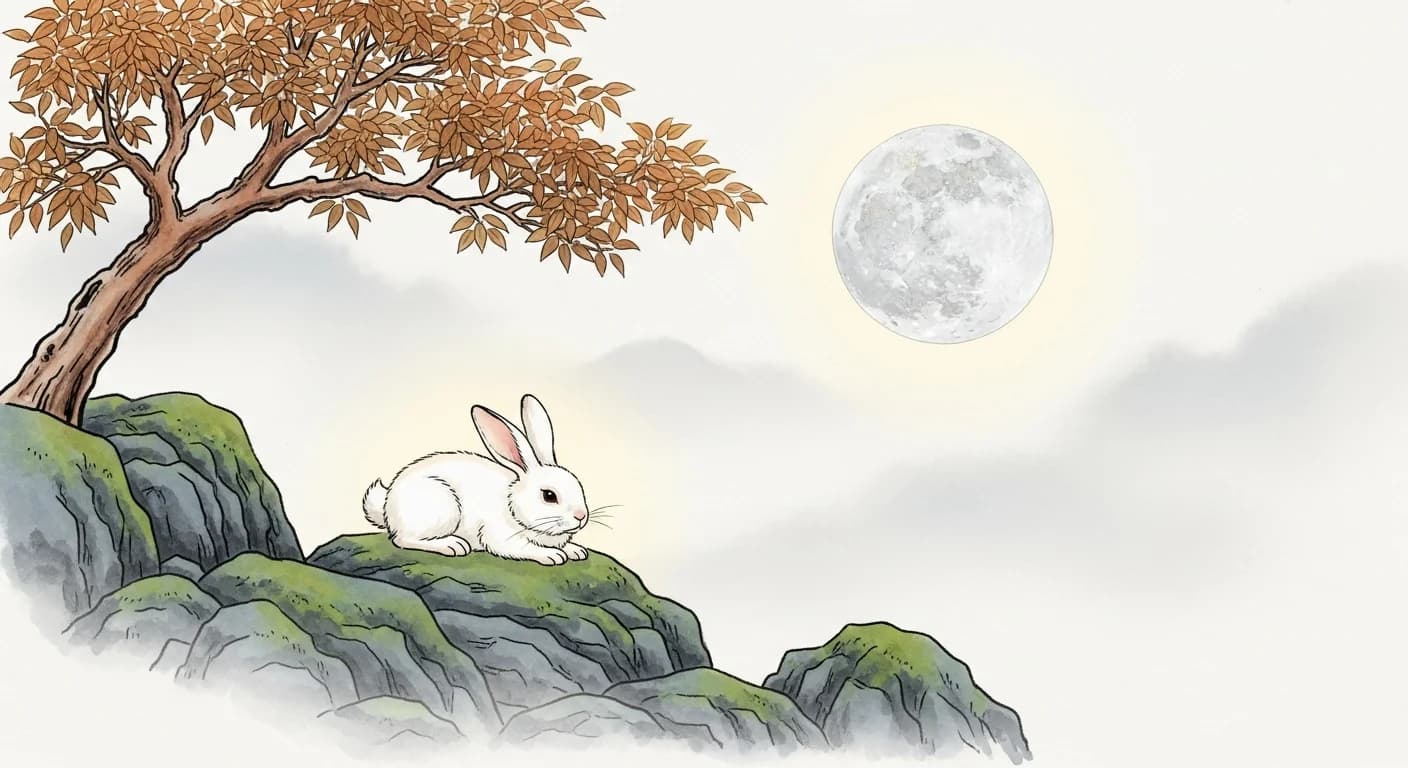
Rabbit Dream Meaning in Korean Tradition — Fertility, Fortune, and the Moon
If a rabbit appeared in your dream last night, Korean dream tradition has some genuinely exciting news for you — especially if that rabbit was white and hopped right through your front door. In Korean folk belief (꿈해몽), the rabbit ranks among the most auspicious dream symbols, tied to wealth, abundant fortune, and the birth of a daughter. The rabbit's role as the animal of the moon in East Asian culture gives it a cultural weight that goes far deeper than a simple good-luck charm. That said, there is one nuance worth knowing: the color and behavior of your dream rabbit can flip the interpretation entirely. A black rabbit or a pet rabbit that escapes its enclosure carries a very different message — so read on before you celebrate.
Are Rabbit Dreams Auspicious or Inauspicious?
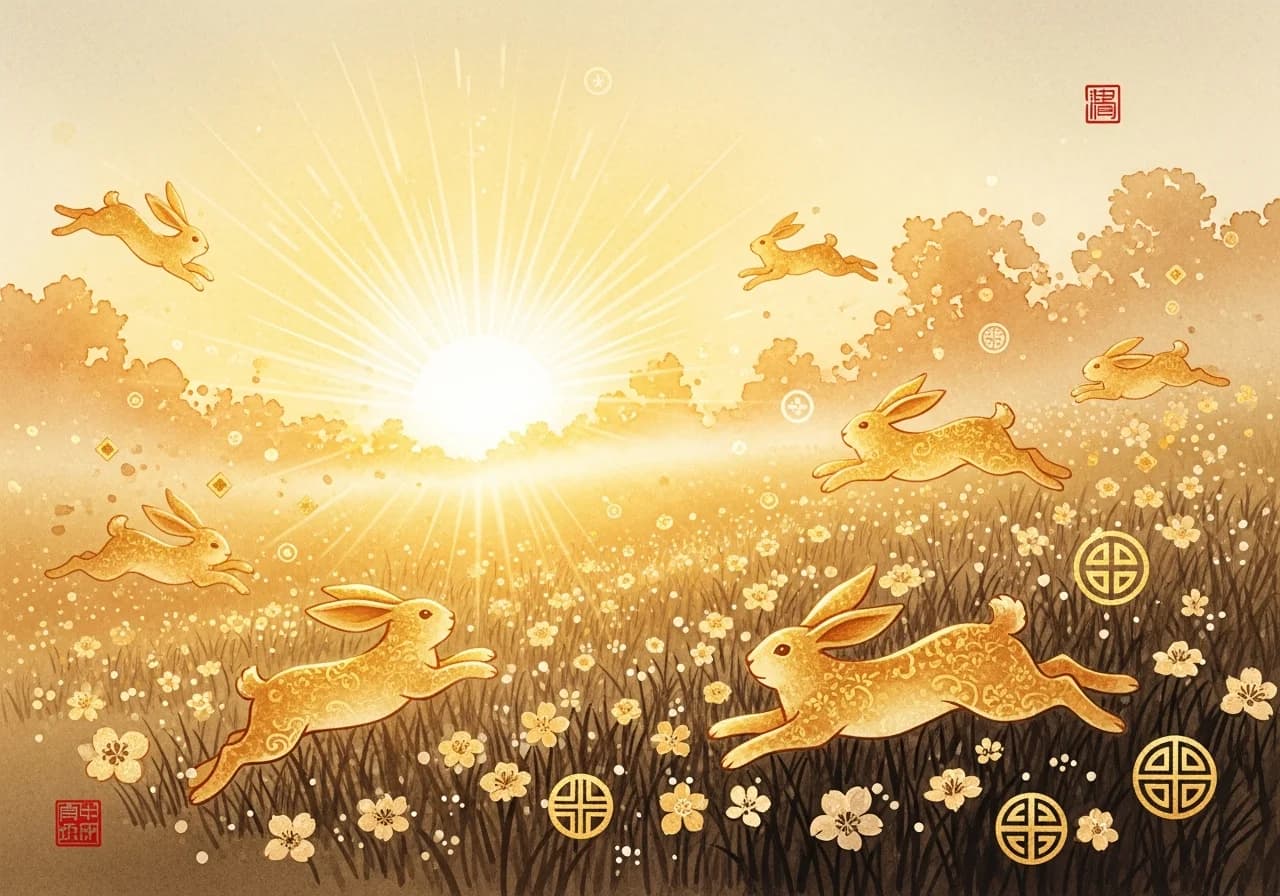
The short answer is: mostly auspicious. In Korean dream interpretation (꿈해몽), rabbits are traditionally associated with abundance, financial luck, and good fortune. Dreams featuring white rabbits, golden rabbits, multiple rabbits, or a rabbit entering your home fall firmly in the auspicious (길몽) category — they typically signal incoming wealth, family celebrations, or long-awaited good news finally arriving.
However, not every rabbit dream is a green light. Black rabbits, dead rabbits, pet rabbits escaping their enclosure, or rabbits being taken by a predator are all considered inauspicious (흉몽). These dreams may warn of financial loss, health concerns, or job instability. The specific context of the dream — the color, the rabbit's behavior, whether it's wild or domesticated — matters enormously in determining its meaning.
Wealth and Financial Fortune
Among all the dream symbols associated with financial luck in Korean tradition, the rabbit is one of the most directly linked to incoming wealth. Dreams of many rabbits appearing together, or rabbits ascending into the sky, are classic omens of thriving business and accumulating wealth. A golden or yellow rabbit in a dream is an especially strong signal of unexpected financial gains — this is why many Koreans visit a lottery retailer after dreaming of a golden rabbit.
Catching a wild rabbit in the mountains is another classic wealth omen, suggesting success in new business ventures, recovery of lost money, or a fortunate investment paying off. Holding a rabbit in your arms signals both financial and romantic luck rising simultaneously, alongside a period of mental clarity and peaceful well-being.
Pregnancy Omens — The Rabbit as a Sign of a Daughter
One of the most distinctive aspects of rabbit dream interpretation in Korean tradition is the pregnancy omen (태몽, taemont). A taemont is a prophetic dream believed to reveal the nature — and sometimes the gender — of a child to be conceived. The rabbit is one of the most recognized pregnancy omens in Korean folk belief, and it consistently points toward the birth of a daughter.
The most classic rabbit taemont images are: a white rabbit hopping into the home, a family member carrying baby rabbits inside, or picking up and holding tiny baby rabbits. These dreams are thought to foretell a sweet, affectionate daughter and great household blessings. If you are pregnant or hoping to conceive, a rabbit dream is considered among the most welcome signs you can receive.
Inauspicious Rabbit Dreams — Warning Signs
Not all rabbit dreams bring good tidings. A black rabbit appearing in your dream is considered inauspicious, warning of potential illness, sorrow, or unwelcome news on its way. Caution around health and finances is advised in the period following such a dream.
A pet rabbit or caged rabbit escaping is another warning sign — it may point toward financial loss or job instability, and can also foretell friction in relationships. A predator taking your rabbit signals theft or economic loss. A dead rabbit warns of a departing business partner or the severing of an important relationship. One important exception: if the dead rabbit comes back to life within the dream, the interpretation reverses entirely into a triumphant omen of overcoming hardship and achieving an unexpected turnaround.
Relationships and the Moon Rabbit
Beyond wealth and pregnancy, rabbit dreams also carry messages about romantic and interpersonal fortune. The traditional image of the moon rabbit (달토끼, daltokkui) pounding rice cakes on the moon is a well-loved motif in Korean culture — when it appears in a dream, it signals romantic prospects for single dreamers and the timely assistance of a helpful benefactor for those already partnered.
Multiple rabbits grazing peacefully in a meadow suggests stability and harmony across both home and work life. If you have been navigating relationship tension or waiting for a meaningful new connection, a rabbit dream is often read as a positive signal that the tide is turning.
Dream Variations
White Rabbit Dream Meaning
A white rabbit dream is one of the clearest auspicious omens in Korean tradition. It signals the arrival of pure, positive energy — possibly a warm family visit, a trustworthy new connection, or the birth of a daughter (if you are pregnant or hoping to conceive). White symbolizes truth, purity, and sincerity, making this dream a sign that good things are coming from a genuine source.
Black Rabbit Dream Meaning
A black rabbit dream is considered inauspicious in Korean dream interpretation, suggesting illness, sorrow, or unwelcome news may be approaching. After such a dream, it is advisable to pay extra attention to your health and be cautious with finances. Black in Korean dream symbolism generally carries negative connotations, representing dark or heavy energy entering one's life.
Golden Rabbit Dream Meaning
A golden or yellow rabbit is a powerful wealth omen. It foretells unexpected financial gains, a successful business deal, or strong returns on investment. Many Koreans consider this one of the most exciting rabbit dreams to have — a clear signal that significant financial fortune is incoming.
Rabbit Entering the House Dream
A rabbit hopping into your home in a dream is deeply auspicious. It foretells incoming luck, joyful news, and family celebration. Worries currently on your mind are expected to resolve in your favor. If the rabbit is white, this dream carries additional meaning as a pregnancy omen pointing toward a daughter.
Catching a Rabbit Dream
Successfully catching a wild rabbit in the mountains is a positive omen, signaling success in a new venture, recovery of lost property or money, or a favorable business outcome. If you struggle and fail to catch the rabbit, however, it can warn that current plans may not unfold as hoped.
Rabbit Running Away Dream
A wild rabbit fleeing can paradoxically be auspicious — it may hint at an unexpected windfall and the resolution of current difficulties. However, a pet rabbit or caged rabbit escaping is interpreted very differently: it warns of financial loss or job instability. The key distinction is whether the rabbit is domesticated or wild.
Baby Rabbit Dream
Baby rabbits in a dream signal that efforts and investments you have been making will multiply and return as greater rewards. A family member bringing baby rabbits into the home is a recognized pregnancy omen (태몽) foretelling the birth of a beloved daughter. Baby rabbits embody new beginnings and the promise of growth.
Rabbit Giving Birth Dream
A rabbit giving birth is one of the strongest auspicious dreams for anyone with creative projects or business ventures in motion. It foretells a major breakthrough, significant financial gains, or a creative endeavor finally coming to fruition. The symbolism of multiplication — so central to the rabbit's identity — translates directly into abundance in waking life.
Moon Rabbit Dream (Pounding Rice Cakes)
The image of a rabbit pounding rice cakes on the moon is a uniquely Korean dream motif drawn from ancient folklore shared across East Asia. For single dreamers it foretells a meaningful romantic encounter ahead. For those already in a relationship or married, it signals the welcome arrival of a helpful benefactor and increased harmony in the home.
Dead Rabbit Dream
A dead rabbit is generally inauspicious, warning of financial loss, a rupture in an important relationship, or a business partner departing. The one significant exception: if the dead rabbit revives and moves again within the dream, the omen reverses — it becomes a symbol of overcoming hardship and achieving a surprising positive turnaround.
Many Rabbits Dream
Dreaming of many rabbits together is a highly auspicious sign of wealth and family blessings arriving in abundance. Rabbits ascending into the sky is a particularly strong omen for thriving business. Rabbits peacefully grazing in a field signals stable, worry-free conditions at both home and work.
Holding a Rabbit Dream
Holding a rabbit in your arms is an auspicious dream for both financial and romantic fortune. Unexpected wealth may arrive, and a period of mental calm and positive energy is ahead. If you are waiting for love or a new opportunity, this dream suggests both may be closer than you think.
Being Bitten by a Rabbit Dream
In Korean dream interpretation, being bitten by a rabbit with resulting blood is actually auspicious — a somewhat counterintuitive reading. It signals an unexpected windfall and the gradual resolution of stalled plans. Blood in dreams is frequently read as a symbol of incoming wealth in Korean folk tradition.
Cultural Context
In Korean traditional culture, the rabbit has long held a place of special significance as the animal of the moon. The moon-rabbit legend is shared across East Asian cultures — Korea, China, and Japan all share the tradition of a rabbit living on the moon, pounding rice cakes beneath the cinnamon tree (계수나무, gyesunamu). In Korea, this image is especially beloved: it appears in the iconic 1924 children's song 'Bandal' (Half Moon) and has been embedded in Korean cultural imagination for generations.
Korean ancestors found symbolic meaning in the rabbit's physical features. Its large ears signified longevity; its powerful hind legs carried the power to ward off evil spirits (벽사, byeoksa); and its distinctive cleft upper lip was read as a symbol of fertile, generative abundance (다산, dasan). These associations gave the rabbit three core symbolic pillars — longevity, protection from evil, and abundant offspring — all highly prized in traditional agrarian society.
In Korean folklore, the rabbit also serves as a witty hero. In the tale 'Tokkijeon' (The Story of the Rabbit), a clever rabbit outwits the sea dragon's servant, pretending to have left its liver at home in order to escape from the underwater palace. This trickster narrative cast the rabbit as a symbol of common people triumphing over those with more power — through wit rather than force. The same cunning energy surfaces in dream interpretation, where the rabbit represents not just passive fortune but clever fortune: wealth earned or seized through intelligence.
Western Psychological Perspectives
Western psychological frameworks offer a fascinating counterpoint to Korean folk interpretation of rabbit dreams — one that is both different and, in some key ways, surprisingly convergent.
From a Freudian perspective, the rabbit is a symbol of sexual drives and reproductive instinct. Its prolific breeding capacity makes it a natural representation of libidinal energy and unconscious desires around procreation. Dreams of baby rabbits being born may represent wish-fulfillment around intimacy or new life, while chasing or trying to catch a rabbit can reveal an internal struggle between desire and the impulse to control it. Freud would likely find the Korean tradition's emphasis on rabbits as pregnancy omens very consistent with his framework.
Jungian analytical psychology assigns the rabbit richer archetypal roles. As a symbol linked to the anima — the feminine principle within the psyche — the rabbit represents intuition, sensitivity, and life energy. Much like Lewis Carroll's White Rabbit leading Alice into an unknown world, the dream rabbit can serve as a psychopomp: a guide leading the dreamer into the unfamiliar terrain of the unconscious. The Trickster archetype is also present in the rabbit — cleverly subverting expectations, challenging established order — a role that maps beautifully onto the Korean folk tale hero of 'Tokkijeon.' When the Trickster rabbit appears in a dream, it signals an opportunity for psychological growth and transformation.
Modern psychology takes a more pragmatic view, reading rabbit dreams through the lens of the dreamer's emotional state and sense of vulnerability. A dream in which a rabbit flees a predator may reflect real-life anxiety or avoidance behavior — the mind processing a perceived threat. Conversely, thriving or multiplying rabbits are associated with creativity, abundance, and the anticipation of new beginnings, and tend to appear during life transitions.
Both traditions ultimately converge on a shared symbolic core: the rabbit represents new life, abundance, and fortunate change. Korean folk belief frames this as literal incoming wealth and fertility; Western psychology reads it as the psyche's expression of readiness for growth. Both are ultimately optimistic readings of the same archetypal energy.
Frequently Asked Questions
The rabbit is one of the most warmly received dream symbols in Korean tradition — a creature of the moon, a bearer of wealth, and a herald of new life. Whether your dream rabbit brought golden fortune, hopped through your front door, or pounded rice cakes under the cinnamon tree, Korean dream interpretation sees the rabbit as a deeply positive visitor from the unconscious. Pay attention to its color and behavior for the clearest reading, and let the ancient wisdom of 꿈해몽 offer a moment of meaningful reflection on what lies ahead.


