Scar Dream Meaning: Korean Interpretation Guide
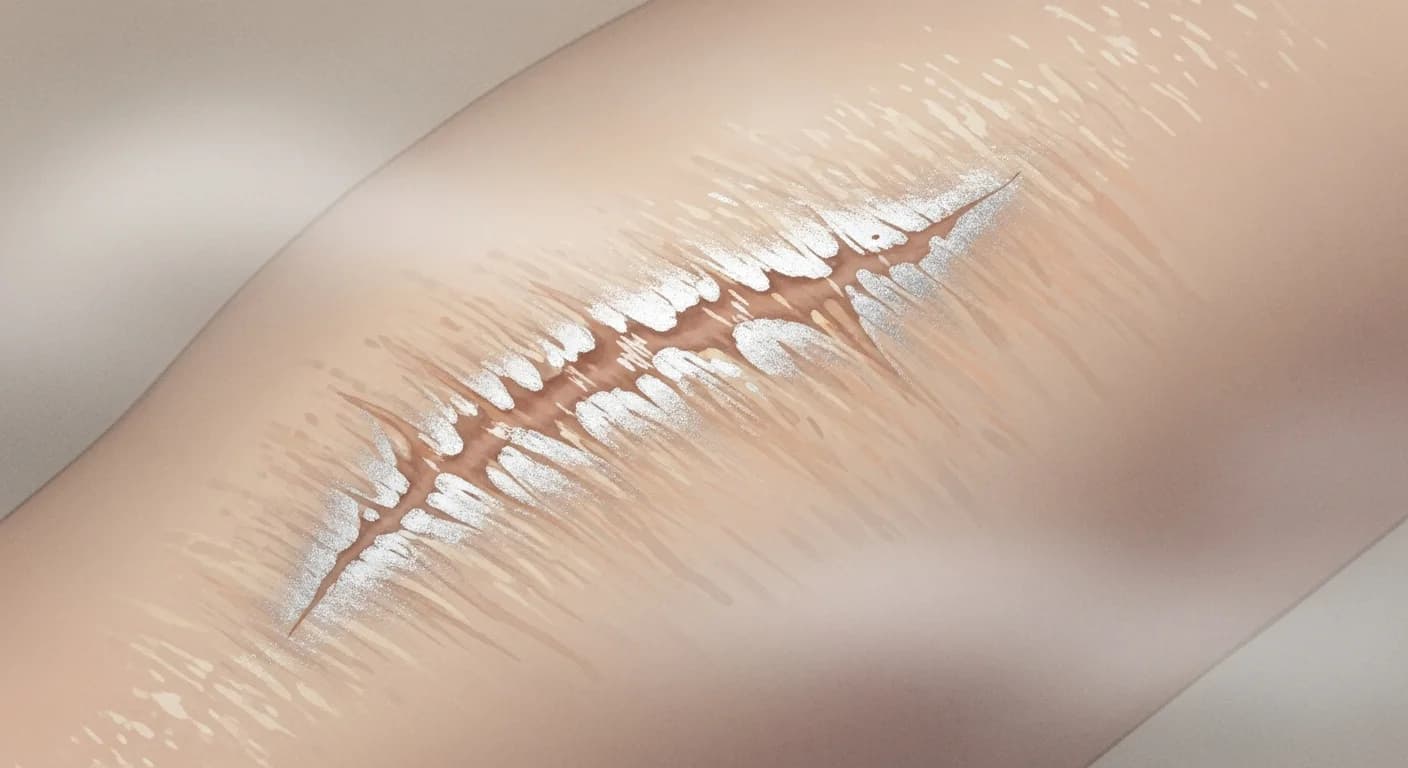
Dreaming of a scar cuts closer than most dream symbols — it speaks directly to how we carry the past. In Korean dream interpretation, scars are closely linked to 체면 (chemyeon), the concept of social face and reputation, making a scar dream far more than a personal wound. Whether the scar is new or old, healing or worsening, and where it appears on the body all shape whether this dream brings warning or quiet encouragement.
Inauspicious: Scars on the Face and Body
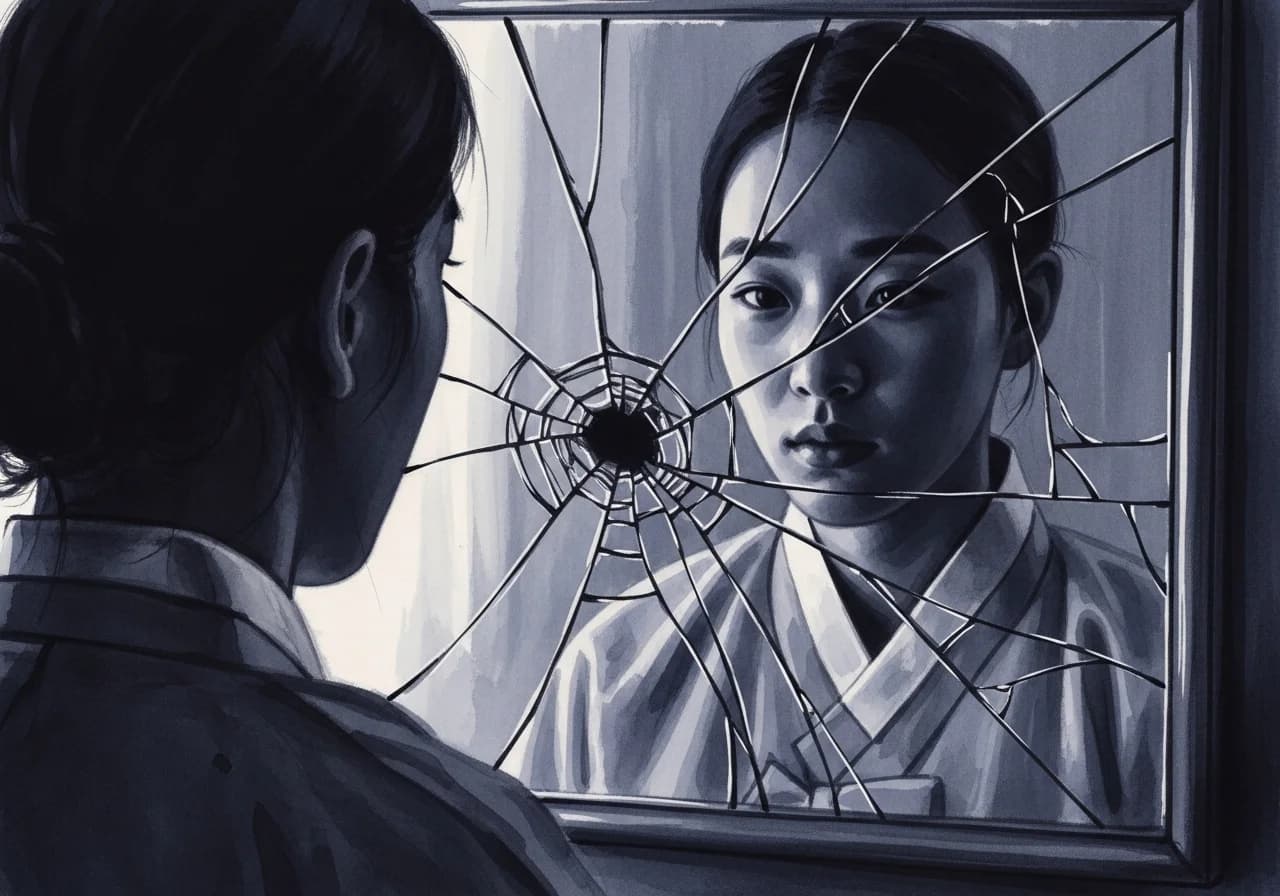
A scar appearing on the face is one of the strongest inauspicious signs in Korean dream interpretation. Because the face embodies 체면 — reputation, honor, and social identity — its scarring warns of damage to your public standing. You may lose the trust of colleagues or friends, or face criticism following a mistake at work. It can also signal a need for extra caution against accidents in the near term. Dreaming of being covered in scars all over the body reflects a different kind of crisis: overwhelming psychological stress converging from multiple directions at once. This dream signals that emotional burnout may be close, and that rest and recovery are urgent needs rather than optional luxuries.
Inauspicious: Scars on the Arms and Legs
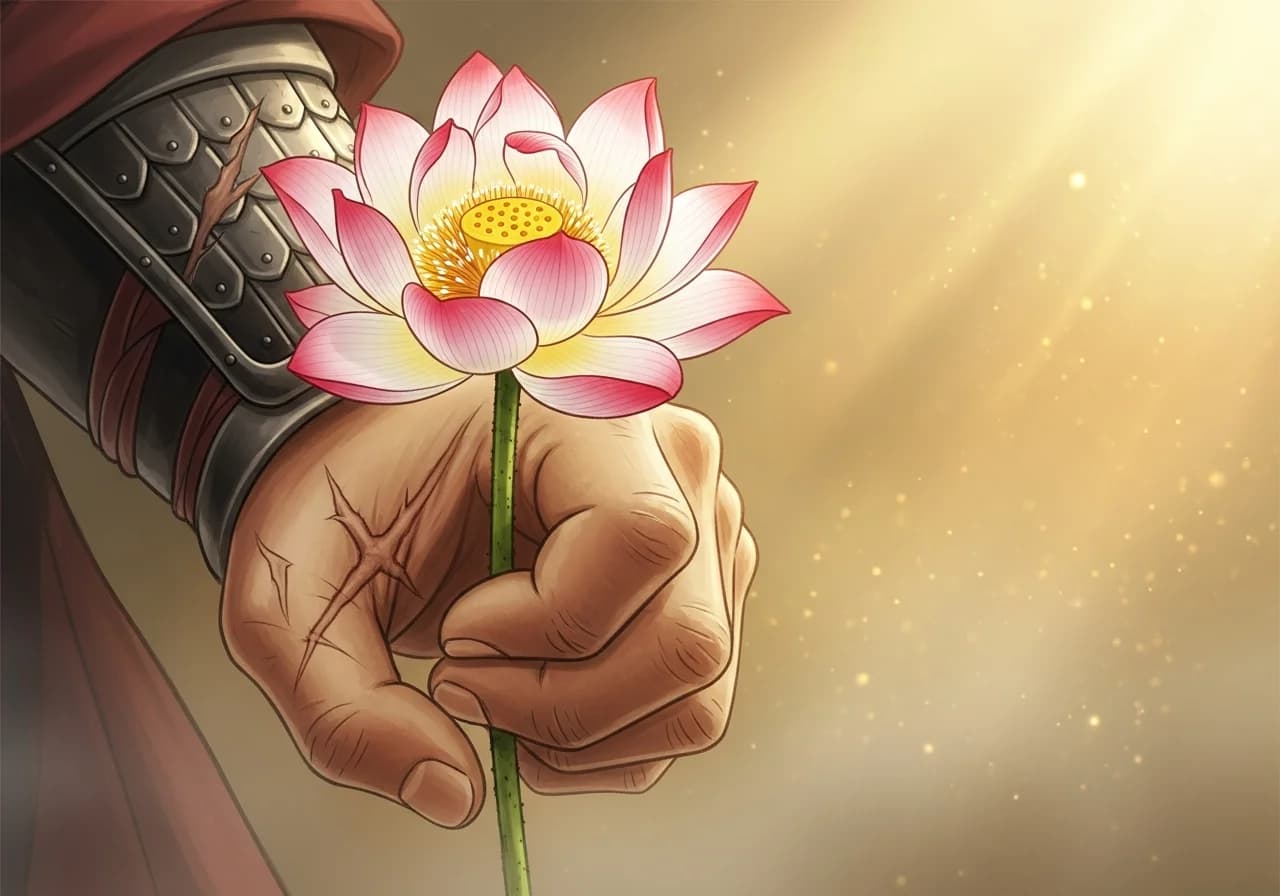
A scar on the arm warns of a blow to confidence in one's abilities. You may face a situation where you underperform on something important, or where others question your competence. A scar on the leg points toward blocked progress — unexpected obstacles appearing on the path toward a goal. Plans may be disrupted, advancement may stall, and competition or criticism from others could make forward movement harder than expected. Both of these dreams serve as alerts to proceed with care and deliberate attention in whatever you are currently pursuing.
Auspicious: Battle Scars and Healing Scars
Not all scar dreams carry warnings. Receiving a scar in battle or a fight is paradoxically read as an auspicious sign for business success and financial gain. It symbolizes surviving fierce competition and emerging with tangible, hard-won rewards. Dreaming of applying ointment to a scar, or watching a scar heal, is an equally clear positive sign. Old conflicts may resolve, health may improve, or an emotional wound that has lingered for years may finally begin to close. This dream says that life is entering a recovery phase — trust the process.
Neutral: Looking at an Old Scar
Quietly observing an old scar in a dream is a neutral, reflective experience. It suggests the dreamer is revisiting past experiences and recognizing how those wounds shaped who they are today. If the scar is viewed with calm acceptance, it reflects self-awareness and psychological maturity — a healthy integration of past pain. If the scar provokes shame or fear, it signals that unresolved emotional work remains. Either way, this dream is a quiet invitation to examine the relationship between your past and your present self.
Dream Variations
Scar Appearing on the Face
A strong warning about damage to reputation and social standing. Trust may be lost at work or in relationships, and there is also a caution against accidents caused by carelessness. Pay close attention to how you communicate and present yourself in the period following this dream.
Scar Disappearing in a Dream
A positive sign that long-standing pain or conflict is coming to an end. Health may recover, relationships may mend, or a heavy emotional burden may finally be lifted. This dream points toward a welcome turning point after a difficult stretch.
Old Scar Reopening
Warns that a problem or conflict thought to be resolved may resurface. Old trauma may be reactivated, or a wound from a past relationship may reopen unexpectedly. It is worth examining whether something from the past has been fully processed or merely pushed aside.
Surgical Scar Dream
Reflects anxiety about health or fear of physical change. It also carries a hopeful undercurrent — surgery, though painful, leads to healing. This dream suggests that a difficult but necessary change may ultimately improve the dreamer's situation.
Seeing a Scar on Someone Else's Body
Indicates that the person appearing in the dream may be going through difficulties or suffering. It may also be an expression of the dreamer's own concern for that person. Consider reaching out to someone in your life you may have been neglecting.
New Wound Forming Over an Old Scar
Symbolizes new pain layered over unhealed wounds. It warns that unresolved emotional issues, if left unaddressed, may compound into greater harm. This dream is a clear signal to stop avoiding internal wounds that need proper attention.
Receiving a Scar in Battle
An auspicious sign for those facing fierce competition or challenges. Success in business or financial gain may follow after enduring a difficult ordeal. If you are currently in a hard situation, this dream encourages you to hold on and see it through.
Feeling Ashamed of a Scar
Reflects anxiety about past mistakes or vulnerabilities being exposed, and heightened sensitivity to others' judgments. This dream is a prompt toward greater self-acceptance — recognizing that imperfection is not something to hide, but something to understand and integrate.
Cultural Context
In Korean culture, scars carry meaning far beyond the physical. In a society built around 체면 (chemyeon — face and reputation), a scar on the body, and especially on the face, is interpreted not merely as cosmetic damage but as harm to one's social standing and honor. Traditional folk beliefs held the body as sacred, inherited from one's ancestors, meaning that permanent marks could signal a failure to honor that inheritance or a turn of bad fortune. By contrast, battle scars were respected as proof of valor and courage — a positive counterweight to this body-reverence tradition. Folk sayings like 'a scar on the forehead blocks success' reflect a long tradition of destiny-reading by body marks. In modern Korea, the culture's strong emphasis on appearance and plastic surgery has heightened psychological sensitivity around scars, making scar dreams a frequent mirror of anxieties about self-image and social judgment.
Western Psychological Perspectives
Western psychology brings three distinct frameworks to scar dreams, each illuminating a different layer of meaning. From a Freudian perspective, scar dreams represent repressed trauma surfacing from the unconscious. The scar symbolizes a psychological wound that the conscious mind has tried to bury but cannot fully erase — often linked to painful childhood experiences or deep shame. A scar on the face relates to ego injury and profound anxiety about self-image, while attempts in the dream to hide or cover the scar reflect the active operation of repression mechanisms.
In Jungian analytical psychology, the scar is deeply tied to the Wounded Healer archetype — like Chiron in Greek myth, whose own incurable wound gave him profound empathy and healing wisdom. Scar dreams belong to the individuation process, the integration of the Shadow (the dark, rejected parts of the self), signaling that past pain no longer needs to be feared but can become fuel for growth and compassion toward others. Dreaming of an old scar with calm acceptance particularly symbolizes psychological integration and self-actualization.
Modern psychology analyzes scar dreams primarily through the lenses of emotional resilience and personal narrative. A new scar signifies an ongoing psychological wound or recent emotional trauma, while an old scar reflects an experience already woven into the life story. From a cognitive-behavioral standpoint, the dreamer's emotional reaction to the scar — shame, pride, or indifference — is a key indicator of current self-perception. In a society with intense pressure around physical appearance, scar dreams frequently reflect appearance anxiety or an unmet need for self-acceptance that deserves genuine attention.
Frequently Asked Questions
A scar dream holds up a mirror to the parts of us that carry history — the wounds we survived, the reputation we protect, and the healing we may still need. If a new scar appeared on your face or body, take it as a prompt to guard your words and relationships carefully. If the scar was from battle or was healing before your eyes, receive it as encouragement that your effort through hard times will pay off. And if you stood quietly before an old scar, consider that this may be exactly the right moment to accept your past fully — and let it become part of your strength rather than your burden.