
Swan Dream Meaning — Grace, Love, and Transformation
If a swan glided across the water in your dream last night, Korean dream tradition reads it as a genuinely good sign — peace and love are moving toward you. Swans have long been admired as symbols of unwavering devotion, partly because they are one of the few animals known to mate for life. Here's the nuance worth knowing, though — what the swan was doing, and what color it was, shifts the interpretation considerably.
Auspicious Meanings — Peace, Love, and Rising Higher

A swan gliding gracefully on calm, still water is one of the clearest auspicious signs in Korean dream interpretation. It signals emotional stability and a period of serenity ahead — your current affairs are flowing smoothly, and harmonious relationships are on the horizon. When two swans appear together, the meaning intensifies significantly. Because swans bond for life, paired swans in a dream are read as a powerful omen of deep and enduring love. For those who are single, a meaningful romantic encounter is drawing near; for those already in a relationship, the bond is set to deepen. A swan spreading its wings and soaring into the sky carries a different but equally auspicious message — transcending current limitations and ascending to a higher level. This is a dream that often precedes a promotion, a major new opportunity, or a meaningful leap toward a long-held personal goal.
Inauspicious Meanings — Loss, Rupture, and Unexpected Reversals
Not all swan dreams carry good news. Seeing a dead or injured swan in a dream can signal cracks forming in an important relationship, or the loss of something once precious. If the distress of the swan felt vivid and heavy, treat it as a nudge to invest more attention in the people closest to you. A black swan introduces a more complex reading. In Korean dream interpretation, it warns of unexpected events or sudden reversals — repressed emotions or hidden anxieties may be surfacing. The concept of the 'black swan event' from Western finance actually aligns with this older symbolic meaning: something rare and disruptive is approaching. That said, if you watched the black swan calmly and without fear, many interpreters take this as a positive sign — the awakening of hidden potential you have not yet acknowledged. A lone swan struggling in a dried-up pond reflects feelings of emotional isolation and loneliness, and suggests reaching out to others.
Neutral — Transformation and Self-Discovery
Sometimes the swan in a dream carries a quieter, more introspective message. Like the Ugly Duckling — a fairy tale that resonates deeply across cultures — the swan can represent latent potential that has not yet been recognized, even by yourself. If the dream felt more contemplative than dramatic, it may be reflecting a period of inner growth: you are becoming something, even if the process is not yet visible from the outside. These dreams often visit people at turning points when they are reassessing their own value and questioning whether they are being seen clearly by the world.
Dream Variations
Dream of a Swan Swimming
Seeing a swan swimming serenely on still water predicts emotional stability and peaceful daily life ahead. It signals that things currently in motion are flowing without obstruction, and that relationships around you will settle into a harmonious rhythm. Tensions that have been simmering are likely to ease naturally.
Dream of a Pair of Swans
Two swans swimming or resting together is one of the most powerful love omens in Korean dream interpretation. Because swans are famous for lifelong monogamy, this dream foretells a deep, enduring romantic connection or an upcoming marriage. For singles, it means a significant encounter is near; for those already partnered, the relationship is entering a deeper, more committed phase.
Dream of a Swan Taking Flight
A swan spreading its wings wide and soaring upward symbolizes spiritual elevation and social ascent. It suggests you are ready to break free from current limitations and move toward a much broader horizon — an especially welcome dream if you are considering a career change, a promotion, or embarking on a new creative or entrepreneurial chapter.
Dream of a Swan Landing
A swan descending gracefully onto the water signals that a long-pursued goal or stability is finally materializing. After sustained effort, you are about to settle into a secure, peaceful environment. This is a reassuring dream for anyone in the middle of a major life transition — it says the landing will be smooth.
Black Swan Dream
A black swan in a dream warns of unexpected events or sudden reversals in life's direction. It can signal repressed emotions or hidden anxieties rising to the surface, pointing to a situation that will unfold very differently from what you anticipated. However, if the emotional tone of the dream was calm rather than fearful, the black swan may instead be pointing to the awakening of latent abilities you have not yet claimed.
Dead Swan Dream
Seeing a dead swan represents the ending of an important relationship or the passing of something once beautiful and pure. It may mean a cherished chapter is closing — a signal to be more intentional about nurturing the people and bonds that still matter to you. If the dream felt peaceful rather than sorrowful, however, it can simply mark a natural transition: one thing ending so that something new can begin.
Swan Taemong (Pregnancy Dream)
In Korean tradition, taemong — the conception dream experienced before or during pregnancy — carries special significance. A swan appearing in a taemong is considered highly auspicious, foretelling the birth of a graceful, beautiful child with exceptional artistic sensitivity. The swan's pure white color symbolizes noble character and a pure heart, with many interpreters suggesting the child will show particular talent in music, visual arts, or literature.
Cultural Context
In Korean culture, the swan (백조, baekjo) has long been recognized as a symbol of purity, elegance, and nobility. While the crane (학, hak) occupies the more central role as Korea's iconic sacred bird — appearing in folk paintings, ceramics, and wedding traditions — the swan shares in the deep symbolic resonance of white, a color that in Korean tradition conveys divinity, virtue, and cleanliness. The swan's well-documented habit of lifelong monogamy has made it a natural emblem of unwavering love and loyalty in Korean culture, and swan motifs commonly appear in wedding decorations and gifts intended to bless a couple's enduring bond. Tchaikovsky's Swan Lake added another layer of meaning accessible to Korean audiences: the image of the swan as a figure of tragic beauty, self-sacrifice, and transformation. This operatic narrative has become part of the cultural vocabulary through which Koreans interpret swan imagery. Because white traditionally holds sacred connotations in Korean symbolism — representing goodness, spiritual cleanness, and the divine — swans in the dreamscape are consistently read as auspicious presences embodying noble character.
Western Psychological Perspectives
Western psychology has long recognized the swan as a potent archetypal image that goes well beyond surface beauty. From a Freudian angle, the swan carries a fascinating duality — pure white elegance concealing underlying desire. The Greek myth of Zeus transforming into a swan to approach Leda is one of mythology's most discussed examples of libidinal energy disguised in divine, unthreatening form. Encountering a swan in a dream, Freudian analysis suggests, may surface the unconscious tension between idealized romantic longing and earthier erotic impulse.
CarlJung took the symbolism further. For Jung, the swan is a powerful individuation archetype — a figure representing the inner journey toward the authentic self. Its unique dual ability to move between water and sky makes it a natural symbol of the union between the unconscious (water) and conscious awareness (sky). When the swan appears in dreams, it often signals that an integration is underway: shadow and ego are finding their way toward reconciliation. Jung also noted the swan's frequent role as an anima archetype in the male psyche — an inner figure of grace, intuitive wisdom, and emotional depth that asks to be acknowledged.
Modern psychological thinking connects swan dreams to the theme of self-acceptance. The Ugly Duckling narrative is no accident in how universally it resonates: the swan in a dream can represent the moment a person finally recognizes their own worth after long periods of self-doubt and external dismissal. It signals a psychological readiness to stop seeking outside validation and trust one's own inner knowing.
Cross-culturally, the symbolic weight of the swan shows remarkable consistency. In Celtic tradition, figures like the Children of Lir portray swans as soul-carriers traversing between worlds. Hindu tradition places the swan (hamsa) as the vehicle of Saraswati, goddess of wisdom, where it represents sacred discernment — the ability to separate the essential from the unessential, just as the hamsa is said to separate milk from water. Together, these traditions reinforce the Korean dream interpretation: the swan appears when something important is being purified, elevated, or made whole.
Frequently Asked Questions
Swan dreams have a way of arriving at life's genuine turning points — when love is deepening, when a long effort is finally bearing fruit, or when something beautiful is ready to take flight. The interpretations vary with context, but the underlying message of the swan is consistent: grace, loyalty, and a capacity for transformation that often exceeds what others — and we ourselves — expect. Whatever the swan in your dream was doing, pay attention to the feeling it left behind. That emotional residue is the real message.
Related Dreams
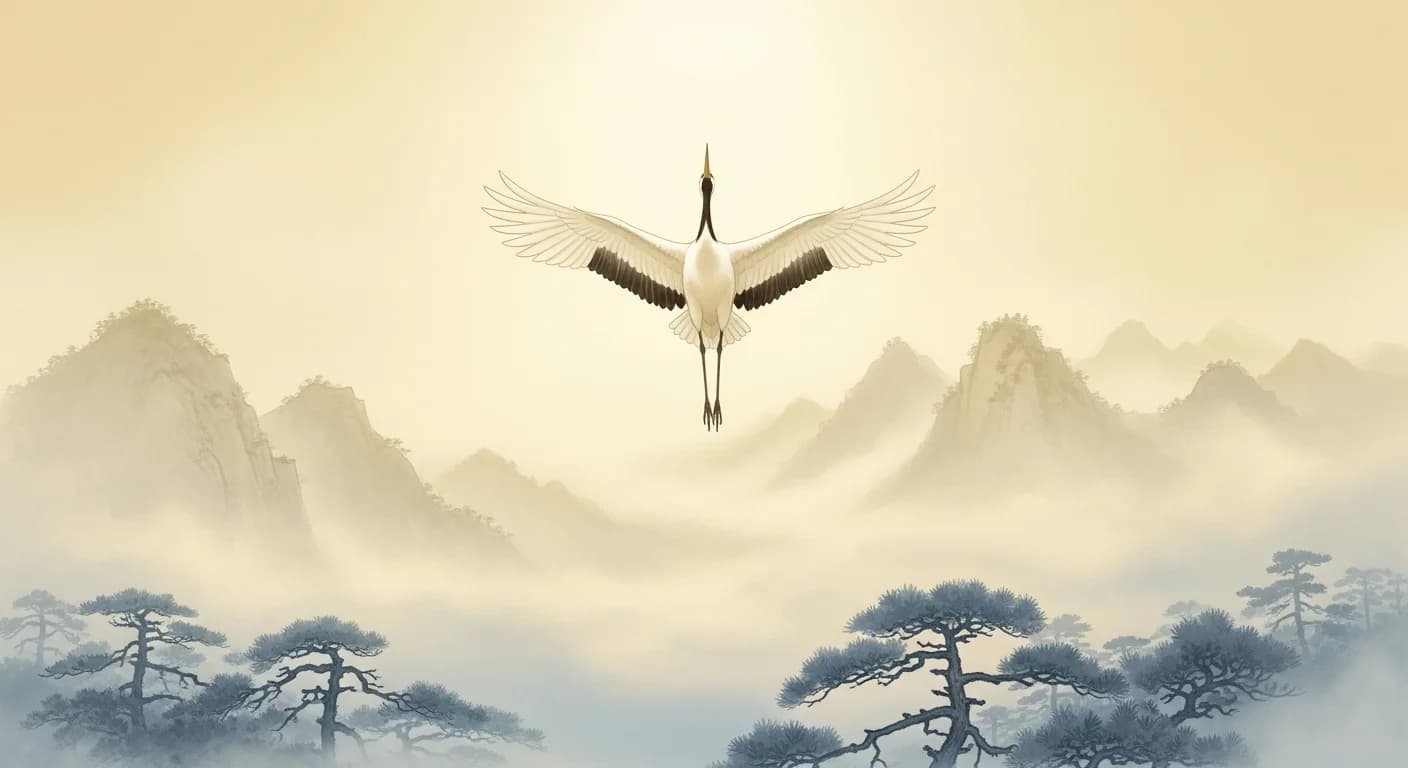
Crane Dream Meaning — Longevity, Achievement, and Noble Fortune

White Horse Dream Meaning — Symbol of Pure Progress and Honor
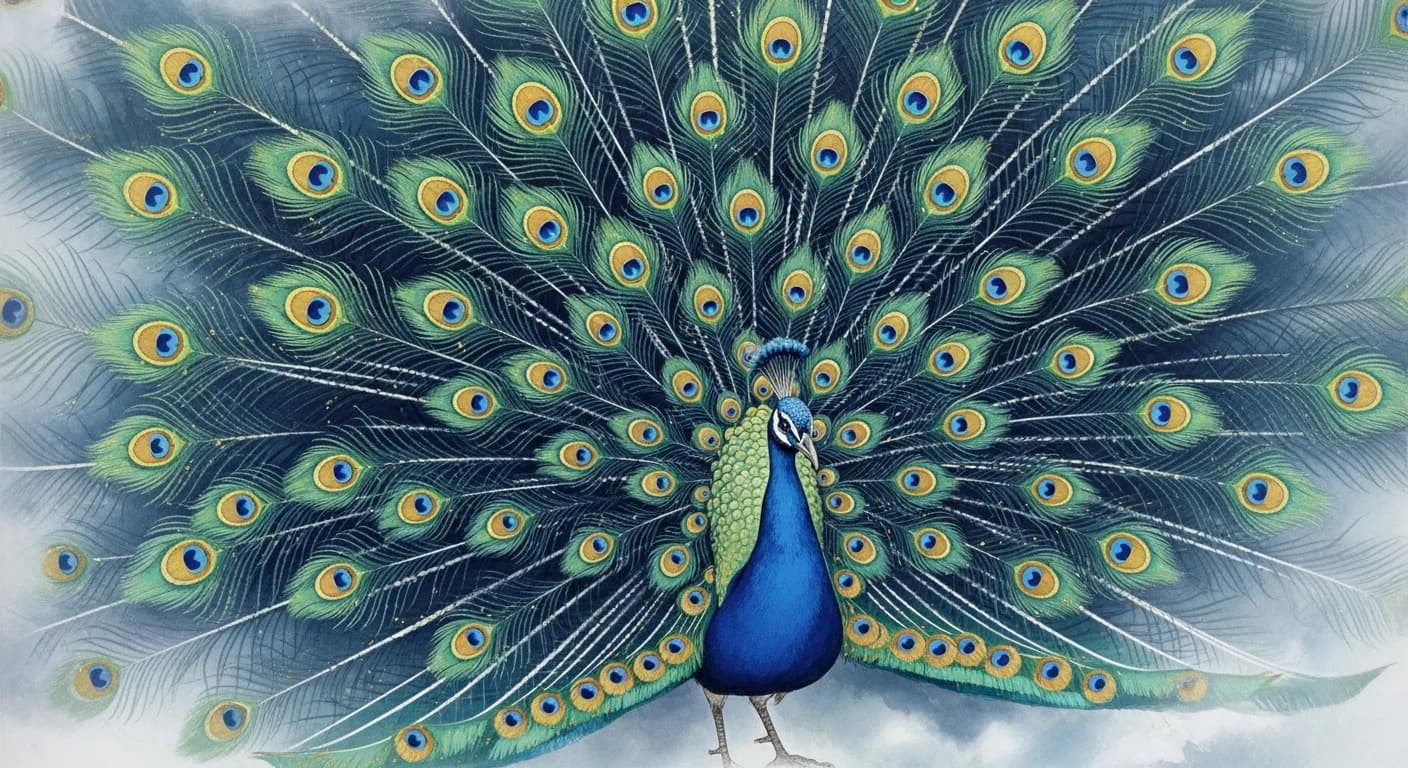
Peacock Dream Meaning — The Hidden Message Behind Brilliant Feathers
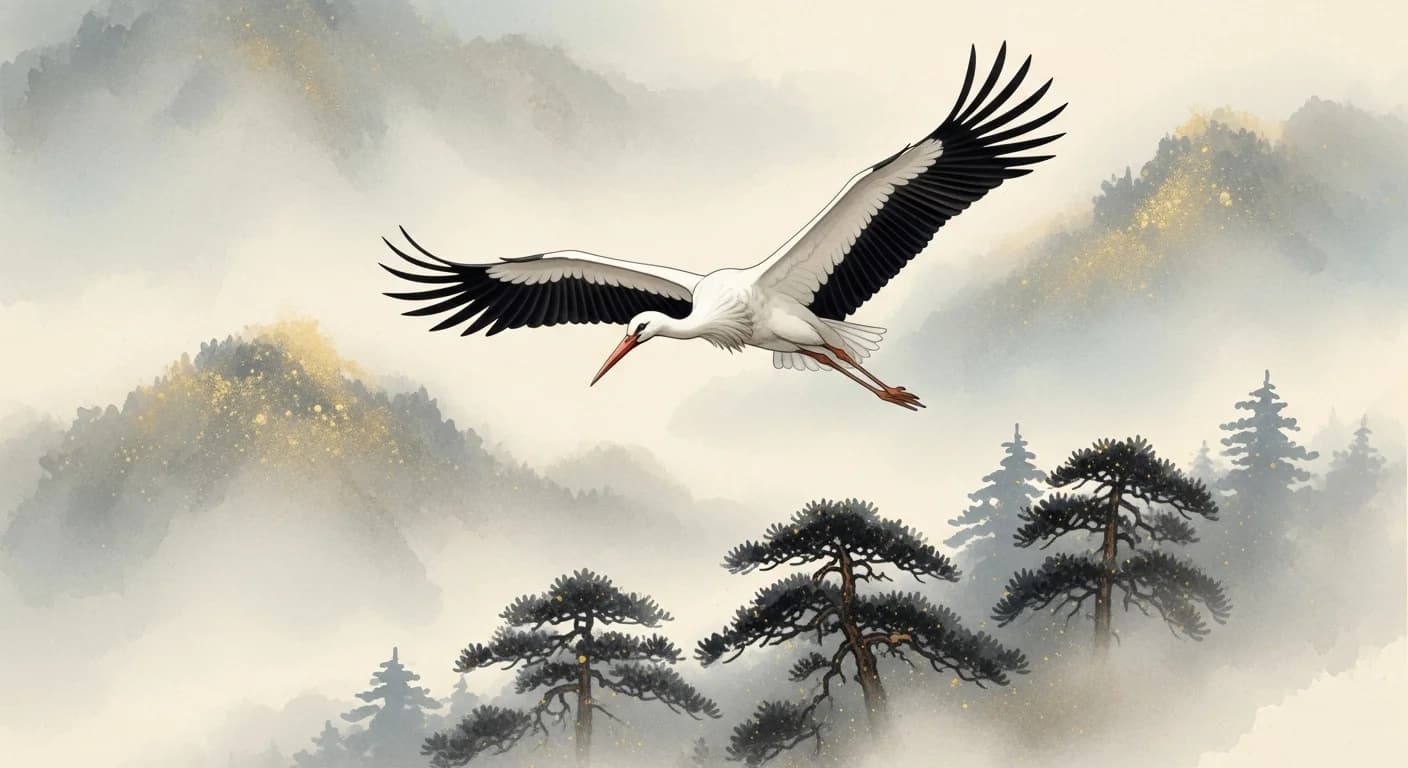
Stork Dream Meaning — A Sacred Omen of New Life and Abundance

Bird Flying Dream Meaning
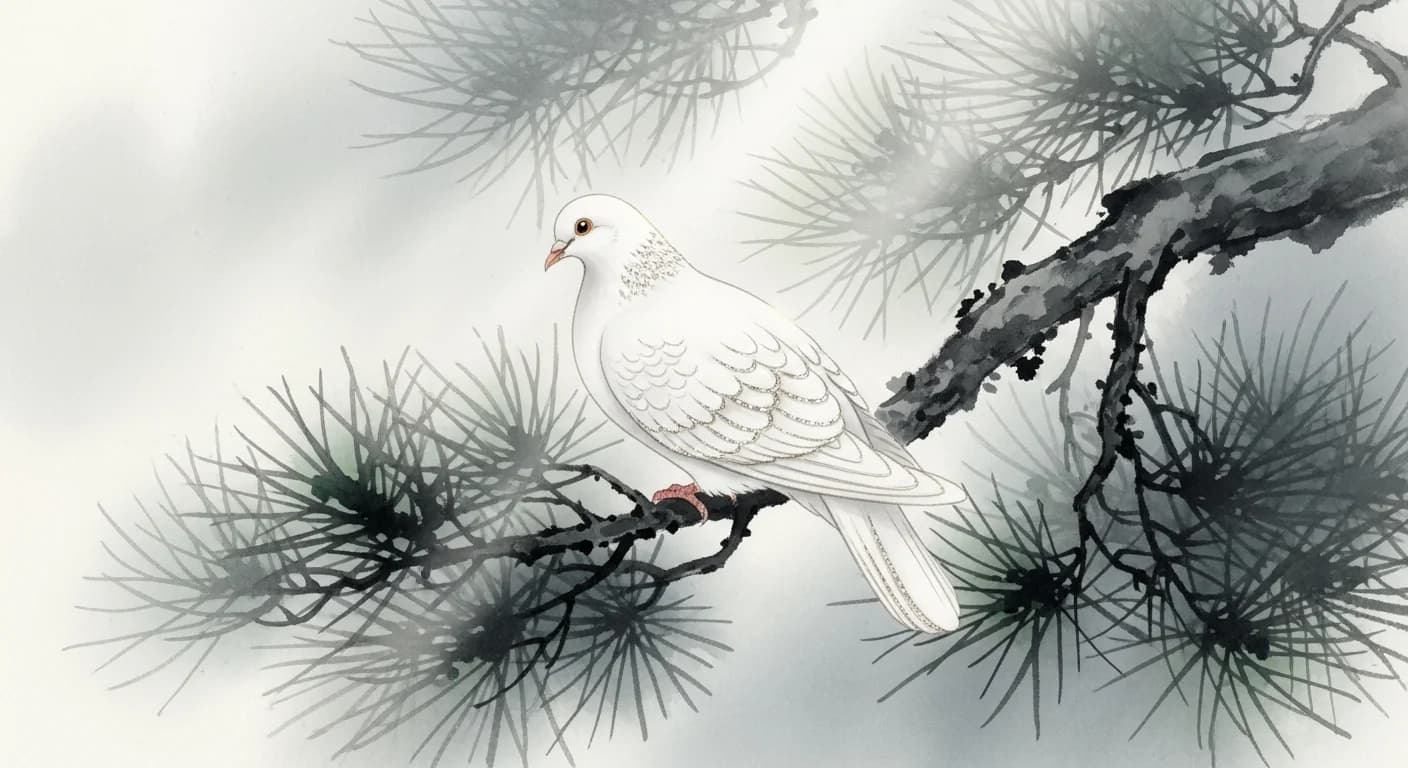
White Dove Dream Meaning — Purity, Fortune, and Peace