Teeth Breaking Dream Meaning — Korean Dream Interpretation
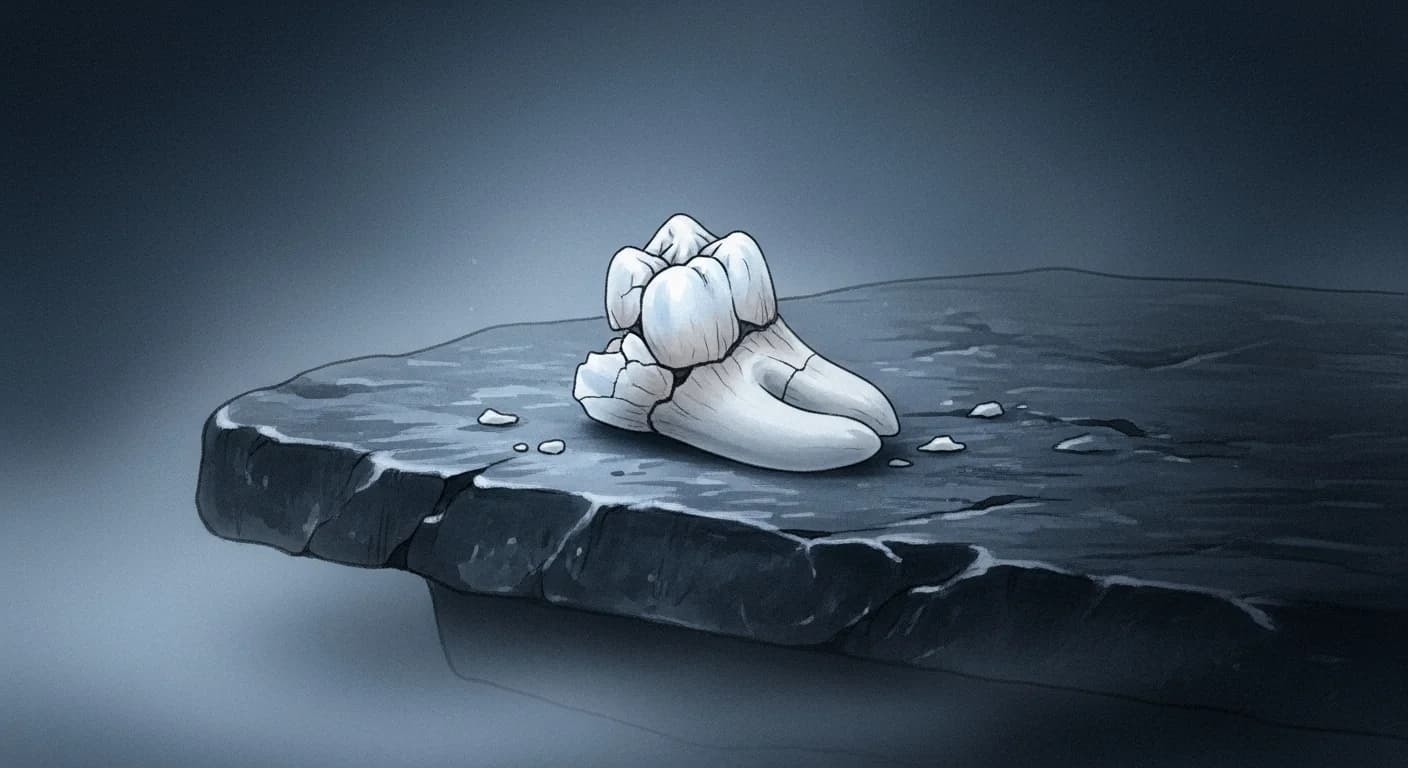
If you woke up last night from a dream where your tooth suddenly snapped in two, the unease probably followed you into the morning. In Korean dream tradition (해몽), teeth are not just body parts — they are symbols of family wellbeing, life vitality, and social standing, which is why teeth-breaking dreams have been taken seriously for centuries. But here is one thing worth knowing before you worry: this dream is not always bad news. What matters enormously is which tooth broke, how it broke, and — perhaps most of all — what you felt in the moment it happened.
Teeth Breaking as an Inauspicious Omen (흉몽)
In Korean dream interpretation, teeth breaking is classified as one of the most common inauspicious omens (흉몽). Because teeth symbolize the tools of livelihood and the vitality that sustains life, their breaking signals that a foundational aspect of life may be under threat.
From a financial standpoint, this dream can warn of unexpected monetary loss or unplanned expenses. If you are in the middle of an important contract or investment decision, treat this dream as a prompt to review the details carefully before proceeding.
From a health standpoint, the dream may be warning you — or a close family member — to pay closer attention to physical wellbeing. If the breaking was accompanied by significant bleeding, the traditional interpretation intensifies the warning around health.
In relationships and professional life, broken teeth can also foreshadow unexpected conflict, loss of trust, or embarrassing situations at work or in social settings. The social impression that teeth represent in Korean culture makes this connection particularly strong.
When Teeth Breaking Is an Auspicious Sign (길몽)
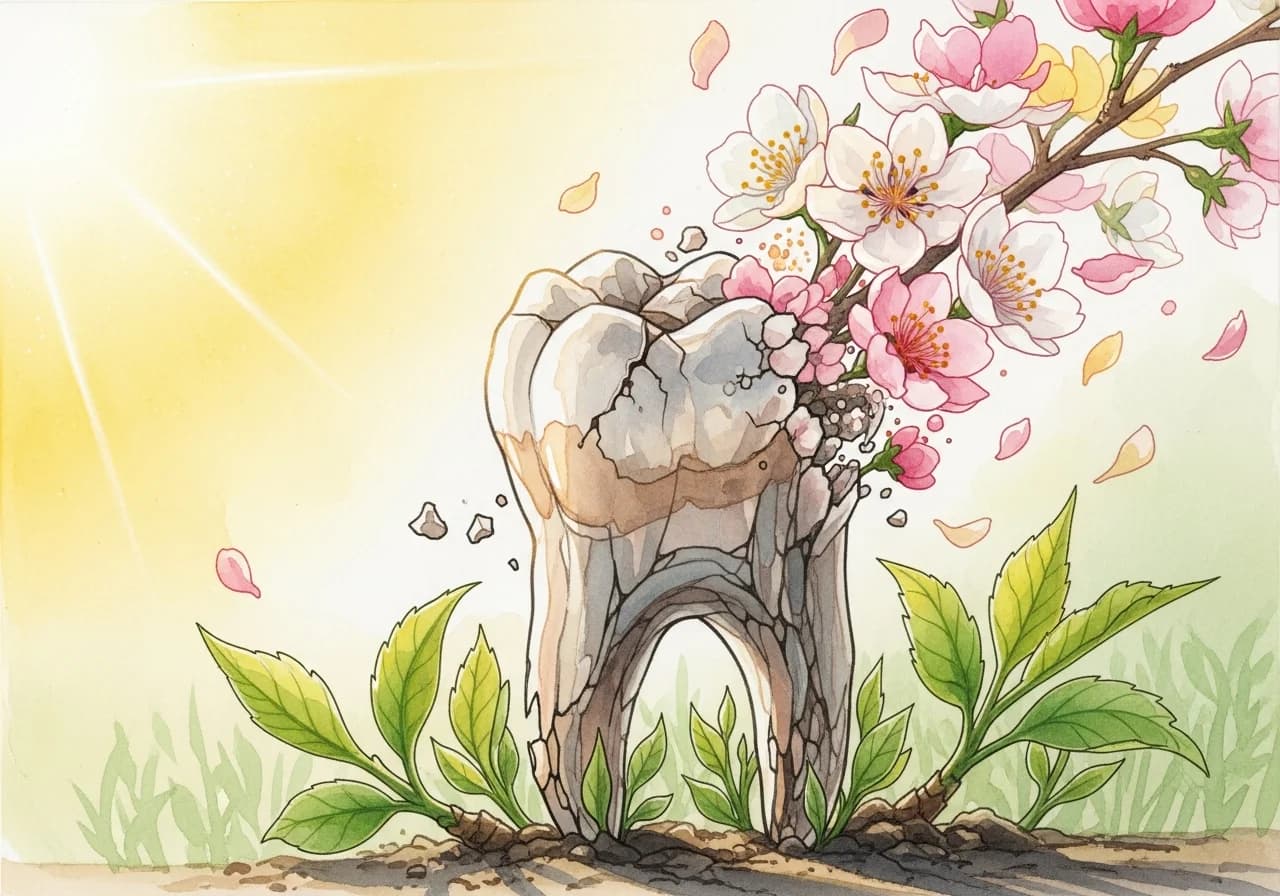
There is an optimistic reading of the teeth-breaking dream that often goes unmentioned: if the tooth that broke was already decayed, painful, or problematic, the dream can actually be interpreted as auspicious (길몽).
The removal of something already damaged signals the clean resolution of long-standing worries, conflicts, or toxic situations. If you felt a sense of relief or lightness after the tooth broke in your dream — rather than fear or pain — that feeling is a strong indicator of a positive interpretation. Something that has been dragging you down may finally be leaving your life.
Similarly, if broken teeth were followed by new teeth growing in their place, the dream carries a neutral to positive meaning. This represents a significant life transition — a career change, a move, a major relationship shift — where the old must fall away before the new can take root. Such dreams often appear before life changes that ultimately prove beneficial.
The Family Symbolism of Teeth in Korean Tradition
One of the most distinctive features of Korean dream interpretation is the direct mapping of each tooth's position to specific family members — a system shared across East Asian cultures.
Upper teeth represent parents and authority figures such as supervisors or elders. A broken upper tooth warns that someone senior in your life — a parent, a mentor, a boss — may be facing difficulties. It is a traditional prompt to check in on elderly parents or senior family members.
Lower teeth represent children, younger siblings, and those in your care. A broken lower tooth signals potential troubles for younger family members: health concerns, academic struggles, or interpersonal difficulties. Paying closer attention to the wellbeing of those younger generations in your household is strongly advised.
Molars represent the family as a whole, particularly the pillars of the household. A broken molar is one of the more serious family-related warnings in Korean dream tradition, suggesting that the household's stability itself may be at risk.
Teeth Breaking and Wealth Luck (재물운)
The connection between teeth and financial fortune in Korean tradition stems from teeth's role as the primary tool of sustenance — the means by which food is processed to sustain life and, by extension, one's economic activity.
A tooth breaking cleanly off often carries the warning of financial loss or a significant unexpected expenditure. For those running businesses or preparing for major financial commitments, this dream serves as a useful reminder to double-check contracts and reconsider risks.
However, if the tooth broke without pain and you felt no distress — perhaps even a sense of clarity or calm afterward — Korean tradition sometimes reads this as a sign that releasing a financial burden, even at some short-term cost, will ultimately lead to greater stability.
Dream Variations
Front Teeth Breaking Dream
Front teeth represent outward social identity and first impressions. Dreaming of front teeth breaking warns of potential damage to your reputation or honor in a professional or public context — perhaps an embarrassing mistake or a loss of credibility. It can also signal that a parent or elder family member may face difficulties. For those in business, it can foreshadow trust issues with partners or unexpected setbacks in ongoing projects.
Molar Breaking Dream
Molars represent the deep structural support of the family unit — the household's anchor figures. A broken molar dream is a serious warning that a family member, particularly someone who plays a central supportive role, may face health challenges or serious difficulties. It signals a need to check on the family as a whole and consider whether long-neglected health checkups are overdue.
Upper Teeth Breaking Dream
Upper teeth specifically correspond to parents, supervisors, and authority figures. Breaking upper teeth in a dream suggests that someone you look up to may be in a vulnerable position — facing health issues, stress, or a significant challenge. It can also indicate that conflict with a senior figure in your professional or family life is brewing. If your parents are elderly, this dream is traditionally taken as a direct prompt to check in on them.
Lower Teeth Breaking Dream
Lower teeth represent children and younger siblings. This dream calls your attention to the younger members of your household — whether a child's health, a sibling's struggles, or a growing tension in family dynamics. It is a gentle but clear prompt to be more attentive and communicative with those in your care.
Teeth Shattering or Chipping Dream
When teeth shatter into fragments rather than break cleanly, the inauspicious warning is amplified. This version of the dream suggests that something currently in progress — a project, a plan, a relationship — may meet a sudden and jarring interruption. The collapse is swift and the damage scattered. Consider this dream a strong signal to shore up your foundations: review your finances, double-check important commitments, and avoid unnecessary risks.
Teeth Breaking with Bleeding Dream
In Korean tradition, blood represents life force and vitality. When teeth break and blood flows freely in a dream, the warning is intensified on both health and financial fronts. A significant drain of energy, resources, or health may be on the horizon. This is one of the more urgent dream warnings, suggesting that proactive steps — scheduling a medical checkup, reviewing your finances — are warranted sooner rather than later.
Decayed Tooth Breaking Dream
Here is the auspicious exception to the general pattern: a tooth that was already rotten or painful breaking apart is good news. It symbolizes that something you have long been troubled by — a stressful situation, a draining relationship, an unresolved conflict — is finally reaching its natural end. The decay is leaving your life. If this dream came with feelings of relief or lightness, embrace it as a sign that a fresh chapter is opening.
Recurring Teeth Breaking Dream
If you dream about breaking teeth repeatedly, Korean tradition shifts the focus from external omens to internal signals. Recurring dreams of this type reflect accumulated stress or unresolved psychological tension that your waking mind has not fully processed. Modern sleep research supports this view: studies have found associations between frequent teeth-related dreams and chronic stress or sleep bruxism (teeth grinding during sleep). The dream is asking you to look inward — to identify what is wearing you down and address it directly.
Cultural Context
In Korean traditional dream interpretation, teeth hold a position of remarkable symbolic weight. They represent not only personal health and vitality, but also the entire family unit — each tooth mapping to a different family member in a system that has roots across East Asian cultures. Upper teeth correspond to parents and elders; lower teeth to children and younger siblings. This is not unique to Korea — nearly identical interpretive frameworks appear in classical Chinese and Japanese dream traditions, pointing to a shared cultural understanding of the body as a map of one's social relationships.
The historical depth of teeth symbolism in Korea is illustrated by the Silla Kingdom royal title 'Isageum (尼師今),' meaning 'the one with many large teeth.' This was not mere physical description — teeth were a direct metaphor for wisdom and authority in ancient Korea, which explains why their damage in a dream was never taken lightly.
In the folk tradition shaped by Korean shamanism (무속), dreaming of broken teeth was a recognized signal to check on one's family and, if necessary, seek a protective charm or consult a shaman. This practice reflects a worldview in which dreams function as genuine communications from the spiritual realm — not entertainment, but actionable information. Even today, many Koreans who experience a vivid teeth dream will call a parent or sibling the following morning without necessarily being able to explain exactly why.
Western Psychological Perspectives
Teeth-breaking and teeth-falling-out dreams are among the most universally reported dream experiences across cultures, and Western psychology has devoted considerable attention to interpreting them.
Sigmund Freud interpreted these dreams through his theory of sexual repression, linking them specifically to castration anxiety. He viewed teeth as instruments of aggression and primal survival instinct; their breaking, in his framework, represented a visual expression of deep unconscious powerlessness or suppressed libidinal energy. For Freud, such a dream was an entry point for free association — a chance to trace the imagery back to hidden fears or repressed desires.
Carl Jung took a notably different — and in many ways more nuanced — approach. For Jung, teeth symbolize the ego and the persona: the social mask we present to the world, the constructed identity we rely on to navigate daily life. Broken teeth in a dream, then, indicated an ego under siege, or a self-concept so rigid that it could no longer absorb external pressure without cracking. Importantly, Jung did not read this as purely negative. Within his framework of individuation — the lifelong process of becoming a more complete, integrated self — the crumbling of a rigid old identity can be a necessary and ultimately liberating event.
Modern sleep science has introduced a fascinating physiological angle. A peer-reviewed study (PMC 6168631, published 2018) examined teeth dreams across a large sample and found no statistically significant relationship with anxiety or depression scores. What the study did find was a modest positive association between these dreams and dental tension or jaw discomfort upon waking — suggesting that sleep bruxism (grinding or clenching teeth during sleep) may generate the physical sensations that the dreaming brain then translates into imagery of breaking teeth.
The contrast between Korean and Western interpretations is instructive. Korean tradition externalizes the meaning — broken teeth warn of danger to family members and social structures. Western psychology internalizes it — broken teeth warn of threats to the individual self and identity. Yet both traditions agree on the essential point: something real and important is under pressure. Whether that pressure is social, familial, or psychological, the dream is asking you to pay attention.
Frequently Asked Questions
Dreaming of breaking teeth is one of the most recognized warning dreams in Korean tradition — but as with most powerful dreams, understanding the details makes all the difference. Which tooth broke, whether it bled, whether you felt fear or relief: each of these signals shifts the interpretation. At its core, this dream asks you to look at what you may be taking for granted — family wellbeing, financial foundations, personal health — and to attend to it before a crack becomes a fracture. Think of it not as a bad omen, but as an unusually vivid reminder from your own inner wisdom.