Trapped Dream Meaning — Between Fortune and Warning
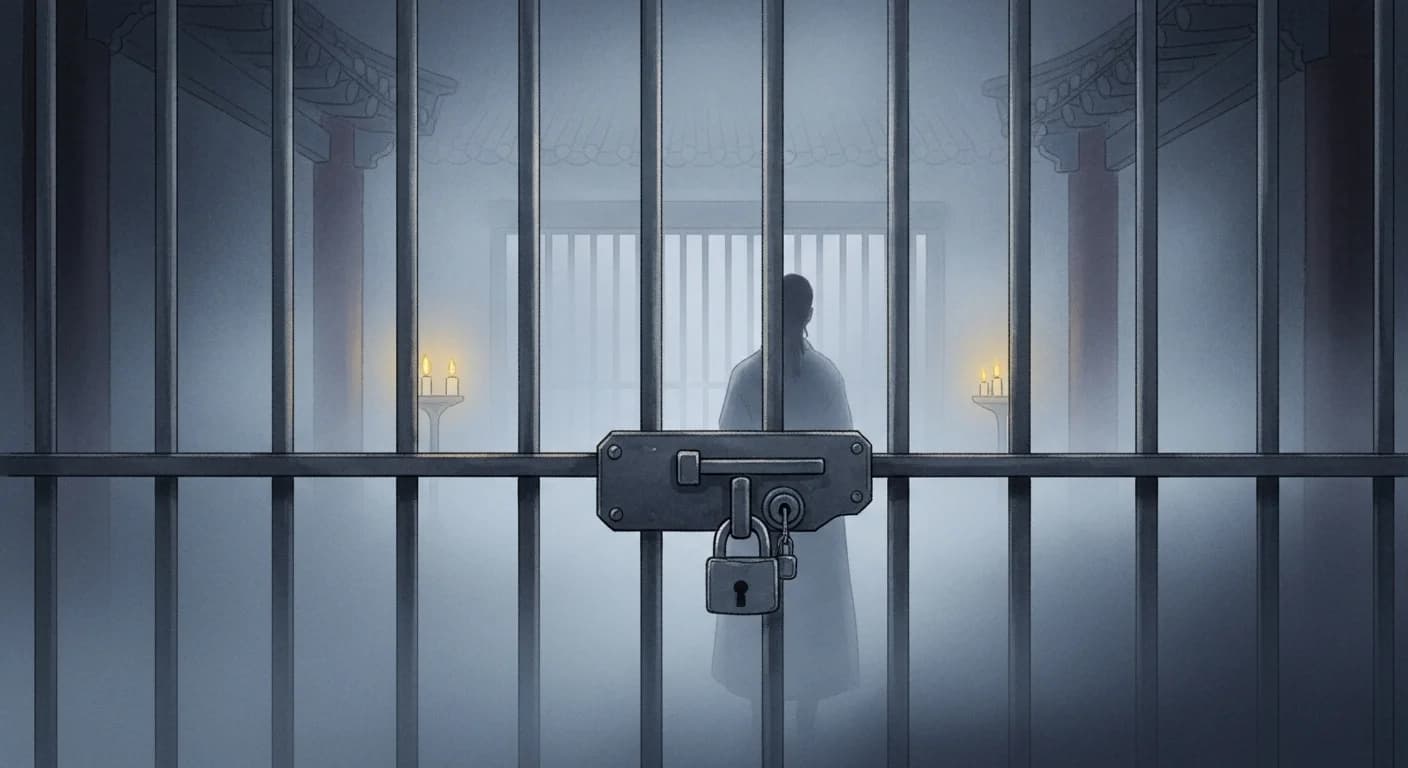
If you dreamed of being locked away last night, Korean dream tradition might have surprising news for you. Wrongful confinement in a dream — being imprisoned without guilt — is one of the most paradoxically auspicious signs in Korean 꿈해몽 (dream interpretation), traditionally foretelling an unexpected windfall. The logic traces back to a folk belief in cosmic rebalancing: undeserved suffering draws compensating fortune. But here's the nuance that changes everything — the same dream, set in a dark basement or inescapable maze, carries entirely the opposite message.
Auspicious: Being Trapped in a Prison or Building
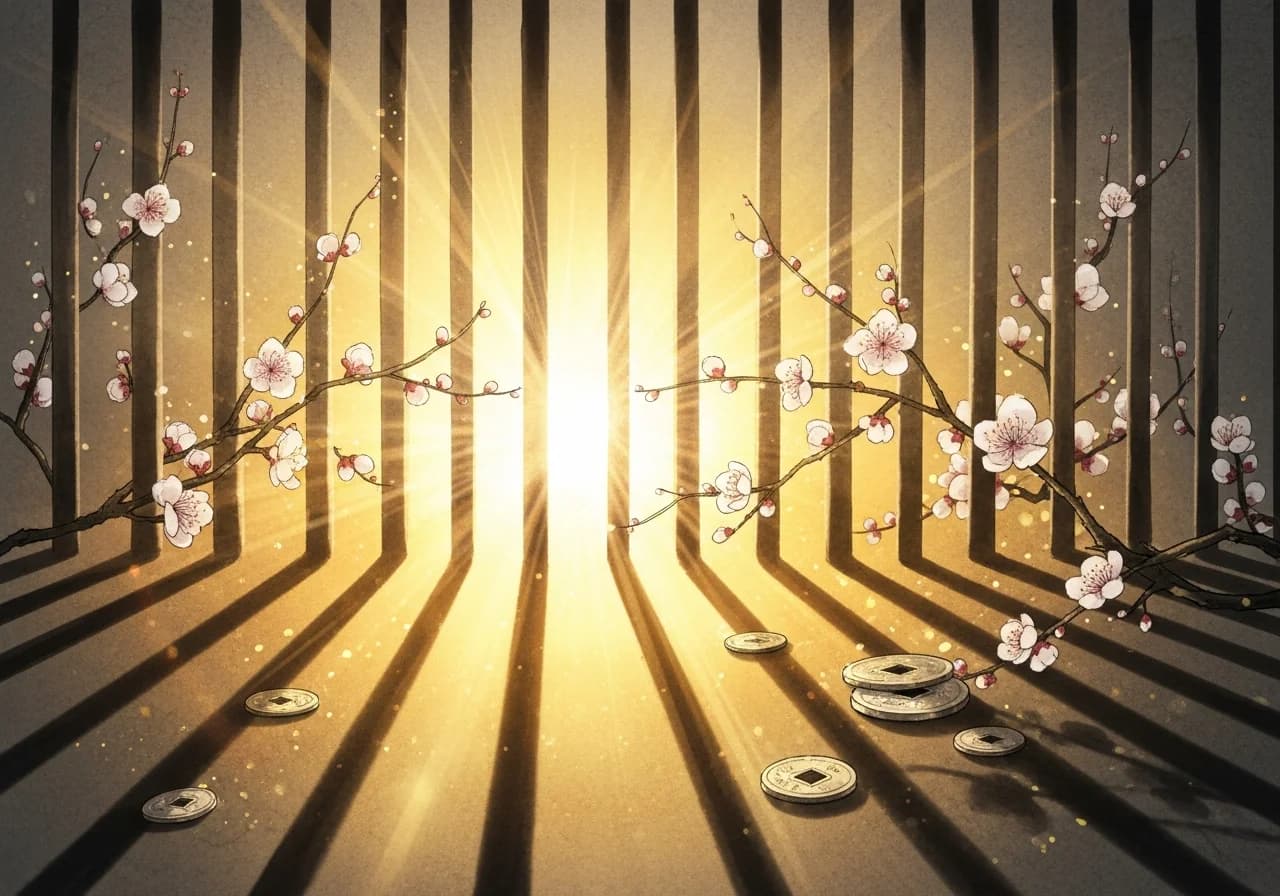
In Korean folk dream interpretation, being trapped unjustly in a prison or building is a 길몽 — an auspicious dream predicting unexpected financial gain (횡재수). The key element is innocence: you did nothing wrong, yet you are confined. Korean tradition reads this as a cosmic IOU — the more unjust and frustrating the confinement feels in the dream, the greater the material reward waiting in waking life. Dreams of rescuing someone who is trapped carry the same auspicious energy, suggesting your generosity or assistance will return to you as good fortune.
Auspicious: Escaping from Confinement
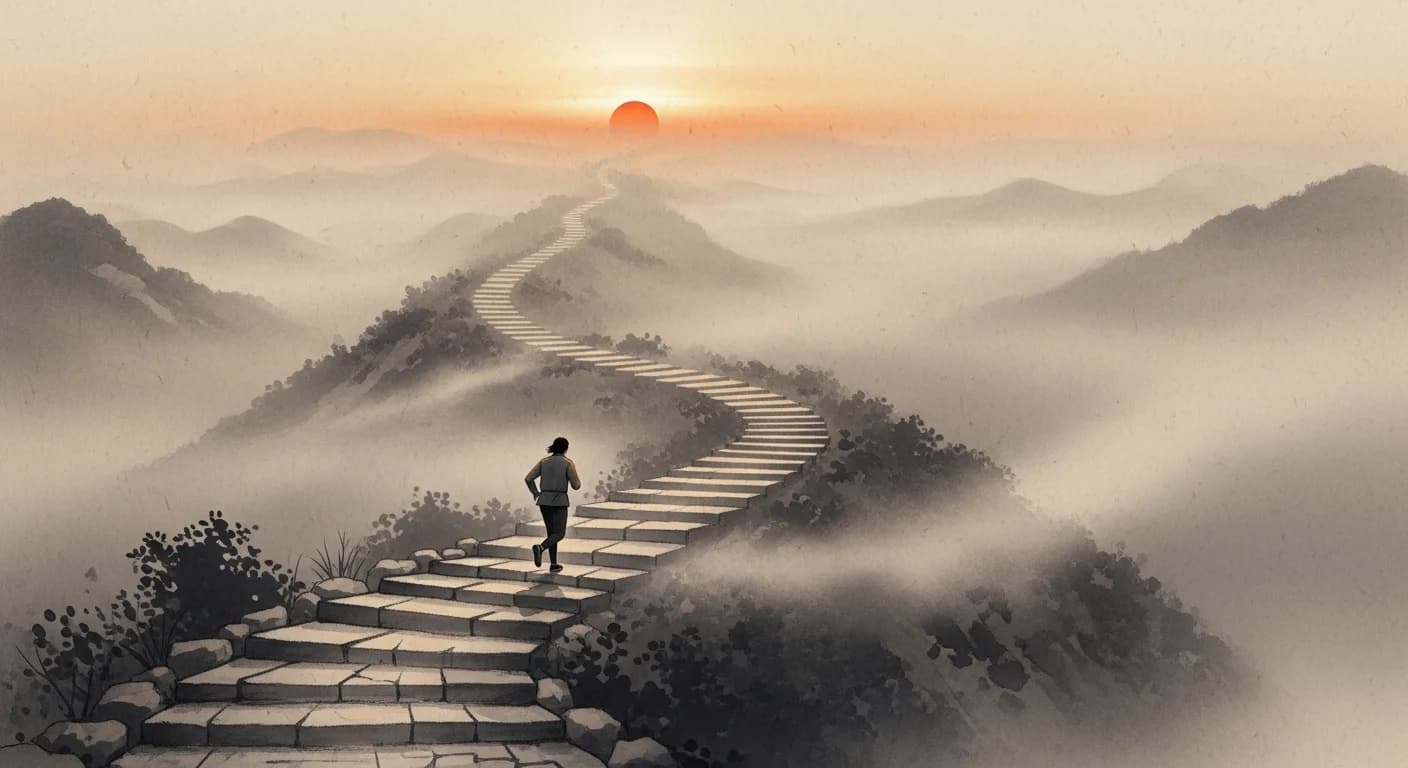
Successfully escaping from a confined space is a strongly positive dream, signaling that current difficulties are about to be resolved and a fresh start is near. Escaping from a tall building carries particularly powerful symbolism — the higher the building, the greater the freedom you are breaking toward. Constraints that have held you back — whether a relationship, a job, or a long-standing limitation — are about to dissolve. If you rescued another person while escaping, the dream suggests that your intervention will play a decisive role in someone's life soon.
Inauspicious: Trapped in Dark Spaces or Mazes
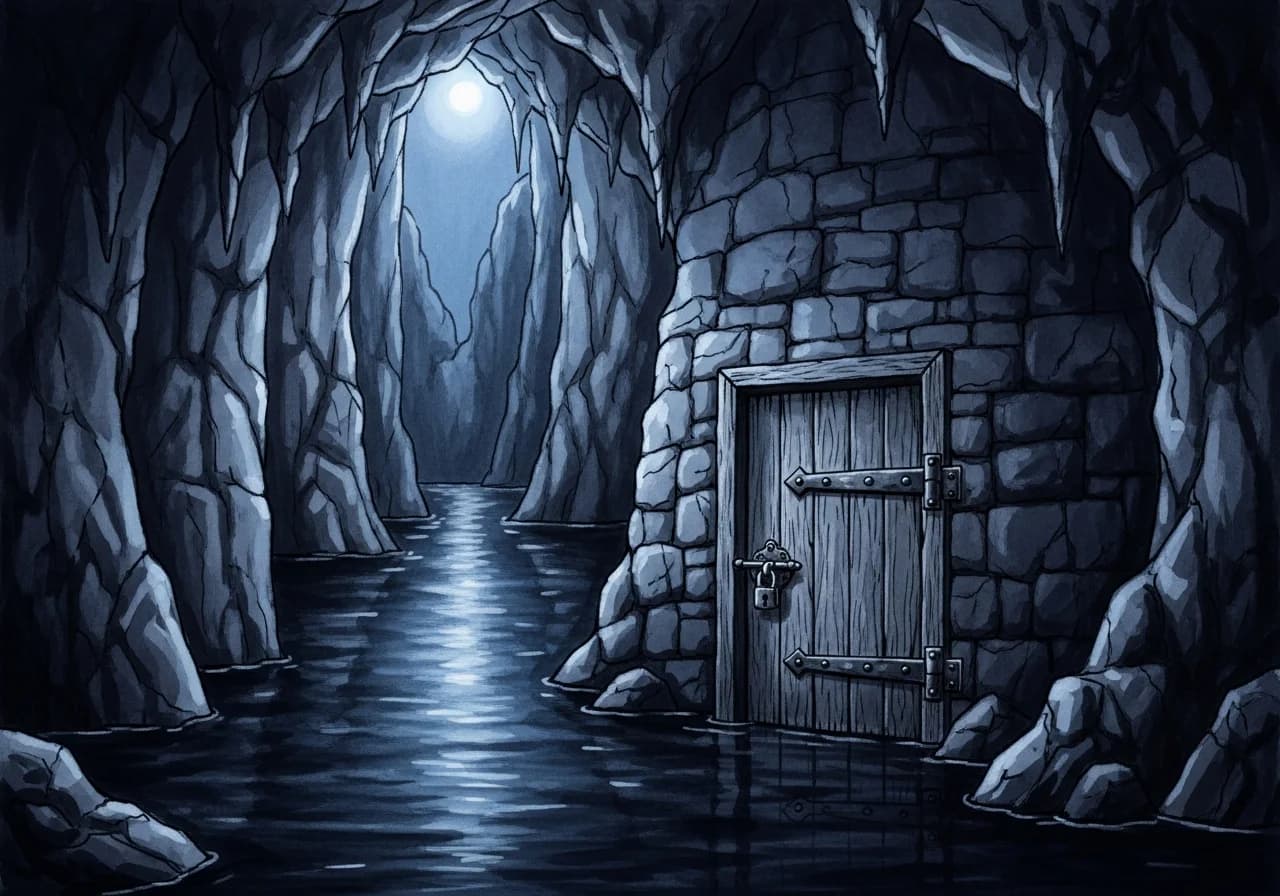
Being trapped in a dark room, underground, a cave, or an endless maze — especially when escape is impossible — is an inauspicious dream. These settings in Korean tradition represent unresolved problems, mounting frustration, and psychological stagnation. The inability to escape is the critical detail: it warns that problems currently facing you in work or business will not resolve easily. If the setting is a maze, the dream may suggest that every option available leads to an unfavorable outcome. This is a dream to pause on, not push through.
Inauspicious: Trapped in Fire or Rising Water
Being trapped in a burning building is the most urgent trapped dream — a warning of severe psychological overload and stress that has reached a critical threshold. Fire pressing in from all sides mirrors the feeling of pressures converging in waking life. Being trapped by rising water carries a different quality: it symbolizes suppressed emotions that can no longer be contained, about to surface. Both images point to a situation that urgently requires relief, rest, and emotional release rather than continued pushing forward.
Inauspicious: Trapped in Everyday Spaces
Elevators, cars, classrooms, and bathrooms are all familiar spaces — and when you are trapped in them in a dream, the confinement reflects the social role or institutional pressure that space represents. Being stuck in an elevator suggests stalled progress toward goals, a period requiring patience. A car means constraints on the direction or pace of your life path. A classroom evokes parental or authority-figure expectations weighing heavily on the unconscious. These dreams are worth sitting with: they are specific about where the pressure is coming from.
Dream Variations
Trapped in a Room Dream
Being trapped in a small room reflects dissatisfaction with current circumstances and excessive work stress. The brightness of the room matters as an interpretive clue: a dark room signals anxiety and fear about the future, while a brightly lit enclosed room may indicate a preparatory phase — temporarily confined but building toward a goal.
Trapped Underground Dream
Being trapped underground or in a cave signifies a problem with no visible solution, often connected to work or business. It also signals being anchored to unresolved past issues or buried emotions. In Korean geomantic tradition (풍수지리), underground spaces carry heavy yin energy — an environment of suppression and stagnation.
Trapped in a Burning Building Dream
Being trapped in a burning building is an urgent warning of stress at an unmanageable level. Pressure is closing in from every direction. This dream is one of the body and unconscious mind sending a joint message that rest is not optional — it is necessary.
Trapped by Water Dream
Being trapped in water or a space filling with water symbolizes suppressed emotions rising uncontrollably. Unresolved emotional anxiety has built up and is approaching the surface. The faster the water rises in the dream, the more urgent the need to process and release what has been held back.
Trapped in Prison Dream
Imprisonment is traditionally one of the most auspicious trapped dreams in Korean interpretation — particularly if the confinement is wrongful. It signals an unexpected windfall and smooth progress in endeavors. The exception is dreaming of being imprisoned for an actual crime, which reflects suppression and longing for freedom rather than fortune.
Locked In, Unable to Open the Door Dream
Being locked in with no way to open the door symbolizes a real obstacle blocking goal achievement. If effort fails to open the door, the dream warns of a concrete barrier standing between you and your current plans. Dreaming of searching for a key suggests the will to find the solution is active — keep looking.
Unable to Escape No Matter What Dream
Complete inability to escape warns that current problems — particularly in work or business — will not resolve soon. Being stuck in a maze specifically suggests that every available option leads to an unfavorable result. This dream is a clear signal that outside help, guidance, or a fresh perspective is needed.
Kidnapped and Confined Dream
Being kidnapped and held captive warns of deteriorating personal relationships. The loss of agency in the dream mirrors feelings of being controlled or manipulated by someone in waking life. Take it as a prompt to examine your close relationships for dynamics that may be limiting your autonomy.
Trapped in an Elevator Dream
Being trapped in an elevator reflects exhausting stress from work or studies, and stalled upward progress toward goals. The elevator is a symbol of ambition in motion — when it stops and you cannot escape, your drive has hit a wall. Patience and a strategic pause are indicated.
Successfully Escaping Confinement Dream
Successfully escaping is an auspicious dream signaling that current problems will resolve and a new chapter is opening. Escaping a high-rise building specifically indicates the dissolution of long-standing constraints. If you emerge into a wide, open space after escaping, the dream points to newly unlocked possibilities and a significant positive turning point ahead.
Cultural Context
In Korean traditional dream interpretation, the trapped dream reveals a paradoxical belief system deeply rooted in shamanistic and folk religious tradition. The counterintuitive reading of prison confinement as a wealth omen reflects the Korean folk concept of cosmic rebalancing — that undeserved suffering in the dream world draws compensating fortune in the waking world. This logic blends Buddhist karma (업, eop), Confucian heavenly mandate (천명, cheonmyeong), and the shamanistic belief that spirits intervene to help the unjustly oppressed. By contrast, dreams of dark underground or cave entrapment were interpreted through a geomantic (풍수지리) lens — subterranean spaces carry heavy yin energy (음기) and signify suppression of vital life force. In Joseon-era folk tradition, the defining interpretive axis was the quality of the space: bright versus dark, above-ground versus subterranean, open versus sealed. Light visible through confinement, or successful escape, was invariably read as an auspicious sign — making the spatial quality of the dream as important as the act of confinement itself.
Western Psychological Perspectives
Western Psychological Perspectives
Freudian psychoanalysis reads trapped dreams as representations of repressed desires or unconscious impulses blocked by the censor of conscious awareness. The enclosed space visualizes the superego's suppression of the id's drives, while the urge to escape represents pent-up libidinal energy searching for release. Freud also linked small enclosed spaces to womb regression imagery — a primal longing for safety and security buried in the unconscious mind. For Freud, the dreamer's emotional response within the confinement is key: panic suggests acute repression, while calmness may indicate a deeper, more accepted constraint.
Carl Jung's analytical psychology interprets trapped dreams as the ego encountering the unconscious Shadow, or hitting a barrier in the individuation process — the lifelong journey toward psychological wholeness. The confined space mirrors the alchemical vas hermeticum: a sealed vessel in which inner transformation occurs, cut off from the outer world. This reframes confinement not as punishment but as the container for necessary inner change. Successfully escaping the trap, in Jungian terms, symbolizes the ego integrating the Shadow and advancing toward a more complete Self — making the dream potentially meaningful as a marker of growth in progress.
Modern cognitive psychology and neuroscience understand trapped dreams as common responses to loss of control, chronic stress, and major life transitions. During REM sleep, the brain's threat-detection system (the amygdala) processes feelings of psychological suppression through physical confinement imagery. These dreams become more frequent during job burnout, relationship conflict, and pivotal decisions. Psychotherapists find them useful diagnostic tools — the specific setting and the dreamer's response often mirror precisely the source of waking-life constraint.
Korean folk tradition and Western psychology share the premise that trapped dreams reflect real-life constraint and psychological tension. Where they diverge is in what that constraint means: Western analysis reads it uniformly as suppression to be addressed, while Korean tradition can paradoxically reverse the negative imagery into a fortune omen. This interpretive flexibility — reading the same symbol as either burden or blessing depending on context — is a distinctly Korean contribution to the cross-cultural conversation about what our dreams are trying to tell us.
Frequently Asked Questions
A trapped dream is not simply a nightmare to shake off. Read through the right lens, it can be one of the most informative dreams you have — flagging where in your life pressure has built beyond a comfortable point, or paradoxically, signaling that an unexpected windfall is on its way. Whether your dream carried the sting of dark confinement or the spark of escape, let it orient you. Every locked door in a dream is pointing at something real — and understanding that is the first step toward moving through it.