Body Transformation Dream Meaning
If your body changed shape in last night's dream — growing enormous, glowing with golden light, or twisting into something unrecognizable — Korean dream tradition treats this as one of the most significant omens a sleeper can receive. In the shamanistic roots of Korean folk interpretation (무속), a person whose body transformed in a dream was thought to have received a message from the spirit world itself. Here's the nuance that makes all the difference: the meaning shifts entirely depending on what your body became and how you felt during the transformation.
Auspicious: Growing Stronger and Radiant
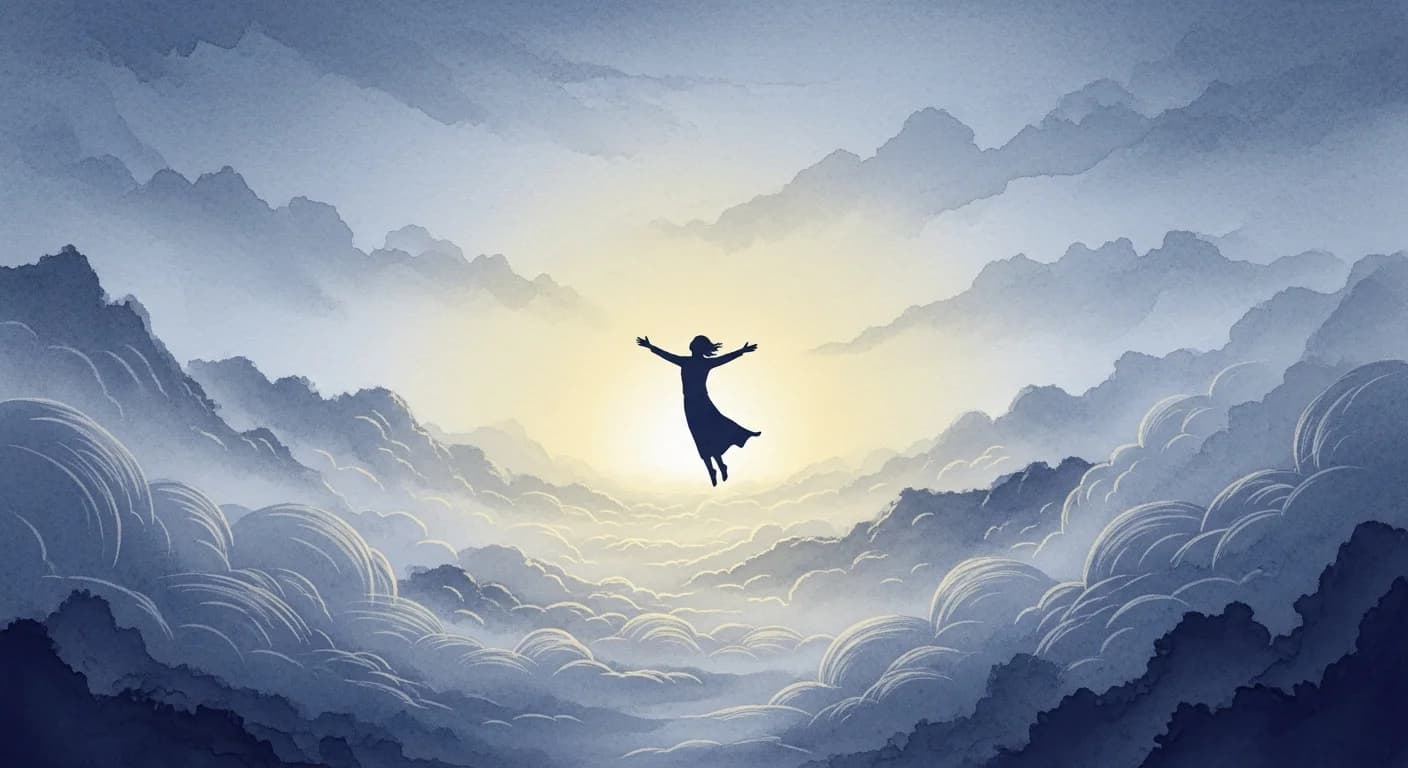
When your body grows larger, stronger, or begins radiating golden or white light, Korean dream interpretation ranks this among the most auspicious visions possible. This type of dream predicts a rise in social status, a sharpening of your abilities, and notable achievements in career or studies. Most powerfully, if wings spread from your body and you take to the sky, this is considered a supremely lucky dream (대길몽) — a forecast of career advancement and the fulfillment of long-held ambitions. The emotional resonance matters: if you felt exhilaration and freedom during the transformation, a new chapter in your life is genuinely beginning.
Auspicious: Transforming into a Sacred Being
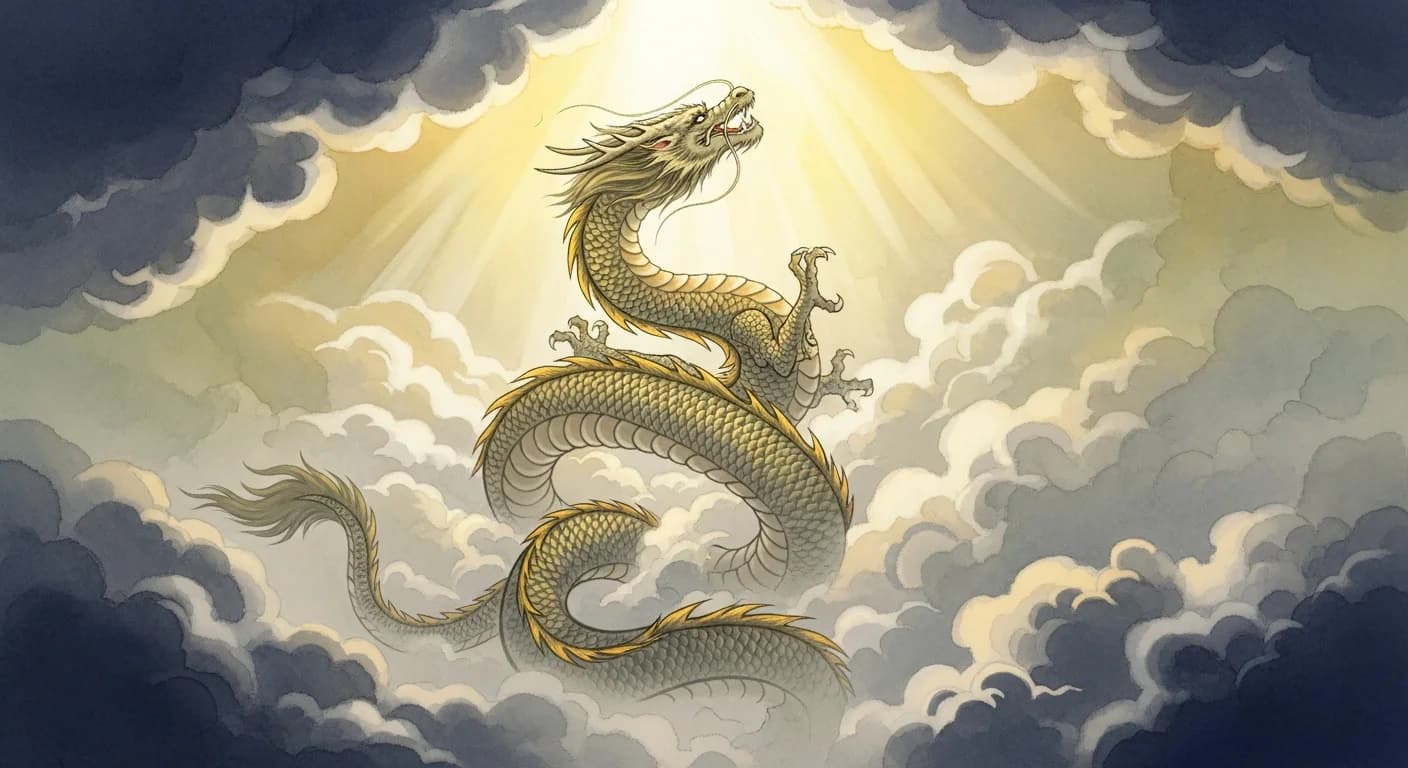
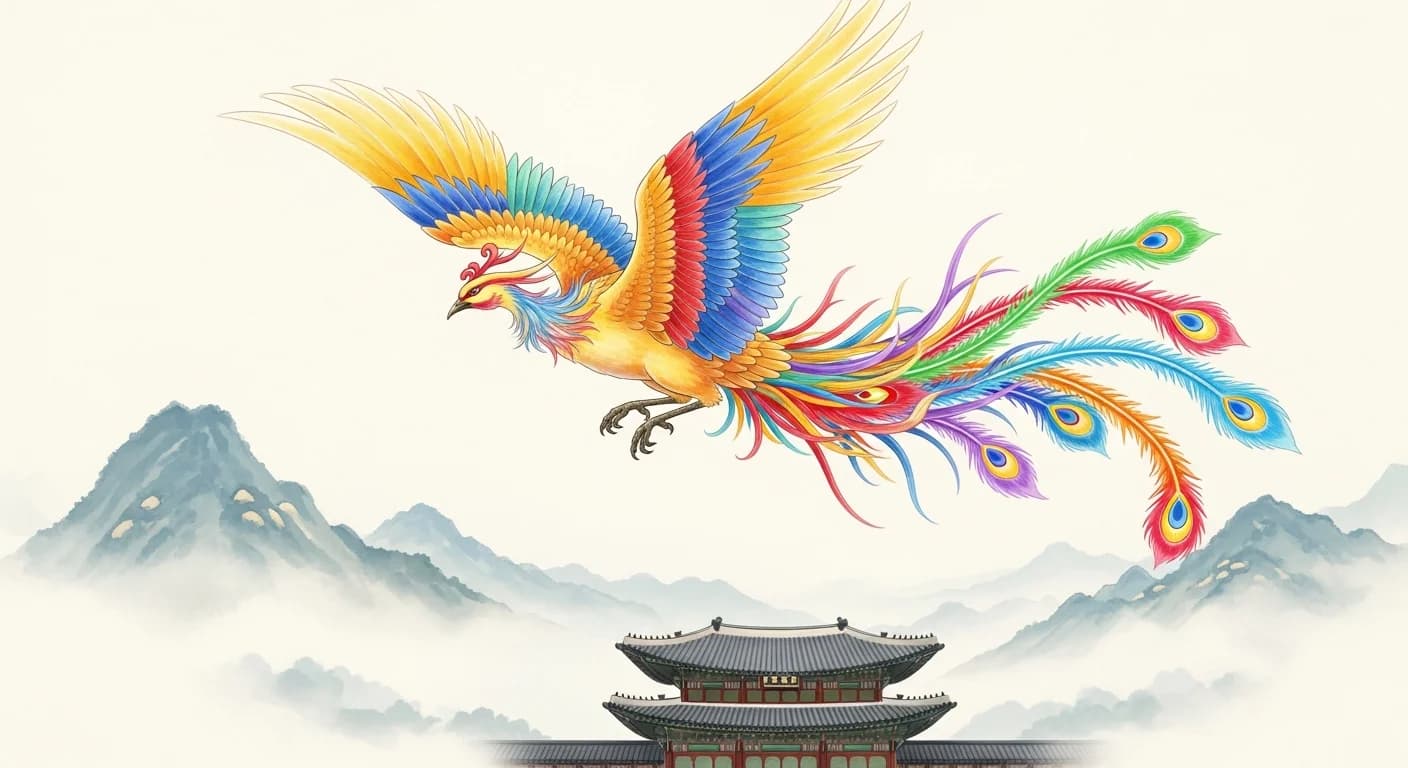
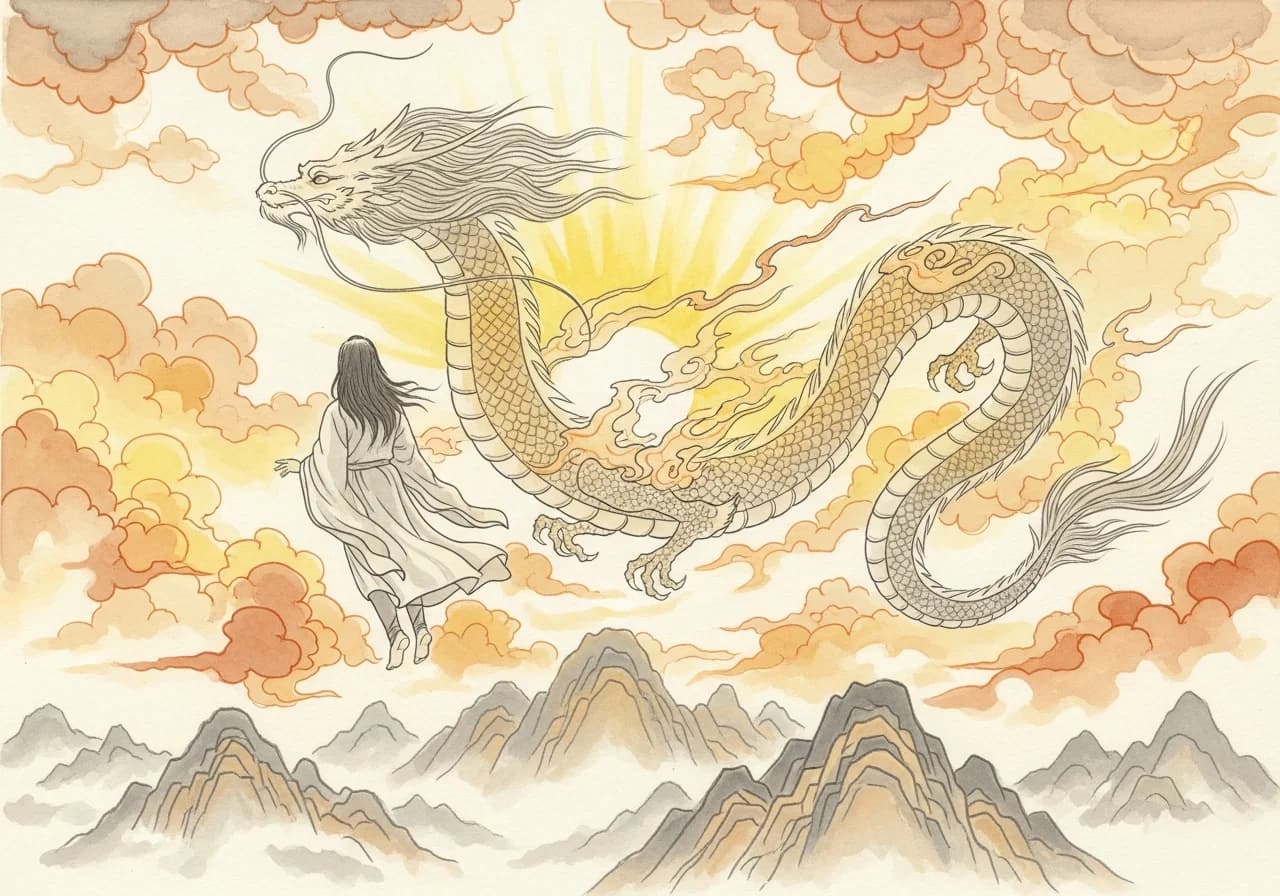
Becoming a dragon, phoenix, or tiger — the holy trinity of sacred animals in Korean tradition — or taking on the form of an immortal sage is considered extraordinarily auspicious. This dream signals that hidden talents are about to surface, that great fortune is approaching, and that the dreamer may be under divine or ancestral protection. In the uniquely Korean tradition of conception dreams (태몽), pregnant women who experience this transformation dream are believed to be carrying a child destined for greatness. If you are facing a major challenge or opportunity, this dream is a clear signal to step forward boldly.
Inauspicious: Becoming a Monster or Darkness
The shadow side of body transformation is significant. Turning into a monster, grotesque creature, or skeletal figure is a warning dream in Korean tradition — signaling deteriorating health, incoming misfortune, or the risk of harm caused by envy or jealousy from those around you. A body turning black or darkening carries a similar warning: watch for health issues, potential misunderstandings that damage your reputation, or failures in important matters. If you have this type of dream before a major decision or contract, slowing down and reviewing carefully is advisable.
Neutral: Transformation as Identity Shift
Dreaming that your body becomes someone else's, or that your gender changes, is treated as a neutral, psychologically rich dream rather than a clear fortune omen. These dreams tend to appear during major life transitions — starting a new job, getting married, moving to a new city — as the mind works through the process of adopting a new identity. If curiosity outweighed fear in the dream, you are ready to embrace the change ahead. If you felt disoriented or anxious, the dream may be nudging you to do more preparation before taking the leap.
Dream Variations
Body Transforming Into an Animal Dream
The meaning depends entirely on the animal. Becoming a dragon or tiger is supremely auspicious — a forecast of business success and career ascent. Transforming into a soaring eagle or phoenix signifies freedom and achievement. Turning into a small creature like a rat or snake, especially with a feeling of fear, warns of a decline in status or an erosion of confidence.
Body Growing Enormous Dream
This is a straightforwardly positive dream in Korean tradition. Growing to an enormous size predicts an expansion of influence, a likely promotion, or recognition from peers and superiors. If you grew so large that others appeared tiny beside you, Korean interpretation reads this as a hint that a leadership position is within reach.
Body Becoming Transparent Dream
Turning transparent or invisible carries a dual meaning. It can reflect feelings of invisibility or loneliness in waking life, but it can also suggest an opportunity to move undetected and accomplish your goals without scrutiny. The emotional tone is the key: relief and freedom point to liberation, while fear or sadness suggest anxiety about being overlooked.
Body Reverting to Childhood Dream
Returning to a child's body is a common dream during periods of exhaustion from adult responsibilities. It reflects nostalgia, a longing for simplicity, and often a subconscious desire for a fresh start. Read positively, it signals that a reset or new beginning is possible — the desire is already alive inside you.
Body Glowing Golden Dream
A body radiating golden or brilliant white light is one of the most prized dreams in Korean tradition. It signals a sharp rise in both wealth and reputation, and is understood as a sign of divine blessing or ancestral protection watching over the dreamer. For pregnant women, this is considered the most auspicious type of conception dream.
Body Turning into Wood or Stone Dream
This transformation warns of rigidity — emotional inflexibility, stubbornness, or a tendency toward isolation. On the other side, it can symbolize unbreakable willpower and an indomitable spirit that no outside force can bend. Whether positive or negative depends on whether the dreamer felt empowered or trapped.
Body Splitting in Half Dream
A body dividing in two symbolizes inner conflict — standing at a crossroads between two significant choices. In Korean folk tradition, this dream often foreshadows separation from a family member or the ending of an important relationship. It is a signal to pay attention to relationships under strain and to be intentional about key decisions ahead.
Gender Transformation Dream
Changing gender in a dream is interpreted in Korean tradition as the emergence of dual talents and the inner movement toward achieving balance between yin and yang (음양). A man becoming a woman suggests that sensitivity and flexibility will be required in an upcoming situation; a woman becoming a man hints at a coming challenge that demands strong decisiveness and leadership.
Cultural Context
In Korean traditional dream interpretation, physical transformation goes far beyond a change in the body — it signals a turning of fate and identity. In the shamanic tradition (무속), the descent of a deity into a human body, or a shaman taking on a divine form, was considered a sacred revelation. Such transformation dreams were interpreted as a calling from the spirit world or a sign of spiritual awakening. Within Buddhist influence, bodily transformation connected to the cycle of reincarnation (윤회), hinting at karmic ties between past and present lives. From a Confucian perspective, a body growing stronger or radiant signified the accumulation of virtue (덕), while a weakening or damaged body warned of insufficient moral cultivation. In the uniquely Korean tradition of conception dreams (태몽), transforming into a sacred animal or immortal being was the most auspicious of all omens — a child born of such a dream was expected to grow into a person of great significance to the world.
Western Psychological Perspectives
Sigmund Freud viewed body transformation dreams as expressions of the ego's destabilization and the surfacing of repressed desires. A body shifting into another form reflects an unconscious wish to escape one's current self, or the transformed expression of libidinal energy seeking an outlet. Growing larger or stronger in a dream, from a Freudian lens, often represents projection of the drive for power and self-aggrandizement — a reminder from the unconscious of ambitions that waking life has not yet satisfied.
Carl Jung read body transformation very differently. In analytical psychology, bodily metamorphosis symbolizes the integration of unconscious archetypes — the Shadow, Anima, or Animus — with the conscious self, a key milestone in the individuation process. Transforming into an animal represents a reconnection with instinctual, pre-rational nature; becoming a divine or sacred being signals a union with the Self and the journey toward psychological wholeness. Jung would have seen these dreams not as disturbances but as gifts: the psyche showing the dreamer who they are becoming.
Modern cognitive psychology and dream research explain body transformation as a reflection of identity exploration during high-stakes transitions. Research consistently shows these dreams spike during periods of major role change — starting a new career, entering or leaving a relationship, relocating. The brain is effectively running simulations of a new identity, preparing the emotional system for what is ahead.
Across world cultures, the transformation dream is a universal archetype. Native American traditions view animal transformation as union with a spiritual totem. Greek and Roman mythology treated metamorphosis as divine intervention. Most philosophically, the Chinese philosopher Zhuangzi's butterfly dream — did he dream he was a butterfly, or is the butterfly now dreaming it is him? — asks the same question Korean folk dream interpretation implicitly explores: where does the self end and transformation begin?
Frequently Asked Questions
Body transformation dreams are the psyche's most vivid language for announcing change — in identity, in fortune, and in the arc of your life. Whether you woke feeling exhilarated by wings spreading from your shoulders or uneasy about the dark form you had become, both versions are asking the same question: who are you becoming? Korean tradition and modern psychology agree on this much — pay attention to these dreams. They are not random noise. They are the self, in transformation, learning its own shape.