
Crab Dream Meaning — Korean Interpretation & Symbolism
If you dreamed of feasting on crab or spotting a massive king crab in the water, Korean dream tradition likely has good news for you — wealth and unexpected gains are on the horizon. In Korean folk dream interpretation (꿈해몽), the crab has long symbolized maritime abundance and life force, making it one of the more complex and rewarding symbols to encounter in a dream. Here's the surprising part: even being pinched by a crab's claw is considered a lucky sign — specifically, a signal that someone you've been admiring may confess their feelings first.
Auspicious Crab Dreams — Wealth, Love, and Achievement

Eating crab with pleasure is one of the most recognized good-luck dream signs in Korean tradition. It foretells increasing wealth and a more prosperous daily life — the kind of dream where a financial windfall or unexpected opportunity is said to be close at hand. Seeing a large, lively crab also carries positive meaning: it signals a surge in your creative energy and suggests that channeling this force into worthwhile work will lead to meaningful results.
Being pinched by a crab's claw sounds alarming, but Korean dream interpretation reads it as a delightful omen for your love life. The pinch predicts that someone you've had your eye on may make the first move. Cooking crab in a dream reflects an adventurous, open spirit — it suggests you will successfully navigate change and wrap up ongoing projects with satisfying results.
Cautionary Crab Dreams — Failure, Stubbornness, and Avoidance
A dead crab in a dream is a warning sign. Korean dream tradition reads it as a signal that one of your current plans may not unfold the way you hoped. If you are standing on the edge of a major investment or contract, this dream urges you to pause and review your assumptions carefully before committing.
Watching a crab escape from your grasp suggests that a lack of support from others will lead to disappointing results — your efforts may not match expectations because you are working without adequate backing. A dream where a crab's sideways walk feels strangely significant is a prompt to examine whether you are sidestepping problems rather than facing them head-on. Dreaming of many crabs swarming together carries a cautionary note about stubbornness — inflexibility, the dream warns, may eventually carry a heavy cost.
Crab Dreams as Pregnancy Omens (태몽)
In Korean culture, certain vivid dreams experienced during pregnancy — or by those close to a pregnant person — are known as 태몽 (taemont), pregnancy omen dreams. The crab is a recognized 태몽 symbol. Folk tradition holds that dreaming of many crabs may foretell the birth of a daughter, while dreaming of only a small number of crabs may predict a son.
As with all pregnancy dream interpretation, the emotional quality of the dream matters greatly. A lively, vigorous crab is generally read as an encouraging sign for the child's health and vitality. A dull or dead crab in a pregnancy context would prompt greater care and attention to health during the pregnancy.
Dream Variations
Dream of Being Pinched by a Crab
This is a lucky sign for romance. It predicts that someone you've admired may confess their feelings first, or that your appeal to a romantic interest will rise unexpectedly. If the pinch felt painful or genuinely alarming rather than playful, it may instead signal that suppressed emotions are finally pushing toward the surface.
Dream of a Large or Giant Crab (왕게)
A king crab or unusually large crab symbolizes abundant creative potential that is ready to be unleashed. Channeling this energy into serious work can lead to significant achievements. For those in business, a large-scale opportunity may be approaching — the timing calls for readiness and bold preparation.
Dream of Many Crabs
Generally a cautionary sign: excessive stubbornness or an unwillingness to adapt may lead to costly outcomes. This dream asks you to consider whether flexibility might serve you better than holding your ground. As a pregnancy omen (태몽), however, many crabs can foretell the birth of a daughter.
Dream of Catching a Crab
Successfully catching a crab is auspicious — wealth proportional to your effort is on its way, and unexpected gains are possible. If the crab escapes or you cannot catch it, the dream warns that a lack of support from others will make your goals harder to reach than anticipated.
Dream of Eating Crab
Eating crab with enjoyment is a strong good-luck sign across all areas of life — financial, personal, and relational. If eating was difficult or the taste was off, the dream may warn of hollow effort: working hard but failing to see real rewards.
Dream of a Blue Crab (꽃게)
The blue crab (꽃게) is a beloved staple of Korean coastal cooking, central to iconic dishes like soy-marinated crab (간장게장) and spicy crab stew (꽃게탕). Dreaming of one often symbolizes connection to nature, abundant harvest, and the warm pleasure of a shared family meal.
Dream of a Dead Crab
A warning that one of your current plans may fall short of expectations. If facing a significant investment or decision, this dream urges extra care and thorough review. From a psychological angle, it can also represent the resolution of a long-standing emotional conflict — something old finally letting go.
Dream of a Crab Walking Sideways
If the crab's sideways movement stood out as strange or unsettling, the dream is nudging you to confront issues you have been avoiding rather than working around. Some problems cannot be solved by delay or detour. Alternatively, this dream can positively affirm that an indirect or unconventional approach is actually the wisest path forward in your situation.
Dream of Cooking Crab
Reflects an adventurous spirit and a genuine comfort with change. It suggests you will successfully complete ongoing work and achieve solid results through your willingness to try new approaches. A good sign for projects nearing their completion stage.
Cultural Context
In Korean culture, the crab has long been a symbol of maritime abundance and vitality. The blue crab (꽃게, Portunus trituberculatus), caught along the Yellow Sea and South Sea coasts, is a beloved staple of Korean cuisine — appearing in iconic dishes like 간장게장 (soy-marinated crab) and 꽃게탕 (spicy crab stew). In coastal communities such as those on Jeju Island, catching crabs was itself a symbol of a good catch and secure livelihood. It was natural to believe that dreaming of crabs signaled actual increases in income or harvest.
Large crabs, particularly the king crab (왕게), were associated with longevity (장수) and good fortune (재복), as their hard shells were seen as embodying resilience in the face of hardship. The crab's characteristic sideways walk is also a common Korean idiom for indirect or evasive behavior — and when this movement appears prominently in a dream, it carries that same cultural weight as a warning against avoidance. In the tradition of pregnancy omen dreams (태몽), folk lore holds that many crabs may foretell a daughter, and few may predict a son.
Western Psychological Perspectives
Western psychology brings a rich and complementary lens to crab dream symbolism — one that resonates intriguingly with the Korean folk tradition.
From a Freudian standpoint, the crab's hard shell is a near-perfect metaphor for the ego's defense mechanisms — the protective armor we build around our vulnerabilities. Being pinched by a crab may signal that suppressed emotions or desires are applying internal pressure, pushing toward expression. The sideways walk, too, speaks to a Freudian theme: the ego's preference for indirect routes over confronting anxiety-producing situations directly.
Jungian psychology deepens this reading considerably. The crab is a water-dwelling creature, placing it squarely in the realm of the unconscious — the dark, fertile ocean of emotion, intuition, and collective memory that Jung saw as the foundation of the psyche. As an archetypal image, the crab invites exploration of the maternal archetype and the primal depths of the inner world. Most strikingly, the crab's molting — shedding its old shell to grow a new, larger one — is one of the most powerful natural metaphors for Jungian individuation: casting off an outdated persona and emerging as a more authentic, evolved self.
Modern psychology takes a more practical angle, framing crab dreams around emotional boundaries and self-protection. The crab's dual structure (hard outside, soft inside) mirrors a common psychological dynamic: projecting strength while feeling genuinely vulnerable within. These dreams often arise when a person is navigating difficult relationship dynamics and needs to evaluate whether their defenses are appropriate or excessive.
Cross-culturally, the crab carries consistent themes of protective abundance. In Western astrology, Cancer (June 22 – July 22) is a water sign ruled by the Moon, governing sensitivity, maternal instinct, intuition, and cyclical renewal. In Chinese tradition, the crab symbolizes prosperity and good fortune. Even in Buddhist contexts, the crab's eight legs have been linked to the Eightfold Path. Across all these traditions, the crab emerges as a symbol that bridges inner protection and outer flourishing — a bridge that the Korean dream tradition captures in its own culturally specific way.
Frequently Asked Questions
Crab dreams in Korean tradition are layered and genuinely fascinating. They can signal financial opportunity, unexpected romantic luck, or a creative breakthrough — but they can also prompt honest reflection on stubbornness, avoidance, and plans that need recalibration. The most important details are whether the crab was alive or dead, whether you caught it or it escaped, and how the dream felt overall. Hold onto those details. Korean dream interpretation rewards the observer who pays attention, and your crab dream may be pointing toward something worth acting on.
Related Dreams
Shrimp Dream Meaning: Wealth, Longevity, and Humble Achievement
Octopus Dream Meaning — Eight Arms of Fortune and Warning
Lobster Dream Meaning — A Strong Omen of Wealth and Rising Status
Clam Dream Meaning: Hidden Wealth, Pearls, and Korean Fortune Symbolism
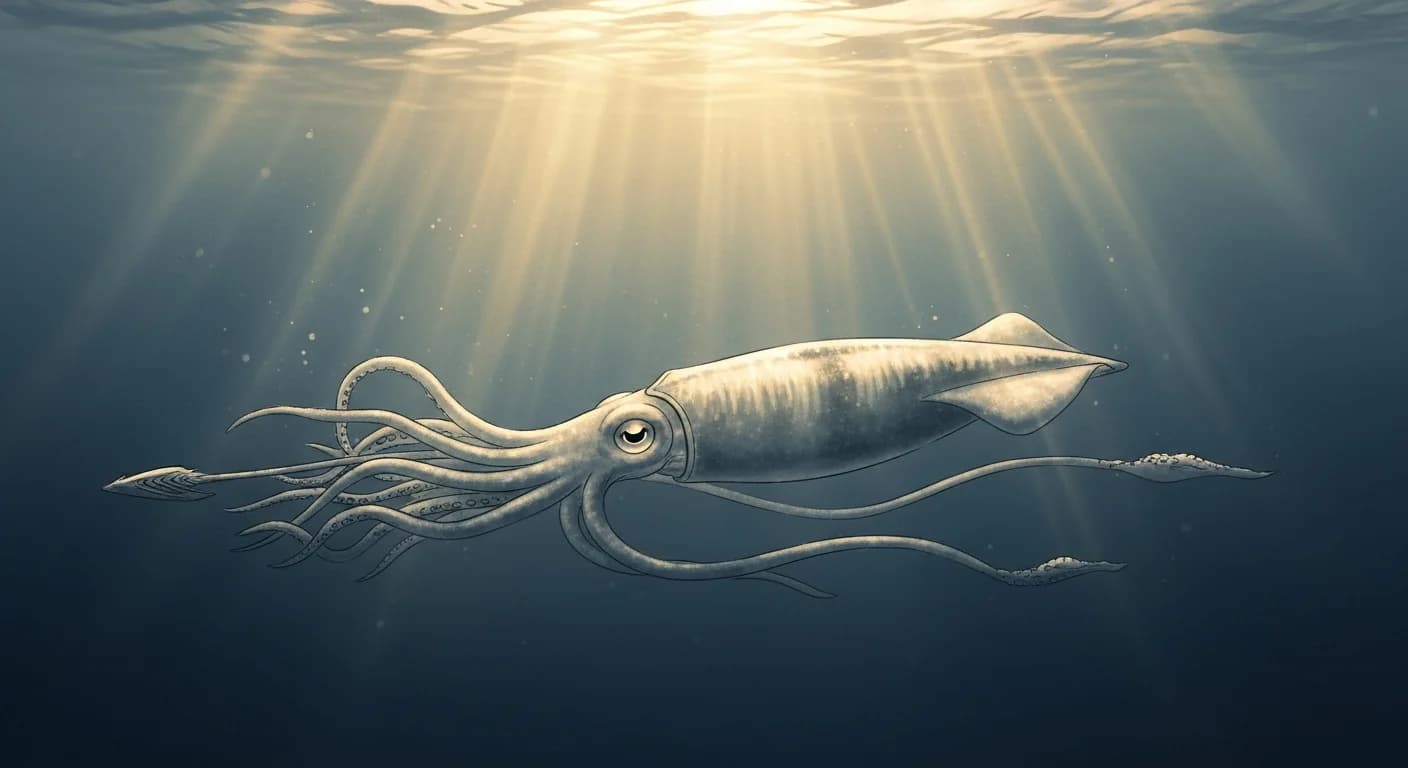
Squid Dream Meaning: Wealth, Opportunity, and Warnings in Korean Dream Interpretation

Fish Dream Meaning — Wealth, Luck, and What Korean Tradition Says