
Lobster Dream Meaning — A Strong Omen of Wealth and Rising Status
A lobster dream in Korean tradition is one of the most powerfully auspicious omens for wealth and social advancement. As Korea's ultimate luxury food — the centerpiece of holiday gift sets and high-stakes business banquets — a lobster appearing in your dream carries real symbolic weight. The interpretation shifts with the details, so read on to understand exactly what your dream is telling you.
Live Lobster Dream — Rising Wealth and Opportunity
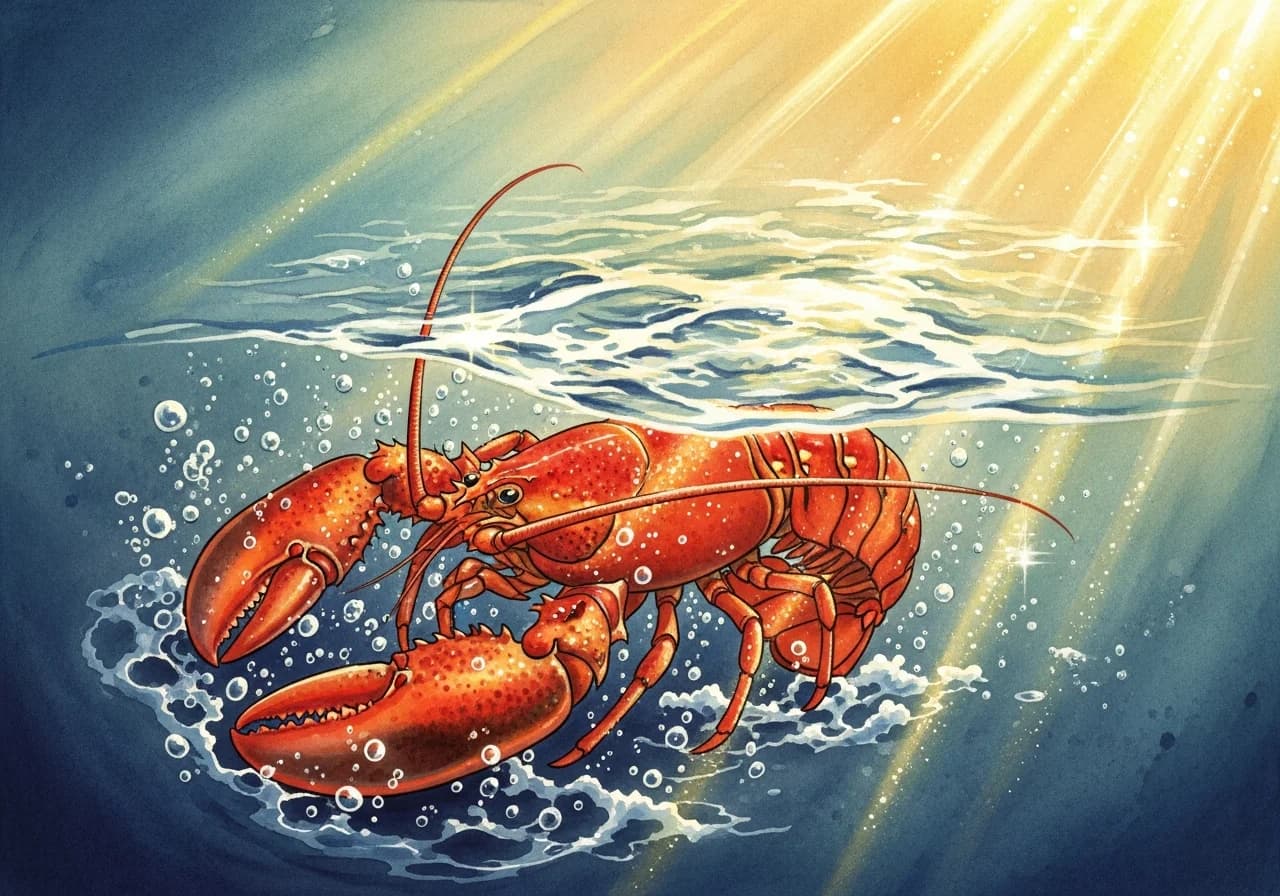
Seeing a live, active lobster in a dream is a strong auspicious sign that financial and business fortune is about to rise significantly. A lobster moving vigorously in a tank or in the ocean signals that a major opportunity or income windfall is now within reach. Think closing an important deal, a strong investment return, or an unexpected income boost. A lobster raising its claws powerfully symbolizes reclaiming control and moving forward with authority in your own life.
Dead Lobster Dream — Caution and Course Correction
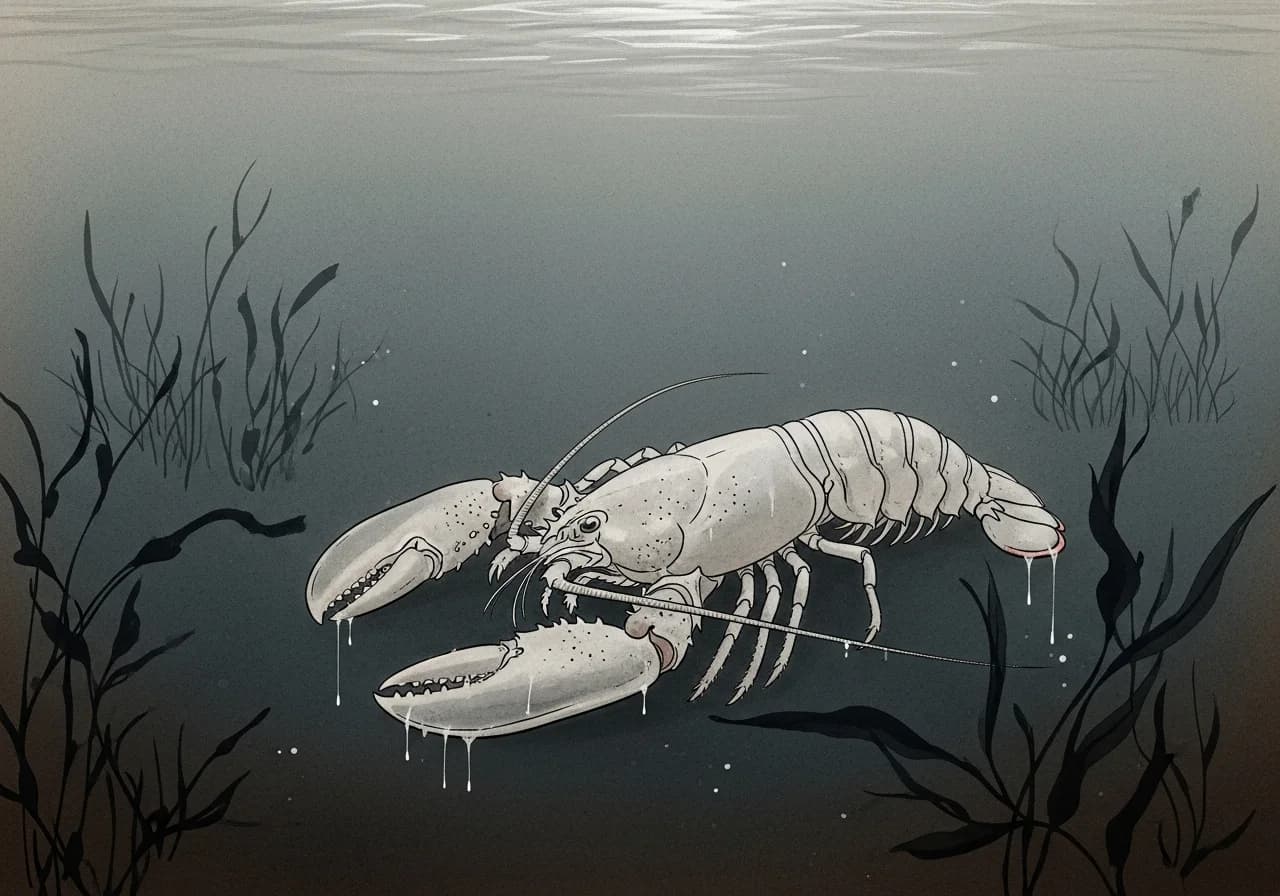
A dead or discolored lobster warns of setbacks in a current plan or business venture. The loss of vitality in a creature as valuable as the lobster suggests that anticipated opportunities or income may disappear or be delayed. If this dream appeared before a major investment or contract decision, resist rushing — a careful second review of the terms and conditions is strongly warranted. It may also prompt reflection on whether unrealistic ambition or an unhealthy fixation on status is at play.
Lobster as a Pregnancy Omen (태몽)
Seeing or receiving a large, lively lobster in a dream can be interpreted as a pregnancy omen (태몽) in Korean folk tradition. The lobster's powerful vitality and hard protective shell are seen as harbingers of a child who will be resilient, socially successful, and capable of protecting themselves in any situation. A dream featuring the lobster's impressive claws prominently may suggest a child of particular decisiveness and drive.
Dream Variations
Eating Lobster Dream — Top-Tier Wealth and Social Elevation
Savoring lobster in a dream is among the most powerfully auspicious wealth omens. Enjoying it in a special setting suggests a rise in social standing and a marked improvement in quality of life. For business people, it may signal the closing of a major deal. Eating it with family in the dream can also foretell the flourishing prosperity of the entire household.
Catching a Lobster Dream — Seizing Wealth Through Bold Action
Successfully catching a lobster symbolizes claiming desired wealth and opportunity through bold, direct effort. This is particularly auspicious for entrepreneurs and investors, signaling that a favorable window is approaching. Failing to catch the lobster in the dream warns that a promising opportunity may slip away — a call to sharpen decisiveness before the moment passes.
Red Lobster Dream — Celebration and Completed Achievement
Red is a classically auspicious color in Korean tradition, believed to repel evil and invite blessings. A lobster turned vivid crimson through cooking symbolizes the completion of effort, an occasion worthy of celebration, or an abundant harvest of results. Seeing a red lobster at a banquet or party in your dream is a strong omen that something joyful is arriving soon.
Live Lobster Dream — Untapped Potential Now Within Reach
A live lobster moving with energy signals that a major opportunity or wealth is now within arm's reach. It is an encouraging message: proper preparation will allow you to claim that opportunity for yourself. This is a particularly good sign for anyone about to launch a new business, make an investment, or pursue a promotion.
Giant Lobster Dream — Achievement Proportional to Size
The larger the lobster in the dream, the greater the scale of anticipated achievement. A giant lobster foretells very large financial gain, exceptional social standing, or an once-in-a-lifetime success opportunity. This is especially auspicious for financial ventures such as business, stocks, or real estate.
Receiving a Lobster as a Gift — Influential Help and Unexpected Benefit
In Korea, lobster is the premier holiday gift item, reserved for the most important relationships. Receiving one as a gift in a dream is an auspicious sign of support from an influential person (귀인), an unexpected financial benefit, or the deepening of an important relationship. A special favor or piece of good fortune is heading your way from an external source.
Lobster Claw Dream — Dual Interpretation by Emotion
Being grabbed by a lobster's claw carries opposing interpretations depending on how it felt. If painful and distressing, it warns of losses or constraints caused by rivals or external opposing forces. If the sensation carried surprise or excitement, Korean folk tradition's reversal principle applies — it may foretell an unexpected windfall or a meaningful encounter with a helpful, influential person.
Dead Lobster Dream — Setbacks and Delay Warning
A dead lobster warns of potential setbacks in an ongoing project or delays in expected financial returns. If this dream came before a major decision or investment, do not rush — a careful look at the fine print is advisable. Psychologically, it may also signal an inner warning about excessive materialism or an unhealthy fixation on status.
Cooking a Lobster Dream — Entering the Final Stage of Achievement
Cooking a lobster in a dream symbolizes transforming raw material into a finished, valuable result. It is an auspicious sign that an ongoing project or effort is entering its completion phase and is about to bear fruit. The period when preparation and sustained effort finally begin to shine is arriving.
Cultural Context
The lobster was largely absent from traditional Korean food culture, but from the mid-to-late 20th century it became a hallmark item at luxury restaurants and hotel buffets, evolving into a social icon of the finest dining. Today in Korea, lobster is firmly established as the top-tier Chuseok and Lunar New Year gift, the centerpiece of important business entertainment, and the marquee dish at milestone anniversaries. This cultural positioning makes lobster dreams symbols of wealth, elevated status, and exceptional achievement.
In traditional nomenclature, lobster is sometimes called '해룡하' (海龍蝦) in literary Korean — literally 'sea-dragon shrimp' — a name fusing the authority of the dragon with the longevity symbolism of the shrimp. Hard-shelled crustaceans as a class were traditionally regarded as symbols of self-protection, perseverance, and overcoming adversity. The lobster's vivid red color is a classically auspicious color in Korean folk tradition, believed to repel evil spirits and attract blessing, while the dramatic transformation to red during cooking carries the added symbolic meaning of completion through transformation.
Western Psychological Perspectives
From a Freudian perspective, the lobster's hard shell and powerful claws symbolize the strengthening of ego defense mechanisms. Seeing a lobster in a dream may represent repressed desires — particularly material ambition or a hunger for social recognition — passing through the dream censor and surfacing into awareness. Being grabbed or chased by a lobster may signal suppressed aggression or uncontrolled impulses rising to the psychological surface.
In Jungian analysis, the lobster is a potent archetypal image for exploring the unconscious depths, living as it does in the deep ocean far below the surface world. The structure of a hard shell concealing a soft interior captures the tension between the persona — the social mask we present to the world — and the more vulnerable true self within. Most powerfully, the lobster's molting process, shedding its old shell and enduring a period of soft-bodied vulnerability while the new one hardens, stands as a vivid embodiment of individuation: the courage to embrace temporary exposure in the service of real growth.
From a modern cognitive psychology standpoint, lobster dreams often reflect both conscious and unconscious aspirations for material success and social status. Since lobster functions as an icon of achievement in Korean society, such a dream may indicate that you are currently focused with unusual intensity on a goal you are striving to reach. A lobster dream accompanied by anxiety may represent competitive pressure or status anxiety in waking life working its way through in dream form.
In Western culture, lobster is a widely shared symbol of luxury, abundance, and gourmet pleasure. In North American and European contexts, lobster dreams commonly suggest successful business dealings, social connection with affluent circles, or the approach of an important opportunity. In Chinese culture, lobster (龍蝦, lóngxiā) literally means 'dragon shrimp' and is the premier ingredient at Lunar New Year banquets, weddings, and important celebrations, symbolizing the highest form of luck and prosperity — a meaning that resonates deeply with Korean interpretations.
Frequently Asked Questions
Lobster dreams are among the most powerful wealth and status omens in Korean dream interpretation. Seeing, catching, or eating a live lobster all signal prosperity and achievement on the horizon. If a dead lobster appeared, treat it as a prompt to review your current plans carefully. The emotional tone of the dream is your most reliable guide to whether good fortune or caution is the message.
Related Dreams

Crab Dream Meaning — Korean Interpretation & Symbolism
Shrimp Dream Meaning: Wealth, Longevity, and Humble Achievement

Squid Dream Meaning: Wealth, Opportunity, and Warnings in Korean Dream Interpretation

Octopus Dream Meaning — Eight Arms of Fortune and Warning

Big Fish Dream Meaning — A Powerful Korean Omen of Wealth and New Life

Sea Turtle Dream Meaning: The Dragon King's Sacred Messenger of Wealth and Longevity