Crying Blood Dream Meaning — What Korean Dream Tradition Tells You
If blood tears streamed from your eyes in a dream last night, Korean dream tradition reads it as one of the most urgent warnings the unconscious can send. In Korean classical literature and shamanic belief, blood tears (血淚, hyeollu) are the ultimate symbol of unresolvable grief and injustice — the kind of anguish that has no words. Here's the thing, though — this dream is not simply a bad omen to dread and forget. It functions like a compass, pointing precisely to where in your life caution and self-awareness are most needed right now.
The Core Warning: Strong Starts Can Deceive
The central message in Korean dream divination for crying blood is a temporal warning: what begins with promise may end in misfortune. Whether you are pursuing a business venture, an investment, or an important relationship, the dream urges you not to relax simply because things appear to be going well in the early stages. In traditional Korean dream reading, this symbol is one of the clearest expressions of the principle that complacency invites disaster. Pay close attention to the details — contracts, agreements, and commitments — because the devil tends to hide in the fine print that feels safe to overlook when momentum is in your favor.
Emotional Breaking Point — Pain That Can No Longer Be Contained

Blood tears do not simply mean sadness. They represent injustice, regret, and suffering that has been silently swallowed for too long — emotion that has finally outgrown its container. If this dream appears during a period when you have been holding difficult feelings inside without adequate expression or release, the message is clear: something needs to give. This is especially significant if the dream is recurring. Korean dream tradition and modern psychology agree on this point — the more insistently the unconscious delivers the same image, the more urgently something in waking life requires attention.
A Health Signal Worth Noting
Korean folk dream interpretation also reads blood flowing from the eyes as a potential physical warning, particularly regarding eye strain, headaches, or issues related to blood pressure. If you have been running on insufficient sleep or operating under chronic stress, this dream may be your body's way of communicating through the symbolic language of dreams. It does not predict illness with certainty, but it is a nudge to schedule a checkup, rest more deliberately, and reduce whatever is taxing your system.
Witnessing Blood Tears — Guilt and Compassion Toward Others
When you are the observer in the dream rather than the one crying blood, the interpretation shifts. Watching someone else weep blood tears may mean that person is genuinely suffering under unjust circumstances in real life — and that you, somewhere in your unconscious, already know it. It can also reflect guilt about having looked away from someone's pain when you had the awareness to respond. Korean folk belief treats blood tears as the sign of a person (or spirit) in desperate need of acknowledgment. Take the dream as an invitation to reach out to those around you.
Dream Variations
Dreaming You Cry Blood Tears Yourself
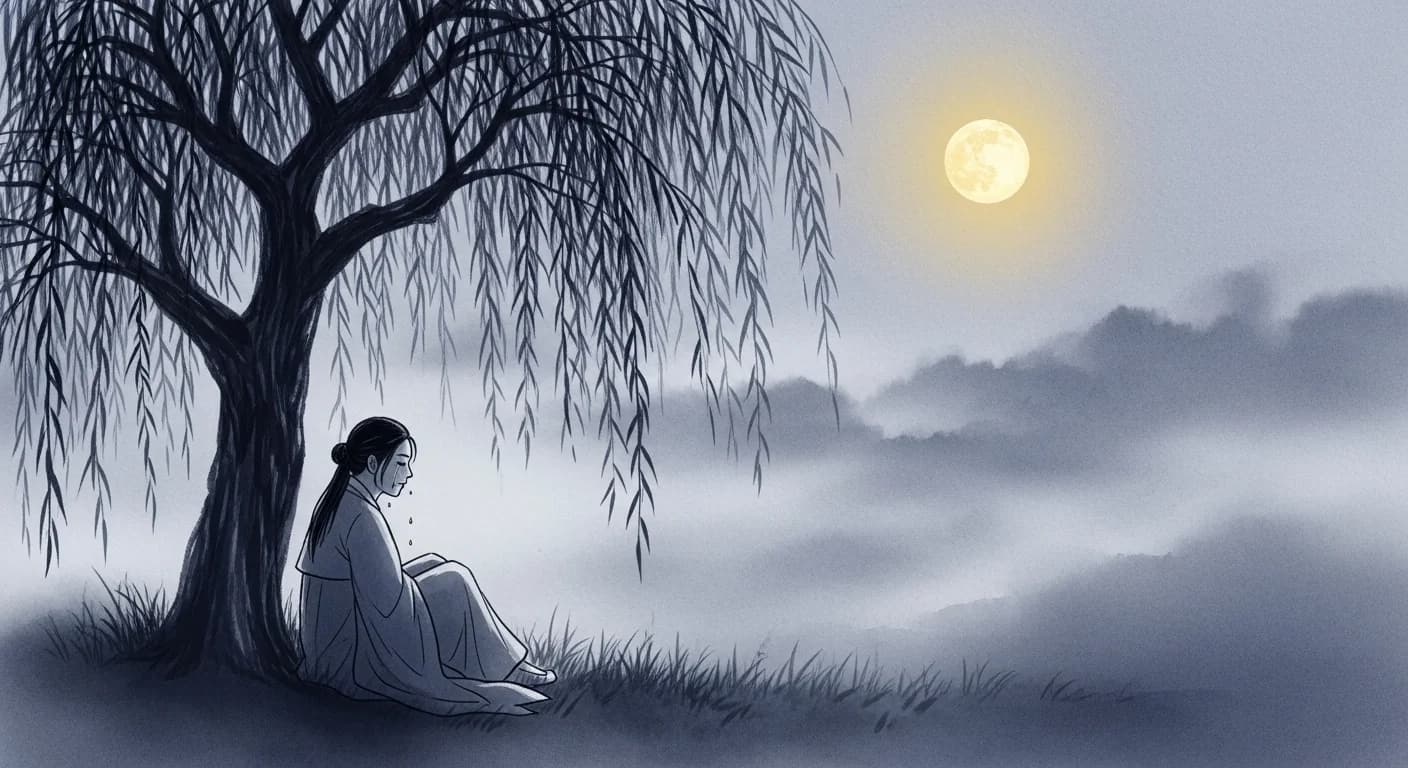
Being the one shedding blood tears represents a deeply suppressed sense of injustice, sorrow, or grief that has become overwhelming. It signals that pain held silently inside has reached a breaking point, and you may need to open up to someone trusted or seek professional emotional support. The dream is not a sign of weakness — it is a recognition that some burdens are too heavy to carry alone.
Sobbing Loudly While Crying Blood Tears
Sobbing loudly while shedding blood tears is an intensified warning among inauspicious dreams. It foreshadows an emotional eruption — a serious conflict with someone close, the severing of an important relationship, or the resurfacing of old, unhealed wounds. If you sense existing tension in your close relationships, addressing it quietly and early is far better than waiting for it to explode.
Someone Else Crying Blood Tears
Watching someone else cry blood tears warns that the person in the dream may be going through unjust suffering or desperate hardship in reality. It may also reflect your subconscious guilt for having overlooked or ignored the pain of those around you. Take this dream as a prompt to check in meaningfully with the people in your life.
Blood Tears That Will Not Stop Flowing
Blood tears that keep flowing without stopping represent prolonged hardship, unresolvable worry, or sorrow that has no clear end in sight. The dream suggests that current difficulties will not resolve quickly, calling for long-term endurance and careful preparation rather than a quick fix. Conserve your energy strategically rather than exhausting yourself in battles that cannot be won immediately.
Wiping Away Blood Tears
Wiping away blood tears with your hand or a cloth reflects an inner determination to overcome hardship on your own terms. Despite the pain, you are confronting and pushing through suffering. This can be read as a hopeful counter-note within an otherwise ominous dream — the will to heal is present, even amid difficulty.
Discovering Blood Tears While Looking in a Mirror
Discovering in a mirror that you are shedding blood tears is a powerful invitation to deep self-reflection. It suggests that beneath a calm exterior lie hidden wounds or regrets that have been accumulating unaddressed. The mirror context amplifies the self-awareness dimension: this is the moment when the facade of being fine can no longer be maintained, and inner healing deserves real attention.
A Deceased Ancestor or the Dead Crying Blood Tears
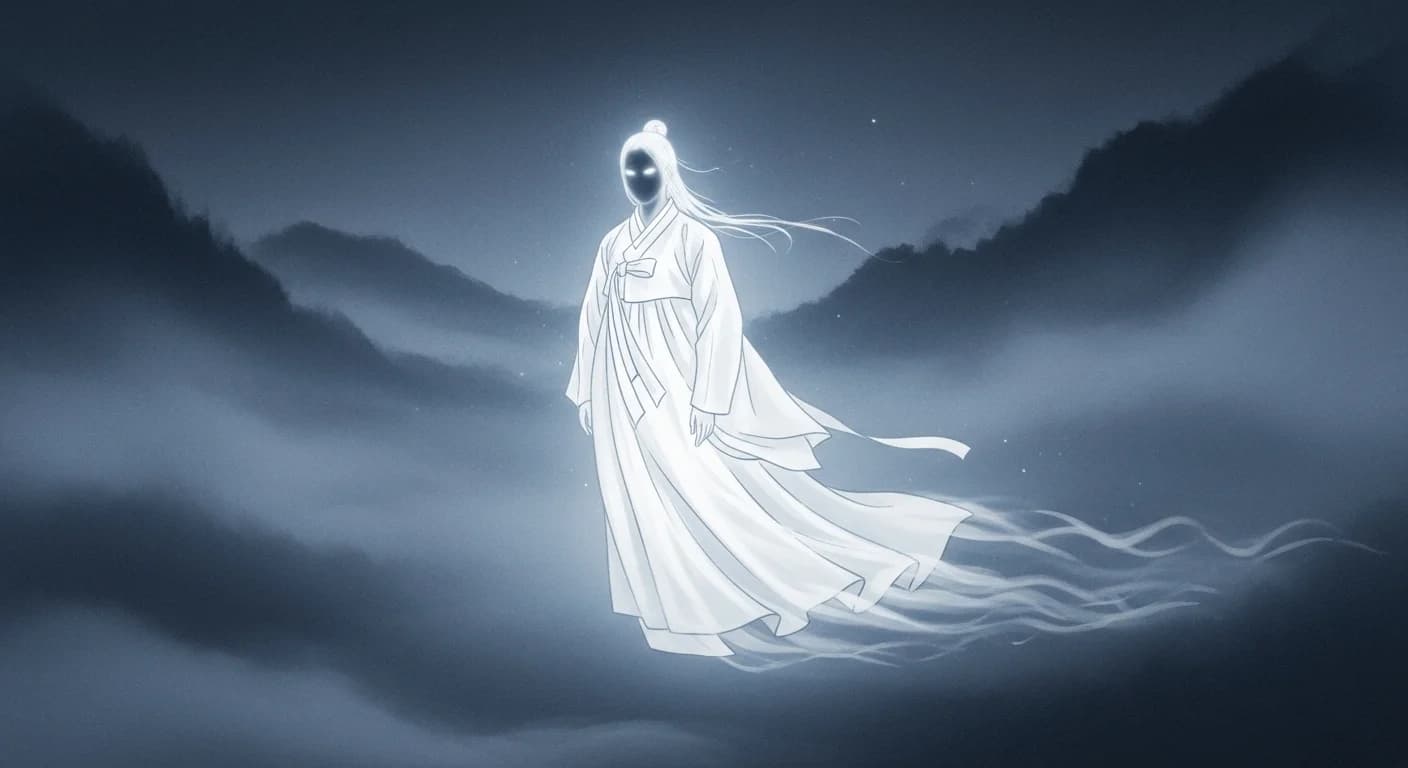
A deceased ancestor or the dead weeping blood tears is traditionally interpreted in Korean folk belief as the sign of an 원혼 (grieving spirit) — a soul still bound by unresolved injustice or resentment from life. It is a signal that ancestral memorial rites or a Buddhist soul-cleansing ceremony may be needed to bring peace to the departed. Even if you do not follow these traditions literally, honoring the memory of the deceased with sincere acknowledgment of their life and struggles carries deep meaning.
Cultural Context
Blood tears (血淚, hyeollu) carry a powerful and ancient resonance in Korean traditional culture, representing the ultimate expression of injustice, anguish, and unresolvable grief that goes far beyond ordinary sorrow. In classical Korean literature and folk tales, figures who have suffered deeply — whether wrongfully condemned, betrayed, or dying with unfulfilled wishes — are described as weeping blood tears, making it the quintessential image of 한 (Han), the uniquely Korean concept of accumulated sorrow and unresolved grief that has no direct equivalent in English. In shamanic tradition (무속), blood tears in a dream are closely associated with 원혼 — the soul of someone who died with deep injustice left unresolved — and encountering such imagery was considered a sign that ritual placation through 굿 (shamanic ritual) or 천도재 (Buddhist rite for the dead) was required. From a Buddhist perspective, the dream may point to karmic debt from a past life being worked through in the present. In everyday Korean folk dream interpretation, the most common reading centers on a temporal warning: that whatever begins auspiciously will eventually turn inauspicious, and that one must never become complacent no matter how well things appear to be going.
Western Psychological Perspectives
Western psychology offers several compelling lenses through which to interpret the crying blood dream, each adding depth beyond the traditional Korean framework. From a Freudian perspective, blood tears represent the eruption of deeply repressed emotional pain, guilt, or trauma that the unconscious can no longer contain. The eyes — as windows of conscious awareness — bleeding suggests that an uncomfortable truth or unbearable reality is forcing its way through the repression barrier. This may indicate unresolved past trauma or a psychic wound that continues to generate tension in the present, demanding to be acknowledged and processed rather than suppressed further.
Jung's analytical psychology brings a different angle: crying blood tears points to a confrontation with the Shadow — the reservoir of wounds, shame, and regret that the ego has refused to acknowledge or integrate. Blood as psychic energy flowing through the eyes suggests that suppressed inner truths are forcing their way into conscious awareness. Jung would see this as a painful but necessary stage of individuation — the call from the unconscious to integrate the darker, wounded aspects of the self rather than continue to deny them. Far from being merely frightening, this dream in Jungian terms is an invitation to wholeness.
Modern psychology frames the crying blood dream as a potential signal that the dreamer has reached the limits of emotional regulation, possibly indicating PTSD, complicated grief, or chronic stress overload. When emotional overwhelm persists across sustained periods, the dreaming mind tends to express it through extreme imagery. Blood tears function as a psychological alarm — the everyday coping resources are exhausted, and the system is asking for relief. Recurring dreams of this nature are a strong indicator that professional therapeutic support should be sought.
Across cultures, the image of blood tears appears wherever human suffering exceeds what ordinary language can hold. In Christian tradition, statues of the Virgin Mary weeping blood are regarded as divine miracles or warnings. Medieval European legends and Southeast Asian folklore similarly feature blood tears as portents of curses, divine wrath, or restless spirits. This universality reinforces what both Korean tradition and Western psychology agree on: when blood tears appear in dreams, they signal that deep emotional healing is both necessary and long overdue.
Frequently Asked Questions
A dream of crying blood is not a sentence — it is a signal. Korean tradition reads it as a call to stay alert when success seems certain, to tend to emotional wounds that have been silently accumulating, and to acknowledge the suffering of those around you. Whether you engage with the cultural and spiritual dimensions of this dream or approach it through the lens of psychology, the message is the same: something important in your inner world or your waking life is asking for your honest attention. Let this dream be the turning point that prompts you to look clearly at what you may have been too busy — or too afraid — to face.