Dream of a Dead Person Appearing — Korean Dream Interpretation
When someone who has passed away shows up in your dream, Korean folk tradition takes it seriously — and for good reason. This dream can be a powerful omen of unexpected fortune, ancestral blessing, or an urgent warning of health and danger. What determines which? Almost everything hinges on the expression on the deceased's face and what they do in the dream.
Auspicious — The Ancestor Who Brings Blessings
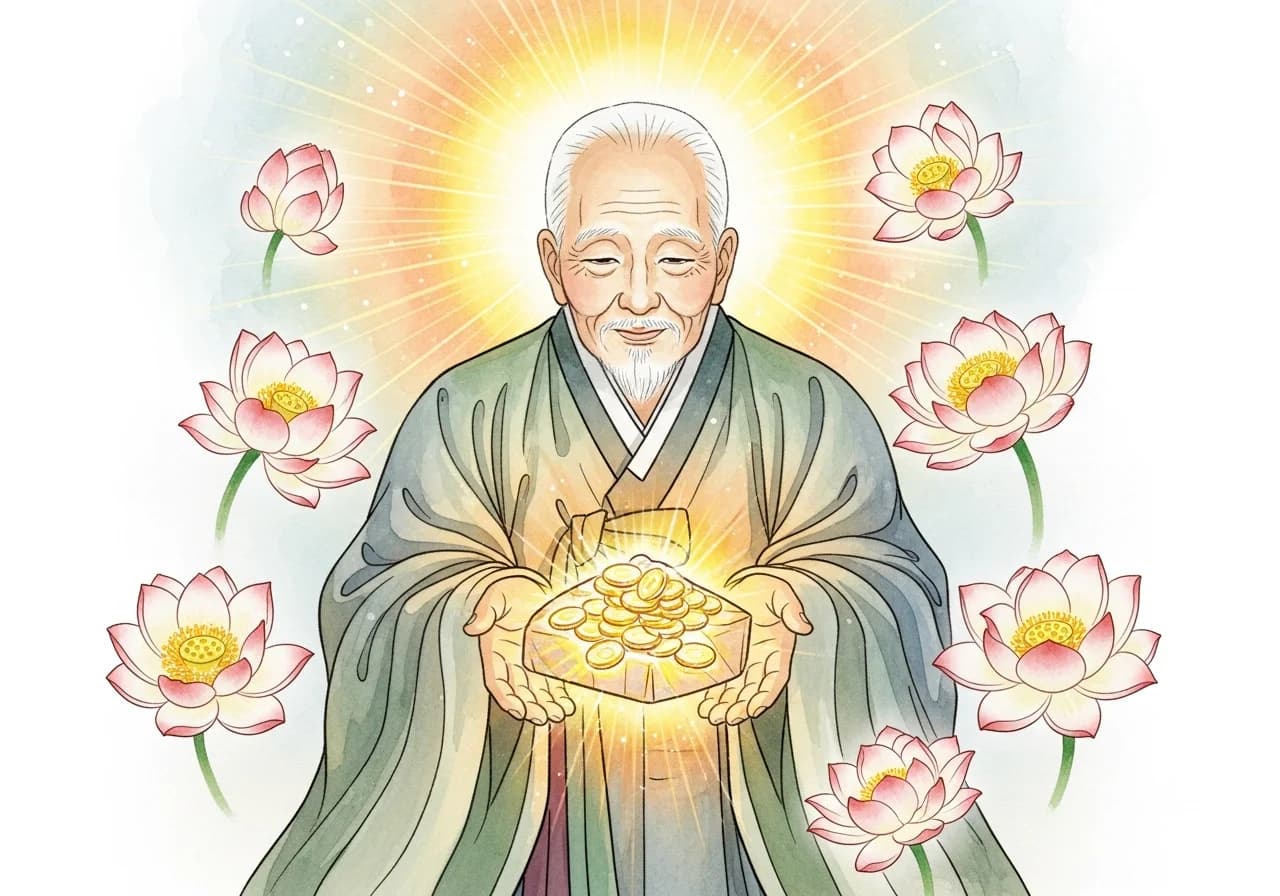
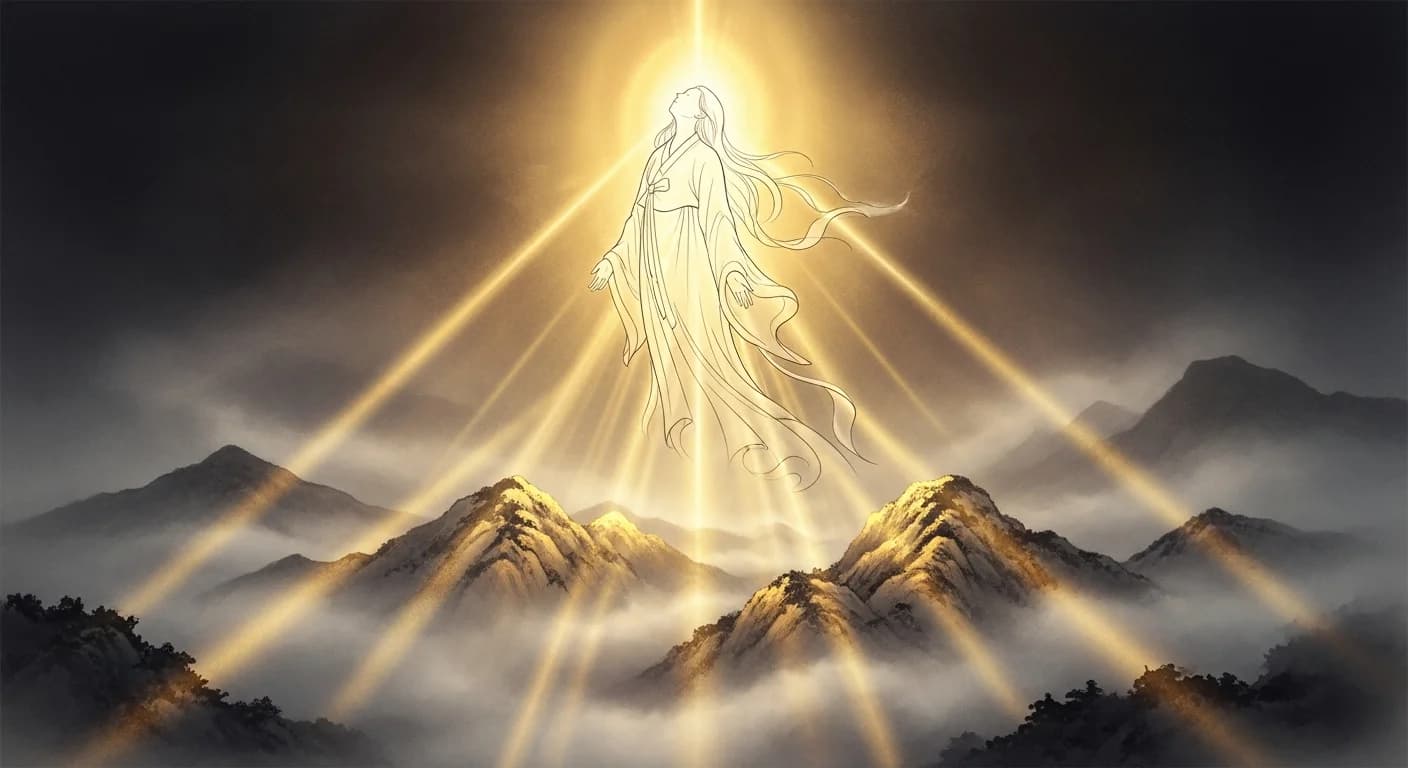
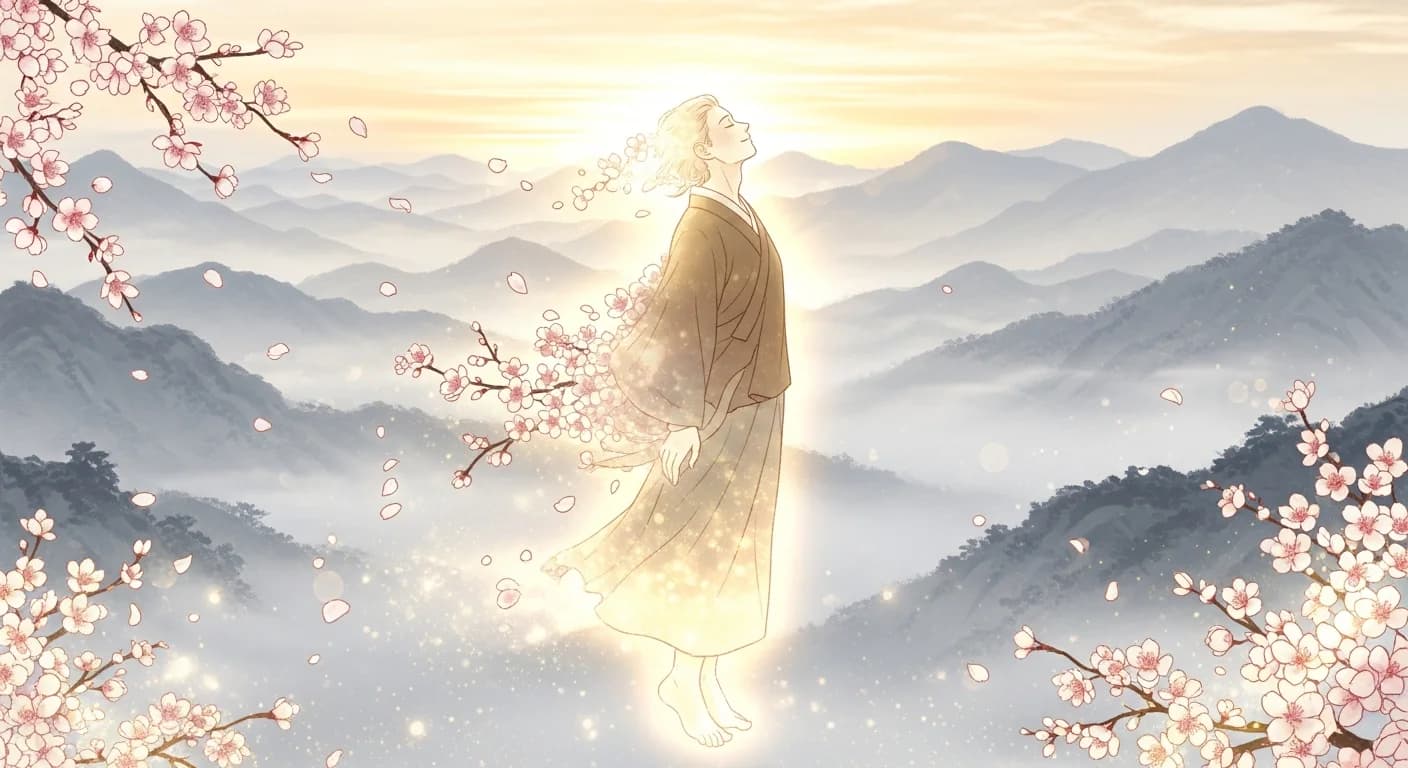
A deceased person appearing with a bright, peaceful smile is one of the most auspicious dream scenarios in Korean tradition. It signals the easing of long-standing worries, recovery from illness, and the arrival of helpful people in your life. If the deceased — particularly a parent or ancestor — hands you money, food, or a valuable gift with both hands, this is considered a direct manifestation of ancestral blessing. Financial windfalls, career advancement, and joyful news are the traditional associations. Seeing the deceased come back to life or walk around healthy is equally hopeful: it suggests long-stalled opportunities are about to revive, and doors you thought closed may swing open again. When the deceased speaks clear, meaningful words, Korean tradition regards this as close to a prophetic dream. Whatever guidance is offered is worth remembering and reflecting on in the context of real decisions you are facing.
Inauspicious — The Warning in the Dream
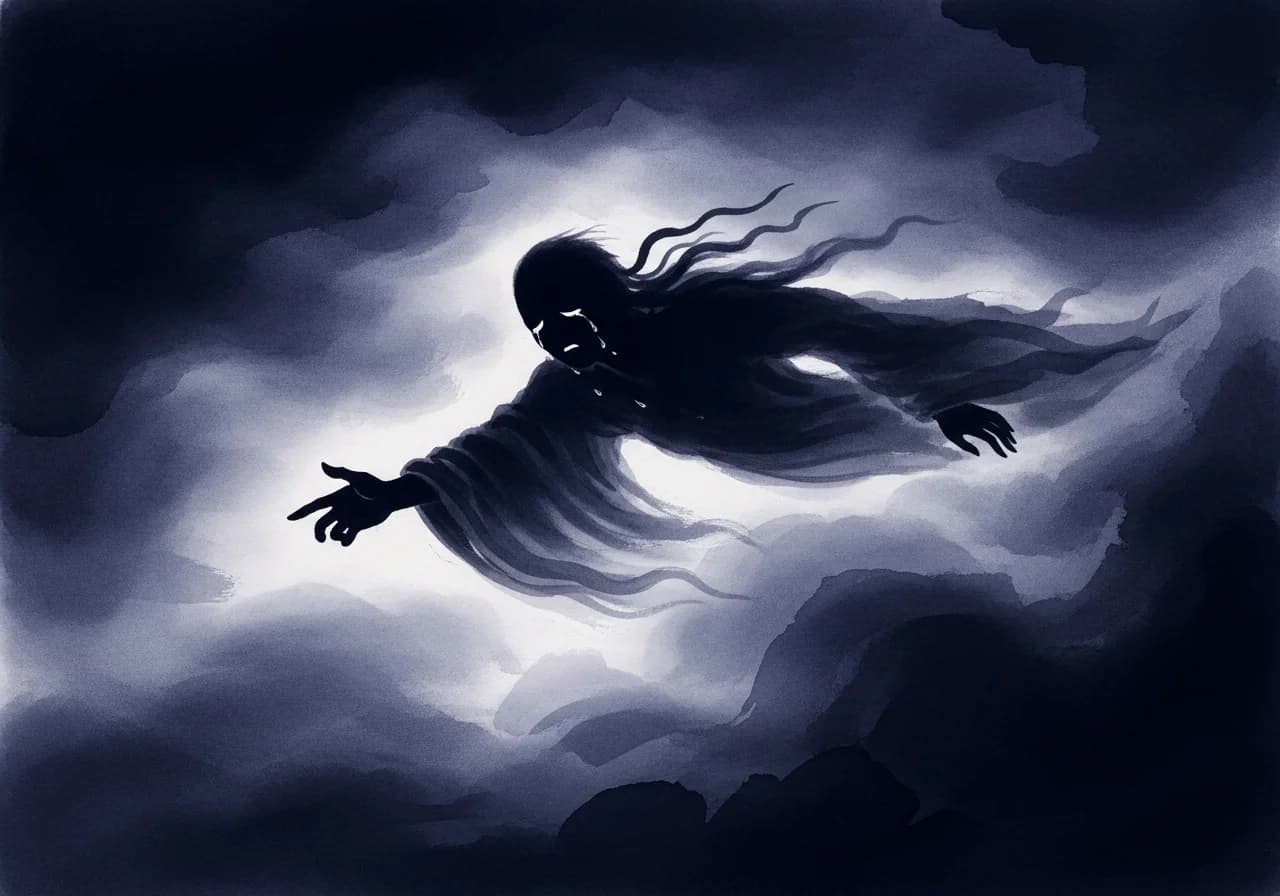
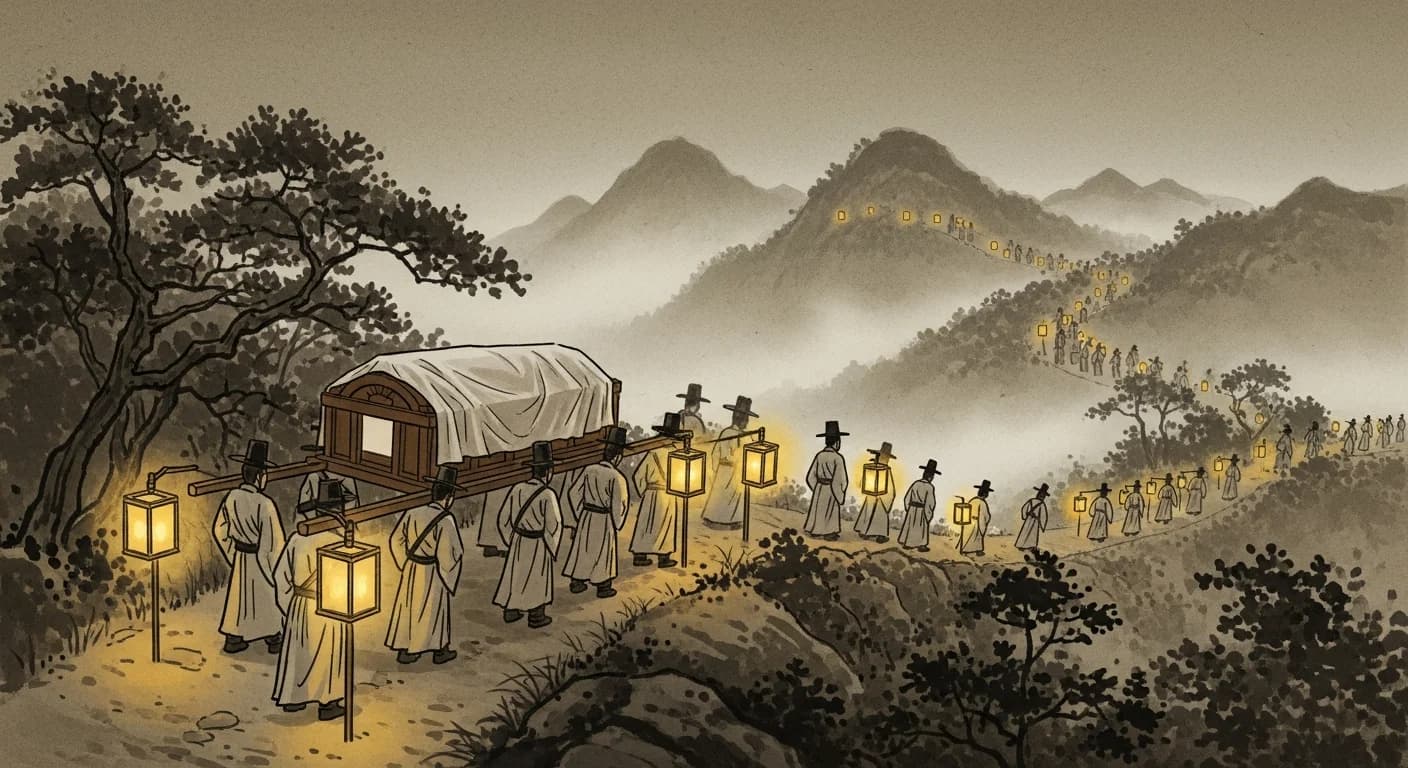
If a deceased person beckons you to follow them, reaching out or gesturing insistently, Korean dream interpretation treats this as one of the most serious inauspicious signs — a warning of potential health deterioration or unexpected accident. This is a dream to take as a cue to slow down, avoid unnecessary risks, and schedule a health check-up if one is overdue. A deceased person appearing weeping or visibly distressed carries a different but equally cautionary meaning: sorrow or family health concerns may be approaching in the near future. It can also reflect lingering attachment — the spirit has not yet fully moved on. Being chased by the deceased, or encountering them in a state of anger, signals unresolved conflict or guilt connected to that relationship in waking life. Korean interpretation advises pausing to examine what emotional business remains unfinished before complications develop.
Neutral — Longing and the Inner Voice
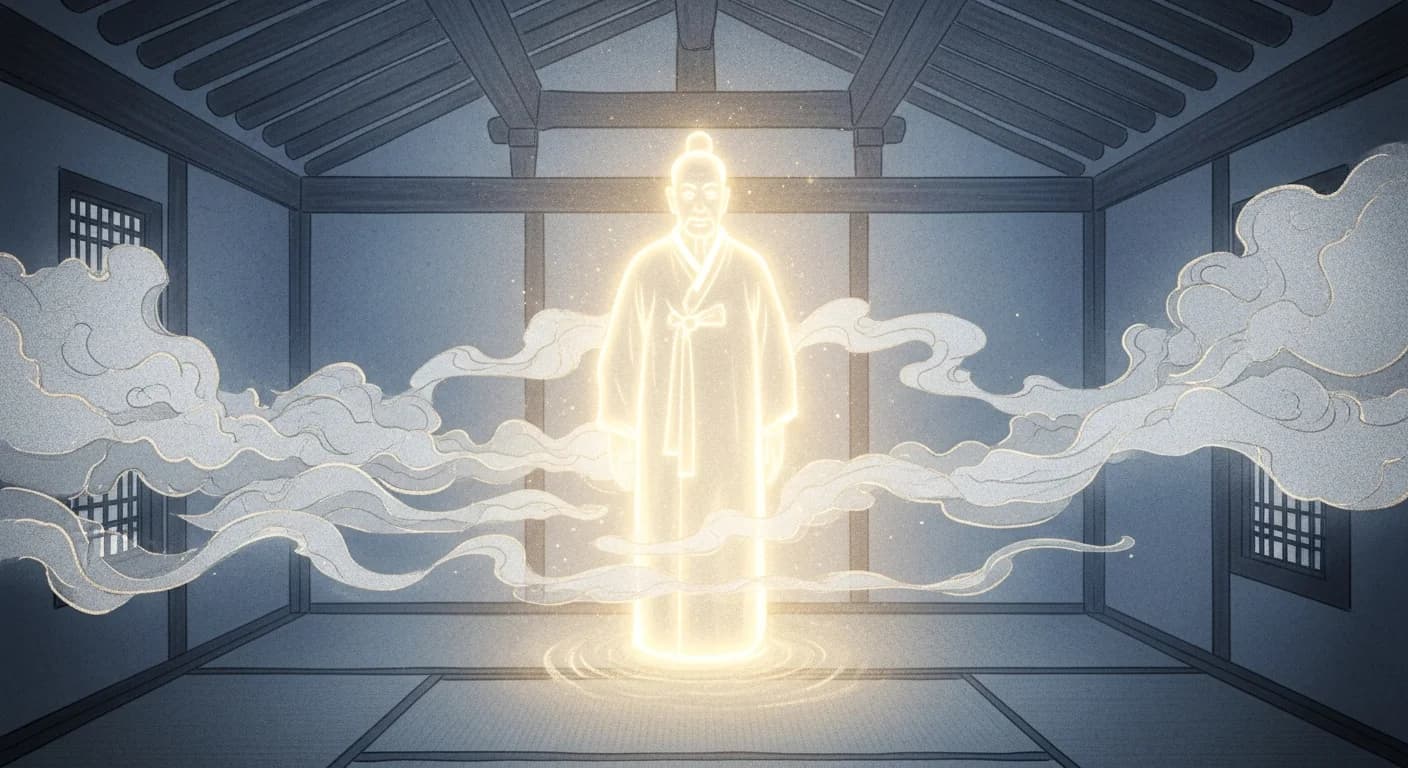
Sharing a meal or having an ordinary conversation with the deceased tends to carry less of a definitive omen and more of a psychological reflection. These dreams often appear when the dreamer is grieving, deeply missing the person, or navigating a difficult period where comfort and guidance are needed. The dream is less about fate and more about the heart's unfinished business with that relationship. A deceased person entering the family home also falls into this dual-natured territory: arriving bright-faced with gifts signals family celebrations ahead, while wandering the home with a somber demeanor advises paying closer attention to the health and wellbeing of family members.
Dream Variations
Deceased Parents Appearing in a Dream
Deceased parents appearing in dreams often reflect a longing for their love and protection. A peaceful or smiling appearance signals family harmony and prosperity; a sorrowful expression warns of health or family concerns that need attention.
Deceased Ancestor Appearing in a Dream
An ancestral figure appearing in a dream traditionally signals family protection and incoming blessings. Ancestors presenting gifts or money are especially auspicious, foretelling prosperity and unexpected windfalls for the family.
Deceased Person Smiling in a Dream
A deceased person smiling brightly is one of the most auspicious variations, foretelling health recovery, resolution of worries, and the appearance of helpful people in waking life.
Deceased Person Crying in a Dream
The deceased crying is interpreted as a warning of approaching sorrow — potential illness in the family, emotional distress, or an upcoming difficult event that requires attention.
Deceased Person Giving Money in a Dream
Receiving money or valuables from a deceased person is a classic auspicious dream in Korean folk belief, strongly associated with unexpected financial gains, ancestral blessings, and improving fortune.
Deceased Person Giving Food in a Dream
A deceased person offering food signals rising material fortune and a period of abundance ahead. It indicates that a period of hardship may be coming to an end.
Deceased Person Speaking to You in a Dream
When the deceased speaks directly to the dreamer, Korean tradition considers this close to a prophetic dream. The content of the message is thought to contain meaningful guidance for real decisions or challenges the dreamer is facing.
Deceased Person Beckoning You to Follow in a Dream
If the deceased beckons you to follow them away, Korean dream interpretation treats this as a serious inauspicious warning of potential accident or health deterioration. It is strongly advised to be cautious and get a health check-up.
Having a Conversation with the Deceased in a Dream
Conversing naturally with the deceased reflects a period of important decision-making or a need for inner wisdom. The conversation content in the dream may hold clues to real-life challenges the dreamer is navigating.
Deceased Person Coming Back to Life in a Dream
The deceased returning to life is an auspicious dream symbolizing fresh beginnings, recovery, and the revival of lost opportunities. What seemed finished may find new life in the dreamer's waking world.
Deceased Person Appearing Angry in a Dream
An angry deceased person in a dream signals unresolved conflict or guilt related to that relationship. Korean interpretation advises reflecting on unfinished emotional business and warns of complicated situations developing in waking life.
Eating with the Deceased in a Dream
Sharing a meal with the deceased is associated with improving fortunes and reconciliation in Korean dream lore. Sharing food symbolizes abundance and harmony, suggesting material improvement or the healing of strained relationships ahead.
Deceased Spouse Appearing in a Dream
A deceased spouse appearing brightly encourages the dreamer to move forward with courage in life; a sorrowful appearance suggests that the grieving process still needs more space and time.
Cultural Context
In traditional Korean society, a deceased person appearing in a dream was not merely a psychological event but was understood as genuine communication between the spirit world and the living. Korean shamanism (무속 신앙) held that upon death, the human spirit (사령) departs for the afterworld but can reconnect with the living through dreams and visions. Dreams featuring ancestors in particular were interpreted as manifestations of protective ancestral spirits, a belief deeply rooted in Korea's ancestor veneration culture expressed through rituals like 제사 (memorial rites) and 차례 (seasonal ancestral ceremonies). As Confucian thought became integrated into Korean society, these practices gained philosophical and ethical dimensions: dreams of deceased relatives also came to reflect feelings of 효 (filial piety) — longing for parents, a sense of unfinished duty, or a desire to honor one's lineage. The crucial role of the deceased's expression and actions in determining whether a dream is auspicious or inauspicious reflects a distinctly Korean concept of relational continuity — the idea that bonds formed in life do not dissolve at death.
Western Psychological Perspectives
Western psychology offers a rich framework for understanding why the dead visit us in dreams. Sigmund Freud interpreted such dreams as the unconscious mind's expression of a repressed wish — the psyche's refusal to fully accept loss. When we dream of a deceased person, Freud argued, the ego is using the dream as a mechanism to keep that person symbolically alive, fulfilling the wish for their continued presence. Unresolved emotions tied to the relationship — guilt over words left unspoken, anger that was never expressed, or a longing that outlasted the relationship itself — surface as the imagery and emotional tone of the dream.
Carl Jung took a different and perhaps more affirming view. For Jung, the deceased in a dream is not the person themselves but a symbol drawn from the dreamer's personal and collective unconscious — representing the qualities, values, or emotional energy the dreamer associated with that individual. A deceased mother might embody the archetype of nurturing wisdom; a deceased father, authority and guidance. Jung believed such dreams serve the psyche's compensatory function: helping restore inner equilibrium after a loss and forming part of the individuation process through which the self seeks wholeness.
Modern psychology takes a gentler, evidence-based approach. A landmark 2013 study published in the American Journal of Hospice and Palliative Medicine found that post-bereavement dreams of the deceased are remarkably common and, critically, are associated with significantly better grief outcomes: greater acceptance of the death, reduced distress, and improved overall quality of life. Neuroscience explains the phenomenon as the natural reactivation of emotionally significant memories during the brain's memory consolidation work during REM sleep.
What is striking is the convergence between Korean folk wisdom and Western psychology on one key point: dreams of the deceased are never trivial. Korean tradition sees them as messages from another realm; Western thought sees them as messages from within. Either way, these dreams speak to something real and deserve thoughtful attention rather than dismissal.
Frequently Asked Questions
Dreams of a deceased person appearing rank among the most personally meaningful in Korean dream interpretation — and with good reason. A smiling ancestor offering gifts is as auspicious as dreams get; a beckoning or weeping figure calls for careful, attentive action in waking life. What both types share is this: the bond between the living and those who have passed does not simply vanish. Whether you read these dreams as ancestral messages or echoes of your own inner world, they deserve your full attention. Pay close heed to how the deceased appeared — the expression, the gesture, the gift or the warning — and let that be your guide.