Dizzy Dream Meaning — Korean Dream Interpretation of Dizziness
If the world was spinning in your dream last night and your footing felt uncertain, Korean dream tradition reads that unsettling sensation as a direct message from your inner self. Dizziness in a dream has long been interpreted as a sign that your vital life energy—ki (氣)—has been thrown off balance, a warning that the equilibrium between your inner and outer worlds is under strain. Here is the part that makes all the difference, though: not every dizzy dream carries the same weight. The details—where you were dizzy, whether it felt frightening or oddly exhilarating—can shift the reading entirely.
Why Most Dizzy Dreams Are Inauspicious (흉몽)

In Korean dream interpretation (꿈해몽), dizziness typically falls into the category of 흉몽—an inauspicious omen. The most common reading is a warning that psychological suffering is approaching: you may soon be subjected to exhausting moral scrutiny, tedious lectures from someone in authority, or have your values and beliefs challenged by outside forces. Wounded pride is a recurring theme. A blow to your reputation or self-esteem may be on its way. When the dizziness in your dream is so severe that you are about to collapse, the warning intensifies: you are likely already under a burden that exceeds your current capacity. An important decision may be clouding your judgment, or a key relationship may be quietly fraying at the seams.
Spinning Dizziness — The Loss of Direction
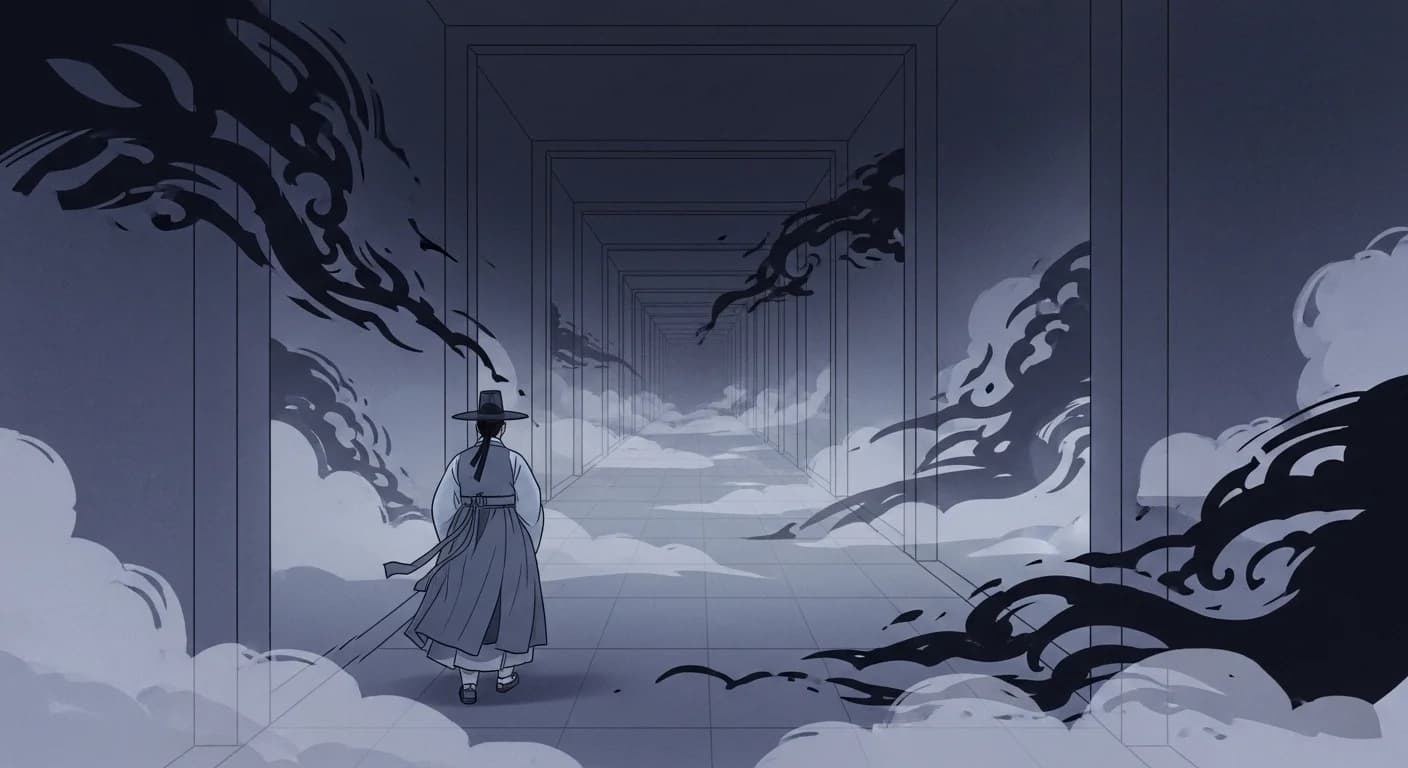
A dream where everything rotates and you cannot find your bearings is one of the clearest symbols of directional confusion in Korean dream tradition. It points to indecisiveness in the face of competing choices or difficulty adapting to rapid change in your environment. The spinning imagery connects to something deeper than mere confusion—it touches on questions of identity. When you do not know where you are going or what you truly want, your dreaming mind renders that uncertainty as physical disorientation. If this dream visited you, it is a prompt to pause, slow down, and honestly take stock of where you stand.
Dizziness That Clears — A Neutral Sign of Transition
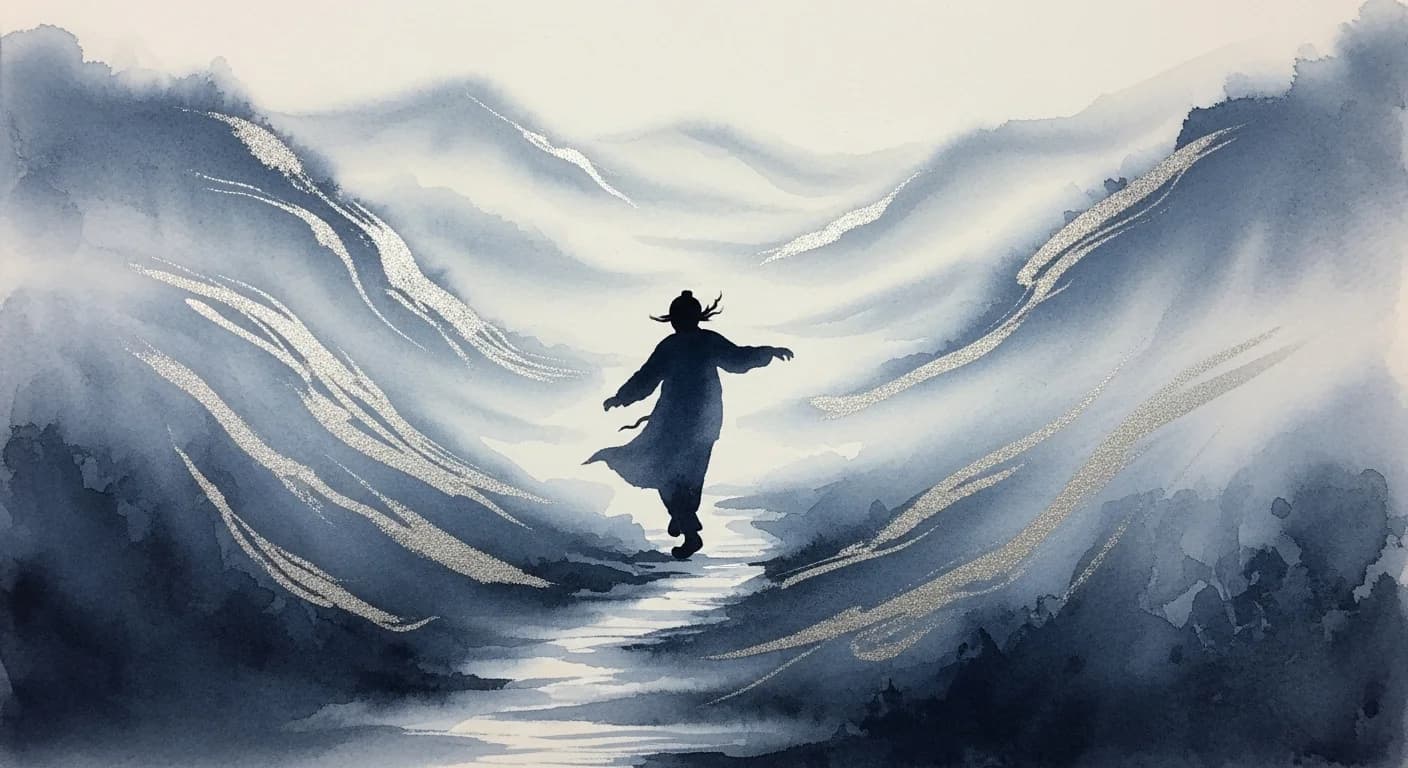
When your dream dizziness subsides and balance is restored before you wake, the interpretation shifts considerably. This is a neutral signal suggesting that whatever turbulence you are currently experiencing is temporary. Korean folk tradition also applies the principle of reverse dreaming (역몽), where an outwardly ominous dream can actually foreshadow a positive turning point just ahead. If you are on the cusp of a major life change—a move, a career shift, a new relationship—this dream may simply be reflecting the natural mix of excitement and apprehension that comes with new beginnings.
Dizzy Dreams and Wealth, Health, and Relationships
From a wealth-luck perspective, a dizzy dream is a caution against impulsive financial decisions. Choices made while your judgment is clouded tend to carry costs. On the health front, the traditional reading focuses on depletion of mental and spiritual energy rather than physical illness—if the dream recurs, prioritizing rest and recovery is advised. In relationships, this dream often signals that someone in your circle is placing excessive pressure on your beliefs or sense of self. Establishing clear boundaries may be what is needed most right now.
Dream Variations
Sudden Dizziness Dream
Sudden dizziness with no warning in a dream signals that unexpected bad news or a shocking event may arrive out of nowhere. Be alert to sudden financial loss or abrupt shifts in important relationships. Slow down on major decisions and pay closer attention to your surroundings than usual.
Dizziness with Vomiting Dream
Dizziness that leads to vomiting in a dream symbolizes the eruption of long-suppressed emotional burden. It signals a time when repressed anger or grief can no longer be contained and demands expression. The dream may also point to the need for physical and emotional cleansing—a signal to release what you have been holding back for too long.
Dizziness When Standing Up Dream
Feeling dizzy upon standing up from a seated or lying position suggests a lack of confidence or insufficient preparation before embarking on a new challenge. Rather than rushing forward, the dream advises grounding yourself properly before you act. Patience and preparation are more valuable than speed right now.
Dizziness with Headache Dream
When dizziness combines with a headache in your dream, it reflects complete mental exhaustion from excessive thinking and worry. The mounting number of decisions weighing on you or a serious psychological burden may be starting to affect your overall health. Slow down, prioritize ruthlessly, and reclaim some breathing room.
Collapsing from Dizziness Dream
Actually collapsing from dizziness in a dream is a strong and direct message: you have reached your breaking point. The dream is not telling you to push harder—it is telling you to stop, acknowledge you are overstretched, and ask for help. Seeking support is the real act of courage this dream calls for.
Pleasant Dizziness Dream
A euphoric, pleasant dizziness that feels exciting rather than frightening leans toward an auspicious reading. This dream suggests the onset of passionate feelings, an exciting new connection, or the arrival of joyful news. If your chest was racing with giddy delight, something genuinely good may be just around the corner.
Dizziness at Heights Dream
Feeling dizzy while standing at a height represents the fear and pressure tied to an elevated role or position you currently hold. It may also reflect a paradoxical fear of success—anxiety about what happens if things go too well. The dream's message is to build inner confidence and commit fully rather than second-guessing your position.
Dizziness from Drinking Dream
Becoming dizzy from alcohol in your dream warns that a real-life temptation or indulgence may be impairing your judgment. Impulsive behavior carried out under that influence could lead to regret. Take the dream as a prompt to check whether something you are currently drawn to is clouding your clarity.
Cultural Context
In Korean traditional dream interpretation, a dizzy dream has long been understood as a symbol of disturbed or scattered ki (氣)—the vital life force central to East Asian philosophy. A shaken ki signals that the balance between inner and outer forces has collapsed. In shamanic tradition (무속), dizziness in a dream was considered a forewarning of malevolent spirits or negative energies encroaching on the dreamer; rituals like gut (굿) or protective talismans were employed to expel these influences. From a Buddhist perspective, the dizziness represents the collision of the three poisons—greed (탐), anger (진), and ignorance (치)—within the mind, calling the dreamer to renewed spiritual practice and inner calm. Under the Confucian lens, it was read as an internal warning of having strayed from one's proper role or moral center. In historical Joseon-era dream records, unsettling and disorienting dreams were frequently catalogued as prophetic dreams (예지몽) foretelling social upheaval or relational instability.
Western Psychological Perspectives
Western psychology approaches the dizzy dream from several compelling angles, each illuminating a different layer of what this experience communicates.
Freudian psychoanalysis interprets dizzy dreams as an anxiety response of the ego when repressed conflicts or unresolved desires surge toward consciousness. The psychological tension between the reality principle and the pleasure principle becomes somatized—turned into a body sensation—as dizziness. Suppressed rage toward an authority figure or a narcissistic wound seeking acknowledgment may be the specific content surfacing. For Freud, the dizziness is not random; it is the mind's coded language for what it cannot yet say directly.
Jungian analytical psychology frames the dream differently. In Jung's model, dizziness in a dream signifies a loss of direction during the individuation process—the psyche's lifelong journey toward wholeness and self-realization. The spinning, off-balance sensation symbolizes a clash between the ego and the Shadow, the unconscious repository of traits and memories we have pushed aside. The dream is not a punishment; it is an invitation to face and integrate the unacknowledged parts of the self. Unsettling as it feels, the Jungian view holds that this kind of dream is a sign of active psychological growth.
Modern sleep psychology and cognitive neuroscience offer a more empirical explanation. Dizzy dreams can arise from chronic stress, sleep deprivation, or the brain's processing of vestibular sensory input during sleep. When cognitive overload persists in daily life, the brain uses REM sleep to work through unresolved emotions, and that processing can manifest as imagery of disorientation and imbalance—the mind translating emotional vertigo into spatial vertigo.
Cross-culturally, dizziness in dreams appears as a near-universal metaphor for instability and loss of control. Western folk dream traditions often warn that a dizzy dream signals exposure to deception. Chinese dream interpretation reads vertigo as reversed qi flow or a yin-yang imbalance. Indian traditions associate it with disrupted prana, the vital breath of life. The cultural lens differs, but the core human fear expressed through the dizzy dream converges on a single truth: something beneath you feels uncertain, and it is time to find your footing again.
Frequently Asked Questions
A dizzy dream is uncomfortable, but it is also one of your inner mind's most honest dispatches. When equilibrium breaks down in the dream world, it almost always echoes something real in your waking life—overextension, suppressed emotion, a direction that no longer feels true. The good news is that a dream that shows you losing your balance is also reminding you that regaining it is possible. Listen to what it is pointing toward, give yourself the rest and clarity you need, and trust that steadiness can be rebuilt.