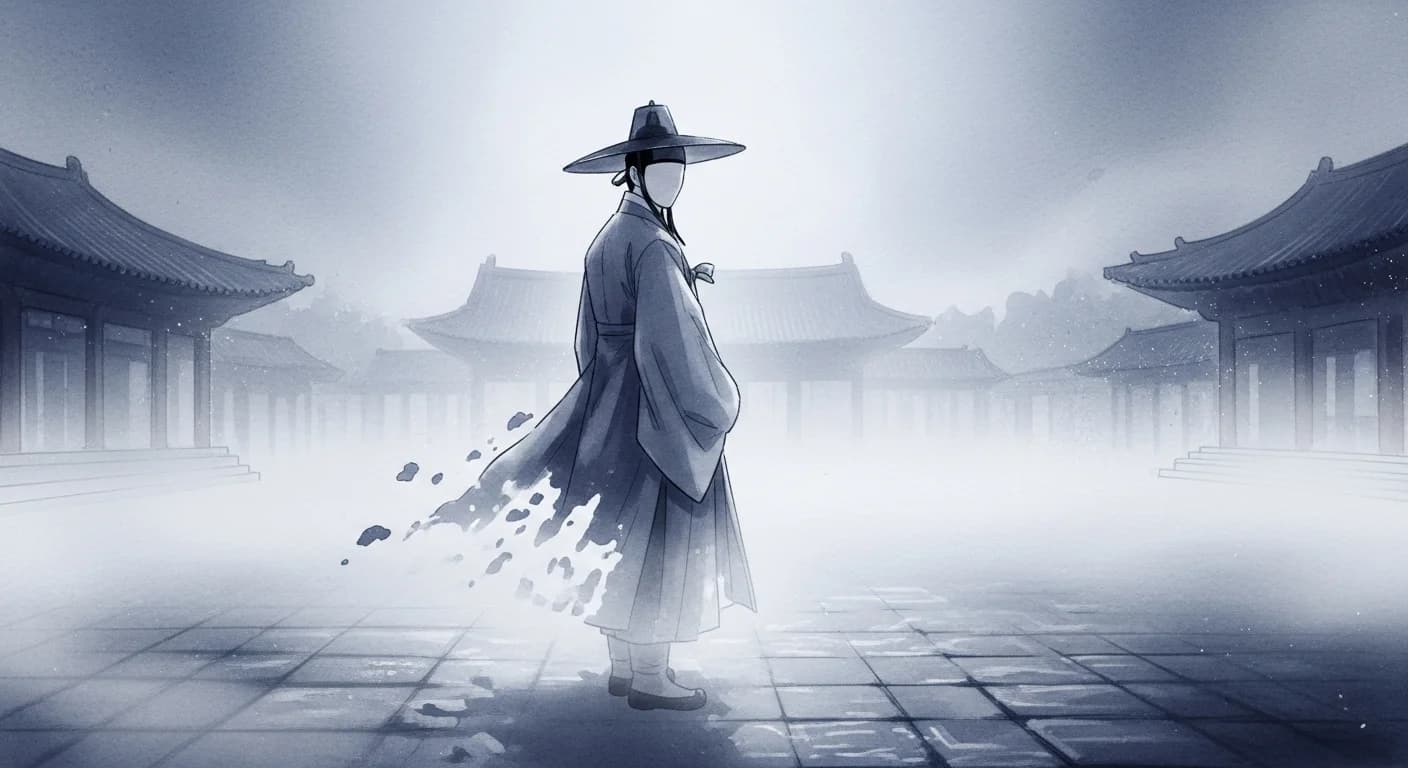
Exposed in Public Dream Meaning: Korean Dream Interpretation
If you dreamed of being exposed before a crowd last night, how you felt in that moment holds the entire answer. Korean dream tradition — rooted in centuries of Confucian social consciousness — reads this dream as a mirror of your relationship with secrets, reputation, and authenticity. Here is the twist that surprises most people: the exact same dream can be either a sharp warning or a promising sign, depending entirely on whether shame or confidence dominated your emotional experience.
Inauspicious Omen: Secrets Exposed, Reputation at Risk
When clothes are torn away involuntarily or you find yourself naked and desperate to hide yet unable to move, Korean dream interpretation reads this as a clear cautionary omen. A hidden mistake, secret, or past flaw is on the verge of becoming known. This could manifest as a workplace error coming to your supervisor's attention, a private matter being made public in an embarrassing way, or a relationship problem being exposed to your wider social circle. When the lower body is exposed first, the traditional reading sharpens further: accumulated wealth or hard-won reputation may collapse due to an unforeseen event. If this was your dream, treat it as a signal to be more careful about sensitive information and to review any important contracts or financial commitments.
Inauspicious Omen: Cornered With No Escape
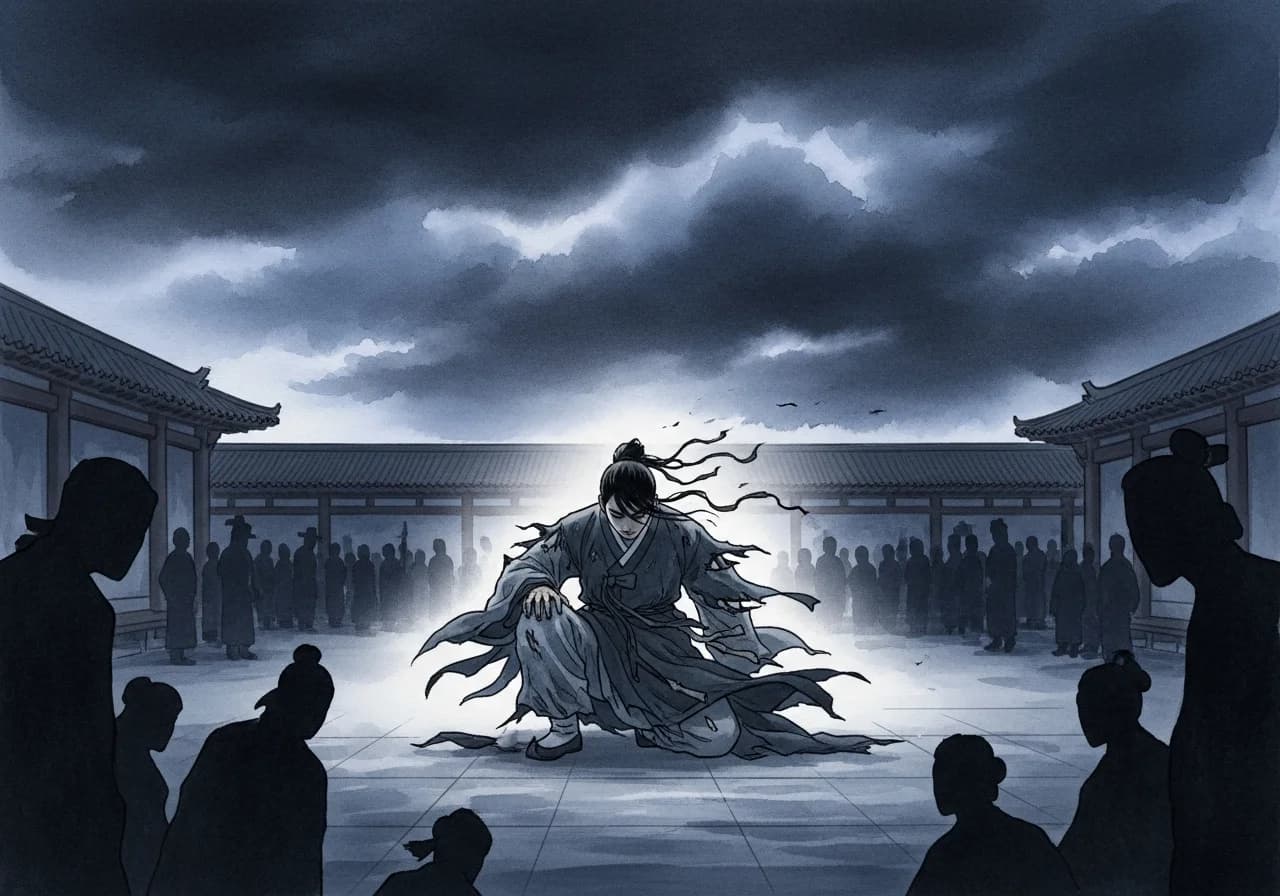
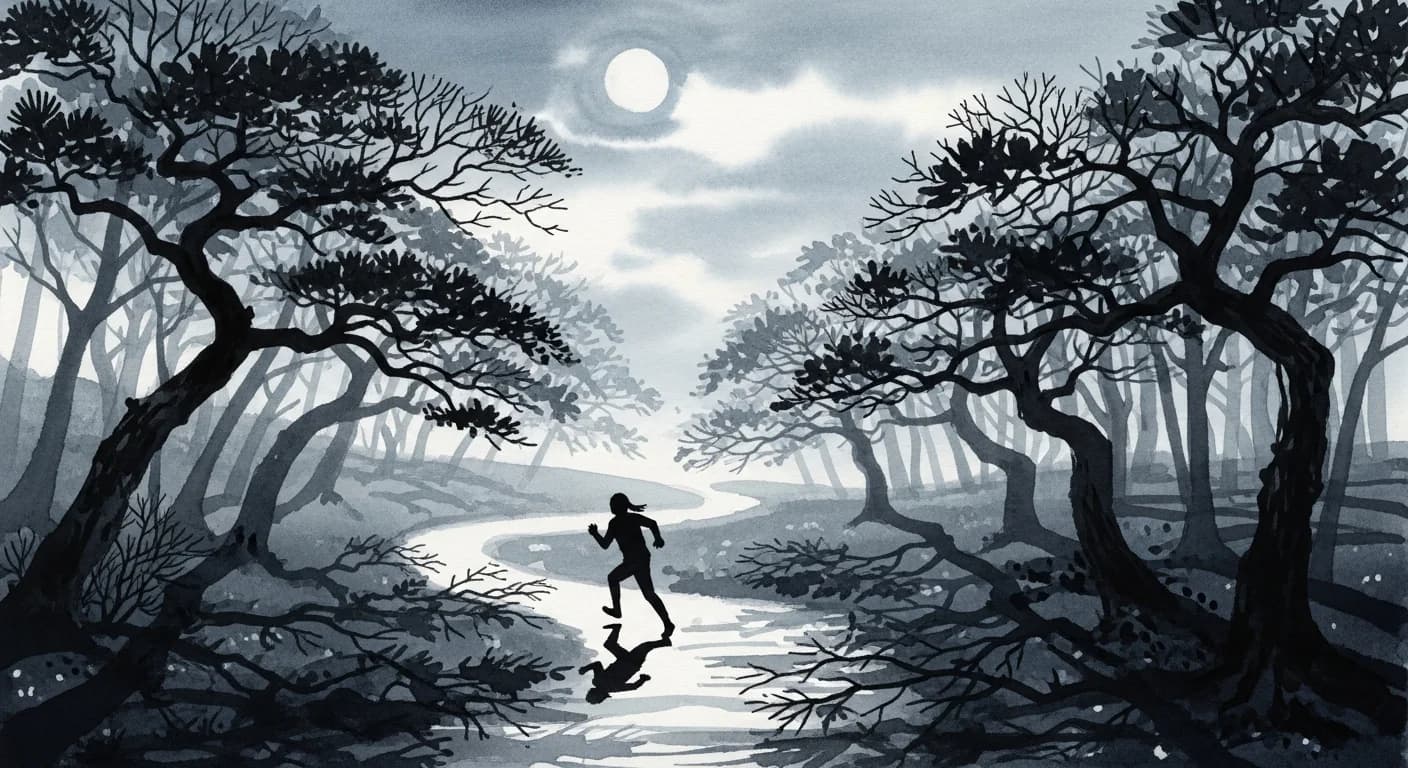
A variation where you are naked in public and cannot flee or cover yourself — frozen in place despite frantic effort — carries an even more direct warning. It suggests an unfavorable situation is approaching from which there is no easy exit. Whether in a legal dispute, workplace conflict, or relationship crisis, you may find yourself without adequate defenses. Dreams set in public streets, town squares, or bathrooms carry a similar message: something concealed in your personal life is close to the surface, and the route to avoid exposure is narrowing.
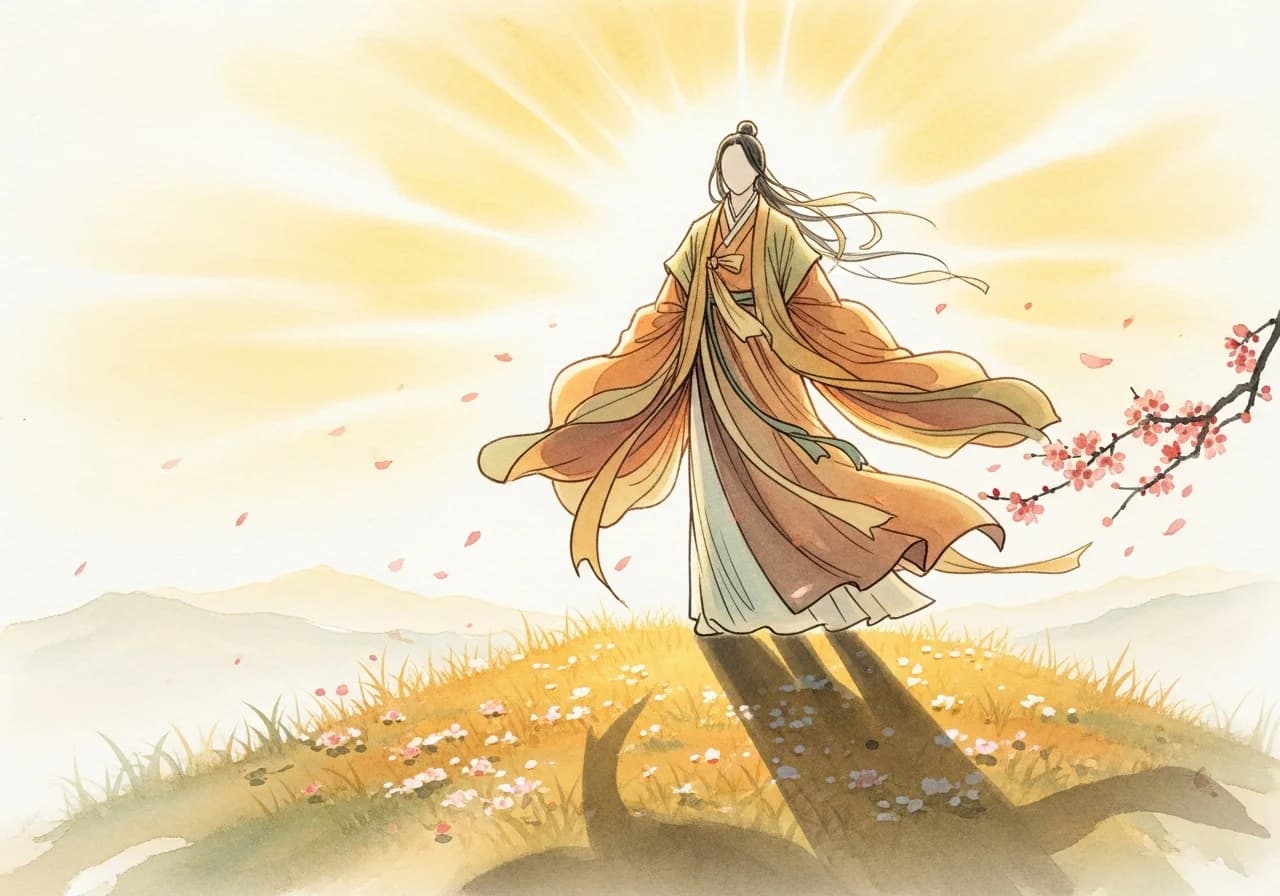
Auspicious Omen: Confident Exposure Brings Recognition
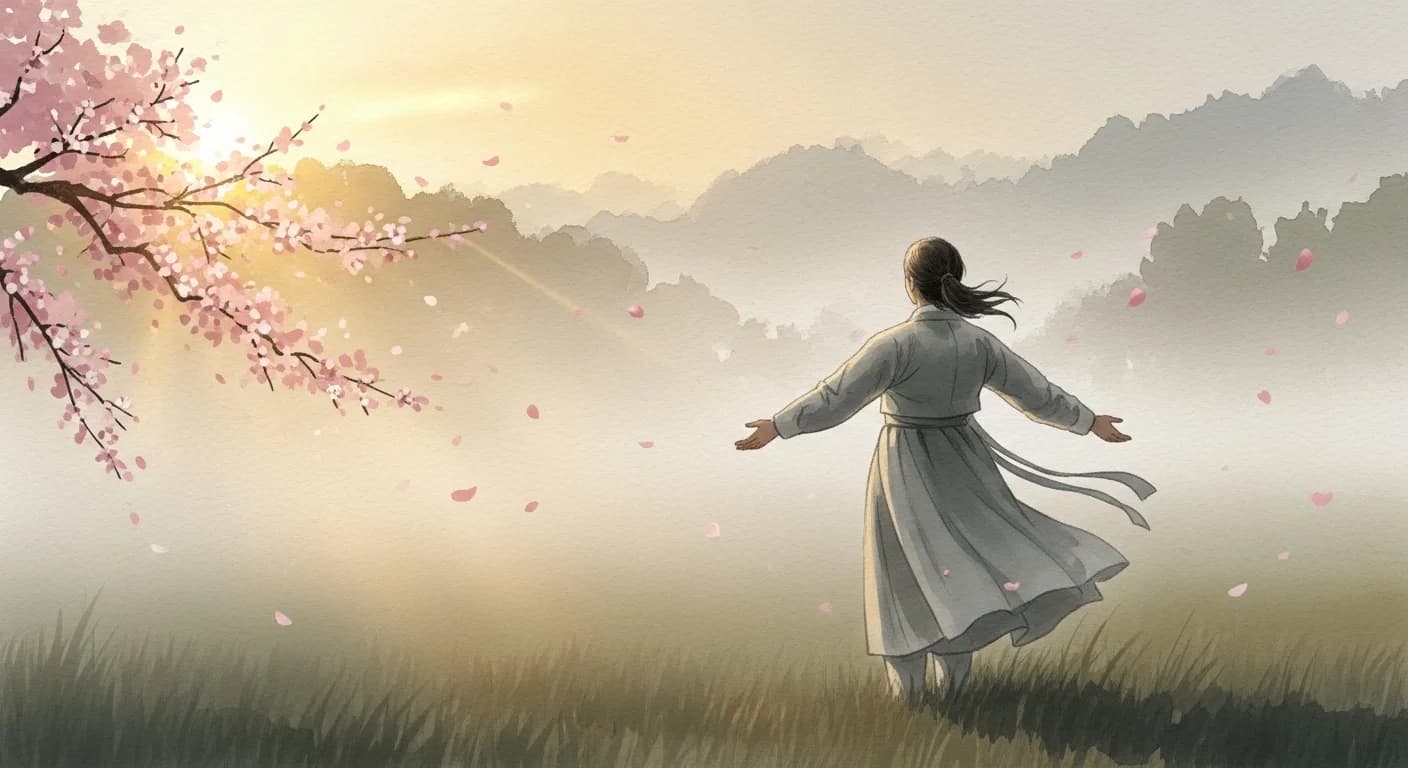
Dreaming of being naked before a crowd yet feeling entirely at ease — even proud — is one of the clearest auspicious omens in Korean dream tradition. It predicts that openly presenting yourself, your work, or your hidden talents will earn genuine admiration and elevated social standing. A promotion, public recognition, or breakthrough in how others perceive you is approaching. In the Confucian-influenced framework of Korean dream interpretation, confident nakedness carries a specific meaning: shedding your social mask to receive authentic recognition ('injong') — the kind that acknowledges your true self rather than your performed identity.
Dream Variations
Clothes suddenly falling off dream
Sudden, unexpected exposure warns that a secret or vulnerability will surface without warning. Be attentive to how you manage sensitive information at work, school, or in social settings — something concealed may break into the open abruptly.
Lower body exposed dream
In traditional Korean interpretation, lower body exposure specifically warns that accumulated wealth or reputation may collapse due to an unforeseen event. Exercise heightened caution around financial management, important contracts, and key commitments during this period.
Upper body exposed dream
Exposure of the upper body points toward a lack of support from superiors or senior colleagues in professional life. A key project or initiative may leave you isolated without backing from those above — it is worth investing in those relationships now before the gap appears.
Deliberately undressing in public dream
When you choose to undress rather than being forced, the dream reflects a powerful inner drive toward honesty and self-disclosure. Performed without shame, this is auspicious — it predicts a courageous decision or a bold new direction. You are ready to stop performing and start being.
Partially exposed dream
Partial exposure suggests a partial reveal: only some secrets or shortcomings come to light. Less impactful than full exposure, but the specific body area uncovered hints at which life domain is affected — work, family, or finances. How the people around you react in the dream is the most important clue about whether the overall omen is positive or negative.
Naked at school or work dream
Being exposed in a high-stakes evaluation environment — school, office, exam hall — reflects anxiety about having your skills or performance judged. This dream often surfaces when you feel underprepared for an upcoming challenge. Treat it as a prompt to reinforce your preparation rather than a prediction of failure.
Exposed but nobody notices dream
If you are naked in public but no one reacts or pays attention, this dream is telling you that you are far more critical of yourself than the outside world is. The flaw or mistake you are fixating on feels catastrophic from the inside, but others are barely aware of it. This is an invitation to ease self-judgment.
Naked and fleeing in shame dream
Running away in shame after being exposed reflects a powerful urge to escape reputational or social damage in waking life. Korean dream tradition and modern psychology agree here: avoidance will not resolve the underlying issue. Facing the situation directly will serve you far better than retreat.
Cultural Context
Public nakedness in Korean dream tradition is inseparable from 'chemyeon' (體面) — a Confucian concept that encompasses personal dignity, social status, and family honor simultaneously. Unlike the Western notion of self-esteem as a purely individual matter, chemyeon in Joseon-era Korea was a collective asset: your bodily propriety and emotional restraint reflected not just on you but on your entire lineage. Folk dream manuals consistently warned that appearing naked before others 'presages public disgrace before many people,' underscoring how seriously the loss of social face was taken. The flip side also appears in traditional texts: confident, unashamed nakedness was read as the shedding of false social pretense to receive authentic recognition. This dual interpretation — shame predicts disgrace, confidence predicts honor — maps directly onto the Confucian tension between performed identity and inner virtue. Contemporary Korean dreamers still widely recognize exposure dreams as symbols of anxiety around exposed secrets, workplace missteps, or relationship embarrassments, demonstrating how deeply these cultural frameworks persist.
Western Psychological Perspectives
Public exposure dreams are among the most richly interpreted dream types in Western psychology, with each major school arriving at strikingly different conclusions. Freud analyzed the dream as a collision between a repressed exhibitionistic impulse and the censoring superego. Childhood experiences of shame around natural bodily freedom push the desire to be seen deep into the unconscious; in the dream it resurfaces alongside the superego's prohibition, and the shame felt is precisely the anxiety generated by this unresolved conflict. For Freud, the dream reveals something the waking mind refuses to acknowledge about the tension between exposure and concealment.
Jung offered a dramatically different reading. In Jungian psychology, being exposed in public represents stripping away the Persona — the social mask constructed to fulfill collective expectations. Rather than a symptom of repression, the dream is an invitation from the deeper psyche to undertake individuation: to reveal the authentic Self beneath the carefully curated social identity. The shame in the dream signals an ego that has over-identified with its Persona and is now terrified to exist without it. Jung would read this not as a warning but as the unconscious urging greater authenticity and genuine self-expression.
Modern psychology connects public exposure dreams most directly to performance anxiety, imposter syndrome, and evaluation apprehension. The dreams tend to cluster before high-stakes social evaluations — a new role, major presentation, or important exam — and represent the unconscious fear of being 'found out' as inadequate. Cognitive-behavioral therapy uses these dreams as a practical entry point: they reveal the specific self-critical thought patterns that, when examined and challenged, lose much of their power.
Across cultures, public exposure ranks among the most universally reported dream types. Western frameworks tend to locate the issue within the individual — self-esteem, repression, anxiety — while collectivist cultures like Korea, Japan, and China weight the social dimension far more heavily: what matters is the gaze of the group and the standing of the collective. Both the meaning of shame and the path toward resolution shift significantly depending on cultural background, which is why any complete interpretation of this dream must account for who the dreamer is and where they come from.
Frequently Asked Questions
Dreams of public exposure are uncomfortable precisely because they touch something real: the gap between who we present ourselves to be and who we actually are. Korean tradition and modern psychology agree that the key lies not in the nakedness itself, but in what you do with it. Shame and panic point toward secrets that need tending; confidence and ease point toward a self ready to be fully known. Either way, this dream is less a threat and more an honest question your deeper mind is asking about authenticity, reputation, and the courage to be seen.