
Fast Heartbeat Dream Meaning
If your heart was racing in last night's dream, the emotional color of that pounding is everything. Korean dream tradition (꿈해몽) teaches that a heart beating with joyful anticipation carries a completely different message than one hammering with fear — and this distinction goes back centuries to a time when bodily sensations in dreams were considered among the most powerful prophetic signals of all. What makes this dream especially worth examining is that the same physical sensation can forecast either your most exciting breakthrough or your most pressing warning.
Excitement and Joy — The Auspicious Interpretation

When your heart races with a sense of thrilling anticipation in a dream, Korean dream interpretation reads this as a strongly auspicious sign (길몽). A long-awaited opportunity may be arriving — whether that means a business deal about to close, an exam you are prepared to pass, or a connection about to deepen into something meaningful. Dreams of meeting someone while your heart pounds with excitement suggest that encounter carries real significance for your life path. The key marker here is the emotional quality: an exhilarating, energizing beat signals that life is moving in the right direction and gathering momentum.
Fear and Panic — The Inauspicious Interpretation
A heart slamming against the ribs out of fear or dread is a different message entirely. In Korean dream tradition, this inauspicious dream (흉몽) reflects psychological pressure building in your waking life — unresolved conflict, excessive workload, or unacknowledged health concerns surfacing through the unconscious. A dream where the chest tightens painfully while the heart races carries the most urgent warning, traditionally linked to potential separation from someone close or financial difficulty ahead. The practical response is not alarm but action: examine what pressure you have been carrying, and begin to release it.
Neutral Awareness — Simply Noticing the Heartbeat
Dreaming that you simply become aware of your own heartbeat — without strong fear or excitement — is interpreted in Korean tradition as a gentle prompt to look inward. Your body may be registering that your life's rhythm is shifting before your conscious mind catches up. This is a good moment to reassess whether your current direction genuinely fits who you are, and to make small, intentional adjustments before larger decisions are required.
Wealth and Fortune Signals
A racing heart paired with the discovery or receipt of something valuable in a dream amplifies the financial luck reading. If you dream of your heart pounding as you find money, receive an unexpected gift, or seal a deal, traditional Korean interpretation treats this as a sign that unexpected income or a prized opportunity is near. The flip side — a pounding heart accompanied by losing something — calls for caution around spending or financial decisions in the near term.
Health Signals From the Heart Dream
Korean dream tradition has long held that dreams featuring the body's own organs carry messages about that organ's health. If dreams of a racing or irregular heartbeat recur, the traditional wisdom aligns with modern common sense: take it as a signal to check in with your cardiovascular health, improve sleep quality, and reduce overwork. The body communicates in metaphor even during sleep, and a recurring pounding heart in dreams may be exactly that kind of message.
Dream Variations
Excited Pounding Heart Dream
Dreaming of the heart pounding with happy anticipation is a classic auspicious sign — new romance, good news, or a long-awaited positive development is close at hand. When the pounding accompanies the sight of someone romantic or the arrival of an important moment, the dream signals emotional fulfillment and enriching relationships ahead.
Heart Racing From Fear Dream
Being chased or threatened while your heart hammers reflects stress that has reached an overwhelming level in waking life. In Korean tradition, a fear-driven racing heart symbolizes the desire to escape current pressures or the weight of responsibility bearing down on you. After this kind of dream, space for rest and honest self-reflection is exactly what is needed.
Heart Pounding Upon Waking From Dream
Waking from a dream with a still-pounding heart is one of the clearest signals in Korean dream interpretation: the dream's content matters and carries real-world relevance. Dreams accompanied by physical bodily reactions were historically categorized as prophetic dreams (예지몽), meaning they deserve to be remembered and reflected upon carefully.
Heart Racing in Front of a Loved One Dream
Dreaming that your heart races when you see someone you care for deeply is considered an auspicious sign — a confirmation that the feelings are genuine and that the relationship has the potential to deepen further. It can also be read as an encouraging nudge to be honest about your emotions and take the next step.
Chest Tightening With Fast Heartbeat Dream
When a squeezing chest pain accompanies the racing heart, the dream carries its most serious health and emotional warning. Korean tradition reads this as either an unconscious flag about physical wellbeing or a sign that emotional suppression has hit its limit. A health check and a deliberate reduction in stress and overwork are the recommended responses.
Heart Racing While Exercising in Dream
Running or training hard in a dream, with your heart pounding energetically, is an auspicious symbol of ambition and vitality. Sweating and moving powerfully toward something suggests that effort applied in your waking life toward a clear goal is on the verge of paying off. Consider this dream a confirmation to keep pushing.
Heart Feeling Like It Will Burst Dream
A heartbeat so intense it feels like it might burst expresses an extreme emotional state — either the peak of joy at a turning point in life, or an emotional overload that urgently needs release. Read the emotional context of the dream to know which it is, and respond accordingly: celebrate or decompress.
Cultural Context
In Korean traditional dream interpretation, the heart (심장) has always been considered the seat of both vitality and emotion. During the Joseon dynasty, folk belief held that the heart was the dwelling place of the human soul, and sensations felt in the heart during dreams were treated as forecasts of important turning points in life. Traditional Korean medicine (한의학) views the heart as the 'sovereign organ' (군주지관) among the five viscera — the master of all mental activity and blood circulation. A rapidly beating heart in a dream was interpreted as blazing 'heart fire' (심화, 心火), meaning that intense emotional energy had been ignited. Since the Three Kingdoms era, dream divination has held an important place in Korean culture, and dreams featuring physical bodily sensations were classified as especially significant prophetic dreams (예지몽). Within Korean shamanic traditions, a pounding heart in a dream was sometimes seen as a signal that divine spirits or ancestral presences were actively at work in the dreamer's life.
Western Psychological Perspectives
Western psychological frameworks offer several illuminating angles on the fast heartbeat dream. From a Freudian perspective, a rapidly beating heart in a dream signals the surfacing of repressed drives. The racing heartbeat may represent Id energy connected to sexual excitement or aggressive impulse finding safe discharge within the dream space. Freud saw dreams accompanied by physical sensations as reflecting particularly intense unconscious wishes — suppressed daytime emotions finding their outlet during sleep.
Jungian analytical psychology reads the heart as a central symbol of the Self and an archetypal image connected to the individuation process. A heart beating intensely in a dream indicates that the true inner self is demanding awakening — urging the dreamer to be authentic before an important life choice or transition. Jung treated such physically felt dreams as powerful transmissions from the unconscious to the waking mind.
Modern neuroscience and clinical psychology offer a complementary explanation. During REM sleep, the autonomic nervous system activates and actual heart rate can rise measurably. People with anxiety disorders or post-traumatic stress disorder report fast heartbeat dreams significantly more often than others. Cognitive behavioral therapy frames these as unprocessed daytime emotions being reactivated during sleep, and recommends stress management and emotional expression skills for anyone who experiences them repeatedly.
Across cultures, the racing heart in a dream has consistently symbolized vitality, passion, and the core emotions of human experience. Chinese traditional medicine saw the heart as governing both emotion and intellect, interpreting a pounding heart in a dream as the forerunner of an important decision or spiritual insight. Medieval Western culture sometimes read fast heartbeat dreams as divine warnings or revelations — a striking parallel to the Korean concept of the prophetic dream (예지몽). Whether the lens is ancient or modern, Eastern or Western, the dreaming heart insists on being heard.
Frequently Asked Questions
A racing heart in a dream is one of the most personal and direct messages your subconscious can send. Whether it carried excitement or alarm, the dream was registering something real: a life shift approaching, an unresolved tension demanding attention, or a feeling you have not yet let yourself fully acknowledge. Korean dream tradition treats this kind of dream with particular respect for good reason. Pay attention to what accompanied the pounding heart — and let that clarity guide what you decide to do next.
Related Dreams
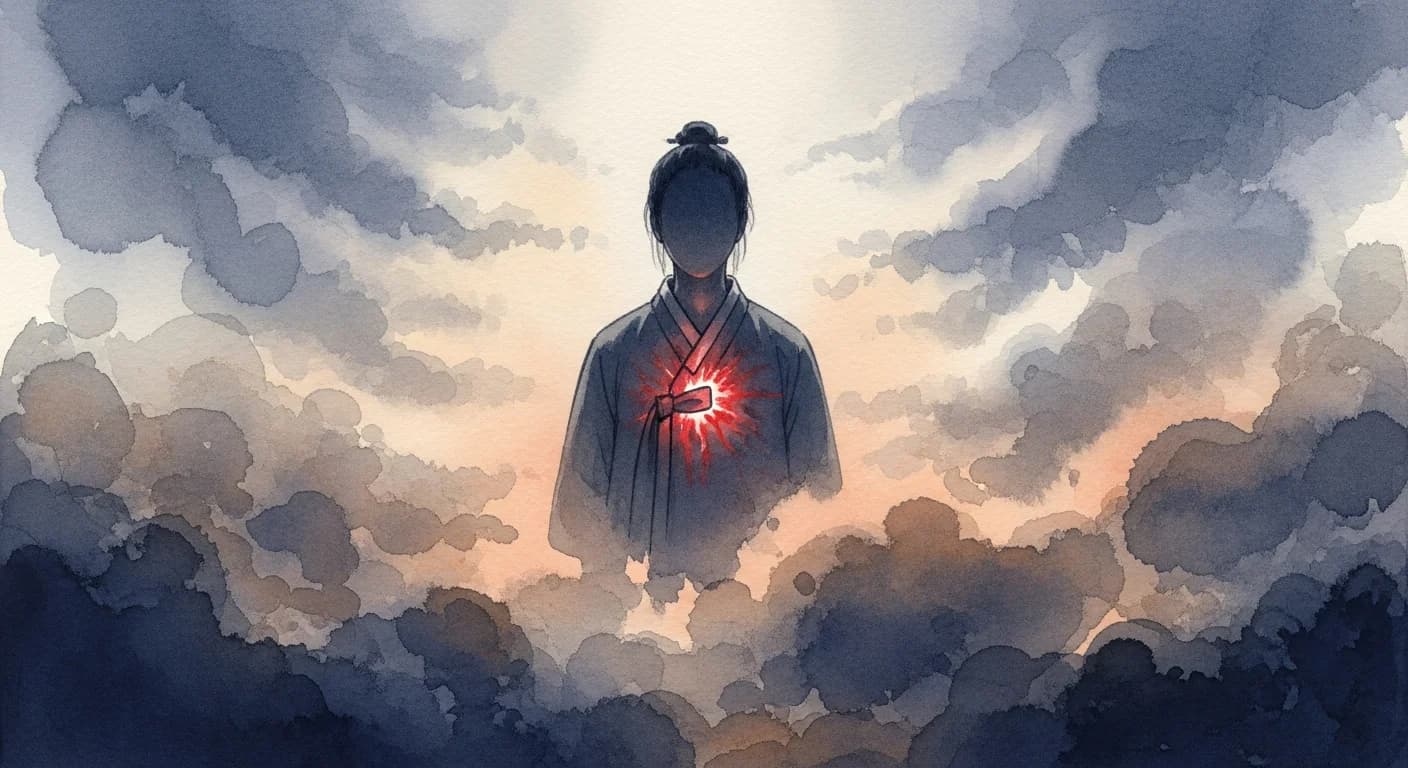
Chest Pain Dream Meaning — What Korean Dream Tradition Tells You

Sweating Dream Meaning — Anxiety, Effort, and Restoration in Korean Dream Lore
Being Sick Dream Meaning — Is Dreaming of Illness Good or Bad?

Back Pain Dream Meaning — The Unconscious Warning When Life's Central Axis Is Shaking
Can't Breathe Dream Meaning — What Suffocation Dreams Tell You
Sleep Paralysis Dream Meaning: The Korean Interpretation of Gawi Nulim