Dream of Finding Something — What Korean Dream Tradition Really Tells You
If you found something lost in your dream last night, Korean dream tradition has clear good news for you — it's one of the strongest auspicious omens in the entire 해몽 canon, signaling that tangled problems are about to unravel and lost fortune or honor is on its way back. In Korea, this dream has been recorded as a positive sign since Joseon-era dream interpretation texts, where finding an object was explicitly linked to regaining wealth or official position — rooted in a Confucian worldview where the recovery of something lost was seen as the natural restoration of divine order. But there's a crucial distinction this guide will explain — because the ending of the dream changes everything. Whether you found it or not determines whether this is a message of hope or a quiet warning.
Successfully Finding Something — A Powerful Good Omen
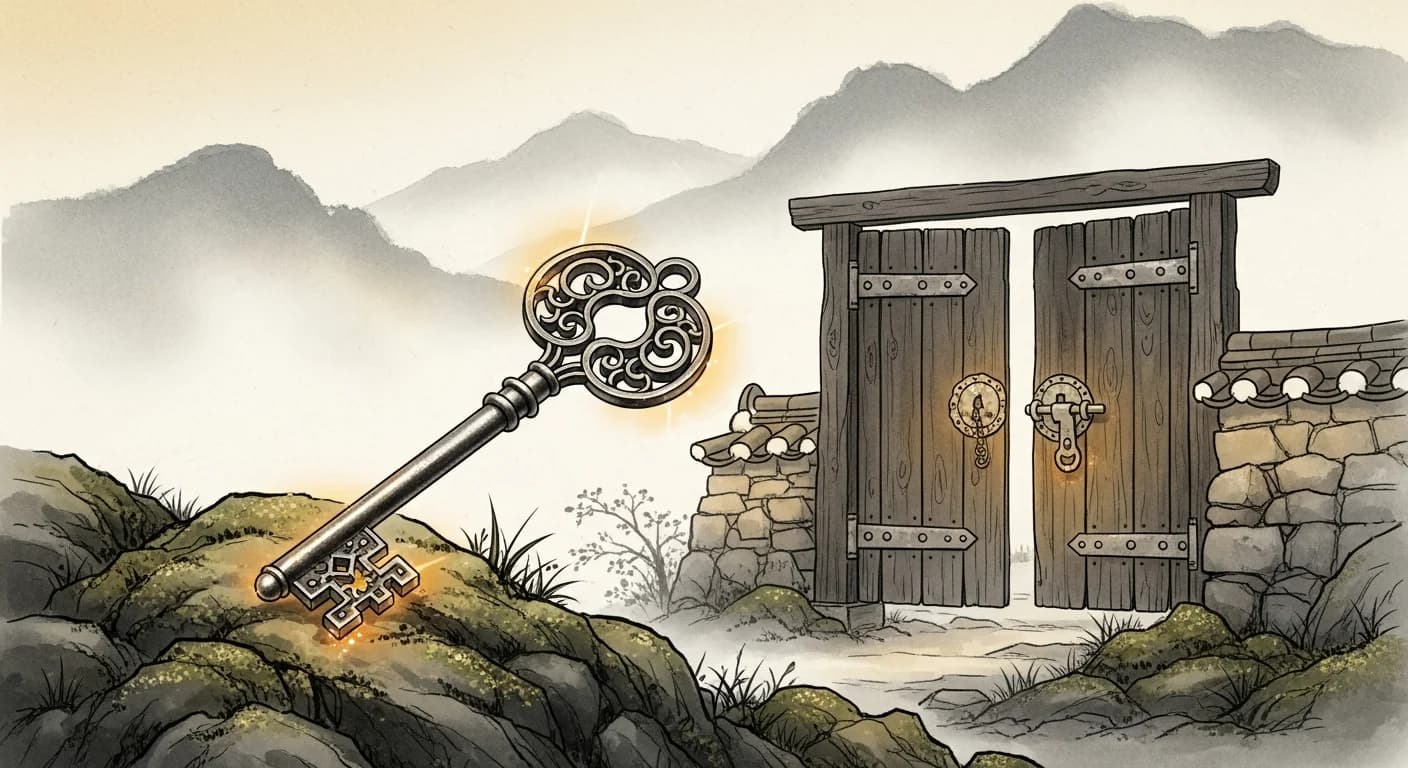
In Korean dream interpretation (꿈해몽), successfully finding a lost object in a dream ranks among the most auspicious signs. The dream signals that problems currently tangled in your waking life will begin to unravel — often with the help of a benefactor or unexpected ally. Things you considered lost: a business opportunity, a strained relationship, financial security — the dream suggests the tide is about to turn in your favor. Accidentally discovering something in an unexpected location carries an additional meaning: windfall luck. A new partnership, a surprising career opening, or the answer to a long-standing dilemma may arrive from a completely unanticipated direction. Discovering something hidden in a concealed room or space within a house holds particularly deep significance. This variation points to the emergence of latent talents and abilities you did not know you possessed — the beginning of a meaningful period of self-expansion and new possibility.
Searching But Never Finding — A Warning Sign
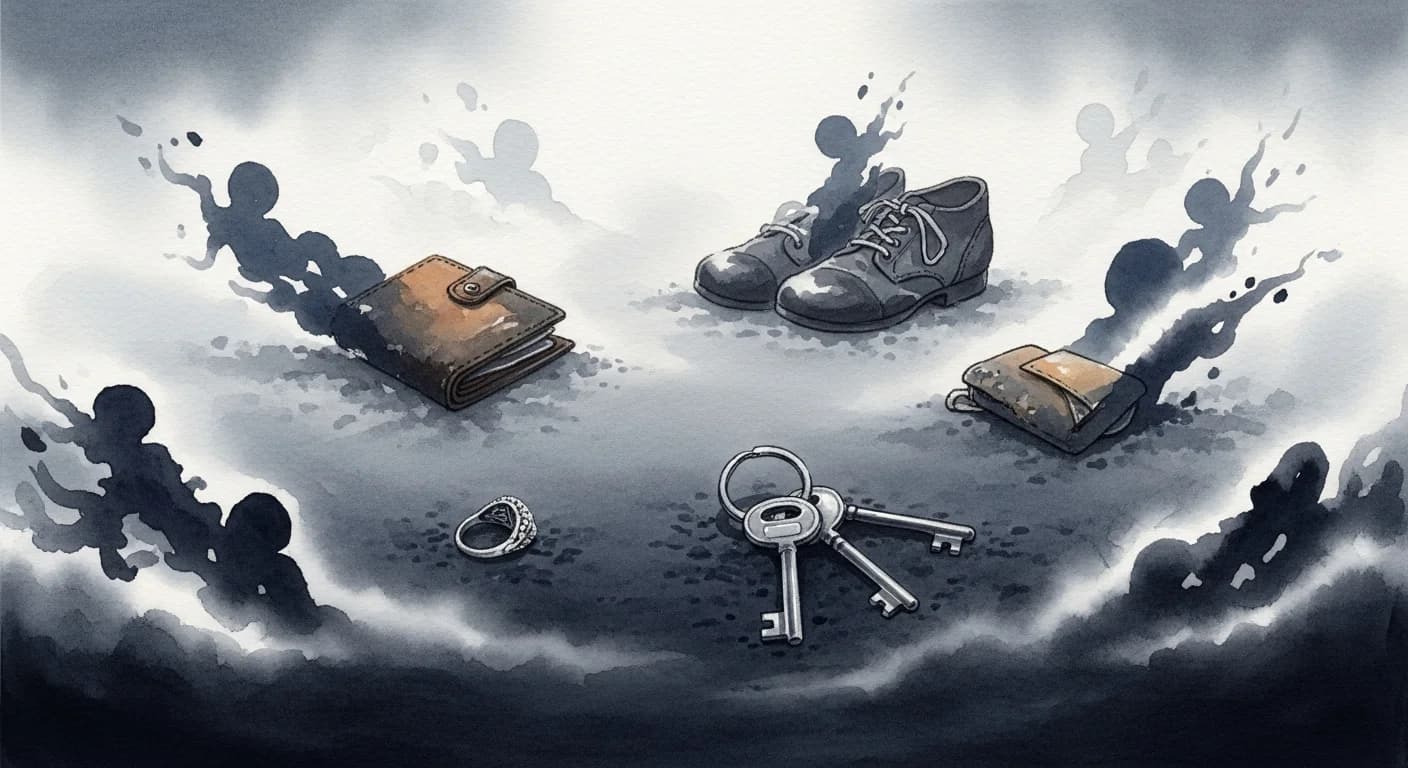
Dreaming of searching endlessly without finding what you seek is interpreted as an inauspicious omen in Korean tradition. This dream is a reflection of deep-seated anxiety and a sense of ongoing loss in waking life. It suggests that unresolved problems or long-carried burdens are weighing heavily on your mind, and it serves as a warning that important opportunities may be slipping away while attention is scattered. If the search takes place in a frightening or oppressive atmosphere, the message intensifies: inner stress and suppressed fears have reached a peak, and unresolved emotions or situations being actively avoided may need to be confronted. Dreams of searching and ultimately giving up carry a specific message as well — a warning against abandoning an ongoing effort before it reaches fruition. On days following such dreams, recommitting to your goals with sustained focus is the wisest course.
Searching for a Lost Person — A Message About Relationships
Searching for a person rather than an object shifts the dream's meaning toward the realm of relationships and emotional connection. This is generally a neutral dream, reflecting longing or unresolved feelings toward the person you seek. If the person you search for is a family member, the dream expresses an unconscious desire to strengthen family bonds — especially meaningful if a family relationship has grown distant or strained. Searching for a stranger represents something quite different: a journey into your own unexplored inner landscape, seeking aspects of yourself you have not yet discovered or integrated. If the dream culminates in a reunion with the person you sought, it is a genuinely positive signal — pointing toward emotional healing and the restoration of a connection that has drifted.
Dream Variations
Dream of Finding Money
Finding money in a dream is an omen of rising financial fortune and unexpected income. Good results are anticipated in business expansion or investments, and a financial breakthrough that has been long in coming may be drawing near. However, finding money and then losing it again — or failing to pick it up — reverses the meaning into a warning of financial loss or missed monetary opportunity. Financial decisions following this dream deserve careful thought.
Dream of Finding a Lost Wallet
Finding a lost wallet in a dream is one of the most auspicious variations in this category. The wallet symbolizes wealth, credit, and social identity in Korean dream tradition — so recovering it signals the resolution of financial troubles, the clearing of interpersonal blockages, and the restoration of lost credibility or resources. This is an especially hopeful dream for anyone navigating business difficulties or recovering from a damaged relationship.
Dream of Finding Treasure
Discovering hidden treasure — gold, jewels, or ancient riches — is among the most powerful good omens in Korean dream interpretation. It foretells the acquisition of great wealth or significant honor. Unexpected success in business or a dramatically fortunate turn of events may arrive, possibly through the assistance of a benefactor. After this dream, pay close attention to opportunities that present themselves in your waking life.
Dream of Finding a Key
Finding a key in a dream is a positive omen signaling that the solution to a long-unsolved problem is within reach. The key is a universal symbol of opening what has been locked — a path forward that was previously blocked. Whether the challenge lies in your career, business, or personal relationships, this dream hints that a new door of possibility is about to swing open.
Dream of Searching for a Person
Searching for a specific person reflects longing or unresolved conflict within that relationship. Searching for a family member represents a desire to restore or deepen family bonds. Searching for a stranger symbolizes the exploration of your own unknown potential — a psychological journey inward. Searching for a romantic partner suggests unmet emotional needs within a current relationship that deserve attention.
Dream of Finding Your Way
Finding the path after wandering lost is an auspicious dream of recovered direction. It suggests that a way forward will emerge from a situation that has felt stuck or overwhelming — a breakthrough in career, business, or life direction is signaled. If you have been at a crossroads for a long time, this dream brings the message that clarity is approaching.
Dream of Discovering a Hidden Room
Discovering an unknown room within your own home is a vivid symbol of self-expansion and emerging potential. If found with feelings of joy and wonder, it signals positive personal growth and the discovery of new abilities or opportunities you hadn't recognized in yourself. If accompanied by fear, it points toward a need to confront suppressed emotions or problems that have been consciously avoided.
Dream of Finding a Lost Ring
In Korean symbolism, a ring represents bonds, commitments, and cherished connections. Finding a lost ring in a dream suggests that an estranged relationship will be restored, or that a new significant bond will form. For those in romantic relationships, this dream points toward a deepening of connection and renewed closeness with a partner or spouse.
Dream of Finding an Old Object
Discovering a long-forgotten object or cherished heirloom suggests that wisdom from the past holds the key to a present challenge. The teachings of ancestors, elders, or long-held personal values that have been set aside may prove unexpectedly relevant. It is a time to look backward as well as forward when searching for answers.
Dream of Giving Up the Search
Dreaming of searching hard but ultimately giving up warns against abandoning an ongoing effort before it reaches completion. It may reflect a lack of confidence in a current endeavor, or signal the real risk of walking away from something important. This dream is a reminder that sustained effort and resolve are needed — and that asking for help or adjusting strategy is wiser than quitting.
Cultural Context
In the Korean tradition of dream interpretation (꿈해몽), dreams about searching and finding have long been regarded as deeply meaningful. In Korean folk belief, dreams were understood as messages carrying the will of heaven or revelations from ancestors — the boundary between the sleeping mind and the spiritual world was considered permeable in ways that daily waking life could not be. Dreams in which one successfully finds a lost object were particularly valued as symbols of recovery and good fortune, treated not as random mental noise but as genuine omens worth heeding. Classical Joseon-era dream interpretation texts record that finding an object or person in a dream portended the acquisition of official position or wealth, grounded in the Confucian worldview where the recovery of something lost was understood as the natural restoration of divine order — what had been rightfully yours returning to you through heavenly will. Conversely, endlessly searching without finding was viewed as an omen of fleeing fortune or scattering wealth, something to be taken as a serious warning. Today, this tradition continues in everyday Korean life — dreaming of finding something before an important exam or job interview is still widely regarded as a positive sign by many Koreans, reflecting a cultural continuity between folk tradition and contemporary lived experience.
Western Psychological Perspectives
Western psychology offers several rich frameworks for understanding searching dreams, each illuminating different dimensions of what the sleeping mind might be working through.
From a Freudian perspective, dreams of searching represent repressed desires or unfulfilled impulses surfacing from the unconscious. The object being sought often symbolizes security lost in childhood, a persistent need for approval, or suppressed social and relational drives. The act of searching itself — reaching, striving, never quite grasping — reflects the ego's ongoing attempt to consciously pursue what the id demands. Freud would likely see the emotional tone of the dream (anxious? hopeful? frustrated?) as especially revealing of the underlying psychological tension.
Jungian analytical psychology takes a more expansive view, interpreting searching dreams as part of the individuation journey — the lifelong process of becoming a fully integrated self. The object of the search represents unintegrated aspects of the psyche: the shadow (the parts of ourselves we disown), the anima or animus (the inner feminine or masculine). Finding it is not just resolution — it's the conscious integration of something previously unconscious, drawing the dreamer closer to the whole Self. Dreams of finding hidden rooms or buried treasure are particularly significant in this framework, often interpreted as encounters with archetypes from the collective unconscious that can precipitate major life shifts.
Modern cognitive psychology and sleep science offer a more functional explanation: searching dreams are the brain's way of processing unresolved daytime challenges during sleep. This connects directly with memory consolidation theory — the mind organizes emotionally significant information, rehearses problem-solving strategies, and works through unfinished emotional business during REM sleep. The finding or not-finding in the dream may reflect the brain's assessment of how tractable the waking problem actually is. Notably, the frequency of searching dreams tends to rise during high-stress periods or major life transitions — which aligns with both the Korean folk interpretation and modern neuroscience.
Across world cultures, the quest to find something lost is one of humanity's most universal narrative and psychological structures. Greek and Roman mythology built entire hero journeys around the recovery of something precious. Islamic tradition can interpret searching within a dream as seeking divine guidance. In Native American traditions, finding a spirit guide or totem in a dream is connected to rites of passage and personal calling. Whether approached through Korean folk tradition or Western depth psychology, the searching dream speaks a language everyone understands: the longing for wholeness, direction, and recovered meaning.
Frequently Asked Questions
Whether your searching dream ended in triumph or frustration, it carries a meaningful message. If you found what you sought, take it as an encouraging signal that resolution is within reach — the problems weighing on you are closer to being untangled than they appear. If you came away empty-handed, treat it not as a prophecy of failure, but as an honest internal assessment: something in your waking life needs more focused attention, greater persistence, or a changed approach. In both Korean tradition and modern psychology, the act of searching itself is significant — it reflects a mind actively engaged with what matters, unwilling to simply let things slip away. That determination, carried into your waking hours, is ultimately the best response to any searching dream.