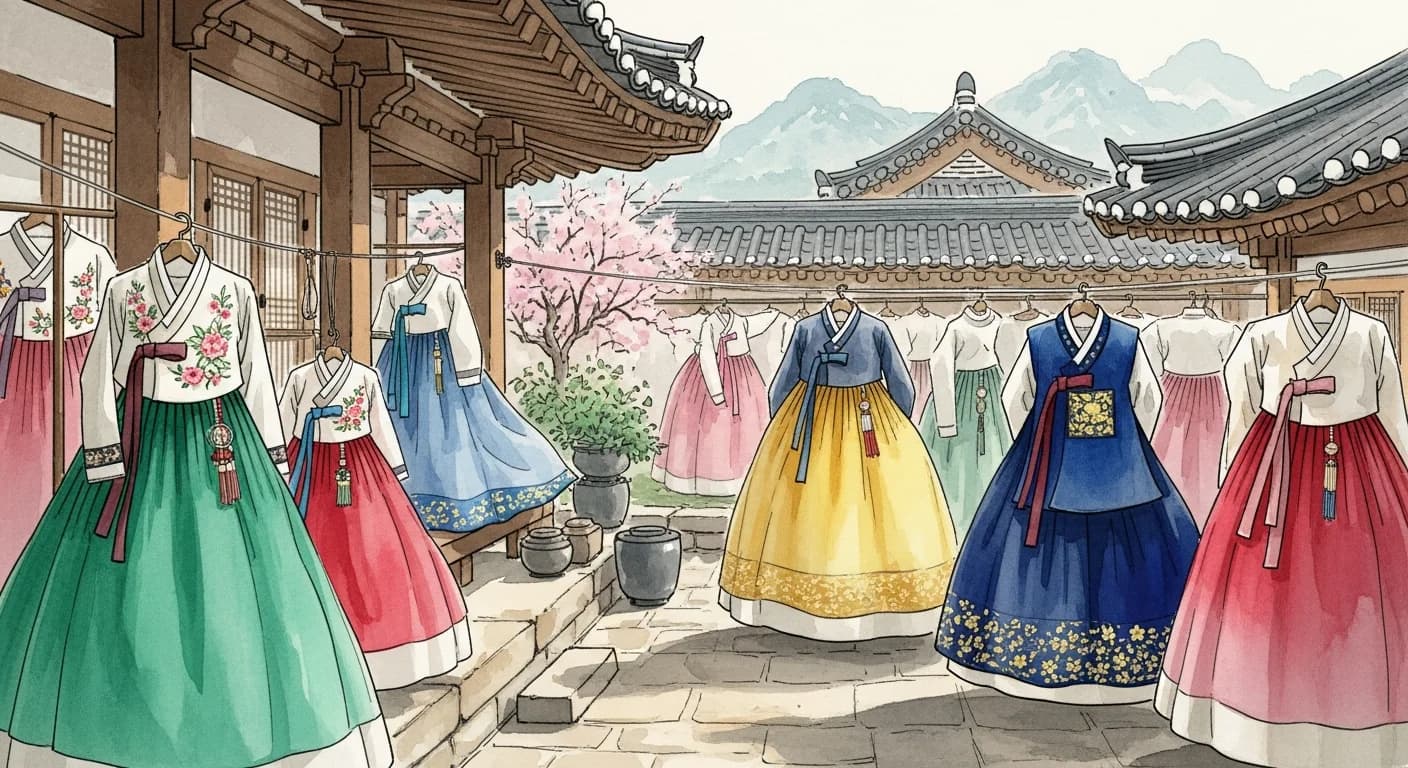
Hanbok Dream Meaning — Celebrations, Transformations, and Warnings
Dreaming of hanbok — Korea's iconic traditional garment — is rarely an ordinary experience. Because hanbok has been worn at the most pivotal moments in Korean life for centuries (weddings, ancestral rites, seasonal festivals), its appearance in a dream carries exceptional symbolic weight. The key to interpretation lies entirely in the details: was the hanbok beautiful and well-fitted, or dirty and torn? The answer changes everything.
Auspicious — The Beautiful Hanbok as a Herald of Good Fortune

Wearing a clean, beautifully fitted hanbok in a dream is among the most auspicious clothing dreams in Korean tradition. It foretells recognition and admiration from those around you, a possible promotion or rise in social standing, and — for unmarried dreamers — the imminent arrival of an ideal romantic partner. Receiving hanbok as a gift is equally fortunate, strongly favoring romantic fortune: a heartfelt confession or the beginning of a meaningful new relationship may be just around the corner. Buying hanbok in a dream points to an upcoming family celebration, often a wedding, and reflects an active, fortunate energy you are drawing into your life.
Inauspicious — Dirty or Torn Hanbok as a Warning
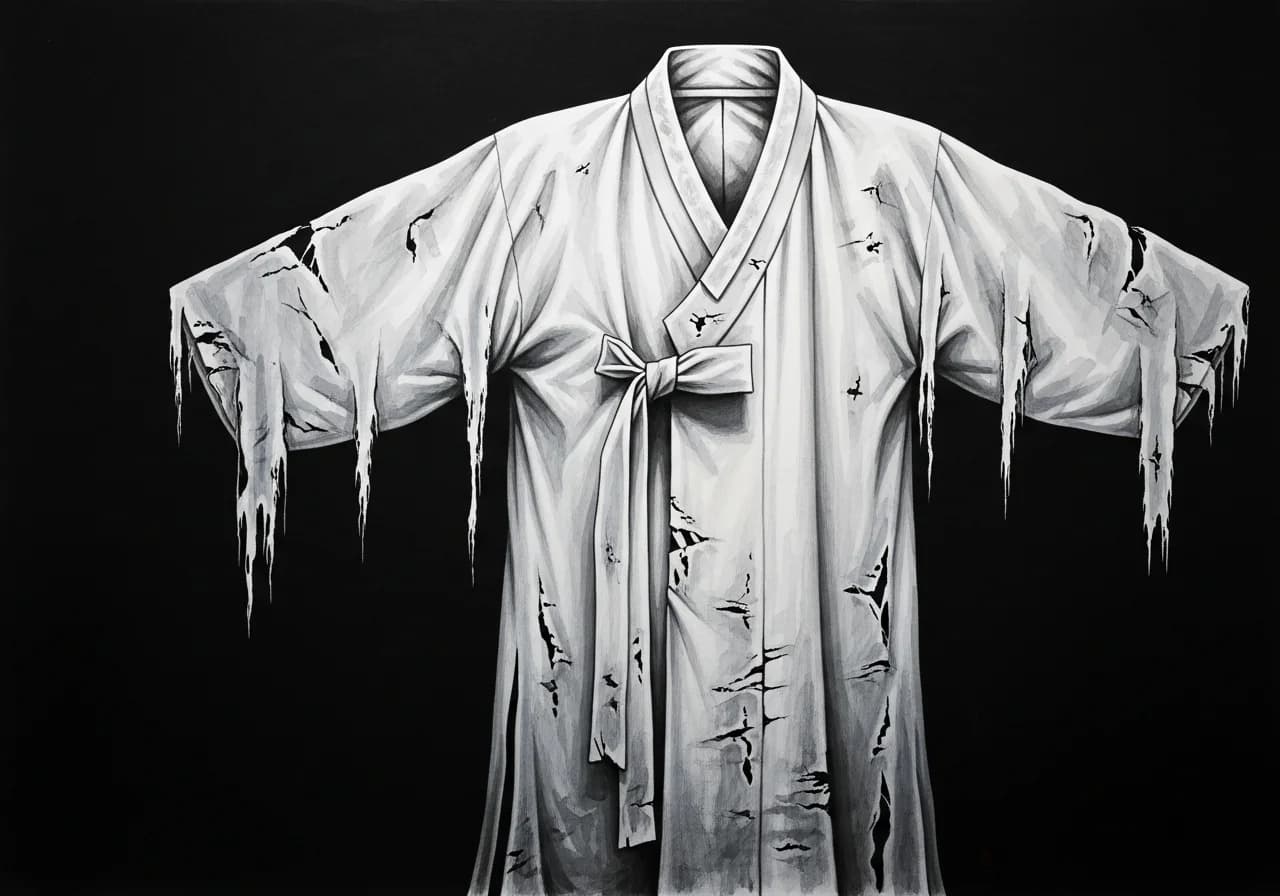
A dirty, worn, or tattered hanbok is a cautionary dream. It warns of declining health, accumulated stress, or potential betrayal and conflict in close relationships. A hanbok with its decorative tie (옷고름) falling off, or one that fits poorly, signals that important plans may fall short of expectations and interpersonal friction may be ahead. Black hanbok is most commonly interpreted as a warning about health issues or unexpected accidents — if you dream of this, take the signal seriously and prioritize your wellbeing and safety. The one exception: if the black hanbok appeared commanding and impressive rather than ominous, the dream may actually signal a sudden, major reversal of fortune for the better.
Context Matters — The Garment's Condition Determines the Outcome
The central interpretive rule for hanbok dreams is simple: the condition and emotional tone of the garment determines whether the dream is auspicious or cautionary. Watching a sunset while wearing hanbok sounds romantic — and it is a favorable sign if the hanbok is clean and beautiful, indicating that your personal appeal is at its peak and meaningful encounters are near. But if the hanbok is soiled or torn in that same scene, the dream warns that a cherished relationship may be growing distant. Similarly, sleeping in hanbok reflects your current health: a clean garment signals restful stability, while a disheveled one suggests the need to reassess your lifestyle habits.
Dream Variations
Wearing Hanbok Dream — Honor and New Connections
An auspicious dream signaling increased recognition, rising honor, and the support of a mentor or superior. For unmarried individuals, a favorable romantic encounter is on the way.
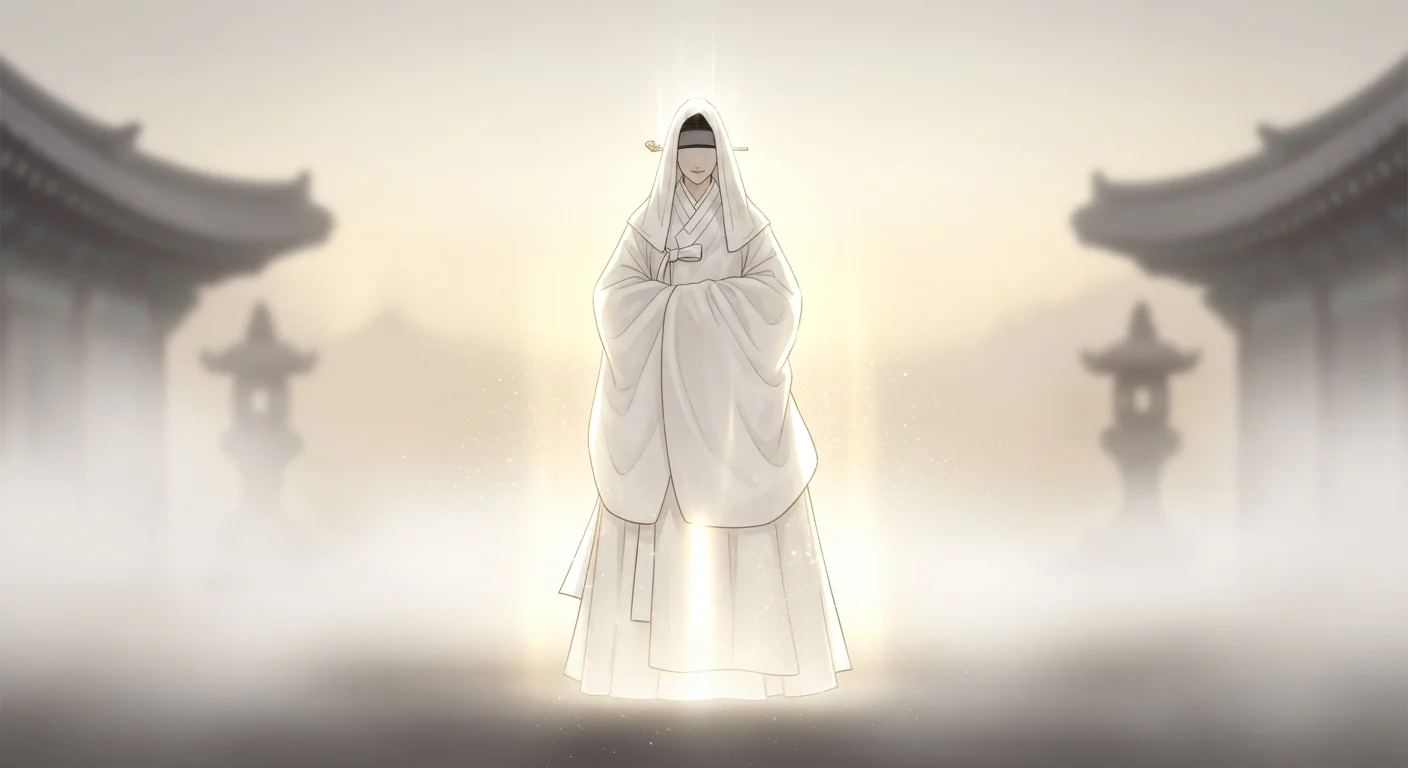
White Hanbok Dream — Fresh Start or Loneliness Warning
Generally auspicious — white hanbok signals the clearing of worries, a fresh and pure beginning, or possible inheritance of assets. If the dream carried a negative or uneasy emotional tone, however, it may instead warn of approaching loneliness or sorrow.
Black Hanbok Dream — Health Warning or Major Opportunity
Primarily a warning about health deterioration or unexpected accidents — take extra care of your physical wellbeing. If the black hanbok appeared dignified and commanding rather than ominous, this may instead signal a sudden, major reversal of fortune for the better.
Colorful Saekdong Hanbok Dream — Abundance and Protection
Colorful saekdong hanbok — featuring the five traditional Korean colors — is a joyful, auspicious dream symbolizing abundance, the warding off of misfortune, and celebratory events coming to the household. If children appear in the dream, it may reflect the health and flourishing of a child.
Dirty Hanbok Dream — Health and Relationship Caution
An inauspicious dream warning of health decline or betrayal and conflict in close relationships. Exercise caution regarding your wellbeing and be mindful of the integrity of those around you.
Torn Hanbok Dream — Relationship Breakdown and Disrupted Plans
An inauspicious dream signaling relationship breakdowns or social difficulties. Important plans may go awry, or a trusted connection may be severed. Proceed with caution in key matters.
Receiving Hanbok as a Gift — Romantic Fortune Rising
A strongly auspicious dream for romantic fortune. It suggests you may soon receive a heartfelt confession or that a new love is about to begin. It can also signal the arrival of someone who will genuinely care for and support you.
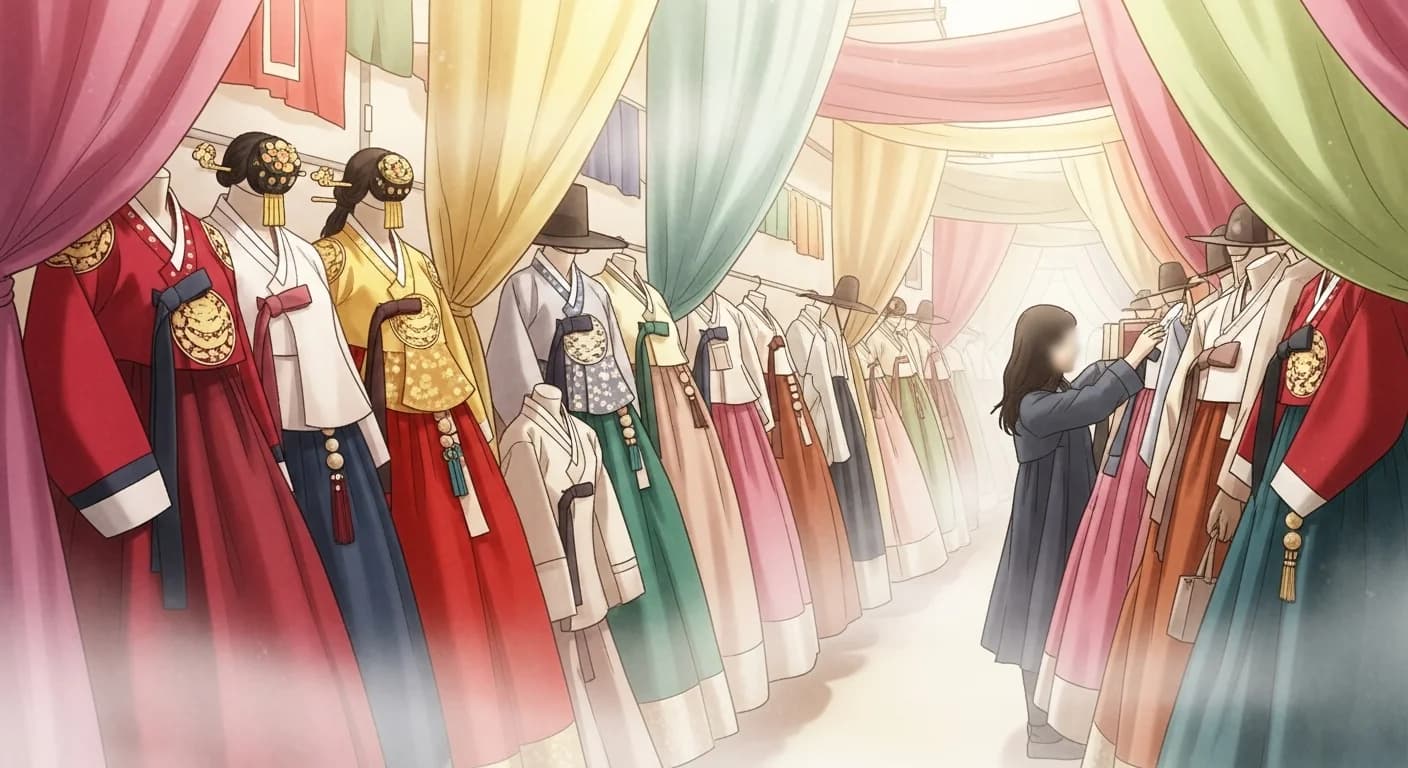
Buying Hanbok Dream — Family Celebration Ahead
An auspicious dream foretelling a family celebration — often a wedding. Romantic fortune also improves, and new opportunities for meaningful connections are opening up.
Getting Hanbok Custom-Made — Preparing for a Major Event
Suggests preparation for an upcoming wedding or significant ceremony. Positive developments are approaching, but if the fitting process felt difficult or frustrating, it may warn of complications in matchmaking or event planning.
Seeing Someone in Hanbok — Romantic Connection Incoming
An auspicious dream indicating rising romantic fortune. If the person of the opposite sex appeared beautiful and attractive in their hanbok, a wonderful new romantic connection is likely on its way.
Cultural Context
Hanbok is far more than clothing — it is a living cultural heritage embodying Korean identity and the traditional sense of beauty. Throughout history, hanbok has been worn at life's most significant moments: weddings, ancestral rites (제사), and seasonal festivals (명절), making it an enduring symbol of celebration and ceremonial gravity. The colors of hanbok are rooted in the philosophy of yin-yang and the five elements (음양오행), with the five traditional colors — blue, white, red, black, and yellow — each representing a cardinal direction, season, and virtue. The multicolored saekdong pattern found on children's garments was believed to drive away evil spirits through the power of the five directions. The white hanbok, representing purity and simplicity, gave rise to the beloved epithet for Koreans — 'the white-clad people' (백의민족). In dreams, hanbok carries all of this symbolic weight, delivering messages of dignity, transformation, and blessing.
Western Psychological Perspectives
From a Freudian perspective, dreaming of hanbok may reflect suppressed desires for self-expression and social recognition. The act of wearing hanbok can represent the unconscious adoption of a particular social persona or a longing for validation within a cultural identity. A dirty or torn hanbok may symbolize the tension between the ego ideal and the actual self — an underlying anxiety about one's ability to fulfill expected social roles.
In Jungian analysis, dreaming of hanbok may represent contact with a 'cultural archetype' embedded in the collective unconscious. Because hanbok carries millennia of history and communal values, wearing it in a dream can be understood as part of the individuation process — a deep reconnection with one's roots and cultural heritage in the journey toward Self-realization. The colors of the hanbok may additionally symbolize Jungian archetypes such as the Shadow, Anima, or Animus.
From a modern psychological standpoint, dreaming of hanbok may signal an unconscious exploration of identity and cultural belonging. For Koreans living abroad or in the diaspora, this dream often reflects a longing for connection with one's homeland and an inner desire to balance tradition with modern identity. Wearing a beautiful hanbok in a dream can represent rising self-efficacy and growing social confidence.
Across many world cultures, dreaming of wearing traditional garments carries remarkably similar meanings. Like the Japanese kimono, Indian sari, or Chinese qipao, donning one's cultural heritage clothing in a dream functions as a universal dream language symbolizing cultural pride, connection to family and community, and life transitions. The hanbok dream fits squarely within this cross-cultural pattern — expressing reverence for Korean cultural continuity, dignity, and participation in life's most meaningful rites of passage.
Frequently Asked Questions
A hanbok dream carries the full symbolic weight of Korean cultural tradition, delivering messages that range from joyful celebration to quiet warning. A beautiful, well-fitted hanbok announces promotions, meaningful romantic encounters, and family celebrations. A dirty or damaged garment asks you to tend to your health and protect your closest relationships. Pay close attention to the condition of the hanbok and the feelings it evoked — those details hold the key to understanding what your unconscious is trying to tell you.
Related Dreams
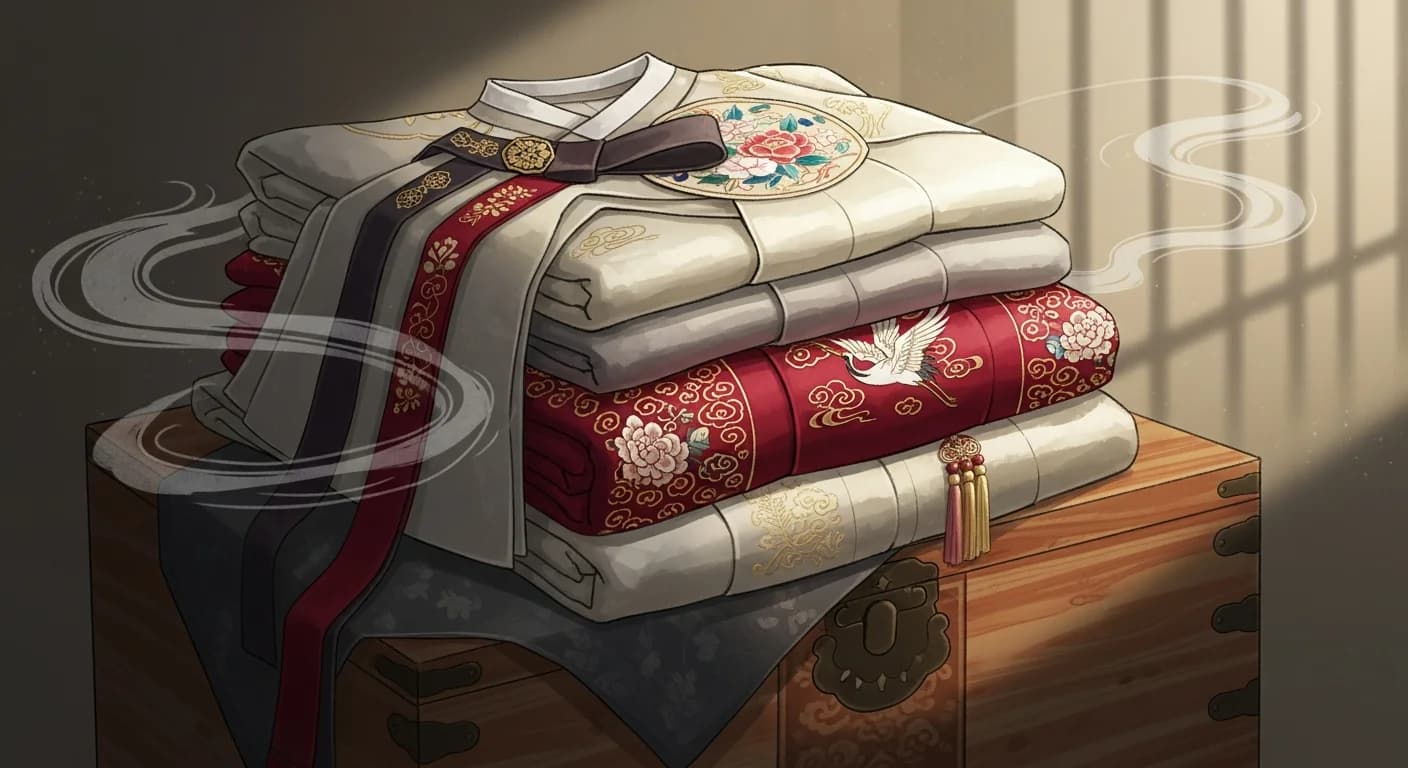
Clothes Dream Meaning — Korean Dream Interpretation (꿈해몽) Guide
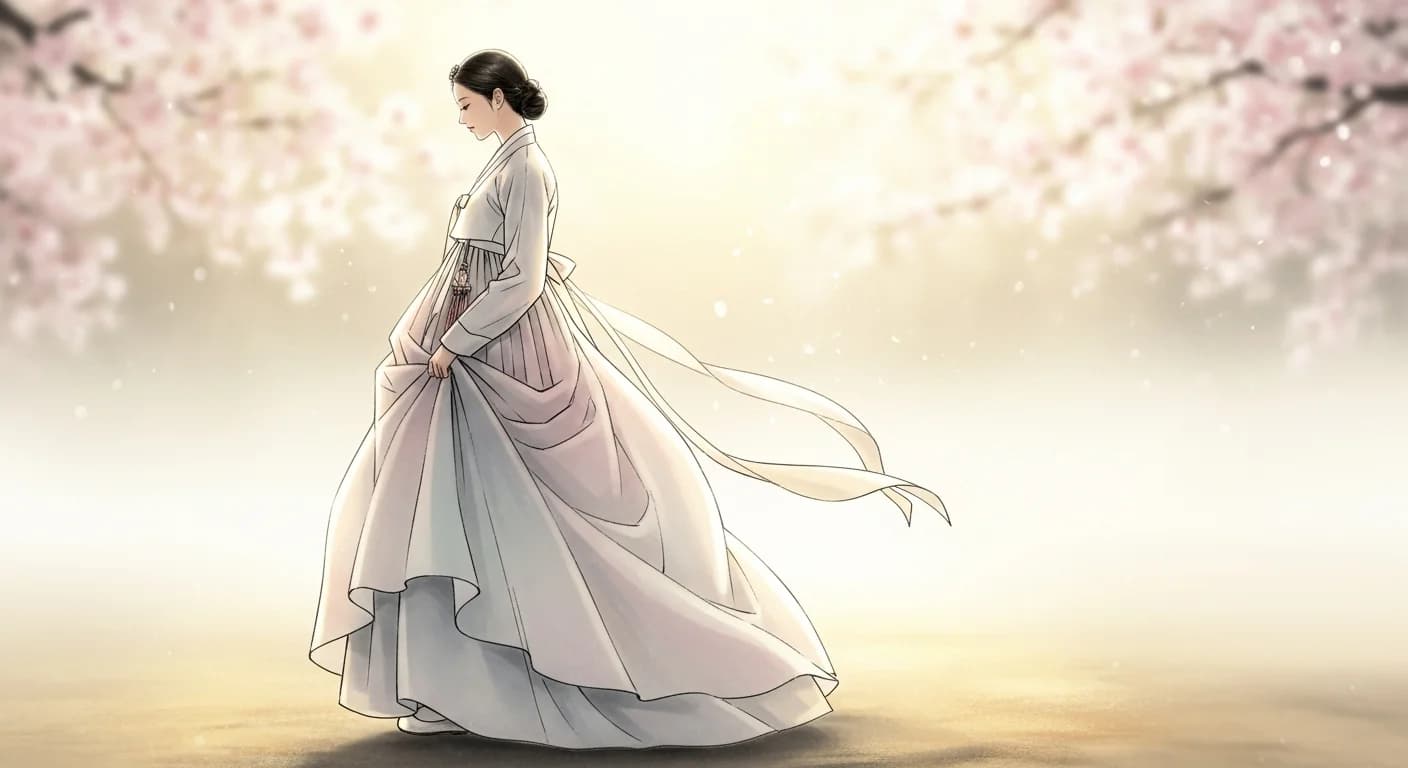
New Clothes Dream Meaning — A Sign of Fresh Starts and Fortune
White Clothes Dream Meaning — Between Sacred Purity and Ominous Warning

Wedding Dress Dream Meaning — New Beginning or Relationship Warning?

Uniform Dream Meaning: What Korean Dream Interpretation Reveals About Your Role
Buying Clothes Dream Meaning — Status, New Roles, and Fortune in Korean Dream Tradition