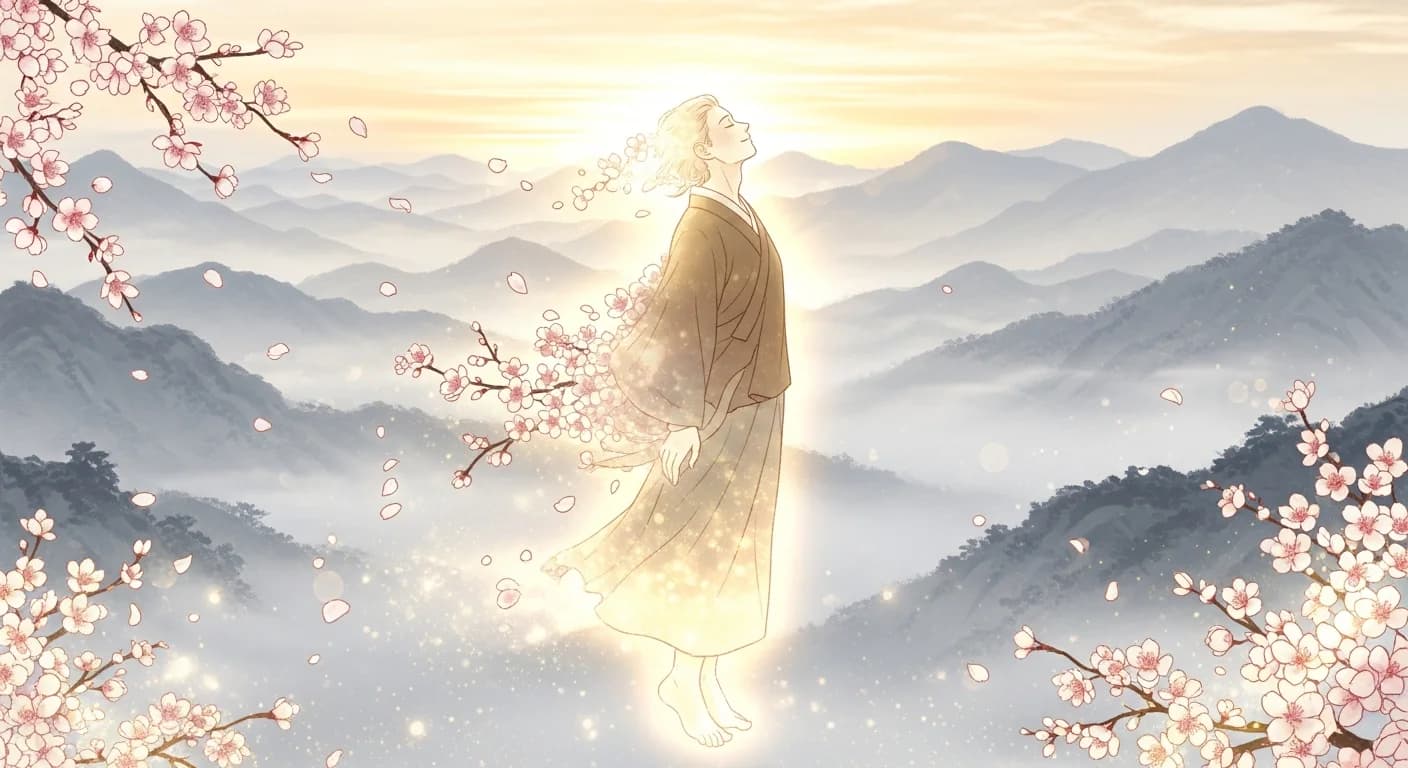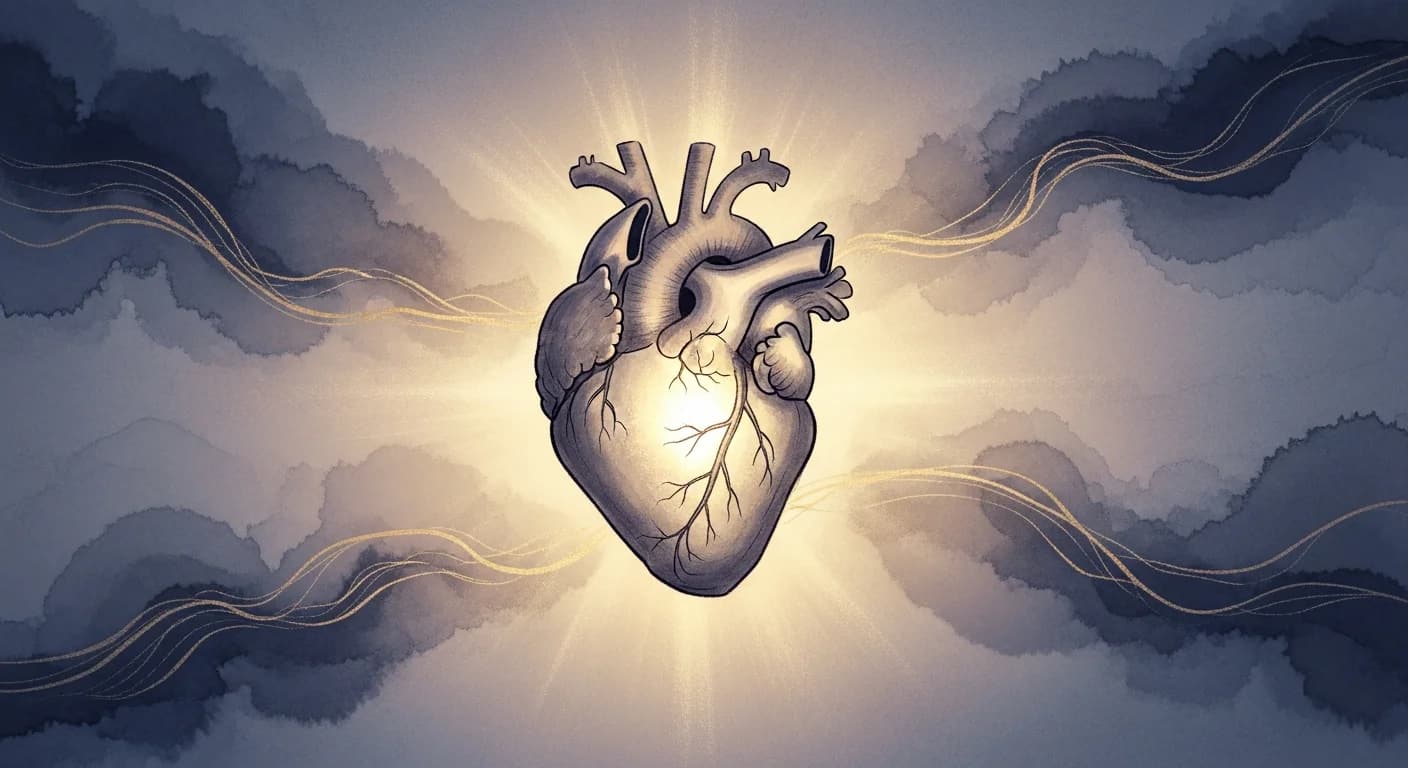
Heart Stopping Dream Interpretation: When Stillness Foretells New Beginnings
Waking from a dream where your heart stops can leave you shaken, heart pounding — and wondering what it means. In Korean traditional dream interpretation, however, a heart-stopping dream is rarely an omen of death. Through the 'reverse dream' (반몽) principle, the most extreme imagery of cessation is often read as the most powerful herald of new beginnings, fulfilled desires, and fundamental life transformation. The question is: what was the emotional tone when the heart stopped?
Auspicious: Revival and Liberation
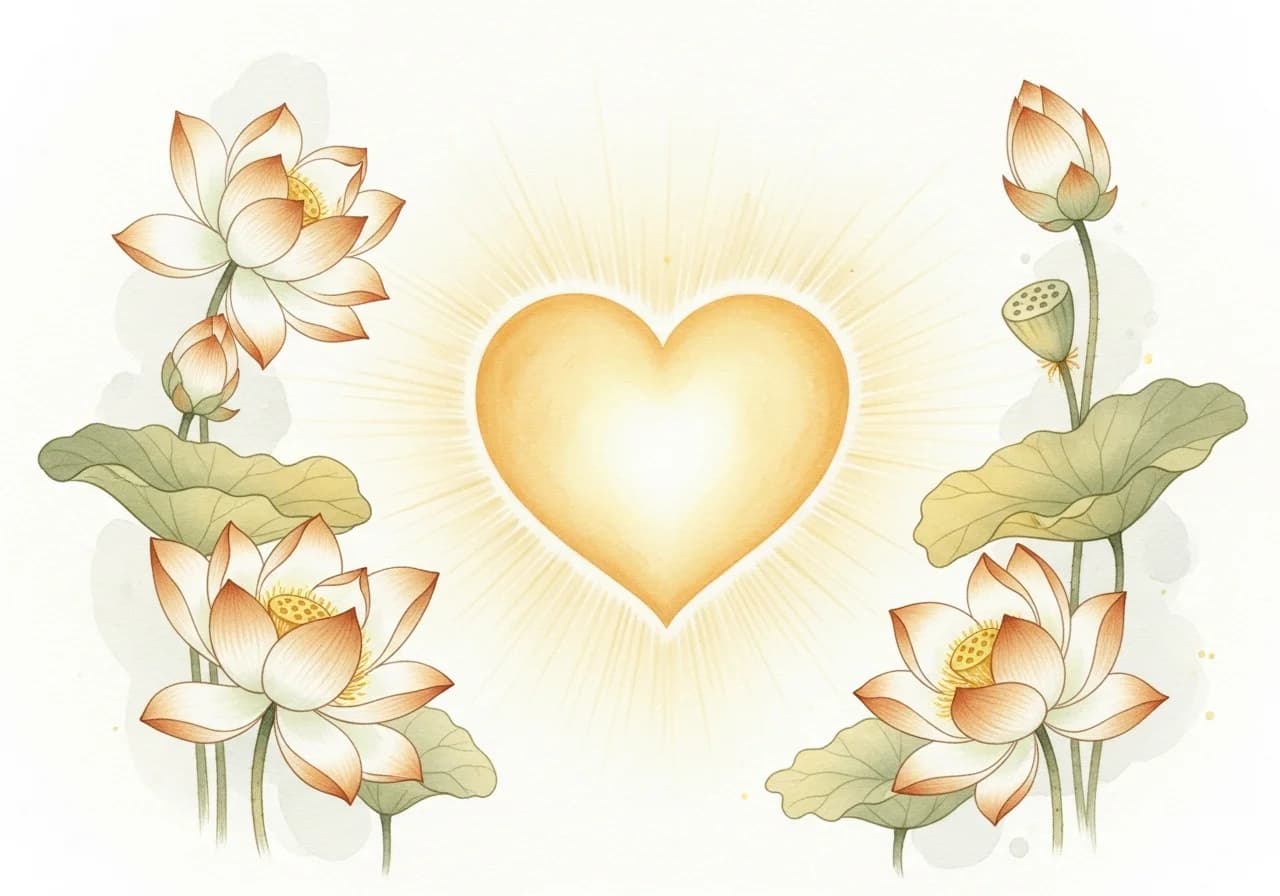
When a heart-stopping dream ends with the heart beating again — or with an overwhelming sense of calm and peace — Korean folk interpretation classifies it as a strongly auspicious omen. The death-and-resurrection arc is a textbook example of the reverse dream principle: the most dramatic ending signals the most complete renewal. If you woke feeling lightened or liberated rather than terrified, the dream suggests that a heavy burden you have been carrying is finally about to be resolved. Long-pursued goals reaching fruition, a welcome job change, a relationship renewed — these are the kinds of positive shifts this dream heralds.
Inauspicious: Fear Without Resolution
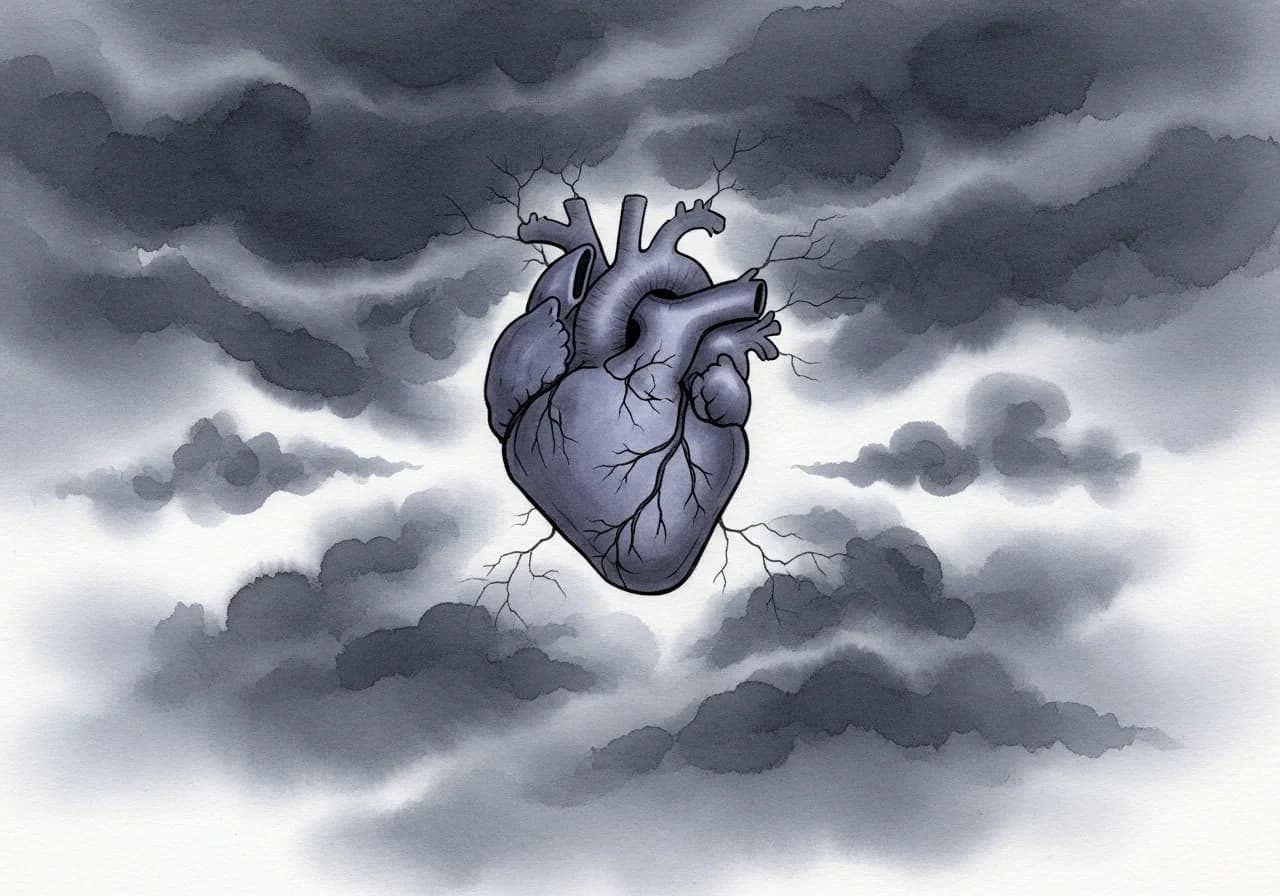
If the dream ended in pure terror, with the heart stopping and no recovery or relief, it leans toward an inauspicious reading. This version often reflects acute stress, overwork, or unconscious health anxiety breaking through into dream form. If you have recently experienced chest discomfort or extreme fatigue, treat this dream as your body's inner signal to schedule a health check. Similarly, if it was a family member's heart that stopped, the dream is likely expressing unconscious worry about that person's well-being — a prompt to check in with them.
Physiological Signals and Emotional Suppression
Not every sensation of the heart stopping at night is a dream. Hypnic jerks — the muscle contractions that occur at the onset of sleep — along with sleep apnea and sleep paralysis can all produce sensations closely resembling cardiac arrest. If this is a recurring experience upon waking rather than within a narrative dream, improving sleep quality is the most practical response. In the context of a genuine dream, a heart that slows irregularly or feels about to stop can symbolize deep emotional suppression — unexpressed love, unresolved anger, or grief that has nowhere to go. The dream is an invitation to listen inward and allow those feelings expression.
Dream Variations
Heart Stopping Suddenly Dream
Suggests an unexpected turning point is approaching. The change may arrive without warning, but it often becomes the catalyst for significant personal growth that you could not have engineered deliberately.
Feeling Your Heart Stop Dream
Reflects a state of emotional or physical depletion in waking life. This is a clear inner signal that burnout or extreme exhaustion has set in and that rest, recovery, and genuine self-care are urgently needed.
Heart Stopping and Resuscitation Dream
A classic auspicious dream symbolizing the cycle of death and rebirth. It portends that sustained efforts will finally bear fruit, or that you will emerge considerably stronger after navigating a major crisis.
Heart Attack Dream
In Korean folk interpretation, a heart attack dream is frequently classified as auspicious, signaling that a long-held desire is finally achieved after a prolonged and difficult journey. The pain of the journey is validated by the prize.
Heart Surgery Dream
Foreshadows a period of fundamental restructuring of your core emotions, values, or way of living. It signals that you are about to accept a difficult but deeply necessary transformation — and that the outcome will be worth it.
Performing CPR on Someone Dream
Symbolizes a strong sense of responsibility and care toward a specific person in your life. It reflects a deep desire to protect someone close and suggests that relationship may deepen or evolve in a meaningful new direction.
Near-Death Experience Dream
Among the most powerful transformation omens in dream symbolism. It signifies that your current self or way of life is about to be completely shed, beginning a process of rebirth into a more mature and self-aware version of who you are.
Heartbeat Sound Stopping Dream
Signals that you need inner silence and genuine stillness. It is a message to step away from external noise and busyness and listen to your own inner voice; meditation or dedicated self-reflection would be particularly beneficial now.
Cultural Context
In Korean traditional thought, the heart was regarded as far more than a physical organ — it was considered the 'flame of life' and the governing center of emotions and willpower. The Dongui Bogam (동의보감), the comprehensive Korean medicine text compiled during the Joseon Dynasty, describes the heart (心) as the sovereign of the five organs (五臟), presiding over all mental activity and emotional life. A dream of the heart stopping therefore carries weight not merely as a fear of death but as a signal that one's fundamental life force and emotional center are in profound upheaval.
Korean dream interpretation has a strong tradition of 'reverse dreams' (반몽) — a belief that what appears negative in a dream often portends positive outcomes in reality, and vice versa. A dream of the heart stopping, with its extreme imagery of death and cessation, is a textbook example of this principle: 'the most dramatic ending is the beginning of the new.' This reflects the broadly East Asian cyclical worldview in which death and rebirth are inseparable.
In traditional Korean society, dreams were understood as communication channels through which ancestral spirits and divine beings delivered important messages to the living. The Samguk Yusa (삼국유사) and other historical texts record numerous instances of kings and heroes receiving fateful prophecies through dreams. In this cultural frame, a heart-stopping dream was not merely a nightmare but potentially a divine revelation at a critical fork in one's life path.
Western Psychological Perspectives
Western psychology and dream research interpret heart-stopping dreams across several complementary frameworks, each revealing a different dimension of this powerful nocturnal experience.
From a Freudian perspective, the dream expresses the inner conflict between the death drive (Thanatos) and the life drive (Eros). Because the heart also symbolizes vitality and desire, a dream of it stopping may indicate that repressed desires or forbidden emotions are being intensely suppressed in the unconscious. Freud would likely read this as extreme anxiety breaking through the psyche's defenses, signaling an urgent need to confront and resolve ongoing psychological conflict.
Jungian analytical psychology reads the heart-stopping dream as a dramatic turning point in the individuation process — the lifelong journey toward psychological wholeness. The heart represents the center of the Self, the core of the total personality. Its stopping signifies the death of the old ego structure and the rebirth of a deeper, more integrated self. This is the symbolic death that must precede genuine transformation: you cannot grow into your full self without first letting the old version of yourself go.
In modern psychology and sleep medicine, recurring heart-stopping dreams are frequently associated with extreme stress, burnout, or post-traumatic stress disorder. In psychotherapeutic contexts, such dreams suggest that a person is carrying a burden that exceeds their current capacity — a physical and psychological signal that life's pace must be slowed and self-care prioritized. Sleep medicine also notes that actual cardiac irregularities, sleep apnea, or hypnic jerks during the night can directly influence the content of such dreams.
Across cultures, the heart-stopping dream appears as a universal symbol of transformation and rebirth. Western research on near-death experiences (NDEs) documents how survivors of cardiac arrest who report seeing bright lights or passing through tunnels often undergo profound spiritual awakening and a fundamental reassessment of their lives' priorities. This parallel with the Korean reverse-dream principle is striking: across traditions separated by centuries and continents, the human psyche consistently reads the stopping of the heart not as the end, but as the threshold of something new.
Frequently Asked Questions
A heart-stopping dream can leave you rattled — but in the lens of Korean dream interpretation, it is one of the most powerful signals of transformative change your sleeping mind can deliver. If the dream ended with revival or peace, trust that the change you have been waiting for is finally arriving. If it ended in unresolved fear, let it be the nudge you needed to look after your health and inner emotional life. Either way, just as a heart that stops and starts again beats with new purpose, your life is moving toward a new rhythm.