Kidnapping Dream Meaning: Powerlessness, Liberation, and Korean Folk Belief
If you dreamed of being kidnapped last night, Korean dream tradition sees it as an urgent signal—your unconscious is sounding the alarm that something in your waking life is stealing your sense of control. In Korean 해몽 (dream interpretation), being forcibly taken away has long symbolized suppression and powerlessness: in work, family dynamics, or suffocating relationships. Here's the crucial nuance, though—whether the dream ends with you helplessly dragged away, or with a dramatic escape, changes the entire reading. The difference between a warning and a sign of imminent liberation often comes down to that single detail.
Kidnapping Dream as an Inauspicious Omen (흉몽)
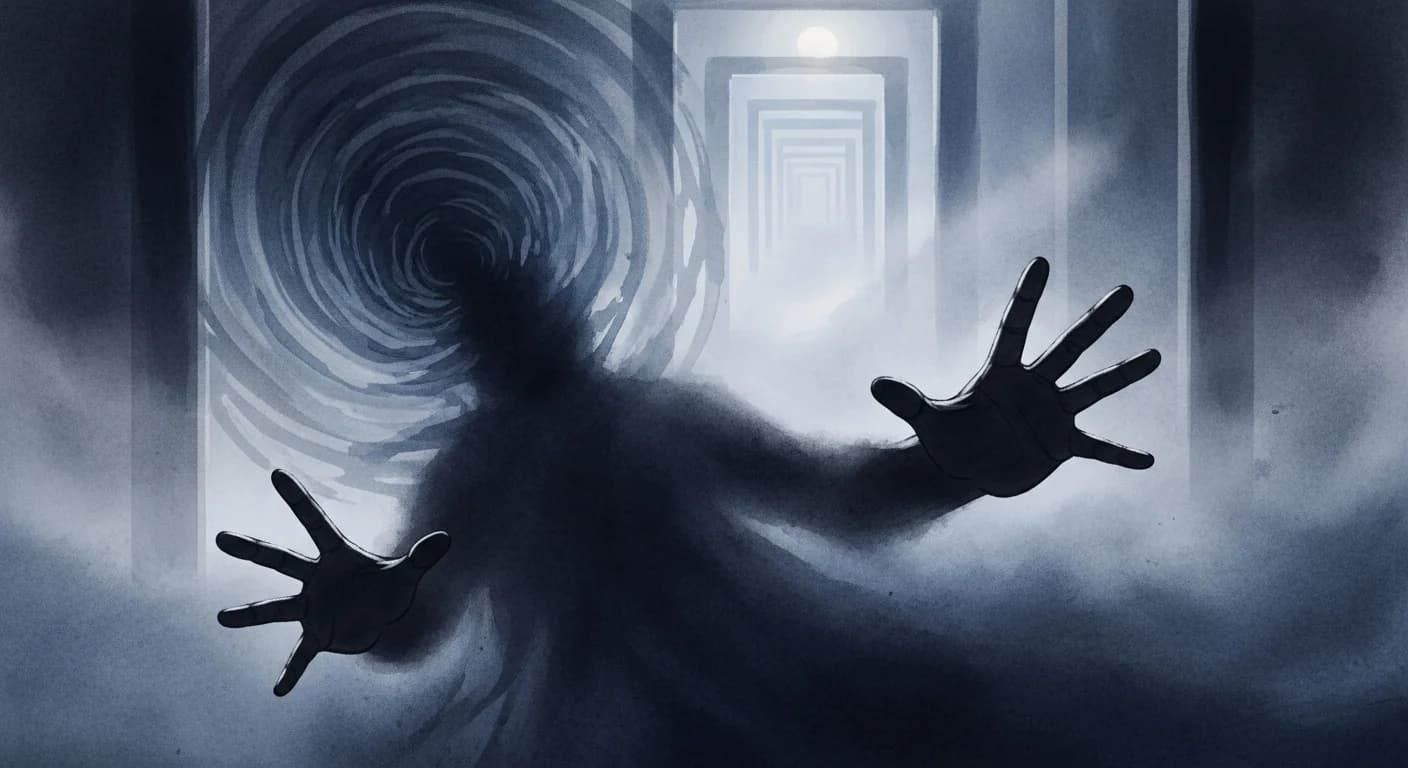
Being dragged away without resistance is one of the clearest inauspicious (흉몽) dream patterns in Korean dream interpretation. It reflects a waking-life reality where your own will is being overridden—by an overbearing boss, a controlling relationship, or a situation that has left you feeling cornered and voiceless.
When the kidnapper appears menacing or you lose your possessions in the dream, Korean tradition reads this as a warning about a person in your circle who harbors malicious intent. It also signals a period of heightened risk around financial matters and personal information—important documents or confidential details could be at risk. The deeper layer of this dream is not just about external threat, but about something you may have surrendered internally: a desire, a boundary, a sense of self.
Escaping or Being Rescued: An Auspicious Turn (길몽)
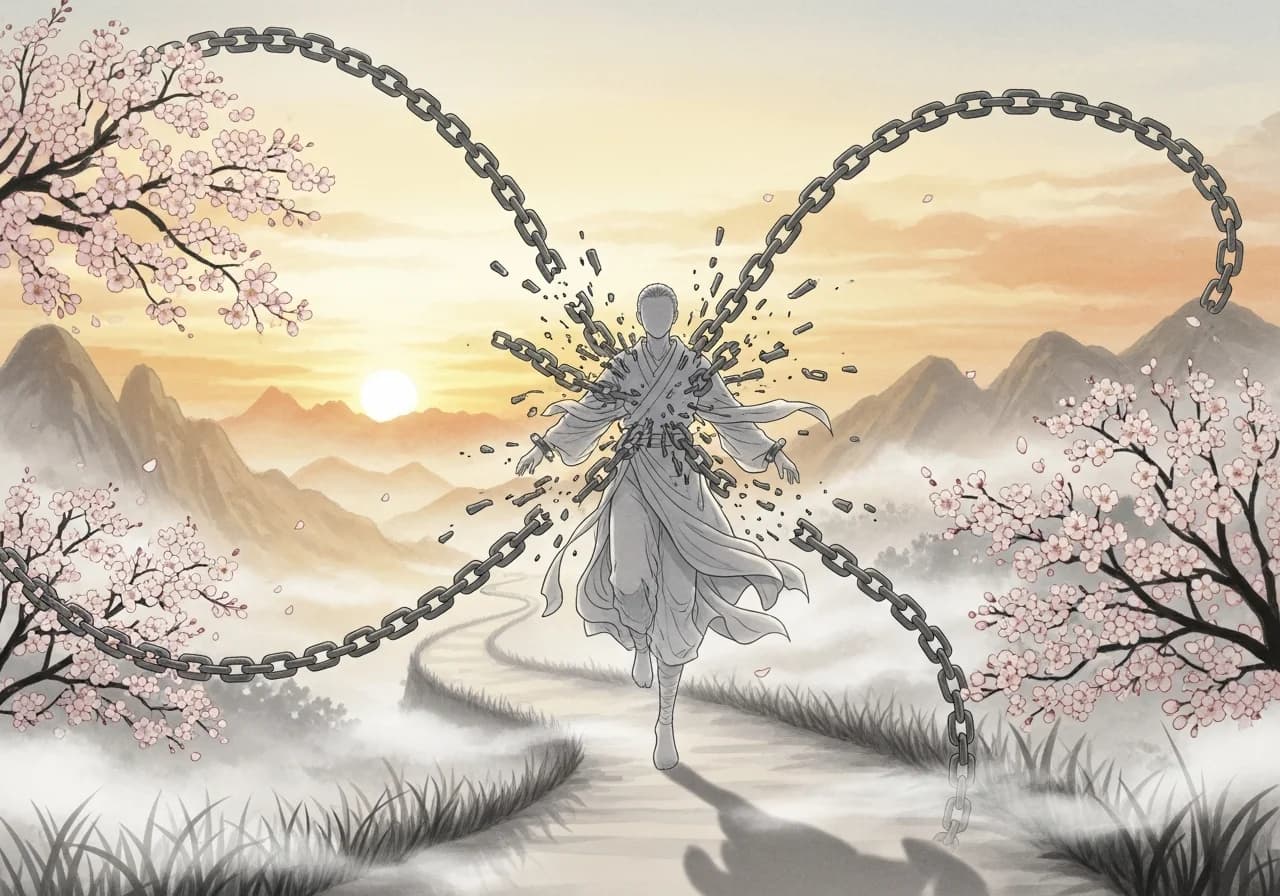
Successfully escaping from kidnappers, or being rescued by someone, transforms this dream into a strongly auspicious sign (길몽). In Korean 해몽, this outcome signals that a turning point is near—a chance to break free from long-standing stress, an oppressive dynamic, or a situation that has held you back.
This version of the dream affirms that you have the inner resilience and willpower needed to reclaim your autonomy. Fighting back against the kidnapper and winning carries the same message: you are not as powerless as you may feel right now. Korean dream tradition encourages dreamers who see this ending to take real-world action—this is the unconscious telling you that the strength to change your circumstances already exists within you.
Kidnapping Without Fear: A Neutral Reading
Not every kidnapping dream is alarming. When the dream lacks genuine fear—the kidnapper is a stranger, the atmosphere feels more surreal than threatening, or the setting is fantastical (alien abduction, being transported to an unfamiliar magical place)—Korean interpretation shifts to a neutral reading.
This type of dream often reflects a craving for adventure, novelty, or escape from the monotony of daily responsibilities. Your unconscious may simply be telling you that you need more stimulation, new experiences, or a temporary break from the weight of routine. It is not a negative omen; it is a signal to listen to your inner need for change.
Dream Variations
Kidnapped by a Stranger Dream
Being abducted by someone you don't recognize often reflects unidentified external stressors or social anxieties that are working beneath the surface of your awareness. It commonly appears when you're navigating unfamiliar environments—a new job, a new city, new social dynamics—and your sense of security has not yet taken root in these new settings.
Kidnapped by Someone You Know Dream
When the kidnapper is a familiar face, the dream points to unresolved conflict or latent betrayal within that specific relationship. You likely feel controlled, manipulated, or overlooked by that person in real life. Pay close attention to whose face appeared—your unconscious is pointing directly at the source of the tension.
Family Member Being Kidnapped Dream
This dream surfaces deep fears of losing or growing distant from a loved one. It can also serve as a caution to pay closer attention to a family member's wellbeing. If communication within your family has been strained or if emotional distance has grown, this dream is a nudge to reconnect before that distance widens.
Friend Being Kidnapped Dream
Rising tension or anxiety within a close friendship is the most common trigger for this dream. It may signal a period of miscommunication or emotional distance in the friendship. If a particular friend came to mind upon waking, consider reaching out—the dream may be flagging something worth addressing before it becomes a real rift.
Escaping from Kidnappers Dream
One of the more auspicious action dreams in Korean tradition—escaping from captivity foreshadows liberation from an oppressive situation or binding obligation in real life. It confirms that your resilience and willpower are strong enough to carry you through. Take this dream as encouragement to act on changes you've been hesitating to make.
Witnessing a Kidnapping Dream
Watching someone else be kidnapped, rather than experiencing it yourself, often warns of unexpected obstacles that could disrupt your plans at work, in studies, or in relationships. It can also indicate risk of being pulled into other people's conflicts or dramas. Heightened situational awareness is advised in the period following this dream.
Romantic Partner Being Kidnapped Dream
This dream expresses fear of losing your partner or underlying possessive anxiety within the relationship. When communication has broken down or trust has been quietly eroding, the kidnapping of a partner appears in dreams as an externalization of that inner worry. It's a prompt to check in—honestly and openly—with your partner.
Dream of Kidnapping Someone Else
Finding yourself as the kidnapper is less sinister than it sounds. This dream typically represents a strong desire to take control of your own life circumstances, or repressed emotions and urges that need healthy expression. If you've spent a long time living by others' expectations, your unconscious may be staging a symbolic takeover to remind you of your own agency.
Kidnapped and Held Captive Dream
Being held captive after a kidnapping intensifies the sense of inescapable entrapment—you may feel locked into a situation, relationship, or role in waking life that leaves little room to be yourself. Living to meet others' expectations rather than your own desires is a common source of this dream. Small, deliberate acts of self-determination can begin to shift this pattern.
Held for Ransom Dream
Financial pressure, coercion, or overwhelming obligations are the hallmarks behind a ransom dream. Someone or something in waking life is demanding more than you feel you can give. Exercise extra care around financial transactions, contracts, and relationships where you feel indebted or under undue pressure.
Cultural Context
In Korean traditional folk belief, dreaming of being forcibly taken away carries profound spiritual weight—far beyond a simple nightmare. At the center of this interpretation is the concept of gwijeop (鬼接), the belief that wandering spirits or vengeful ghosts (wongwi, 怨鬼) can seize the living within the dream world and drag them toward the spirit realm. A dream of this nature was considered one of the most extreme ill omens, foreshadowing imminent death or grave illness.
Historically, anyone who experienced such a dream would seek out a mudang (무당, Korean shaman) to perform protective rituals—gut (굿) or gosa—designed to drive away the malevolent spirit and prevent misfortune from manifesting in waking life. The dream was also read as a warning to postpone travel, outdoor activities, or any situation that could expose the dreamer to danger.
Within Korean shamanism, the dream carries an additional layer of meaning: the seizure by a spirit could mark the onset of shinbyeong (신병, 神病), a spirit-calling illness that signals the beginning of a person's shamanic vocation. In this context, being forcibly taken is not only a threat but a potential calling.
In contemporary Korean culture, these supernatural frameworks have largely been reinterpreted through a psychological lens. The ghost has been replaced by the overbearing boss, the toxic relationship, or the suffocating social pressure—but the core message the dream delivers remains unchanged across centuries: something or someone outside yourself is exerting forceful control over your life.
Western Psychological Perspectives
Western psychology offers several illuminating frameworks for understanding kidnapping dreams, each adding a different layer of insight.
From a Freudian perspective, a kidnapping dream represents the eruption of repressed desires or unresolved internal conflicts into conscious dreaming. Freud would likely focus on the identity of the kidnapper as a key diagnostic clue—pointing to the authority figure or relationship in which the dreamer's instincts have been most forcefully suppressed. The helplessness of being taken can also symbolize unconscious guilt: the psyche's own censoring mechanism (the superego) overpowering the ego's sense of agency.
Jungian analytical psychology offers a more transformative reading. Being kidnapped in a dream is interpreted as an encounter with the Shadow archetype—those aspects of the self that the ego has rejected, denied, or never consciously integrated. The forced abduction represents the Shadow's insistence on being acknowledged: it will not be ignored indefinitely. From this angle, the dream is not only threatening but initiatory. Just as mythic heroes are often seized and transformed—Persephone dragged into the underworld, emerging as a goddess of two worlds—the dreamer is being pulled toward a more complete version of themselves. The process is uncomfortable, but Jungian tradition frames it as essential to individuation, the lifelong journey toward psychological wholeness.
Modern psychology grounds this in more immediate terms: kidnapping dreams are strongly correlated with feelings of powerlessness, burnout, and anxiety—particularly in individuals experiencing PTSD or chronic stress. The brain, during REM sleep, processes unresolved emotional experiences, and a persistent sense of being controlled or trapped in waking life readily manifests as a literal abduction in the dream space. Recurrent kidnapping dreams are considered a meaningful psychological signal—not to be dismissed, and potentially worth exploring with a therapist.
Across cultures, the kidnapping dream taps into one of humanity's oldest mythic patterns: forced transformation through loss. From Persephone to Helen of Troy to shamanic initiation rites worldwide, violation becomes a threshold—the old self must be lost before the new self can emerge. This universality suggests that the kidnapping dream speaks to something deeply human: the terror and the necessity of change we did not choose.
Frequently Asked Questions
A kidnapping dream is unsettling, but it carries real psychological value. Whether it leaves you feeling trapped and powerless or ends with a daring escape, it is your unconscious drawing a direct line to something worth examining in your waking life. The dream of being taken signals the need to reclaim your agency; the dream of escaping confirms you already have what it takes. Pay attention to the details—who took you, whether you fought back, how it ended—because in those specifics lies the clearest message about what change is waiting for you.