Loneliness Dream Meaning — What Korean Dream Tradition Says About Dreaming Alone
If you dreamed of being utterly alone last night, the emotional tone of that solitude holds the answer. Peaceful aloneness and aching isolation are two entirely different dreams in Korean dream tradition (해몽) — one signals inner harmony and coming opportunity, the other warns that a real-life relationship may need your attention. Korean folk belief has long treated emotional dreams as coded messages about your fortune, not just psychological noise. And here's the twist: dreaming of crying alone from loneliness is sometimes read as a good omen.
Peaceful Solitude — An Auspicious Dream of Self-Reconciliation

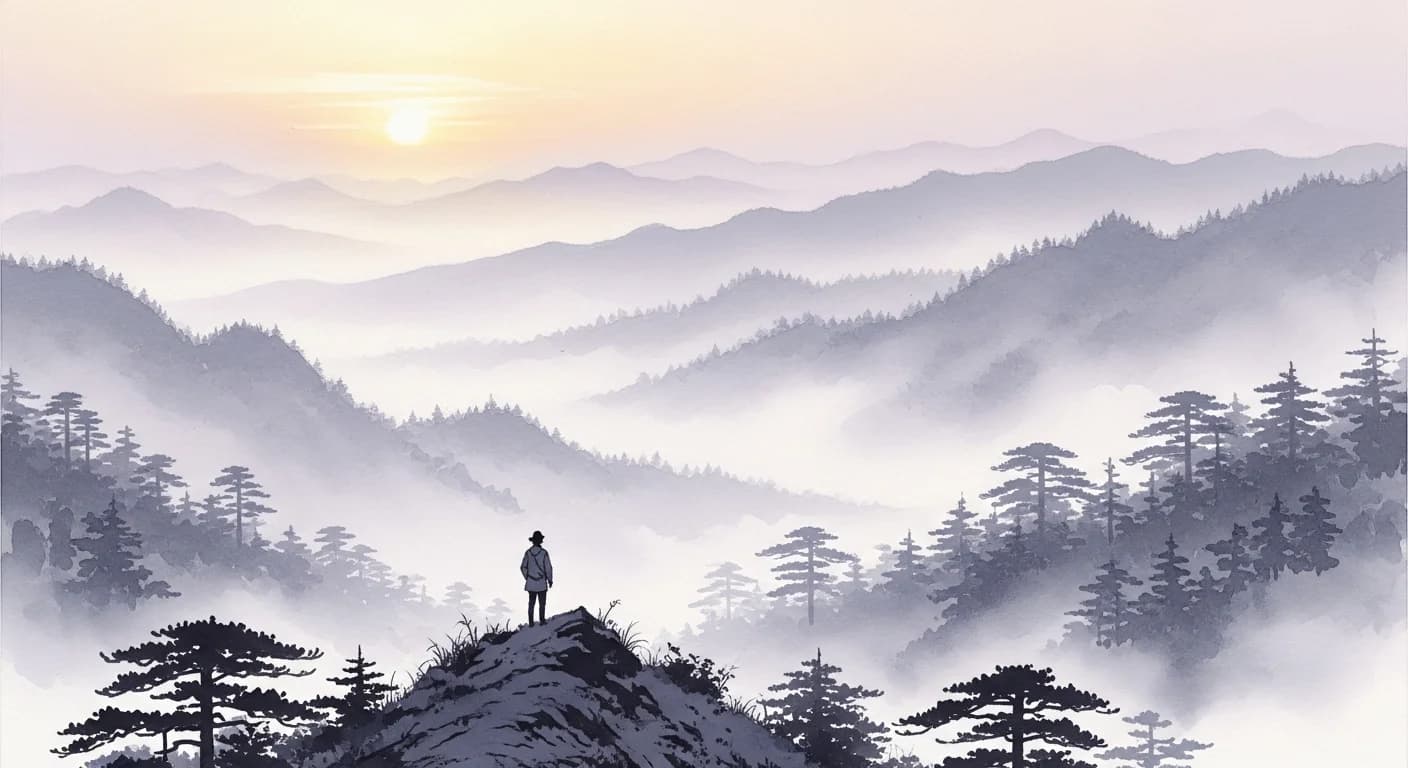
When you feel calm and undisturbed while alone in a dream, Korean tradition reads it as an auspicious sign (길몽) — a signal that your inner world is purifying and recharging. This kind of dream often appears before new connections or opportunities arrive. Standing alone in a sweeping natural landscape is especially positive: it foreshadows growing self-reliance and the kind of independent success that comes from trusting your own judgment. Rather than predicting material gain, this dream speaks to emotional maturity and the deepening of meaningful relationships ahead.
Sadness and Abandonment — A Warning Dream About Relationships
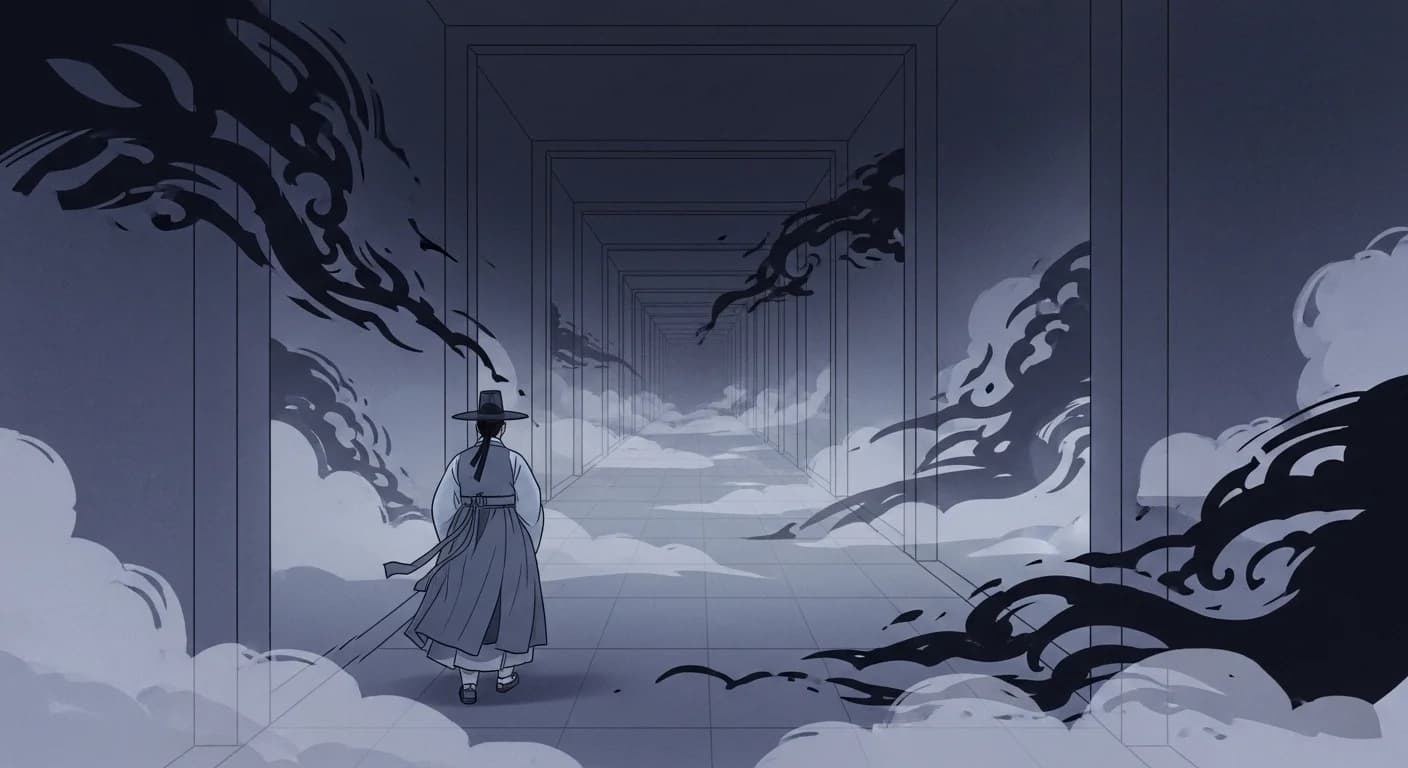
When loneliness in the dream is laced with grief, the sensation of being left behind, or scenes of people walking away, it becomes an inauspicious dream (흉몽). Calling for help with no one answering, or being ignored in a crowd, can warn that misunderstanding or distance is growing between you and someone close. This dream is less about predicting a specific betrayal and more about your unconscious raising an alarm: the warmth in an important relationship may be cooling. Taking action — reaching out first — is the traditional advice.
Emotionally Ambiguous — A Mirror of Your Current State
Not every loneliness dream carries a clear verdict. When the emotional tone is muted or unclear, Korean interpretation treats it as a neutral reflection of your current psychological state. These dreams appear more often during major life transitions — a job change, a move, the end of a relationship — when the brain is working overtime to process disrupted social bonds. If this type of dream keeps recurring, the recurring message is consistent: pay more intentional attention to your social connections in waking life.
Dream Variations
Dream of Being Alone
Simply being alone in a dream symbolizes independence and autonomy. Comfortably alone suggests growing self-reliance or a solo achievement on the horizon. Feeling forcibly isolated, on the other hand, may signal that you are experiencing real-life alienation — a prompt to examine what connections feel absent right now.
Dream of Loneliness in a Crowd
Feeling invisible or lonely while surrounded by people in a dream points to a lack of genuine communication in your waking life. You may be outwardly social while inwardly feeling misunderstood. This dream is a nudge to go deeper in a relationship you've been keeping at the surface level.
Dream of Being Alone in an Empty House
In Korean dream tradition, a house represents home and stability. Finding yourself alone in an empty house signals an approaching separation from family or close companions, or a significant shift in your living situation. It is not necessarily a dire omen — more a heads-up to prepare emotionally for change.
Dream of Being Alone in the Dark
Disoriented and alone in darkness leans inauspicious. It reflects unresolved anxieties, unsolved problems, or a sense of psychological isolation you may be carrying in waking life. The traditional interpretation encourages you to reach out before the darkness feels permanent — connection is the remedy this dream points toward.
Dream of Loneliness After a Breakup
Dreaming of being left alone after a partner walks away rarely predicts an actual separation. More often, it projects a desire for deeper emotional intimacy — a hunger for closeness that isn't yet being met. Think of it as your inner self asking to be let in more fully.
Dream of Being Alone in Nature
Solitude in a mountain, forest, or seaside setting carries a relatively positive meaning. Nature's quietness in dreams represents inner healing and spiritual replenishment. Many who have this dream are on the verge of an important decision or a meaningful new direction — the natural world is a symbol of clarity arriving.
Dream of Crying Alone from Loneliness
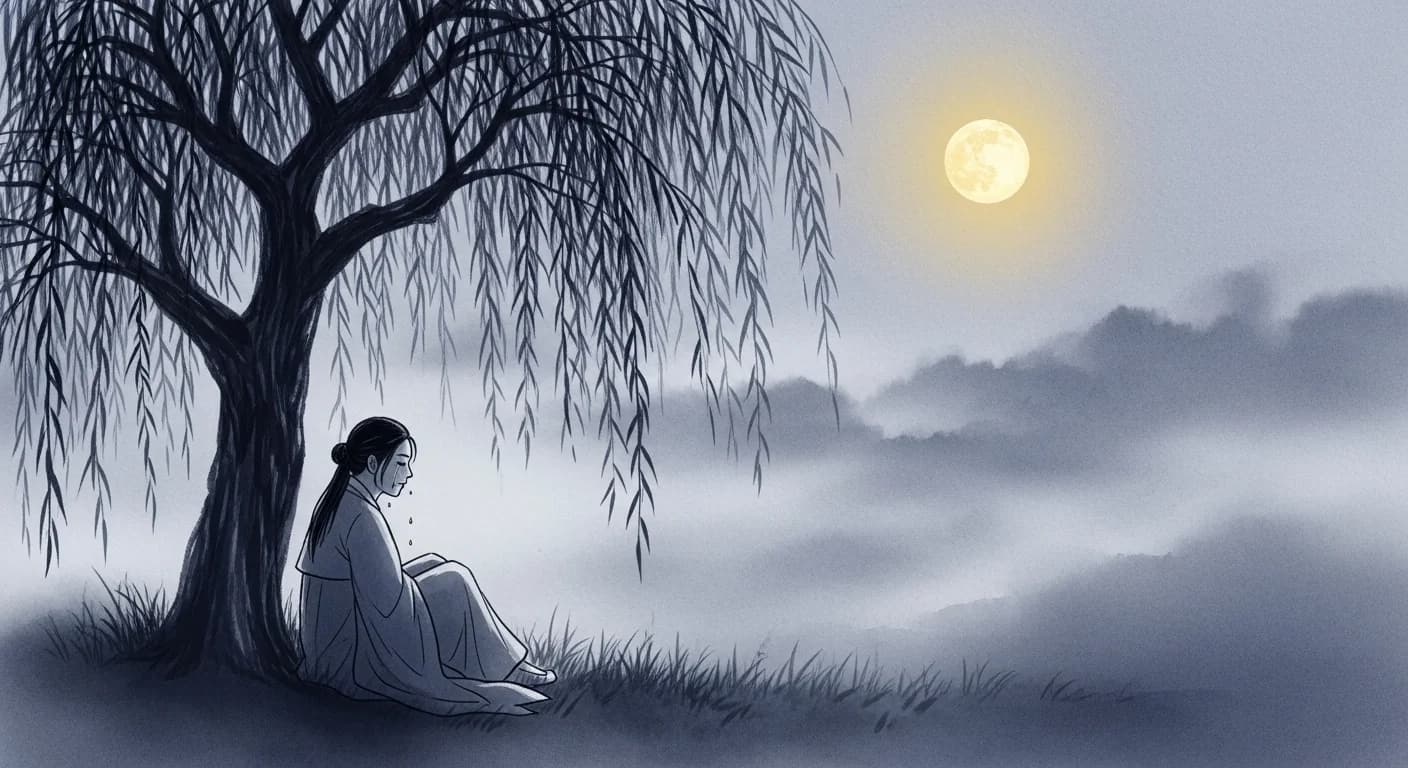
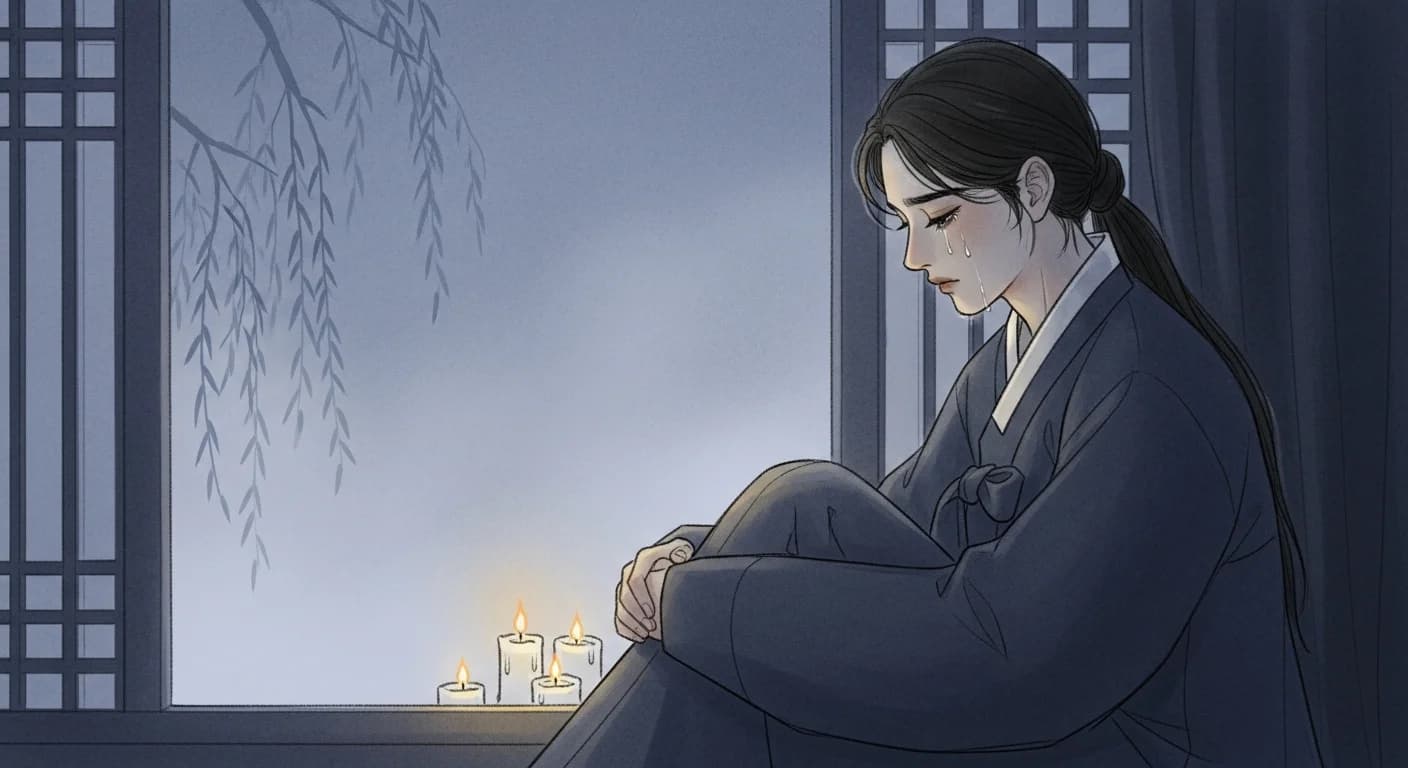
Paradoxically, weeping alone in a dream is often interpreted as auspicious in Korean tradition. Suppressed emotions finding release through the dream may clear the way for positive change in waking life. If you felt lighter after crying in the dream, that sense of release is the signal — not the tears themselves.
Cultural Context
Korean traditional dream interpretation (해몽) treats emotional dreams not as mere psychological byproducts but as messages intertwined with one's real-life fortune. Within shamanic folk belief (무속 신앙), a loneliness dream was sometimes understood as a warning from ancestral spirits — an alert that a person's bonds with community or family were weakening and required attention. This framing makes sense given Korean Confucian values, which placed communal harmony and family loyalty at the center of a meaningful life. Being left alone in a dream, then, was a potent symbol: it signaled that the social fabric a person depended on was under threat. Buddhism offered a counterpoint. For monks and practitioners, solitude was a deliberate and necessary part of the path toward enlightenment — so dreaming of peaceful aloneness carried none of the dread of the shamanic interpretation, but instead pointed toward inner refinement. These two traditions — shamanic alarm and Buddhist serenity — together explain why the emotional quality of the dream is the primary interpretive key. Peaceful solitude and painful isolation are treated as fundamentally different dreams, not variations of the same one.
Western Psychological Perspectives
Western psychology meets the loneliness dream from a different angle, yet often arrives at surprisingly compatible conclusions. Freud interpreted isolation scenes in dreams as the unconscious surfacing of separation anxiety formed in early childhood — the residue of unmet attachment needs. Images of calling for help to no one, or being turned away by a crowd, were seen as repressed fears of abandonment or unfulfilled desires for recognition taking on symbolic form. For Freud, such a dream was evidence of unmet intimacy needs playing out in disguised imagery during sleep.
Jung reframed solitude as potentially valuable. Dreaming of being alone in a crowd, he would argue, reflects the gap between the social persona we perform and the authentic Self beneath it — a signal that we have strayed too far from who we actually are. Lonely dreams in natural settings, however, Jung read very differently: as sacred encounters with the Self during the individuation process, the lifelong journey toward psychological wholeness. Where Freud saw a deficit, Jung sometimes saw an invitation.
Modern neuroscience adds a structural explanation. During REM sleep, the amygdala and medial prefrontal cortex activate together, reprocessing emotionally charged social memories that went unresolved during the day. Loneliness dreams spike in frequency during major life transitions — job changes, moves, relationship endings — because these are precisely the moments when the brain is working hardest to recalibrate social and emotional patterns. The dream is not a prophecy; it's a processing signal.
The cross-cultural comparison is illuminating. Western frameworks locate the meaning of a loneliness dream inside the individual psyche — in childhood wounds, unconscious conflicts, or neurological processing. Korean tradition locates it partly outside, in the health of one's relational web and community bonds. Both, however, agree on one thing: a loneliness dream is the mind's way of saying that something in your social world needs attention, either as a reflection of what you already know or as a nudge toward what you have been avoiding.
Frequently Asked Questions
A dream of loneliness is one of the most personal messages the dreaming mind sends. In Korean tradition, its meaning depends entirely on how the solitude felt — peaceful aloneness points toward growth and renewal, while painful isolation signals a relationship that deserves more care. Either way, this dream is an invitation: to look inward with honesty, and to reach outward with intention. Whether or not you believe in dream omens, the question it asks is worth sitting with — who in your life have you been meaning to call?