Palace Dream Meaning — Power, Heaven's Mandate, and Royal Fortune
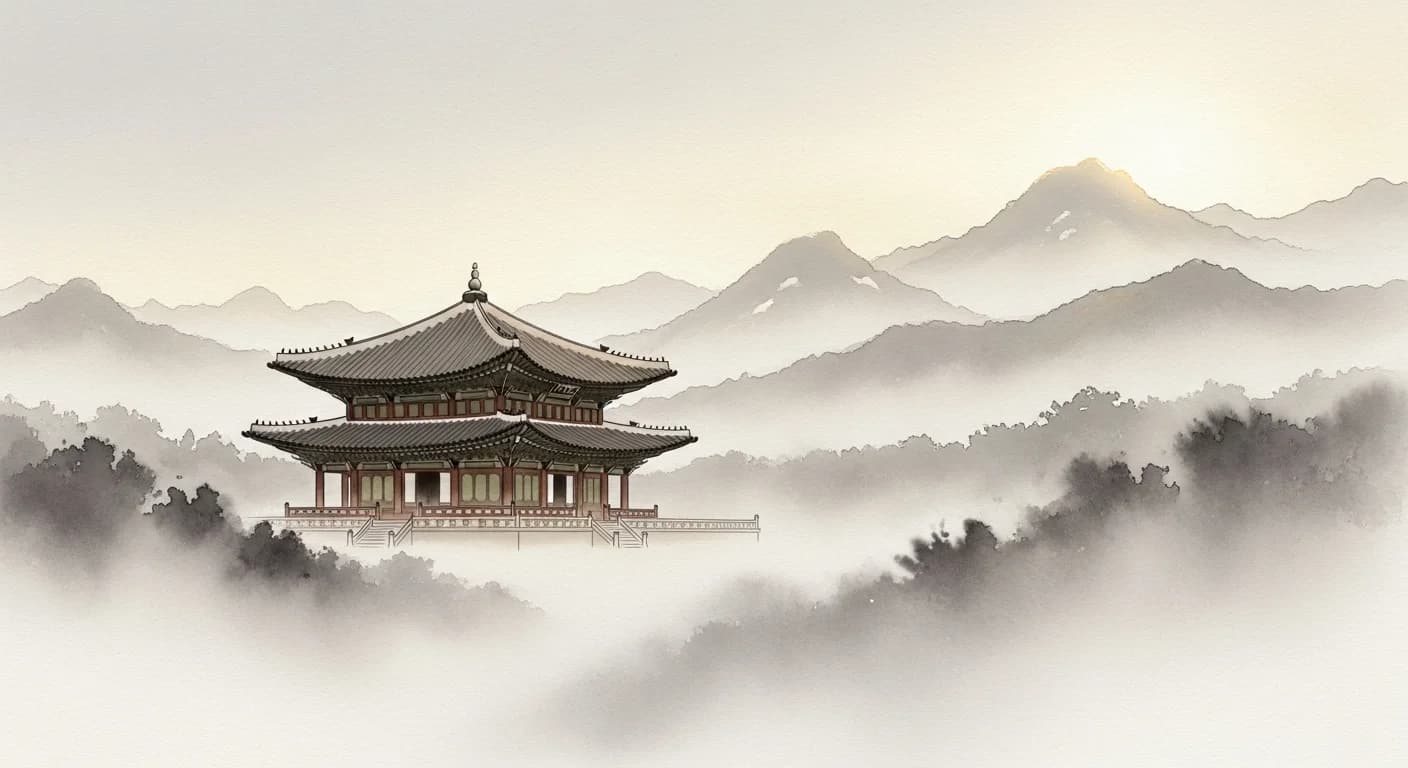
If a grand Korean palace appeared in your dream last night, Korean dream tradition (해몽) has a strong message for you: this is one of the most powerful auspicious omens you can receive. In Joseon-era folk belief, the palace was the sacred space where heaven's will descended to earth — entering one in a dream was equated with receiving a heavenly blessing. Here's the catch, though — the same palace can carry a very different message depending on what happened inside.
Entering a Palace — One of the Greatest Auspicious Dreams
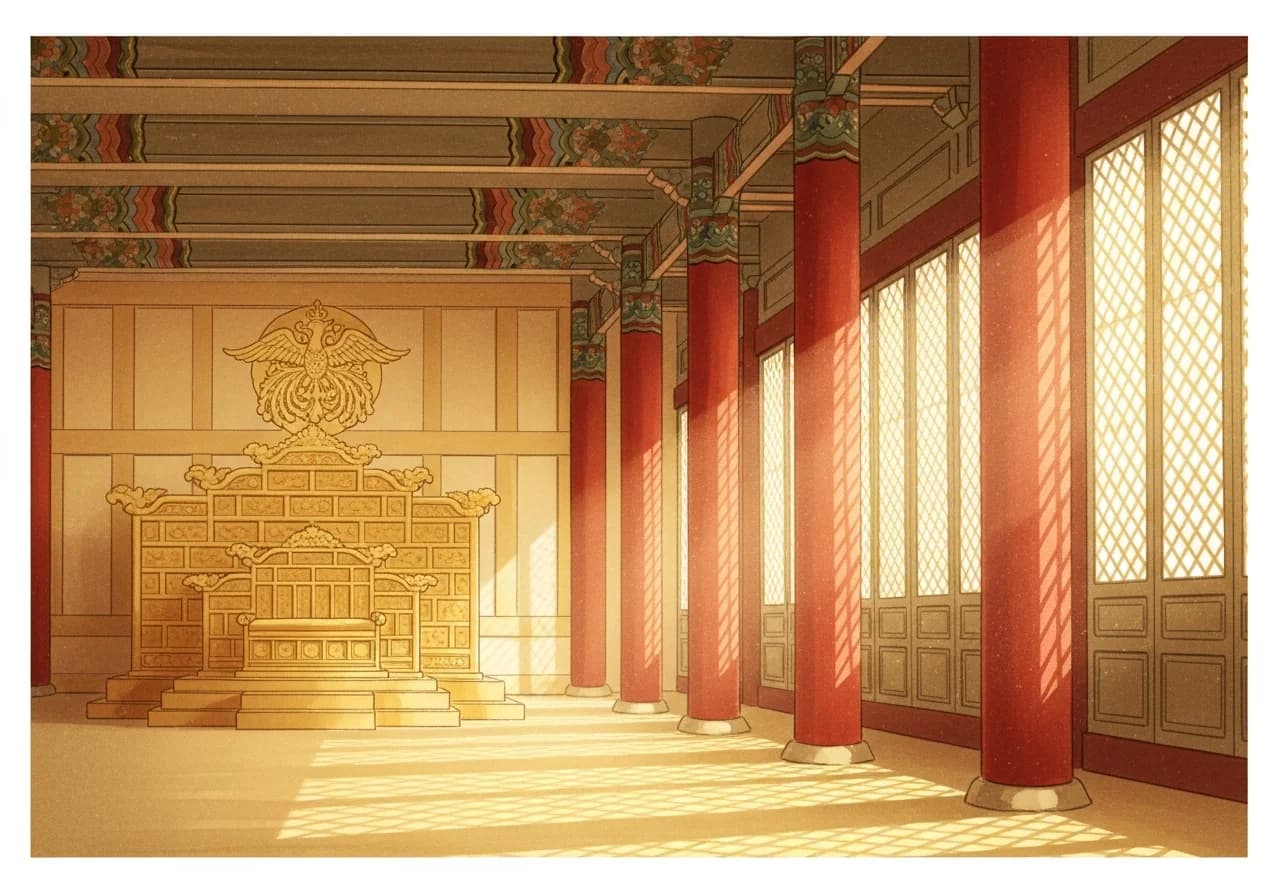
Pushing open the palace gates and striding inside is among the highest-ranking auspicious signs (길몽) in Korean dream interpretation. It foretells that your current efforts will succeed on a significant scale and that you will rise to a position of genuine authority and social recognition. For those preparing for a job application, a major examination, or a promotion, this dream is a clear omen of success. Entrepreneurs and business professionals can expect a major contract or significant expansion. Korean interpreters note that the more confidently you walk through those gates in the dream, the stronger the fortune indicated — the act of passing through the palace threshold represents entering the realm of achievement and authority.
Receiving a Royal Audience — Blessed by Heaven
Meeting the king or queen inside the palace, receiving a direct command, or being given a royal gift are among the very highest auspicious dreams in Korean tradition. The reason lies in Joseon cosmology: the king was not merely a political ruler but heaven's representative on earth, mediating between the divine and the human. To communicate directly with royalty in a dream was to receive a personal commission from heaven itself. This dream foretells being entrusted with an important role or responsibility, and earning profound recognition and trust from those in authority. If the king specifically appoints you to a position or bestows a royal seal, the omen is even more powerful.
Living in a Palace — Wealth and Glory Arriving Together
Dreaming that a palace is your own home — that you live there comfortably and freely — symbolizes 부귀영화 (the highest Korean expression for simultaneous wealth, honor, and flourishing). It suggests that long-held wishes are finally about to be fulfilled, and that a period of abundance is beginning. In Korean tradition, this dream carries special significance for pregnant women: it is interpreted as a conception dream (태몽) indicating that the child to be born will rise to a position of great distinction. Stories of celebrated historical figures whose mothers had such dreams before giving birth have long circulated in Korean folk tradition.
A Burning or Collapsing Palace — Warning of Foundational Collapse
A palace on fire or crumbling in a dream is an inauspicious sign, warning that the foundations of your current position or organization are under threat. At a personal level, it can signal job loss, the erosion of hard-won authority, or significant upheaval in an organization you belong to. Historically, this image was also associated with dynastic change — the fall of one era and the rise of another. Context is crucial, however. If you watched the palace burn in fear and helplessness, that is clearly an inauspicious warning. But if you witnessed the flames with awe and a sense of grandeur, Korean interpreters may read it as a sign of sweeping transformation — old systems being cleared away to make room for something new.
Walking Through Palace Ruins — Decline and the Need for Change
Wandering through the ruins of an already-collapsed palace is an inauspicious dream suggesting that past authority or influence has waned, or that an organization or endeavor you are part of is in decline. It carries a warning: clinging to past glory while failing to adapt to change will bring greater difficulties ahead. If this dream visits you, it is a signal to take an honest inventory of your current situation and actively seek a new direction rather than holding on to what was.
Being Expelled from a Palace — Lost Opportunity
Being forcibly removed or denied entry at the palace gates in a dream is an inauspicious warning that a desired position or opportunity may slip away. It can foreshadow an unfavorable outcome in an interview, examination, or important evaluation. That said, this dream functions as a call to action — not a verdict. Interpreting it as motivation to prepare more rigorously can transform its energy into something genuinely useful.
Dream Variations
Entering a palace dream meaning
Entering a palace in a dream is a major auspicious sign of rising to authority and significant social recognition. For those facing job applications or key exams, it is a strong omen of success; for entrepreneurs, it hints at landing a major contract or significant expansion. The more confidently you stride in, the greater the fortune indicated.
Living in a palace dream meaning
Living in a palace as your own home symbolizes the pinnacle of wealth and honor arriving simultaneously. It is one of the highest auspicious dreams in Korean tradition. For pregnant women, it is traditionally interpreted as a conception dream (태몽) foretelling a child destined for great achievement.
Royal audience dream meaning
Meeting the king or queen and receiving a royal command in a dream is interpreted as being granted a mission and blessing from heaven itself. It foretells being entrusted with an important role or position, or having your abilities recognized and affirmed by those in authority.
Gyeongbokgung dream / Changdeokgung dream meaning
When a specific Joseon-era palace such as Gyeongbokgung appears in your dream, it symbolizes the enduring authority of the state and deep historical tradition. It is an auspicious sign of forming a meaningful connection with a powerful institution, major corporation, or a field that values tradition and established authority.
Palace on fire dream meaning
A palace fire dream varies by emotional context. Watching the palace burn in fear signals the collapse of foundational structures or authority — an inauspicious warning. But witnessing the fire with awe and grandeur can signal sweeping transformation: old systems swept away and a new era opening.
Ruined palace dream meaning
Walking through the ruins of a collapsed palace is an inauspicious dream suggesting declining authority or a faltering organization. It warns against clinging to past achievements at the expense of adapting to change — a call to honestly reassess your current situation.
Expelled from palace dream meaning
Being expelled from a palace or denied entry is an inauspicious warning that a desired position or opportunity may not be obtained. It cautions about unfavorable outcomes in upcoming evaluations or assessments — and urges more thorough preparation.
Viewing palace from afar dream meaning
Gazing at a palace from a distance without entering is a neutral dream reflecting great ambitions that have not yet been realized. It carries a hopeful message: the gates will open if you persevere. The key is not to give up on the path.
Walking in palace garden dream meaning
Strolling through a palace garden or rear garden is an auspicious sign of refined status, an expanding social network, and potential help from a benefactor. It may also indicate outstanding achievement ahead in artistic or creative endeavors.
Sitting on royal throne dream meaning
Sitting on the royal throne is among the highest-ranking auspicious dreams — symbolizing assumption of ultimate leadership or authority. For entrepreneurs, it signals the energy to reach the top position in an industry.
Ancient palace ruins dream meaning
Exploring ancient palace ruins or historical sites in a dream is a neutral sign of reconnecting with ancestral heritage or traditional values. Reflection on the past may inform an important present-day decision, or a deep-rooted family connection may come to light.
Cultural Context
In Korean traditional culture, a palace was far more than a building — it was a sacred space where the will of heaven was made manifest on earth. The Joseon dynasty constructed five palaces in Seoul according to Confucian principles and geomantic alignment (풍수지리): Gyeongbokgung, Changdeokgung, Changgyeonggung, Gyeonghuigung, and Deoksugung. Each served as the holy center from which the king carried out the Mandate of Heaven (천명), governing the people as heaven's earthly representative. The very name Gyeongbokgung — meaning 'Great Blessings of Shining Prosperity' — derives from the Book of Odes: 'The gentleman, ten thousand years, may he enjoy great fortune.' The palace was the physical embodiment of supreme blessing and authority. In folk belief, because the king mediated between heaven and the people, entering a palace or meeting royalty in a dream was equated with receiving a direct blessing and commission from heaven. This symbolism frequently appeared in conception dreams (태몽): stories of mothers who dreamed of entering a palace before giving birth to celebrated historical figures were widely circulated and deeply believed. Palace gardens such as the Secret Garden (비원) of Changdeokgung were considered ideal realms separated from ordinary life, and dreaming of walking there signified spiritual elevation and noble character. Even after the fall of the Joseon dynasty, the palace's symbolic power endured — remaining alive in the Korean collective unconscious as an archetypal image of authority, achievement, and distinction.
Western Psychological Perspectives
Western psychology offers fascinating parallel and complementary readings of palace dreams. Sigmund Freud interpreted grand architectural structures — palaces foremost among them — as the externalization of repressed desires for power and superiority. The palace's magnificent, imposing exterior mirrors the ego's idealized self-image, while the act of trying to enter represents suppressed drives toward forbidden power or elevated status rising to consciousness. Meeting a king or queen, in Freudian terms, constitutes a confrontation with the superego — the internalized ideal of authority that society demands the individual embody. Carl Jung brought a richer archetypal framework. For Jung, a palace is not merely a wish-fulfillment symbol but an expression of the Self archetype — the totality of the psyche — and of the authority and order archetype rooted in the collective unconscious. The king and queen represent the highest expressions of the masculine principle (animus) and feminine principle (anima) respectively. Encountering both figures together inside the palace marks a milestone in the individuation process: the integration of opposites toward psychological wholeness. Jung would also connect the palace to the 'Center' archetype — the psyche's drive to orient itself around a stable core — symbolizing the journey of discovering one's authentic identity and claiming one's rightful inner throne. Modern cognitive psychology approaches palace dreams through the lens of achievement motivation and self-efficacy. Research on pre-competition dreaming finds increased incidence of high-status environmental dreams before major performance events — job interviews, examinations, promotions. The brain's preparatory simulation function uses the palace as a stage on which the dreamer rehearses deserving success, internally affirming readiness before the real-world moment. Across cultures, palace and royal throne dreams carry strikingly consistent symbolism: European castle and palace dreams signify power, protection, and the idealized self; Egyptian mythology placed the pharaoh's palace as the sacred midpoint between gods and humanity; Indian dream traditions interpret entering a grand royal palace as a direct omen of great fortune and rising status. Korea's unique contribution lies in fusing this universal archetype with the Joseon Confucian concept of the Mandate of Heaven — adding a distinctly religious and political dimension that gives the palace dream its exceptional weight in Korean interpretation.
Frequently Asked Questions
Few dream symbols in Korean tradition carry the weight of a palace. Walk through those grand gates in your dream and you are receiving one of the most powerful auspicious messages your sleeping mind can send. Carry that confidence into whatever you are pursuing — the gates that opened in your dream can open in waking life too. And if the palace in your dream was burning or in ruins, treat it as the valuable intelligence it is: a signal to honestly assess your foundations before they shift beneath you. Either way, your subconscious has offered you a remarkably vivid map. Trust what it is showing you.