Peaceful Dream Meaning — What a Calm Dream Signals in Korean Tradition
If your dream last night was bathed in a deep, unhurried calm — every element still, your mind at ease — Korean dream tradition reads that as a genuinely auspicious sign. In Korean folk interpretation (꿈해몽), a peaceful dream is not simply the result of a good night's sleep; it is understood as the energies of heaven and earth flowing harmoniously toward the dreamer, heralding a season of stability and good fortune. There is one important nuance, though — the emotional texture of the peace matters enormously. Warm and full, or strangely empty? That distinction changes everything.
Peaceful Dreams as Auspicious Omens (길몽)
When the peace in your dream felt genuinely warm and complete, Korean tradition is unambiguous: this is a 길몽 (auspicious dream). It signals that long-awaited stability is near, and that efforts you have been patiently building are approaching their reward.
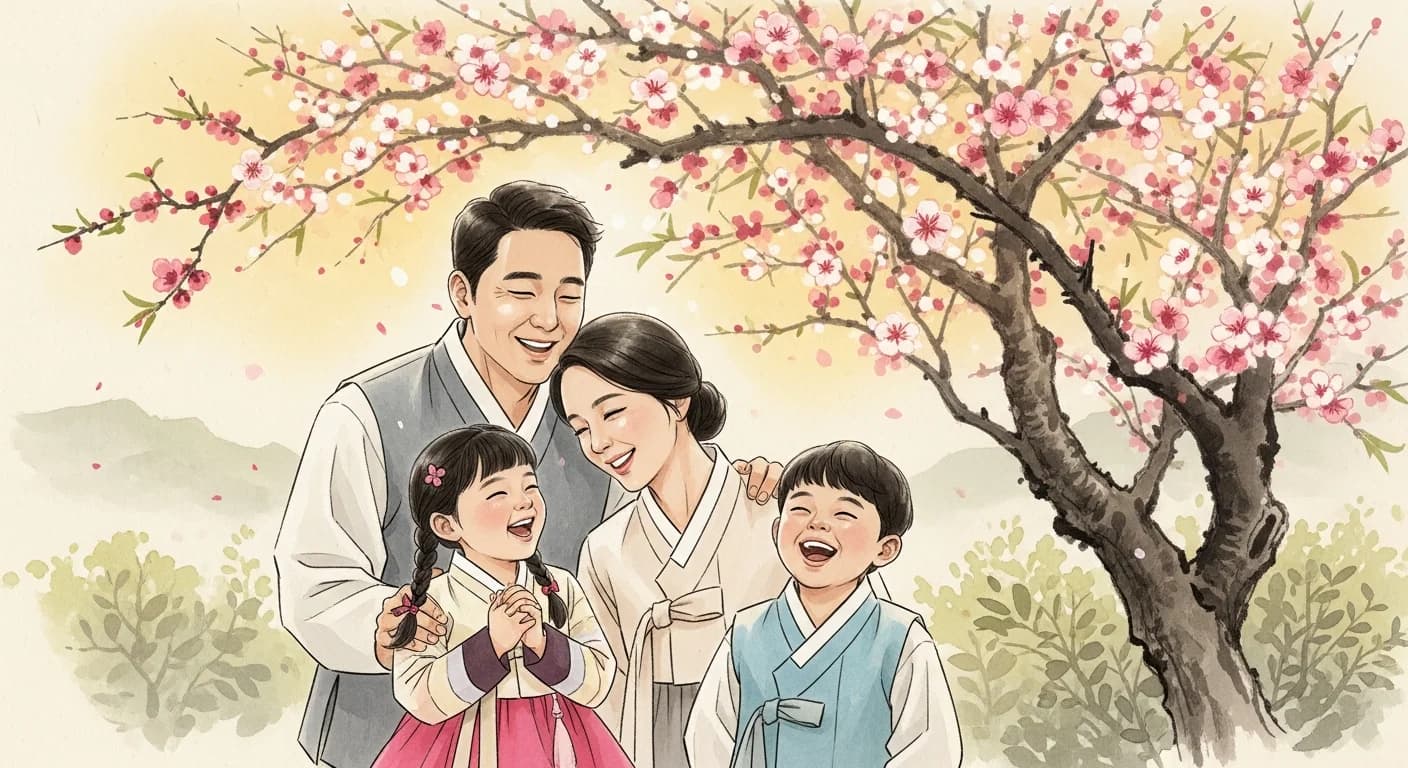
Dreaming of spending peaceful time with family is considered especially powerful. Shared meals, everyone resting comfortably together, laughter without friction — these scenes herald domestic harmony and the arrival of joyful family events. Traditionally, when an elder in a household dreamed this way, the entire family was expected to prosper.
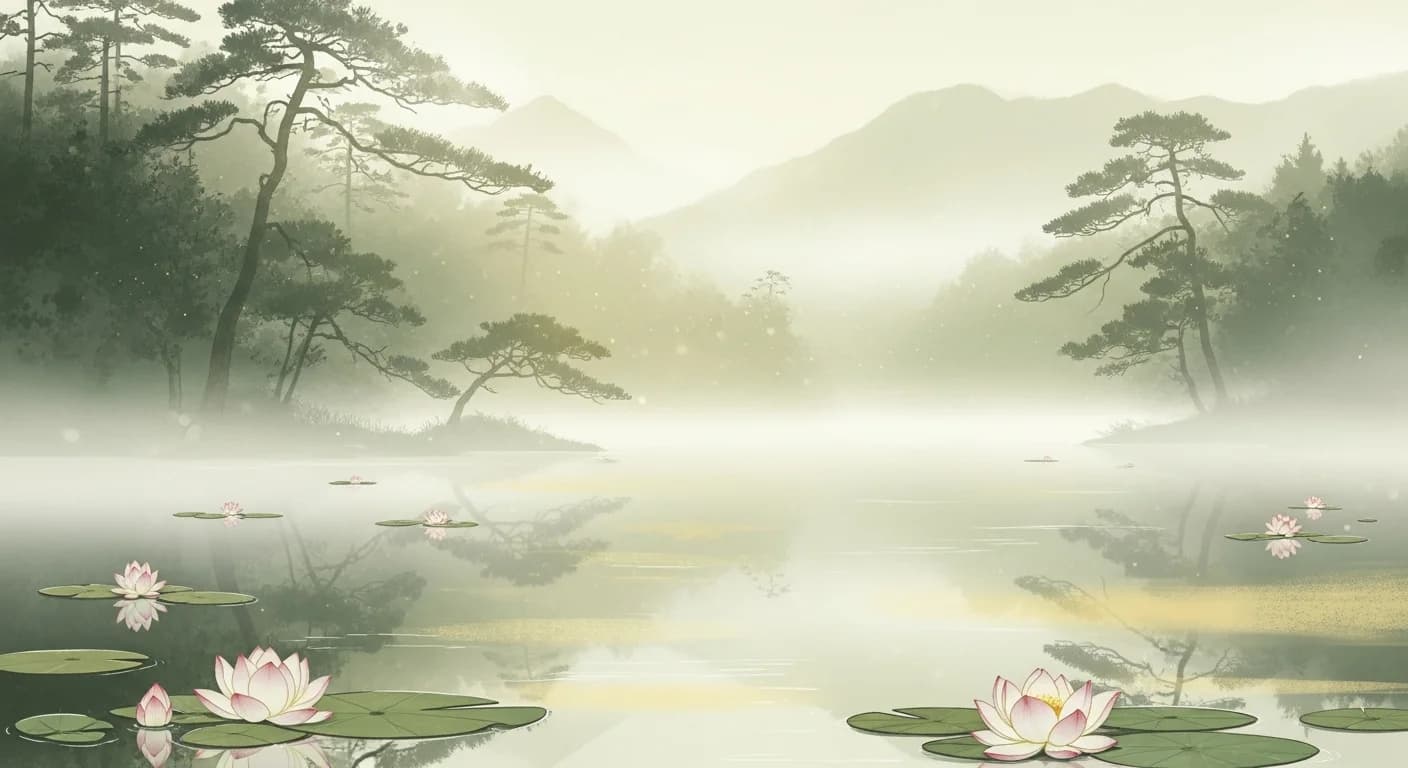
Nature-based peaceful dreams carry a distinct blessing of their own. Standing before a still lake, walking through a quiet forest, or simply gazing up at an impossibly clear sky — these images were understood as signs of heavenly favor. In this interpretation, the cosmos itself is sending benevolence your way, and both financial fortune and health are set to improve. The more vivid and specific the natural scene, the more potent the omen.
A dream in which long-standing conflict resolves into peace is equally meaningful. Disputes at work, tension in a partnership, or a fractured relationship that suddenly finds harmony in the dream — all point toward real-world resolution and renewed cooperation on the horizon.
Neutral or Cautionary Peaceful Dreams
Not every peaceful dream carries the same charge. If the calm in your dream felt hollow, unnervingly still, or somehow lifeless — like a world with the sound turned off — this may be your subconscious flagging a lack of vitality or stimulation in waking life. Korean interpretation reads this as a gentle nudge against complacency: stability is good, but stagnation is different.
More urgent is the dream in which peace is suddenly shattered. A serene scene disrupted abruptly by noise, chaos, or unseen threat serves as a warning that unexpected disturbances may arrive in waking life. The transition from peace to disruption is the key signal — treat it as a prompt to double-check plans, agreements, and anything that currently appears settled but may be more fragile than it looks.
Wealth Fortune and Relationships
Peaceful dreams are not typically associated with sudden windfalls the way, say, pig dreams are in Korean tradition. Their blessing runs deeper and more sustainably: they signal the kind of trust-based, relationship-driven fortune that compounds over time. Conflicts in business or at work resolve; cooperation deepens; reliable allies appear.
In relationships, a peaceful dream often presages the return of someone you have grown distant from, or the arrival of a trustworthy new connection. The energy around you is one of goodwill and openness — a favorable atmosphere for important meetings, negotiations, or any situation where rapport matters.
Dream Variations
Peaceful Dream with Family
The whole family gathered — sharing a meal, resting together, simply being at ease with one another. In Korean folk interpretation, this is one of the clearest omens of domestic blessing: health for every family member, harmony in the household, and joyful news on the way. Think weddings, pregnancies, promotions. Traditionally, a family elder dreaming this was seen as a sign of fortune for the entire bloodline.
Peaceful Dream in Nature
By a gentle river, on a quiet mountainside, beneath a flawlessly clear sky — Korean tradition reads nature's harmonious imagery as heaven and earth flowing favorably toward the dreamer. Both material fortune and health improve together. The more vivid and specific the natural backdrop — a particular lake, a recognizable mountain silhouette — the more powerful the omen is considered to be.
Dreaming of Falling Asleep Peacefully
A dream within a dream, in which you fall peacefully asleep. This unusual image signals that current worries will dissolve before long, and a genuine period of rest — physical and emotional — is approaching. For those who have been under sustained pressure or dealing with health issues, this dream suggests the turning point is near.
Dream of Peace After War or Conflict
The battle ends; peace returns. The war or conflict in the dream represents real-world struggles — a protracted dispute, a difficult period, a relationship strained to breaking point. The arrival of peace signals that this hardship is drawing to a close and a new chapter is beginning. Business conflicts may resolve, legal matters may settle, and new cooperative relationships may take root.
Dream of a Peaceful Village
A quiet, close-knit village in your dream symbolizes stable community and social support. Relationships with colleagues, neighbors, or your broader social circle are set to improve. New meaningful connections are likely to form, and existing cooperative ties will deepen. This is a particularly good omen for those whose work depends on community trust or collaborative effort.
Dream of Inner Peace
No dramatic setting, no significant events — just a quiet, undisturbed feeling of being at peace within yourself. This is the most direct reflection of a healthy, balanced inner world. Korean interpretation and modern psychology agree here: this dream confirms that your current path is right, your decisions sound, and that continuing steadily forward is the wisest course.
Cultural Context
In Korean traditional dream interpretation, the emotional atmosphere of a dream has always been considered as important as its visual content. Even an ordinary scene becomes auspicious if the emotional tone is warm and full; even a spectacular image turns inauspicious if weighted with dread. This principle — that feeling determines meaning — sits at the heart of Korean 꿈해몽.
In Korean shamanism (무속 신앙), peace and harmony signify a state under the protection of benevolent spirits. A peaceful dream was received as confirmation that the spirits were watching over the dreamer — a green light for important decisions and new beginnings. In the Joseon dynasty, when a king dreamed peacefully, court interpreters connected it to a period of national harmony. When the household elder dreamed of peace, the family expected fortune to follow.
Buddhist thought layered additional meaning onto this tradition. Inner peace (심평, shim-pyeong) was understood as the fruit of good karma and accumulated virtue. To dream peacefully was to demonstrate that one's deeds had been righteous, and that auspicious connections and opportunities were naturally drawing near. Together, these strands — shamanic, Confucian, and Buddhist — gave the peaceful dream a depth of positive meaning that spans centuries of Korean cultural tradition.
Western Psychological Perspectives
Western psychology arrives at the same destination as Korean tradition through a very different route. Where Korean folk interpretation looks outward — to heaven's energy, divine blessing, or cosmic harmony — Western frameworks look inward, reading peaceful dreams as evidence of the mind's own health and integration.
Freud viewed peaceful dreams as a positive form of wish fulfillment. The ego is successfully mediating the id's restless impulses; anxieties are finding symbolic resolution in sleep rather than erupting into nightmares. For Freud, the content of a peaceful dream was the unconscious successfully granting itself what waking life denied: calm, safety, relief. This is a sign of a reasonably functioning psychic structure, not passivity.
Jung took an even more expansive view. Peaceful landscapes and serene atmospheres within dreams were, for him, symbols of mandala-like completeness — the psyche's warring opposites (consciousness and shadow, feeling and thinking) moving toward integration. He connected the image of peace in the collective unconscious to the archetype of paradise, that universal human longing for original wholeness. A peaceful dream, on this reading, signals progress in individuation — the lifelong journey toward becoming a fully integrated self.
Contemporary neuroscience grounds all of this in biology. Peaceful dreams correlate with reduced amygdala activation during REM sleep — the brain's alarm system running quietly, rather than on high alert. This reflects good sleep architecture and effective emotional regulation. In trauma therapy, the emergence of peaceful dreams after a period of nightmares is treated as a clinically meaningful indicator: healing is progressing, the nervous system is resetting. Both Korean tradition and Western science, then, read the same dream as a signal worth paying attention to — a sign that something is going right.
Frequently Asked Questions
Waking from a peaceful dream, you carry something with you into the day — a quiet assurance that things are on track. Korean tradition has recognized this for centuries, and modern psychology confirms it through a different lens: a genuinely peaceful dream reflects a mind in good order and a life moving in a favorable direction. That does not mean you can simply wait for good things to arrive. But it does mean your foundation is solid, your instincts are trustworthy, and the current you have been swimming against is beginning to turn. Step into your day with that knowledge behind you.