Dream of Regret — Emotional Release or Cautionary Warning?
If you woke up from a dream filled with tears and regret, Korean dream tradition has a surprising answer for you. The folk principle of 'opposite interpretation' holds that fully expressing grief or remorse in a dream often signals emotional release and a fresh beginning in waking life — not more suffering ahead. The proverb 'the interpretation matters more than the dream itself' (꿈보다 해몽) reflects how much weight Koreans place on how a dream is read, not just what happens in it. Here's the key distinction though — whether the regret in your dream found resolution, or left you trapped in the same loop, changes everything about what it means.
Auspicious: Tears, Apology, and the Promise of a New Beginning

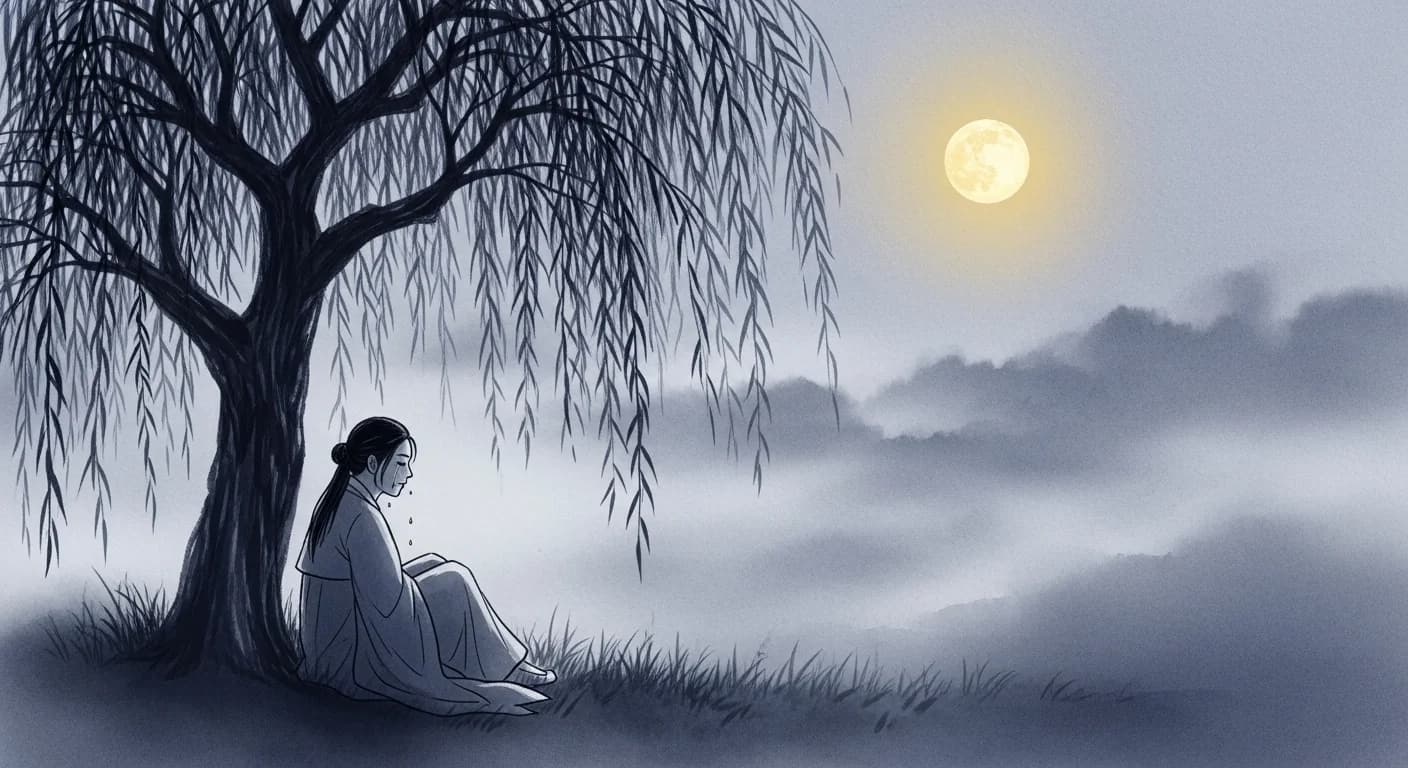
When regret in a dream leads to crying, forgiveness, or reconciliation — especially if you feel lighter by the end of the dream — Korean folk interpretation views this as auspicious (길몽). The 'opposite interpretation' principle is central here: fully expressing painful emotion in a dream is believed to release the emotional weight in real life, clearing the path for a genuine fresh start.
If the dream involves making an apology or reconciling with someone important, this carries an especially positive meaning. It is read as a signal that a real-life relationship will heal or a longstanding misunderstanding will soon resolve. If you wake from such a dream feeling unexpectedly calm or unburdened, that feeling itself validates the interpretation.
Inauspicious: Stuck in the Loop of Repeating Mistakes
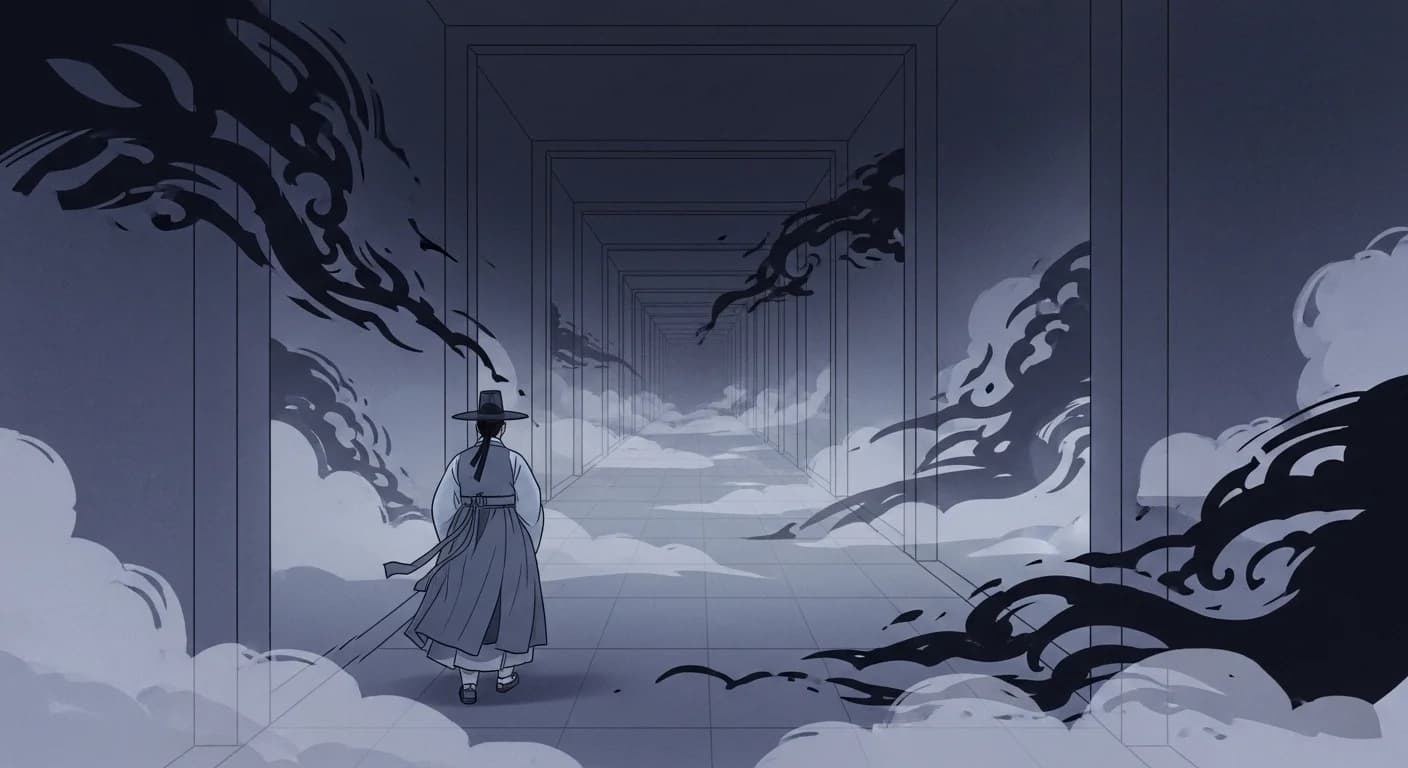
On the other hand, if your dream of regret has no resolution — you repeat the same mistake, remain trapped in guilt, or cannot escape from a past error — this is considered inauspicious (흉몽). It is interpreted as a warning that unresolved psychological tensions are accumulating, and that similar mistakes may be repeated in waking life.
Dreaming of deep sorrow over a lost loved one or a major missed opportunity also falls in this category. Korean interpretation reads it as a prompt to pay serious attention to precious relationships or opportunities that may be slipping away right now. Recurring dreams of this type deserve particular attention.
Neutral: Standing at a Crossroads
A dream where you reflect on past regrets calmly — without anguish or panic — carries a neutral meaning. It is neither auspicious nor inauspicious, but symbolic of a period of important decision-making or a significant life turning point.
Think of it as your inner voice quietly asking whether you are on the right path. Rather than treating this dream as an omen, use it as an invitation to review your current choices and direction with honesty. The dream is not predicting your fate — it is asking you a real question.
Career and Life Direction: The Subconscious Speaking Up
When the regret in your dream specifically revolves around a career choice or life path, it reflects subconscious dissatisfaction with your current direction that hasn't been allowed to surface in waking life. The desire for change is being suppressed, and the dream is your mind's way of insisting you acknowledge it.
Note that dreams of regret are not traditionally linked to financial luck in Korean interpretation. Dreams associated with money fortune tend to involve pigs, gold, or dragons. Regret dreams speak primarily to emotional and interpersonal states.
Dream Variations
Dream of Regretting an Ex-Lover
Dreaming about regretting a past romantic relationship doesn't necessarily mean you miss the specific person. More often it reflects current feelings of loneliness or emotional emptiness, or a longing for the security and closeness that relationship once provided. Korean interpretation sometimes reads this as a sign you are becoming emotionally ready to welcome a new connection.
Dream of Regretting a Career Choice
This dream surfaces when the desire for change in your professional life is being suppressed. Your subconscious is expressing dissatisfaction that your waking mind has been pushing aside. Before making any dramatic move, use this dream as a prompt to honestly examine what kind of work or life you actually want — it's a signal to explore, not necessarily to leap.
Dream of Crying with Regret Over Past Mistakes
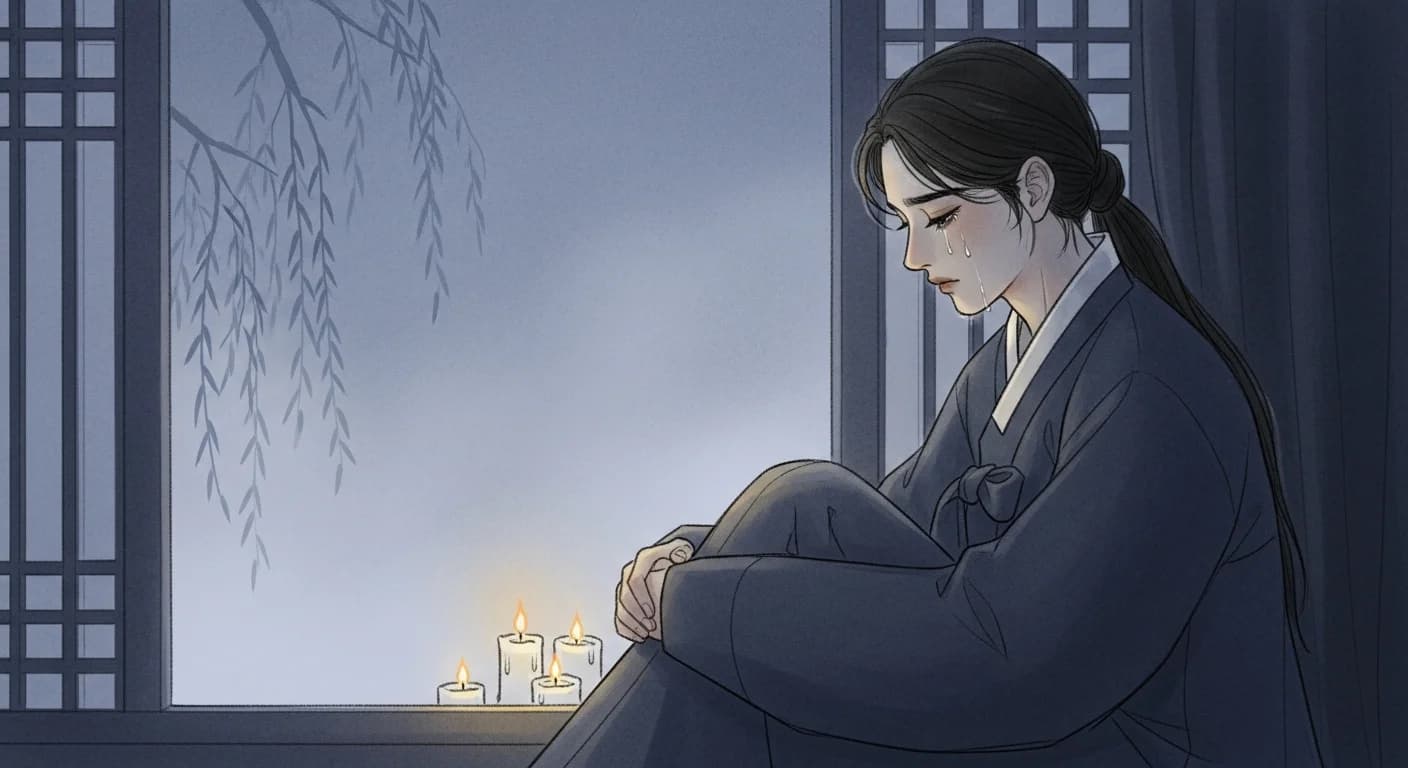
Crying deeply with regret in a dream is viewed in Korean traditional interpretation as a process of emotional catharsis. Because tears symbolize the release of suppressed feelings, fully crying in a dream is associated with emotional relief to come — waking up lighter, and more ready for a fresh start. This is one of the clearer auspicious variants of the regret dream.
Dream of Regretting Things Left Unsaid to a Deceased Person
This dream expresses unresolved grief and unfinished emotional business with someone who has passed. Korean shamanic tradition sometimes interprets such dreams as the deceased offering comfort through the dream itself. The message carried is universal: cherish what is precious in your life before it is gone. Performing a memorial act or simply writing to the person can help release the emotion the dream is surfacing.
Dream of Wanting to Turn Back Time Due to Regret
When your dream is dominated by a desperate wish to undo the past, it reflects extremely high real-life stress or the heavy burden of a decision you're avoiding. Korean interpretation reads this not as fatalistic but as an urgent call to act — the dream is saying that it is not too late, and that a courageous decision made now can still change the outcome.
Dream of Regretting Having Hurt a Friend or Family Member
Your subconscious is alerting you that a real relationship needs attention. The dream suggests that the rift is real and the healing has not happened yet. In Korean belief, reaching out after such a dream — a sincere message, a phone call, an honest apology — is considered to have a high chance of genuinely restoring the relationship.
Cultural Context
In traditional Korean dream interpretation, emotionally charged dreams have long been seen as bridges between the inner world and outer reality. The proverb 'the interpretation matters more than the dream itself' (꿈보다 해몽) captures this belief: meaning comes from how a dream is read, not just from its surface events.
For regret dreams specifically, the Korean folk principle of 'opposite interpretation' plays a central role. Feeling anguished or tearful in a dream is understood as a sign of emotional release — the inner weight is being lifted, making room for a fresh start in waking life.
Korean shamanic tradition (무속 신앙) also held that dreams could serve as messages from ancestors or spirits. A deceased person appearing in a regret dream to offer comfort or warning was taken with particular seriousness, and traditional rituals of remembrance (제사) were seen as ways to provide the closure the dreamer's heart was seeking. The Confucian value of self-cultivation (수신) further shaped how Koreans viewed regret dreams: not as omens of doom, but as invitations for moral reflection and personal growth.
Western Psychological Perspectives
Western psychology approaches dreams of regret as the mind's way of processing internal conflict rather than predicting the future. From Freud's perspective, these dreams reveal the superego — the internalized voice of conscience — continuing to operate during sleep. Suppressed guilt or self-blame breaks through as what Freud called a 'wish for punishment,' the reverse of wish-fulfillment, in which the unconscious judges and condemns itself for perceived transgressions. The dreamer becomes both judge and defendant in the theater of sleep.
Jungian analysis offers a more integrative view. Dreams of regret are closely tied to the Shadow archetype — the part of the psyche containing aspects of the self that the ego refuses to acknowledge or accept. Confronting past wrongs in a dream is understood as part of the individuation process: the psyche moving toward wholeness by integrating what has been rejected. From this angle, regret in a dream is not a sentence but a step toward psychological healing.
Modern sleep science and cognitive psychology frame regret dreams as part of the brain's emotional regulation function. During REM sleep, the brain reprocesses emotional memories from waking life that were not fully resolved. Experiences involving strong guilt or regret are especially likely to recur in dreams precisely because the brain is working hardest on them — this is a self-healing mechanism designed to reduce the emotional charge of difficult memories over time.
What is striking is how closely Western psychology and Korean traditional interpretation converge in their conclusions, despite starting from entirely different premises. Korea reads the emotional release of a regret dream as auspicious fortune; psychology describes the same release as therapeutic processing. Both agree that such dreams are not meaningless noise — they are the psyche speaking as honestly as it knows how.
Frequently Asked Questions
Dreams of regret are uncomfortable by design — they force you to sit with something unfinished. But whether yours carried the lightness of reconciliation or the weight of a repeating loop, the dream was doing real work. Korean tradition and modern psychology agree on this much: your sleeping mind is processing something that matters. The most useful response is not anxiety, but attention — to which relationship, decision, or unresolved grief the dream keeps circling back to. That is where the real conversation begins.