Singing Dream Meaning — Complete Korean Dream Interpretation Guide
If you woke up from a dream where you were singing your heart out, Korean dream tradition has something meaningful to tell you. In Korean folk belief (해몽), singing in a dream is considered one of the most direct windows into the dreamer's inner energy and the direction of their fate — just as shamans sing sacred songs to communicate with spirits, the voice in a dream carries the current of the soul. But here's the thing: whether that singing dream is a brilliant omen or a warning sign depends entirely on the details. Receiving applause on stage is one of the best omens in the tradition; forgetting your lyrics or weeping while singing tells a very different story. Let's unpack every scenario.
Auspicious Dreams: Applause, Stages, and Rising Honor

In Korean dream interpretation, dreaming of performing on stage and receiving applause from an audience is among the highest-tier auspicious omens (길몽). The structure of being seen and recognized by many people maps directly onto real-life outcomes: expect good news in the form of a promotion, exam success, or public acknowledgment of your abilities.
Singing from a mountaintop or any elevated place is equally powerful. Korean folk wisdom holds that 'a song sung from high ground reaches the sky,' and this dream signals an incoming period where both prestige and wealth fortune rise together. Those around you may find themselves envying your achievements.
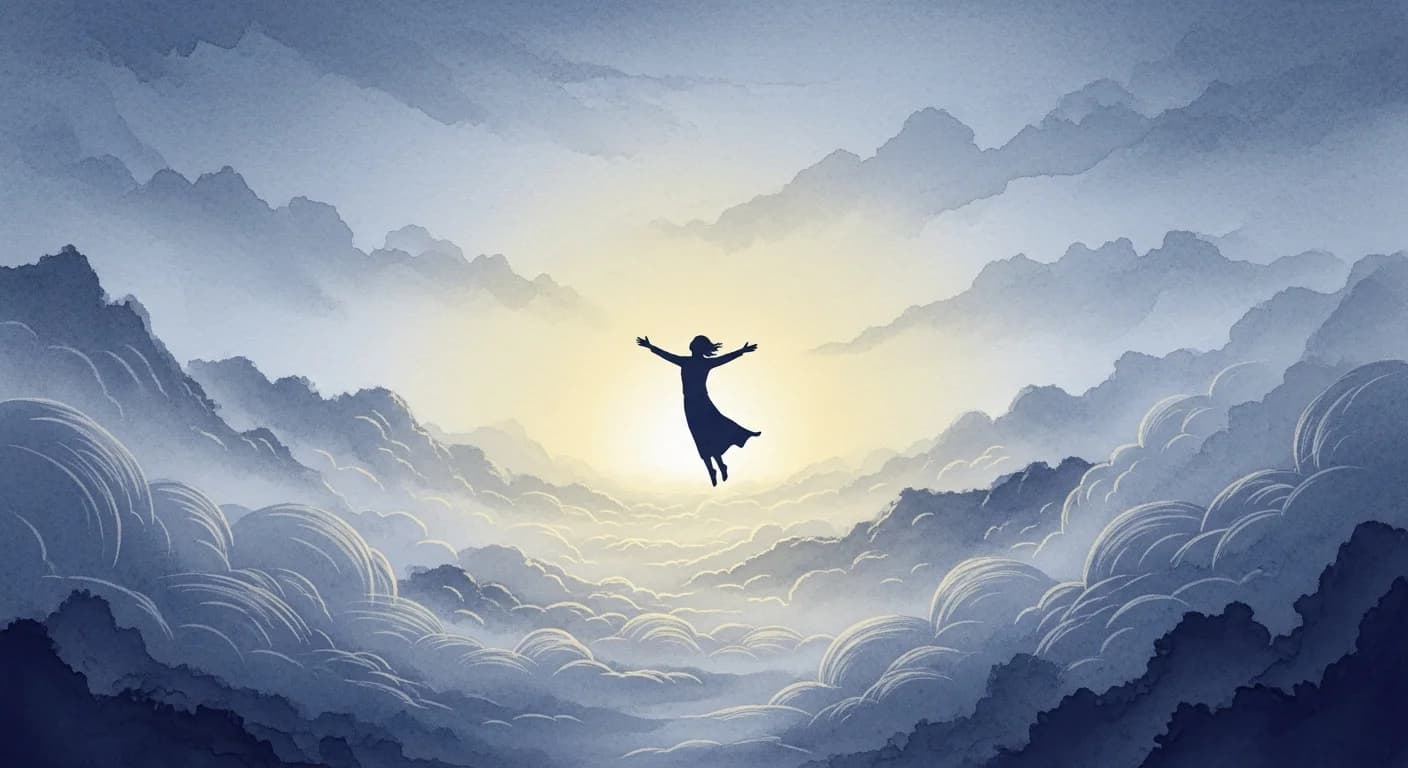
Dreaming of singing joyfully and energetically is a positive signal even without the stage. It reflects an inner state overflowing with vitality, and predicts that worries will dissolve, relationships will warm, and pleasant events will arrive in succession.
Auspicious Dreams: Choir Singing and New Connections
Dreaming of singing in a choir with many others is an auspicious omen of community and collaboration. It symbolizes being surrounded by like-minded, supportive people — and signals that you are about to join a meaningful group endeavor, team project, or community where your contributions will harmonize with others'.
The key image here is the harmony: just as individual voices blend into something greater than any one of them, this dream foretells achieving things together that would be impossible alone. New relationships characterized by mutual goodwill and encouragement are likely on the horizon.
Inauspicious Dreams: Forgetting Lyrics and Disrupted Performances
Dreaming of forgetting the lyrics mid-song, or having the accompaniment fall out of sync with you, is an inauspicious sign (흉몽). It warns that current plans or ongoing matters may stall, or that something you have delegated or requested from others may not materialize as expected. Lack of cooperation, rejection, or unexpected setbacks are possible.
If this dream occurs before an important presentation or launch, treat it as a prompt to double-check your preparations. Look for gaps you may have assumed were covered — they may not be.
Inauspicious Dreams: Sad Songs, Crying, and Sick Singers
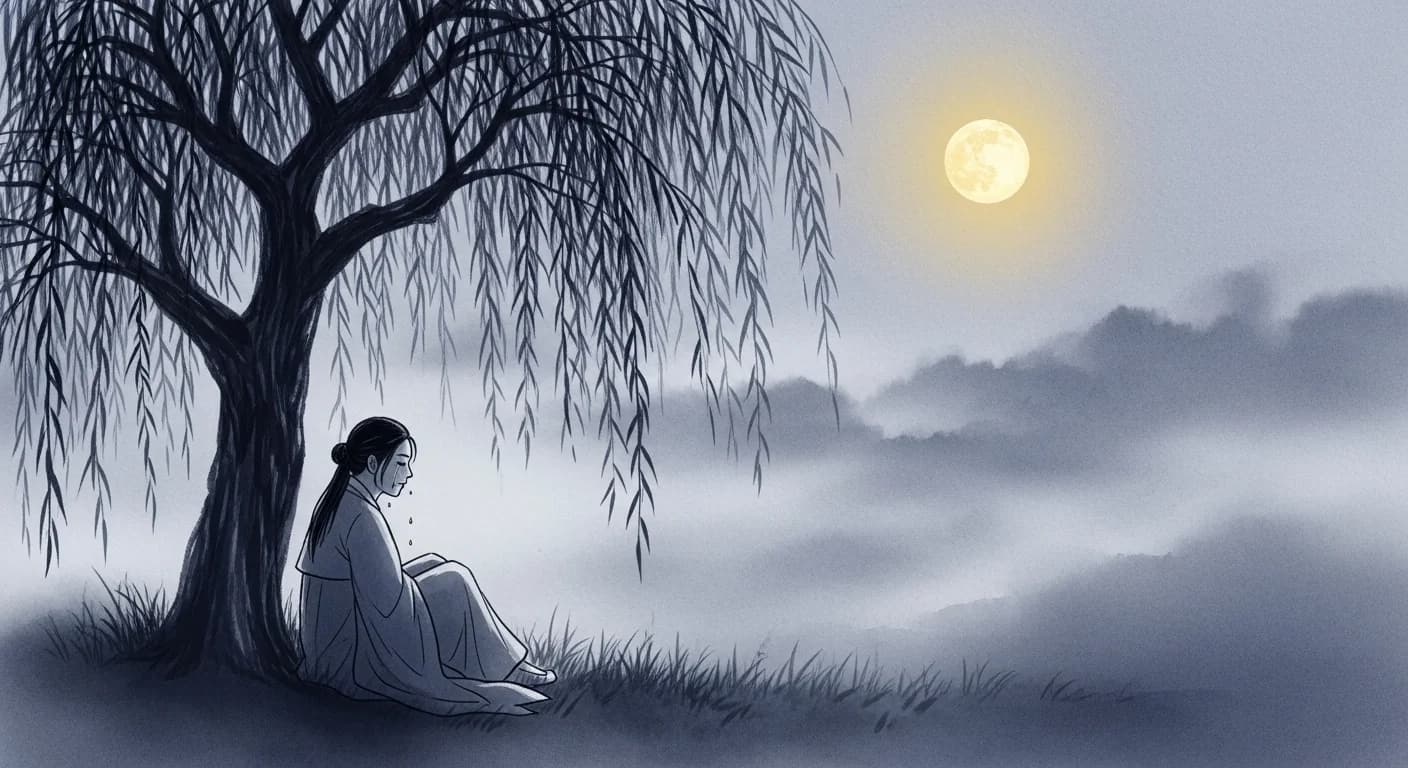
Dreaming of singing a mournful or sad song, or crying while singing, carries a warning. In Korean dream tradition, this hints that someone may be speaking ill of you behind your back without your knowledge. It can also foreshadow emotional sadness or disappointment arriving in waking life.
One specific pattern in Korean folk tradition warrants special attention: dreaming of a sick person singing is considered a particularly serious omen — it has long been interpreted as a harbinger of household troubles and financial loss.
Dreaming of being unable to sing at all — losing your voice, or singing so badly you feel humiliated — suggests you may face misunderstandings caused by your own words, or that a lack of confidence could cost you an important opportunity.
Neutral Dreams: Singing Alone and Following Along
Dreaming of singing quietly alone, with no audience, is a neutral introspective dream. Korean interpretation sees it as a signal that it's time to sort through your thoughts and reconnect with your own inner voice. You may soon find yourself standing your ground independently, asserting your own perspective without being swayed by external pressure.
Dreaming of keeping time with or following along to someone else's song is also neutral — it suggests a situation is coming where adapting to another person's lead or accepting their proposal will be the wiser path. Flexibility and responsiveness are the keys to navigate that moment well.
Dream Variations
Dreaming of Singing Well
Dreaming of singing beautifully and skillfully is an auspicious omen representing happiness and smooth progress across all areas of life. Ongoing projects bear good fruit, and a period of success opens in education or professional endeavors. Others' positive recognition boosts your reputation. If you have an exam or important evaluation coming up, this dream is a good sign — trust your preparation and step forward with confidence.
Dreaming of Singing Badly
Dreaming of singing poorly and feeling embarrassed reflects underlying anxiety or a current deficit of self-confidence. Misunderstandings arising from your own words or actions are possible, and difficulties in romantic or social relationships may follow. Rather than a verdict, treat this dream as a prompt to identify where you feel underprepared and address it proactively.
Dreaming of Singing on Stage
Singing on a stage in a dream is a powerful auspicious omen of public recognition and achievement. It connects to promotion, exam success, and business accomplishment — situations where your abilities are demonstrated in front of an audience. If this dream recurs, Korean tradition reads it as a strong signal to actively seek out opportunities where your talents can be seen and acknowledged.
Dreaming of Singing Alone
Singing alone where no one can hear you signifies rising self-confidence and independent self-expression. The time has come to clarify your inner thoughts and commit to your own direction without being swayed by others. An important decision may be made in focused solitude — trust your own judgment in that moment.
Dreaming of Singing in a Choir
Choral singing in a dream is an auspicious omen of harmonious collaboration with like-minded people. Expect to join a meaningful group, organization, or team project, and to achieve results through collective effort that you could not reach alone. New relationships of mutual support and encouragement are on their way.
Dreaming of Singing a Sad Song
Singing a sorrowful song in a dream is an inauspicious sign hinting that similar sadness or frustration may arrive in waking life. There may also be someone speaking negatively about you without your knowledge. After this dream, be mindful of your words and actions, and avoid rushing important decisions — take time to assess the situation clearly.
Dreaming of Singing an Upbeat Song
Enthusiastically singing a joyful, upbeat song in a dream reflects overflowing inner vitality and positive energy — a very good omen. Worries are resolved, relationships develop warmly, and a succession of pleasant events is on the way. Long-standing concerns that have been weighing on you are likely to clear up soon.
Dreaming of Singing in the Shower
Singing in the shower in a dream is a fortunate omen of wish fulfillment and the execution of long-planned goals. The combination of cleansing and singing symbolizes worries being washed away and a fresh chapter beginning. This is an especially good dream if you have been waiting for the right moment to start something new or put an old problem to rest.
Dreaming of Composing a Song
Dreaming of composing or writing your own song is an auspicious omen of creative and entrepreneurial beginnings. For creators, it hints at the birth of a meaningful work; for business-minded dreamers, it suggests an innovative idea is ready to take concrete form. Creating 'your own song' symbolizes originality and taking the lead — a powerful signal to act on your vision.
Cultural Context
In Korean folk tradition, singing in a dream was never just entertainment — it was regarded as a medium for communicating with the heavens. Just as shamans (무당, mudang) sing sacred songs (신가, singga) during gut ritual ceremonies to commune with spirits, a voice raised in song within a dream was understood to reveal the dreamer's soul-state and the direction of their destiny.
The location of the singing carried enormous symbolic weight. Singing from a mountaintop traditionally meant 'the song reaches the sky' — a sign of attaining authority and honor. Singing in low-lying areas, by contrast, hinted at stagnation and worry. Joseon-era dream interpretation texts linked singing directly to the harmony of yin and yang (음양): a clear, powerful voice was classified as an auspicious sign of rising energy, while a mournful, weakening voice signaled declining vitality.
The folk saying 'the louder the voice, the greater the name' (소리가 크면 이름도 크다) extended into the dream world: a loud, distinct voice in a dream was read as a foretelling of growing social influence and an expanding reputation. In this way, singing dreams functioned not as mere subconscious wandering but as the language of fate and spirit — a communication that Korean dreamers took seriously for centuries.
Western Psychological Perspectives
Western psychology approaches singing dreams through the lens of self, emotion, and the complex interplay of conscious and unconscious forces — and the insights offer a fascinating complement to Korean folk interpretation.
From a Freudian perspective, singing in a dream represents the release of repressed emotions or unexpressed desires through the medium of the voice. Voice is the most primal instrument by which the ego exposes itself to the outside world; dreaming of singing can be understood as the vicarious fulfillment of suppressed speech, unexpressed love, or the deep wish to be recognized. Forgetting the lyrics mid-dream reflects the superego's censorship at work, keeping unconscious content from fully surfacing — a distinctly Freudian reading that rhymes with the Korean interpretation of lyric-forgetting dreams as signs of stalled plans.
Jungian analytical psychology sees singing as a form of expression in which language and music, conscious and unconscious, operate simultaneously. Harmonious singing in a dream hints at the realization of psychological wholeness (individuation). Choral singing sits at the intersection of personal and collective unconscious — a movement toward harmony with the community archetype. Dissonance or losing one's voice, meanwhile, represents the shadow or a suppressed aspect of the self blocking authentic self-expression.
Modern psychology and sleep research frame singing dreams as the brain's processing of emotional regulation and self-efficacy. During sleep, the brain organizes the day's emotional residue; the desire for social recognition or self-expression may crystallize into a singing dream. Dreaming of performing on stage before an important presentation often reflects heightened achievement motivation. Dreams of singing badly, by contrast, are frequently associated with social anxiety (social anxiety disorder or evaluation apprehension) — a finding that maps neatly onto the Korean tradition's inauspicious reading of poor-singing dreams.
Cross-culturally, singing in dreams has been a universal symbol of self-expression and spiritual connection. Ancient Greeks interpreted dream-singing as a sign of the Muses' divine inspiration. In Indian tradition, singing devotional music (bhakti) in a dream is considered an omen of spiritual grace. In West African traditions, ancestors' voices are believed to be transmitted through song in dreams, making dream-singing a form of sacred ancestral communication. East or West, the dreaming voice carries a common thread: deep inner truth, a connection to something greater, or the outpouring of a self that needs to be heard.
Frequently Asked Questions
Singing dreams are among the most emotionally charged and symbolically rich dreams in Korean tradition. A joyful performance met with applause is one of the clearest auspicious omens of recognition, honor, and achievement; but a sad song, a forgotten lyric, or a voice that won't come out signals the need for caution and preparation. When you wake from one of these dreams, take a moment to recall the quality and mood of the singing — that emotional texture is the message. If it was auspicious, step forward with confidence; if it was a warning, use it as a prompt to review your plans and watch your words. Either way, your dreaming voice is telling you something worth hearing.