Slow Motion Dream Meaning — What Korean Dream Tradition Says About Your Body's Refusal to Move
If you've ever woken from a dream where you desperately tried to run but felt like you were wading through wet concrete, Korean dream tradition has something important to tell you — and it goes deeper than a simple bad omen. In Korean folk belief, dreams of a body that won't obey are historically linked to a phenomenon called gawi-nullim (가위눌림), a kind of waking paralysis attributed to malevolent spirits pressing down on a sleeping person's body. The vast majority of slow-motion dreams are read as inauspicious (흉몽), warning of obstacles, exhaustion, or suppressed anxiety — but context matters enormously here: the difference between being chased in slow motion and simply strolling slowly through a dream landscape carries a completely different message.
Slow Motion Dreams — Core Interpretation
In Korean dream interpretation (해몽), dreaming of moving in slow motion fundamentally symbolizes powerlessness, suppressed stress, and the frustration of being unable to advance toward one's goals. The dream's message is that something in waking life is creating serious resistance — whether that's external obstacles (a difficult project, financial strain, a difficult relationship) or internal ones (depletion, self-doubt, chronic anxiety). The more vivid the frustration of trying hard but getting nowhere feels in the dream, the stronger the signal that the dreamer is losing their sense of control in waking life. Rather than pushing harder, this dream invites an honest pause and reassessment.
Inauspicious: Obstacles Blocking Your Progress

The most common inauspicious reading of a slow-motion dream is a warning that serious obstacles exist on the path toward a current goal. If you dream of trying to sprint but barely inching forward at a time when you're pushing hard on a work project, a career transition, or a major life plan, this dream flags that the current approach may need recalibration. Korean dream tradition reads it as a signal that progress will demand far more time and effort than anticipated, and that the outcome may fall short of hopes without a strategic rethink. Rather than frustration, the appropriate response is stepping back to examine whether the current direction or methods are genuinely sound.
Inauspicious: Being Chased in Slow Motion
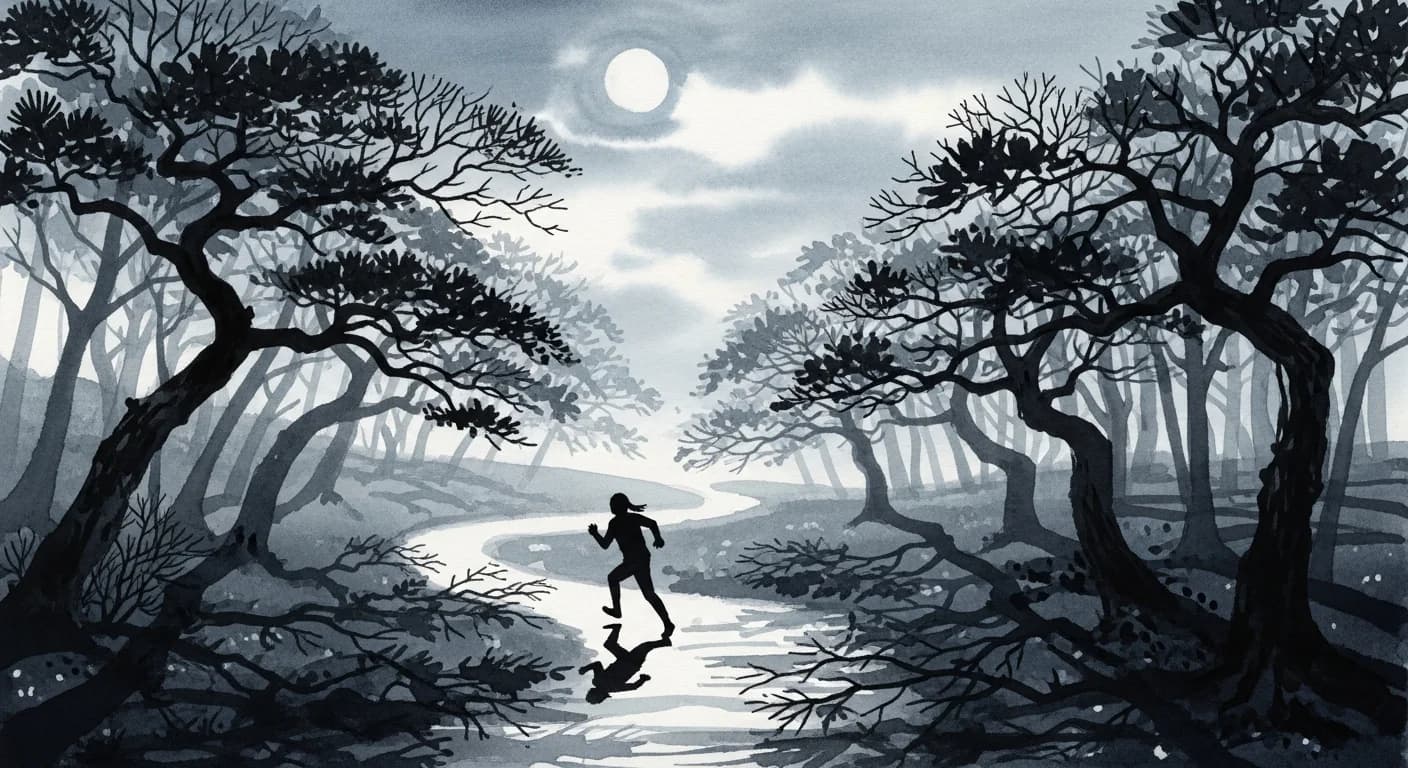
When slow-motion movement occurs in a dream where you're being chased or fleeing danger, the warning intensifies. This scenario reflects a profound sense of helplessness — an inability to escape real-life threats, pressures, or conflicts. It signals that emotional and physical tension has built to near-breaking point. The source of this anxiety may be workplace conflict, relationship pressure, or a problem long avoided that has finally accumulated past its tipping point. Korean dream tradition and modern psychology both suggest the same remedy: the paralysis won't end by running faster, but only by facing whatever is chasing you.
Inauspicious: A Warning About Health
A dream specifically of trying to run but being unable to reach full speed has traditionally been interpreted in Korean dream culture as a health warning — a sign that the body is deteriorating due to injury, illness, or exhaustion. Modern interpreters extend this to include the accumulated toll of chronic stress. If you've been running on fumes, sleeping poorly, or noticing declining energy in waking life, this dream asks you to treat it as a meaningful prompt: rest, a check-up, and taking recovery seriously, not as a luxury but as a necessity.
Neutral: The Inner Voice Asking You to Slow Down
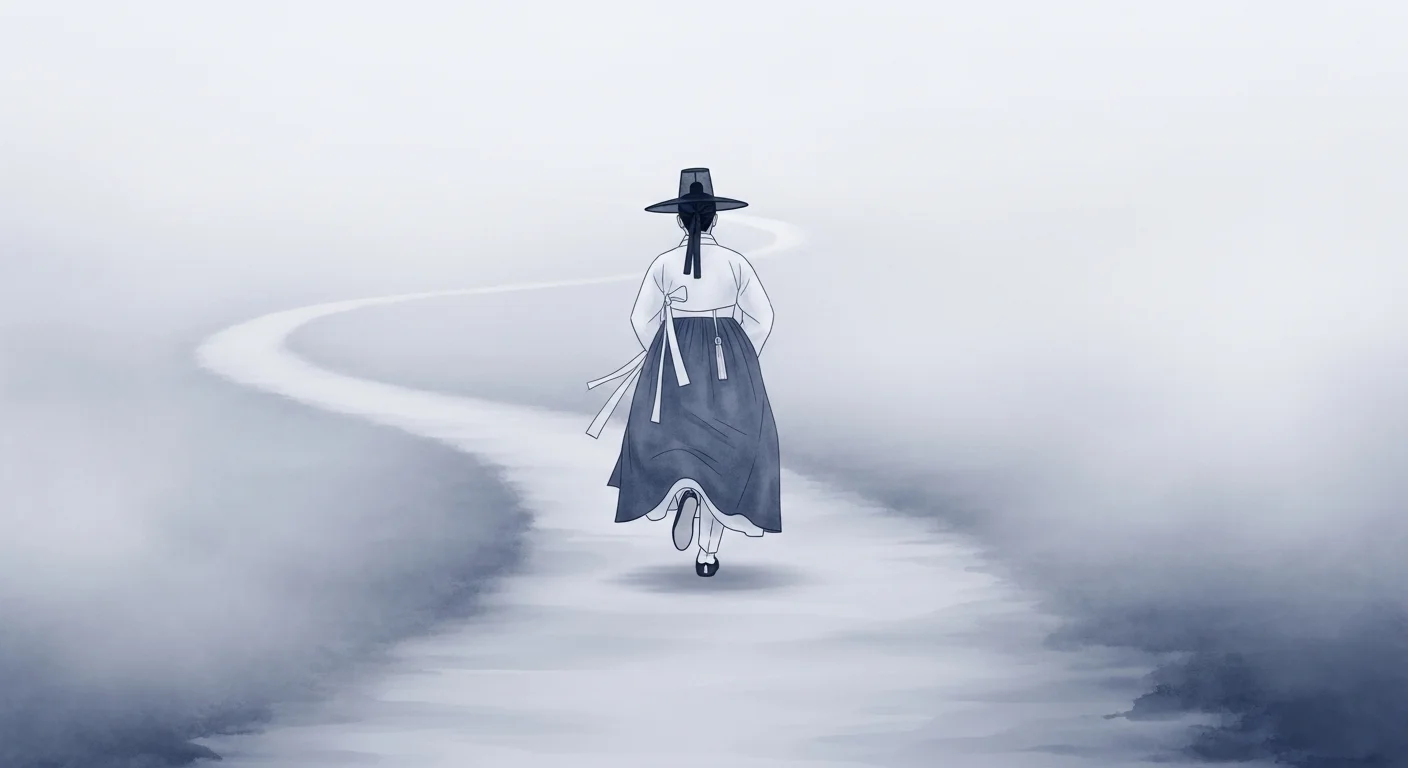
Not every slow-motion dream carries a warning. When the dream has no particular threat — when the world simply slows to a dreamlike hush without urgency or fear — this can reflect an unconscious longing to pause from life's relentless pace. It may also arise before a major decision, functioning as an inner nudge to think more carefully and deliberately before acting. In these cases, the dream is neither a good nor bad omen, but rather a quiet internal counsel to resist the pressure to always move at full speed.
Neutral: Social Comparison and Feeling Left Behind
A particularly telling variation: when you move in slow motion while everyone around you moves at normal speed. This dream directly projects the anxiety of feeling like you're falling behind peers — in a career, in life milestones, in social status. Korean dream tradition reads this as a prompt to step away from social comparison and trust your own pace and direction. The dream isn't saying you're actually behind; it's showing you that the comparison is causing pain, and inviting you to set your own measure of progress.
Dream Variations
Wanting to Run but Moving Slowly Dream
This dream — desperately wanting to sprint but feeling like you're moving through thick air — represents the painful gap between ambition and current reality. It acknowledges that your drive is real, but flags that something (resources, energy, external circumstances) is genuinely holding you back. The message is not to push harder into the gap, but to honestly assess whether your current capacity matches the pace you're demanding of yourself, and to build a plan that works with your actual bandwidth rather than against it.
Trying to Escape but Unable to Move Dream
Paralysis at the moment of escape is one of the most viscerally distressing dream experiences — and one of the most meaningful. The core message is that avoidance is not working. Whatever situation, relationship, or internal conflict you're trying to flee has followed you into your sleep, and your unconscious is telling you that the only way forward is through it, not around it. If this dream recurs, it may be worth exploring with a counselor what, exactly, feels so threatening that escape seems the only option.
Trying to Fight but Punches Won't Land Dream
Throwing a punch that barely travels in slow motion is a vivid image of impotence — the anger or frustration is there, but the outlet is blocked. This typically reflects suppressed emotions in waking life: conflict at work where you haven't been able to speak up, relationships where your needs go unvoiced, or accumulated resentment with nowhere to go. The dream is less about the fight and more about your relationship with self-assertion. Finding healthy channels for expressing frustration and practicing speaking up in lower-stakes situations can relieve the pressure this dream reflects.
Trying to Speak but Words Come Out Slowly Dream
A slow-motion voice in a dream — words forming sluggishly, failing to arrive with the urgency you need — speaks to anxiety around communication and being understood. There's likely something important you need to say in waking life but haven't, whether out of fear of misunderstanding, conflict, or vulnerability. This dream is a gentle push toward finding your voice, starting with honest conversations in contexts that feel safe.
Body Freezes in a Crisis Situation Dream
Complete physical freezing when a crisis hits in a dream reflects anxiety about one's ability to respond to sudden, unexpected challenges in waking life. It often appears when someone feels they lack resilience or flexibility — the fear that when something unexpected arrives, they won't be able to handle it. Building confidence in crisis response through smaller, manageable challenges in real life is the most effective antidote to this recurring dream pattern.
Running in Place Dream
Running hard and going nowhere is a near-universal image of futile effort. In Korean dream tradition it signals that the current method or direction — not the level of effort — is the problem. Doubling down on hard work won't fix a misaligned direction. This dream asks: not 'how do I run faster?' but 'am I even running toward the right thing?' A strategic pause and recalibration of direction is often the most important move available.
Cultural Context
In traditional Korean folk dream interpretation, dreams in which the body refuses to move as intended are historically connected to gawi-nullim (가위눌림) — sleep paralysis, literally 'pressed by a demon.' This phenomenon was attributed to malevolent spirits or ghosts physically pressing down on a sleeping person's body, trapping the soul (hon, 魂) within the paralyzed flesh. Dream texts from the Joseon Dynasty (1392–1897) consistently recorded restricted movement in dreams as inauspicious omens; for those in official positions, such a dream was read as a sign of impending loss of rank or unjust treatment. Communities would respond to these dreams by drawing protective talismans (bujŏk) or consulting a shaman (mudang) to ward off the foretold misfortune. In modern Korea, the supernatural framing has largely given way to a psychological one: these dreams are broadly understood as burnout warnings and stress signals, particularly common among overworked professionals. The cultural continuity is striking — the core message (your body is telling you something is wrong; pay attention) has persisted across centuries even as the explanatory framework has shifted from ghosts to cortisol.
Western Psychological Perspectives
Western psychology approaches slow-motion dreams from multiple angles, each adding a different layer of meaning.
From a Freudian perspective, the inability to move quickly in a dream represents suppressed desires or unresolved internal conflicts expressing themselves through the dream's censorship mechanism. The desperate urge to move forward combined with physical inability reflects unconscious tension between control and desire — a defense mechanism keeping the dreamer from confronting a difficult truth. Freud would likely interpret slow-motion fighting or escape scenarios as displaced expressions of suppressed aggression or libidinal impulses that cannot be acted upon directly in waking life.
Jungian analytical psychology offers a more integrative reading. Jung would interpret slow-motion dreams as 'compensatory dreams' — the unconscious signaling to the ego that conscious life is moving too frantically and that correction is needed. The body's refusal to cooperate connects to the Shadow archetype: aspects of oneself that have been suppressed or ignored for too long finally rising to resist the ego's relentless forward push. For Jung, these dreams would be understood as an invitation within the Individuation process — an opportunity to confront and integrate inner conflicts rather than continue outrunning them.
Modern neuroscience offers the most concrete explanation: slow movement in dreams is largely caused by REM atonia, the physiological muscle paralysis the brain induces during REM sleep to prevent you from physically acting out your dreams. As the brain maintains this paralyzed state, it incorporates the sensation into the dream narrative itself, rendering movement as heavy and sluggish. Research confirms that people under high stress and anxiety report this type of dream significantly more often; it is also well-documented in individuals with depression and PTSD.
Cross-culturally, slow-motion dreams are among the most universally reported human dream experiences — suggesting their roots lie in shared neurobiology as much as cultural interpretation. Ancient Greeks read them as divine messages; Native American traditions revered them as contact with the spirit world. The consistent thread across all traditions is recognition: this dream demands attention, not dismissal.
Frequently Asked Questions
Slow-motion dreams are uncomfortable almost by design — that grinding frustration of trying hard and going nowhere is a feeling the body remembers even after waking. But Korean dream tradition and modern psychology agree on the essentials: this dream is your unconscious being direct with you. Something in your waking life is asking for honest attention — whether that's fatigue you've been powering through, anxiety you've been suppressing, or a direction that isn't actually working. The message isn't panic; it's a quiet, insistent invitation to pause, look honestly at what's holding you back, and give yourself permission to slow down before life demands you stop entirely.