
Snake Dream Meaning — Korean Dream Interpretation Complete Guide
If a snake appeared in your dream last night, Korean dream tradition has some genuinely good news for you. Snake dreams (뱀꿈) are among the most celebrated auspicious omens in Korean folklore — particularly being bitten by one, which is considered a top-tier sign of incoming wealth and the arrival of a helpful mentor. In Korea, the serpent is not merely an animal but a revered guardian spirit believed to watch over family fortunes, which is why snake dreams carry such powerful weight. That said, one thing is worth knowing before you get too comfortable: the snake's color and behavior can flip the interpretation entirely — the same dream can mean windfall or warning depending on the details. Read on to find out exactly what your snake dream is telling you.
Snake Dreams Are Mostly Auspicious — Here's Why

In Korean dream interpretation (꿈해몽), snake dreams are overwhelmingly classified as 길몽 — auspicious dreams that foretell good fortune. This is rooted in the deep folk belief that snakes, especially the large python-type snake known as the gureongyi (구렁이), are divine guardians of household wealth. When a snake appears in your dream, it is interpreted as the wealth-governing spirit becoming active and moving energy in your direction.
The most celebrated snake dream scenarios include: being bitten by a snake (signals wealth and the appearance of a benefactor), catching a snake bare-handed (signals success in competitive situations like exams, job applications, or promotions), a snake entering your home (signals incoming money and new opportunities), killing a snake (signals removal of obstacles blocking your progress), and a snake transforming into a dragon (signals a dramatic rise in social status and fortune). If the snake in your dream was enormous, that is especially favorable — the bigger the snake, the larger the fortune it heralds.
When a Snake Dream Is a Warning — Inauspicious Scenarios
Not all snake dreams carry good news. Being chased or fleeing from a snake is an inauspicious sign (흉몽), interpreted as a warning of illness, accidents, or unresolved threats in waking life. It often reflects a situation where you are avoiding confronting something difficult — a problem or a person you feel unable to face directly.
A snake leaving the home is considered particularly unfortunate. In Korean folk tradition, a snake that has long lived in the home embodies the household guardian spirit (업신). Its departure signals the departure of the family's luck and protection. Dreaming of a snake flicking its tongue menacingly or coiling in a defensive posture warns of betrayal or broken trust within close relationships. Accidentally stepping on a snake suggests possible health trouble or accident risk, and prompts extra caution. A snake that constricts your throat or squeezes you aggressively suggests family conflict ahead.
Snake Dreams and Wealth — The Fortune Connection
The connection between snake dreams and financial fortune in Korea is not arbitrary — it goes back to ancient folk religion. The gureongyi python was identified with the 업신, a household deity responsible for guarding the family's prosperity. Encountering this creature in a dream was understood as a direct message from the wealth spirit itself.
This is why being bitten in a snake dream is seen as especially lucky: the snake's energy (and by extension, its wealth energy) literally enters your body. Venom spreading from the bite site in a dream represents wealth steadily accumulating rather than arriving all at once. Dreaming of snake eggs carries the same association — fertility of fortune, growing wealth. There are documented accounts of lottery winners in Korea who reported vivid snake bite dreams before their winning purchase, which has further cemented the cultural link between snake dreams and financial windfall.
Snake Dreams as Pregnancy Omens (태몽)
In Korean tradition, certain dreams are understood as 태몽 — pregnancy omens that reveal the character and destiny of an unborn child. Snake dreams are reportedly the most frequently occurring pregnancy dream in Korea.
If you are pregnant or trying to conceive and dream of a snake, the dream is typically read as a prophecy: your child will be exceptionally intelligent, wise, and destined for great things. Traditionally, dreaming of a white snake (or embracing one) indicates a daughter, while dreaming of a large gureongyi python suggests a son. Being bitten by a snake or having one coil around your body during pregnancy is considered an especially powerful pregnancy omen, foretelling a particularly gifted child. Even those around a pregnant woman can have pregnancy dreams on her behalf, according to Korean tradition.
Health and Relationships — What the Warning Dreams Say
The inauspicious snake dream scenarios tend to cluster around two themes: health and relationships. If you dreamed of being chased by a snake or accidentally stepping on one, it is worth checking in with your body — the dream tradition frames this as a prompt to pay attention to your physical wellbeing and avoid unnecessary risks for a period.
The relational warnings are equally specific. A snake flicking its tongue or holding a defensive posture suggests there is someone near you who cannot be fully trusted — a person speaking ill of you behind your back, or preparing a betrayal. If a major business decision or partnership is on the horizon, this is a dream asking you to look more carefully before you commit. On the positive side, a snake that peacefully coexists with you in the dream, or follows you calmly without threatening, is a sign of a strong ally or loyal partner about to enter your life.
Dream Variations
White Snake Dream Meaning — Wealth and Honor
A white snake dream is one of the most powerfully auspicious snake dream variants. It signals a significant rise in wealth, social recognition, and honor. Unexpected windfalls — including lottery wins — are commonly associated with this dream. If the white snake follows you or enters your arms, the fortune omen is even stronger. As a pregnancy dream, a white snake traditionally indicates a daughter.
Black Snake Dream Meaning — Guardian Spirit or Hidden Threat?
The black snake is one of the most debated symbols in Korean dream interpretation. One tradition views the black snake as a powerful spiritual creature — an auspicious omen of wealth and abundance. Another interprets it as a warning of hidden danger, health issues, or relationship conflict. The key is how you felt in the dream. Awe or calm suggests the auspicious reading; fear or dread suggests the warning reading.
Golden Snake Dream Meaning — Multiplying Fortune
A golden snake or golden snake eggs are among the most unambiguously positive snake dream symbols, representing the compounding of wealth and the arrival of fame. A golden snake laying eggs specifically suggests that fortune will not just arrive but grow steadily over time — a powerful image of financial multiplication.
Yellow Snake Dream Meaning — Beware of Gossip and Legal Issues
A yellow snake most commonly serves as a caution flag in Korean dream interpretation. It warns of potential legal disputes, gossip, or people spreading false information about you. If you have important contracts or agreements upcoming, double-check the details. Some interpretations do associate yellow snakes with unexpected financial contracts, but caution is the primary message.
Green or Blue Snake Dream Meaning — Health and Growth
Green and blue snake dreams are generally auspicious, symbolizing health recovery, the growth of ongoing projects, and improved romantic fortune. If you have been dealing with a health concern, a green snake dream is often read as a sign of improvement ahead. Unexpected opportunities or modest financial gains may also be on their way.
Red Snake Dream Meaning — Intense Emotion and Pregnancy Omen
A red snake symbolizes intense emotional energy and the overcoming of obstacles. In some traditions it serves as a pregnancy omen for a daughter. However, a red snake seen in water or a pond is interpreted as a warning to guard against scandal or gossip that could damage your reputation.
Giant Snake Dream Meaning — Top-Tier Fortune
Size matters in Korean snake dream interpretation. The larger the snake, the greater the fortune it announces. A giant or enormous snake is considered a peak auspicious omen, associated with life-changing wealth, exceptional career advancement, and connections to powerful, influential people who can help you rise.
Gureongyi (Large Python) Dream Meaning — The Household Guardian
The gureongyi (구렁이) — Korea's large native python — occupies a completely different tier from ordinary snakes in dream interpretation. Identified with the 업신 (household guardian deity), it represents supreme protection and the highest order of wealth luck. This is the most auspicious of all snake dream variants. As a pregnancy dream it traditionally foretells a son. A gureongyi transforming into a dragon is considered the pinnacle of all snake dreams — signaling extraordinary social ascent and enduring wealth.
Snake Bite Dream Meaning — The Famous Windfall Omen
Being bitten by a snake is the most famous snake dream scenario in Korean tradition, closely associated with sudden wealth and the appearance of a helpful benefactor. The snake's energy entering your body represents a surge of fortune. Venom spreading from the bite means wealth accumulates steadily rather than arriving all at once. There are documented lottery winner accounts involving snake bite dreams. The dream's emotion matters: if the bite felt terrifying rather than energizing, check your health.
Snake Entering the House Dream Meaning
A snake calmly entering the home signals incoming wealth, new relationships, and fresh opportunities. It may foreshadow a marriage proposal, a new business partner, or an unexpected financial gain. A snake entering the kitchen specifically is considered an especially strong omen of great incoming wealth. The reverse — a snake leaving the home — is inauspicious, suggesting departing luck or financial loss.
Multiple Snakes Dream Meaning
Many snakes appearing together generally signals collective success, peer recognition, and broad good fortune. Snakes writhing in a pond is a powerful image of sudden, large-scale wealth. However, many small snakes behaving aggressively may warn of complicated social dynamics or accumulating stress that needs to be addressed.
Dead Snake Dream Meaning
Finding an already-dead snake in a dream represents the natural resolution of old fears, old obstacles, and old rivalries. Unlike dreaming of killing a snake yourself, the dead snake found passively suggests that problems resolve themselves without requiring direct confrontation. Something that has long been a source of worry is quietly coming to an end.
Cultural Context
In Korean culture, the snake has always been far more than a reptile. The large python-type snake known as the gureongyi (구렁이) was revered as the 업신 — the household guardian spirit believed to protect the family's wealth and wellbeing across generations. Harming or disturbing a gureongyi that had made its home in your house was considered a serious transgression that would bring misfortune upon the entire family. Korean shamanism (무속 신앙) features snakes as emissaries of wealth-governing deities and living manifestations of ancestral spirits. In Jeju Island folk religion, snakes were worshipped as village-level tutelary gods. The snake's ability to shed its skin made it a powerful symbol of immortality, renewal, and abundant fertility in traditional Korean cosmology. The enduring folk belief that a snake living long enough eventually transforms into a dragon elevated the serpent as the ultimate symbol of social ascent — a journey from earthly humility to celestial power. This transformation mythology directly informs why the snake ranks so highly among auspicious dream symbols in Korea today.
Western Psychological Perspectives
Western psychology has its own rich tradition of snake dream interpretation — and comparing it with Korean tradition reveals both striking differences and surprising convergences.
Freud defined the snake as the quintessential phallic symbol in dream analysis. He believed snake dreams reflected repressed sexual desire and libidinal energy — unconscious drives connected to intimate longing. Being bitten by a snake, in the Freudian framework, expresses the fulfillment of a suppressed wish for connection or sensual contact. A snake coiling around the body was read as the physical expression of unresolved erotic tension. This interpretation diverges sharply from the Korean tradition, where a snake bite signals wealth and benefactors, not desire.
Carl Jung took a very different approach. Rather than reducing snakes to sexual symbols, Jung understood them as universal archetypes embedded in humanity's collective unconscious. He described serpents as both chthonic (earthy, instinctive) and spiritual — representing the dynamic tension between raw instinct and enlightenment. Jung pointed to the Rod of Asclepius as evidence of the snake's cross-cultural role as a symbol of healing and transformation. In Jungian dream work, a snake encounter often invites integration of the Shadow — the repressed, primal aspects of the self that carry both danger and deep wisdom. This resonates strikingly with the Korean concept of the gureongyi as a transformed being that carries ancient power.
Modern neuroscience offers an evolutionary angle. The human brain contains dedicated neural circuits — specifically involving the pulvinar nucleus (시상베개핵) — that detect snakes rapidly and instinctively, a survival adaptation from our evolutionary past. These same circuits can activate during REM sleep, generating vivid snake imagery. Cognitive psychology adds that dream recall is heightened during stressful periods, suggesting snake dreams become more frequent and intense precisely when waking anxiety is elevated.
Perhaps most fascinatingly, the thread that unites all traditions is transformation. Korean tradition sees the snake as a creature that sheds its skin to be reborn, and ultimately ascends to become a dragon. Western depth psychology sees it as an archetype of healing and the integration of opposing forces. Different vocabularies, same essential insight: the snake in your dream is speaking the language of change.
Frequently Asked Questions
Snake dreams occupy a uniquely powerful place in Korean dream tradition — they are the most celebrated wealth omen, the most common pregnancy dream, and a symbol of transformation that resonates across both Eastern folk wisdom and Western depth psychology. Whether your snake was white or black, enormous or small, biting or fleeing tells you something specific about what the dream is communicating. Overall, a vivid and memorable snake dream is a prompt to pay attention: something significant may be shifting in your fortune, your relationships, or your inner life. Trust your intuition about which interpretation fits, and let the dream add a spark of meaning to your day.
Related Dreams
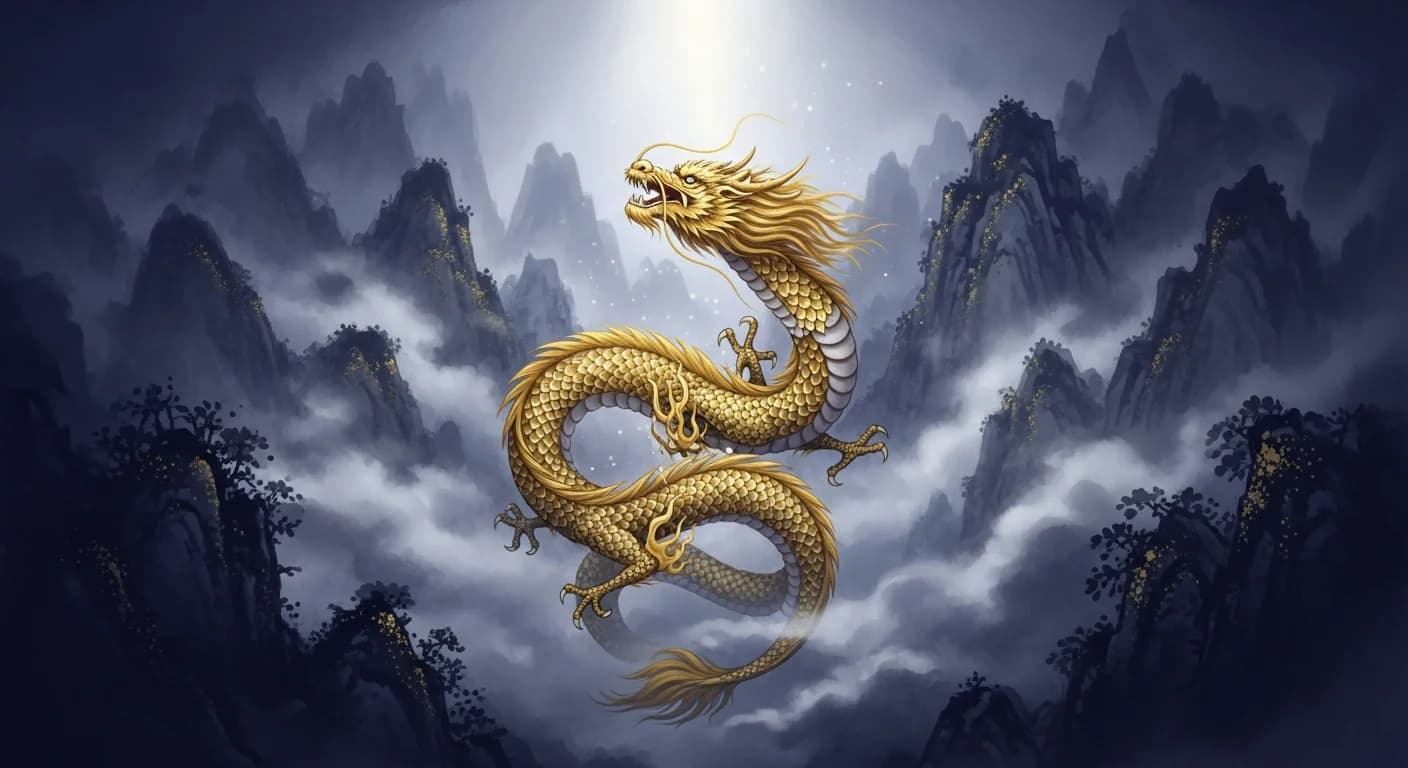
Dragon Dream Meaning — Korean Dream Interpretation Complete Guide
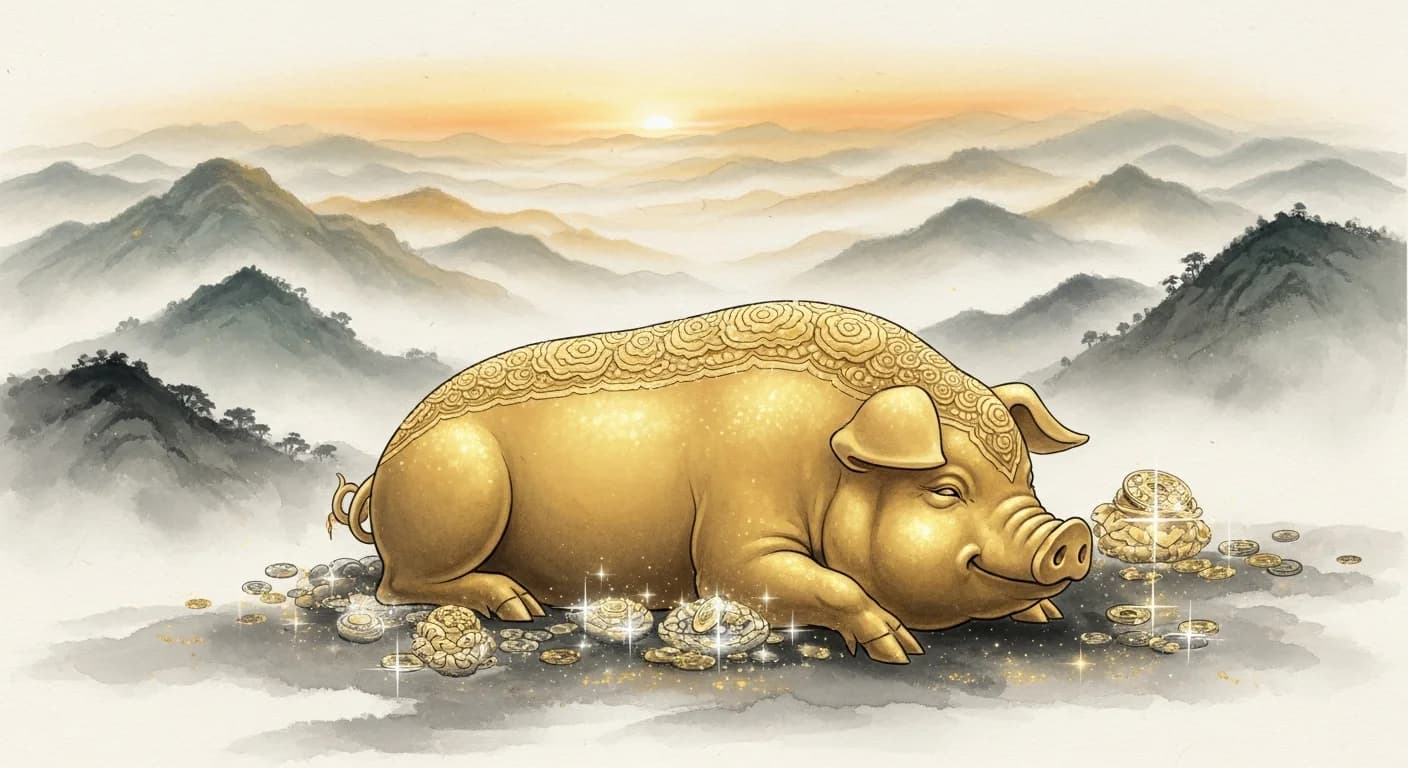
Pig Dream Meaning in Korean Culture — Good Luck or Warning?

Turtle Dream Meaning — Korean Dream Interpretation Guide

Fish Dream Meaning — Wealth, Luck, and What Korean Tradition Says

Tiger Dream Meaning — Korea's Most Powerful Dream Symbol