Dreaming of Waking Up — Korean Dream Meaning of False Awakenings, Sleep Paralysis & Lucid Dreams
If you dreamed of jolting awake from a nightmare last night, Korean dream tradition has surprisingly good news for you. The folk principle of 반몽 — the reversal belief that what you suffer in a dream becomes fortune in waking life — means a powerful nightmare followed by awakening is one of the strongest auspicious omens in Korean dream lore. But there's a crucial caveat: if you dreamed you woke up only to discover you were still dreaming, the message turns completely on its head. The same word, the same act of "waking" — yet two diametrically opposed meanings depending on what actually happened in your dream.
Waking from a Nightmare — A Powerful Auspicious Omen

In Korean dream interpretation (해몽), waking up from a frightening, dark, or painful dream scenario is one of the most powerful good omens (길몽) a person can experience. The underlying logic comes from 반몽 — the reversal principle deeply embedded in Korean folk tradition, which holds that the emotional content of a dream manifests in reality as its opposite.
This means the more intense the nightmare, the more significant the fortune awaiting you in waking life. For wealth and business (재물운), this dream signals that a stalled project, investment, or venture is approaching a turning point, or that unexpected income may arrive. For health (건강운), it suggests recovery from a chronic condition or a renewal of energy and vitality. In relationships (대인관계), it foretells the resolution of a longstanding conflict, or a misunderstanding finally coming to light.
The practical takeaway after this dream is not passive waiting, but active engagement — the door is opening, and you need to walk through it. Approach whatever challenge you've been facing with renewed confidence.
False Awakening Dreams — A Warning to Face the Truth
A false awakening is the experience of dreaming that you've woken up — going through the motions of rising, perhaps checking your phone or leaving bed — only to realize you are still inside a dream. When this happens repeatedly, Korean dream interpretation reads it as a cautionary omen (흉몽 signal) rather than a simple curiosity.
The core message is a warning about self-deception. This dream surfaces when we are seeing only what we want to see in waking life, or deliberately avoiding a truth that needs to be confronted. It may correlate with postponing an important decision, staying in a relationship or job situation you know is wrong, or not being honest with yourself about your emotional state.
False awakenings that co-occur with sleep paralysis (가위눌림) are interpreted as a sign that suppressed stress and mental exhaustion are nearing a critical point. If this is a recurring experience, your unconscious mind is urgently signaling that something in your waking life requires direct attention — not avoidance.
Waking via Lucid Dreaming — Inner Mastery
Becoming aware within a dream that you are dreaming, and then consciously choosing to wake yourself up, is a lucid dreaming (자각몽) experience that carries deeply positive psychological meaning.
In Korean dream interpretation, this is a symbol of exceptional self-awareness, clear judgment, and the inner capacity to redirect your circumstances no matter how entangled they feel. It's the unconscious confirming: you have more agency over your situation than you believe. Whether you are navigating a complex professional challenge, standing at a crossroads in a relationship, or working through a period of self-doubt, this dream affirms that the clarity and willpower to find your path are already within you.
It may also signal a readiness to shed old illusions, outdated beliefs, or false perceptions about yourself or your circumstances — entering a phase of clearer, more authentic self-understanding.
Dream Variations
Waking from a Nightmare
Waking from an intense nightmare is a powerful auspicious omen, symbolizing that you will overcome the fears or challenges confronting you in waking life. It signals that liberation from prolonged stress or oppression is near. Korean tradition holds that the more terrifying the dream, the greater the positive reversal awaiting you in reality.
False Awakening Dream — Believing You've Woken Up When Still Dreaming
Experiencing a false awakening — believing you've woken up when you haven't — is the unconscious warning that you may be seeing only what you want to see in waking life, or avoiding an important truth. It calls for honest self-reflection and the courage to confront whatever you have been deliberately looking away from.
Waking Up from Sleep Paralysis (가위눌림)
Breaking free from sleep paralysis within a dream reflects a powerful inner will to escape suppression or restriction in your life. It mirrors the psyche's struggle against an oppressive force — whether a controlling relationship, a stressful workplace, or internal emotional blocks. In Korean folk tradition, this was read as overcoming a malevolent spirit, making it a positive omen for health and fortune.
Dream Within a Dream (몽중몽) — Waking from a Nested Dream
A dream within a dream (몽중몽) — experiencing nested layers of dreaming and waking — symbolizes deep uncertainty about what is real versus illusory in your life. In Korean folk tradition, the content of the inner dream is thought to manifest in reality through a double reversal. The specific imagery and emotional tone of the dreams are considered the most important clues to its meaning.
Being Woken Up by Someone in a Dream
Being awakened by another person in a dream is an auspicious sign, suggesting that this individual — or someone like them — will bring a significant opportunity or meaningful connection into your waking life. It indicates that a helpful, guiding figure (귀인) is nearby. Korean tradition encourages staying receptive and open to the people around you at this time.
Waking Up via Lucid Dreaming
Realizing within a dream that you are dreaming and consciously choosing to wake up symbolizes strong willpower and the capacity to redirect your circumstances. It affirms that you possess the inner agency to take control in even the most tangled situations — a deeply empowering dream experience aligned with themes of self-determination and clarity.
Waking Up Refreshed in a Dream
Dreaming of waking up refreshed in a bright, pleasant morning is an auspicious omen signaling recovery of health, renewed energy, and improvement in relationships. It indicates the mind and body are recharged and ready to embrace a positive new chapter — an especially good sign for those beginning new projects or seeking new connections.
Waking Mid-Nightmare Due to Fear
Waking from a dream mid-nightmare due to overwhelming fear suggests the presence of a stress or threat in your waking life that feels unmanageable. The unconscious is signaling that avoidance is no longer working, and direct confrontation of the issue is needed. If this dream recurs, it points to a specific waking problem that requires your attention now.
Being Startled Awake by a Sound in a Dream
Being jolted awake by a sudden sound or shock within a dream hints at unexpected news or a sudden change arriving in waking life. This may represent either a positive or a challenging turning point, urging you to stay alert and adaptable to shifting circumstances. Unexpected contact or sudden opportunities may be on the horizon.
Cultural Context
In Korean traditional culture, dreams were far more than mere sleep phenomena — they were considered messages delivered by spirits, ancestors, or natural forces. The act of waking within a dream carries symbolic weight as crossing the threshold between the living world and the spirit realm.
Sleep paralysis (가위눌림) has been interpreted since antiquity as a supernatural assault. In the Joseon-era medical text Dongui Bogam (동의보감), it was described as 귀염 (鬼壓) — a demon pressing down on the body after the soul has temporarily departed during sleep. Waking from 가위눌림 was considered a triumph of vital life force over malevolent spirits, an omen of improved health and fortune going forward.
Korean folk practice also held that recounting inauspicious dreams before breakfast would make them come true — so those who woke from frightening dreams would deliberately stay silent, symbolically sealing away the bad omen. The act of waking from a disturbing dream, followed by deliberate silence about its contents, was itself a protective ritual that thousands of Korean households observed for generations. This tradition reveals how profoundly the boundary between sleep and waking was treated as a spiritually charged threshold in Korean culture.
Western Psychological Perspectives
Western psychology offers several compelling frameworks for understanding the experience of waking up within a dream — and they resonate with Korean folk wisdom in surprising ways.
From a Freudian perspective, waking up within a dream represents the activation of the dream's censorship mechanism. When dream content comes too close to expressing repressed desires or threatening material, the Ego defensively awakens consciousness to prevent direct exposure. Repeated false awakenings, in this view, reflect intense tension between conscious and unconscious forces and the strength of repressed inner conflict — not unlike the Korean interpretation of self-deception and avoidance.
Jungian analytical psychology offers a more affirming lens. Recognizing that you are dreaming and choosing to wake is read as a key symbol of individuation — the lifelong journey toward psychological wholeness. This moment represents the meeting point between the ego and the deeper Self, and the integration of unconscious content — including the Shadow — into conscious awareness. Jung would see this as a profoundly positive signal of inner growth and expanding self-understanding, echoing Korean tradition's reading of the lucid awakening as a sign of agency and mastery.
Modern sleep science explains false awakenings as a state of REM sleep hyperarousal — the brain simultaneously operating in waking and sleeping modes, allowing waking memories and routines to intrude into the dream state. Triggers include anxiety, sleep deprivation, unfamiliar environments, and active lucid dreaming practice. While generally harmless, recurring false awakenings can degrade sleep quality and blur memory formation, suggesting that addressing underlying stress is beneficial.
Looking even more broadly, Hindu and Buddhist philosophy treats awakening within sleep as a powerful metaphor for spiritual enlightenment — breaking free from maya (illusion) to perceive deeper reality. In Chinese traditional culture, dreaming of waking up is considered an auspicious omen foretelling the end of hardship. Across these traditions, waking within a dream universally signals transformation, self-realization, and liberation — a message that transcends any single culture.
Frequently Asked Questions
Dreaming of waking up is one of the most psychologically rich and culturally layered dream experiences you can have. In Korean tradition, it is a threshold moment — literally a crossing between the world of sleep and waking, between old circumstances and new ones. Wake from a nightmare, and fortune may be closer than you think. Wake in endless loops of false reality, and your unconscious is asking you to be honest with yourself. Wake by your own lucid awareness, and you are being reminded of the agency you already possess. Whatever form this dream takes for you, pay attention: something in your waking life is asking to be seen.
Related Dreams
Sleeping Dream Meaning — When Korean Tradition Says Rest Is a Sign
Being Strangled Dream Meaning — Suppression, Warning, and Paradoxical Rebirth

Falling Dream Meaning — Is It Always a Bad Omen?
Flying Dream Meaning in Korean Tradition — The Complete Interpretation Guide
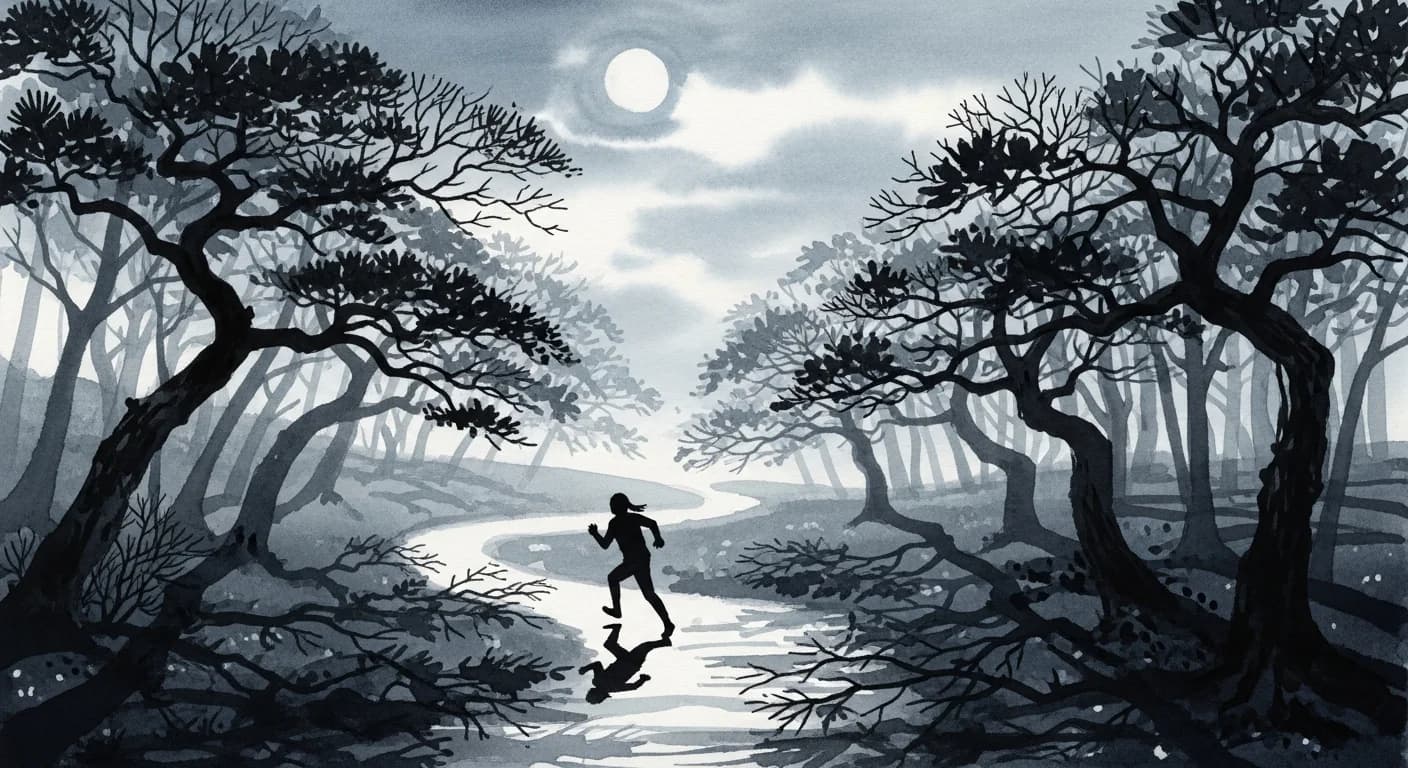
Being Chased Dream Meaning
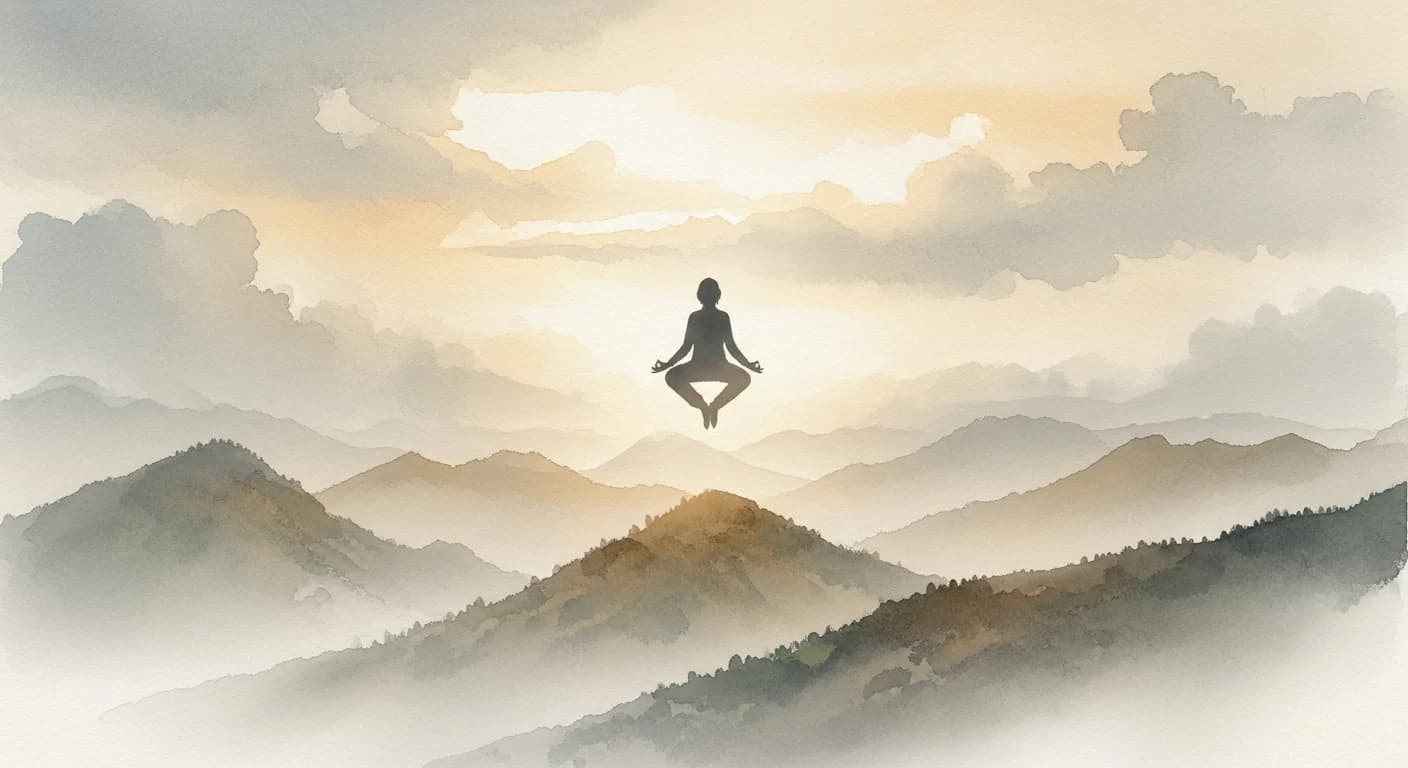
Floating in the Air Dream Meaning — Freedom, Fortune, and the Flip Side