Afterlife Dream Meaning — Korean Dream Interpretation of 저승, 저승사자, and 삼도천
Dreaming of the afterlife can be unsettling, but in Korean dream tradition, it is not always an omen of misfortune. The concept of 저승 — the Korean underworld — carries a rich symbolic weight shaped by centuries of Buddhist, Daoist, and shamanic belief. According to traditional dream lore, returning alive from the afterlife ranks among the most powerfully auspicious dreams a person can have, signaling the end of hardship and the dawn of a new chapter. The meaning shifts dramatically depending on what unfolds in the dream, so read on to find your specific scenario.
Auspicious Afterlife Dreams — Good Omens
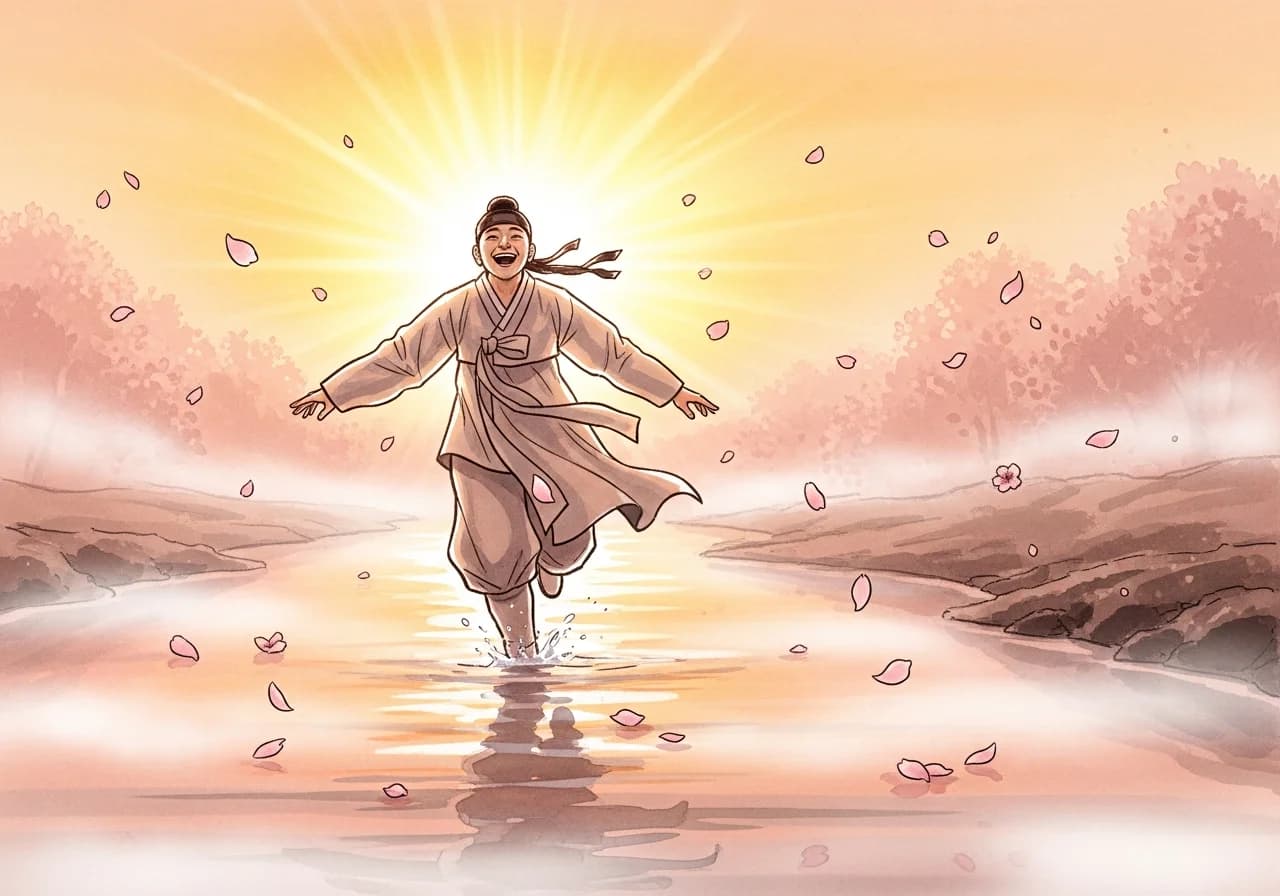
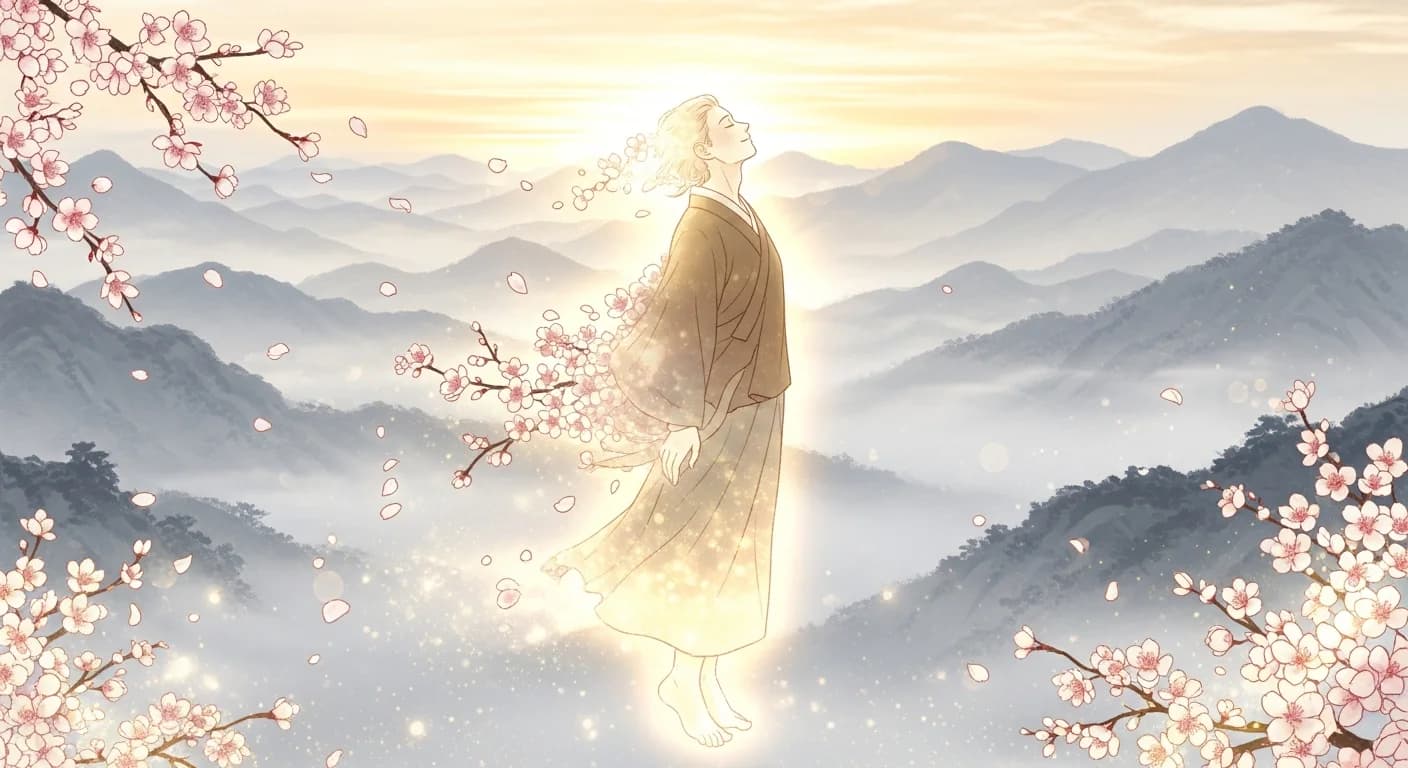
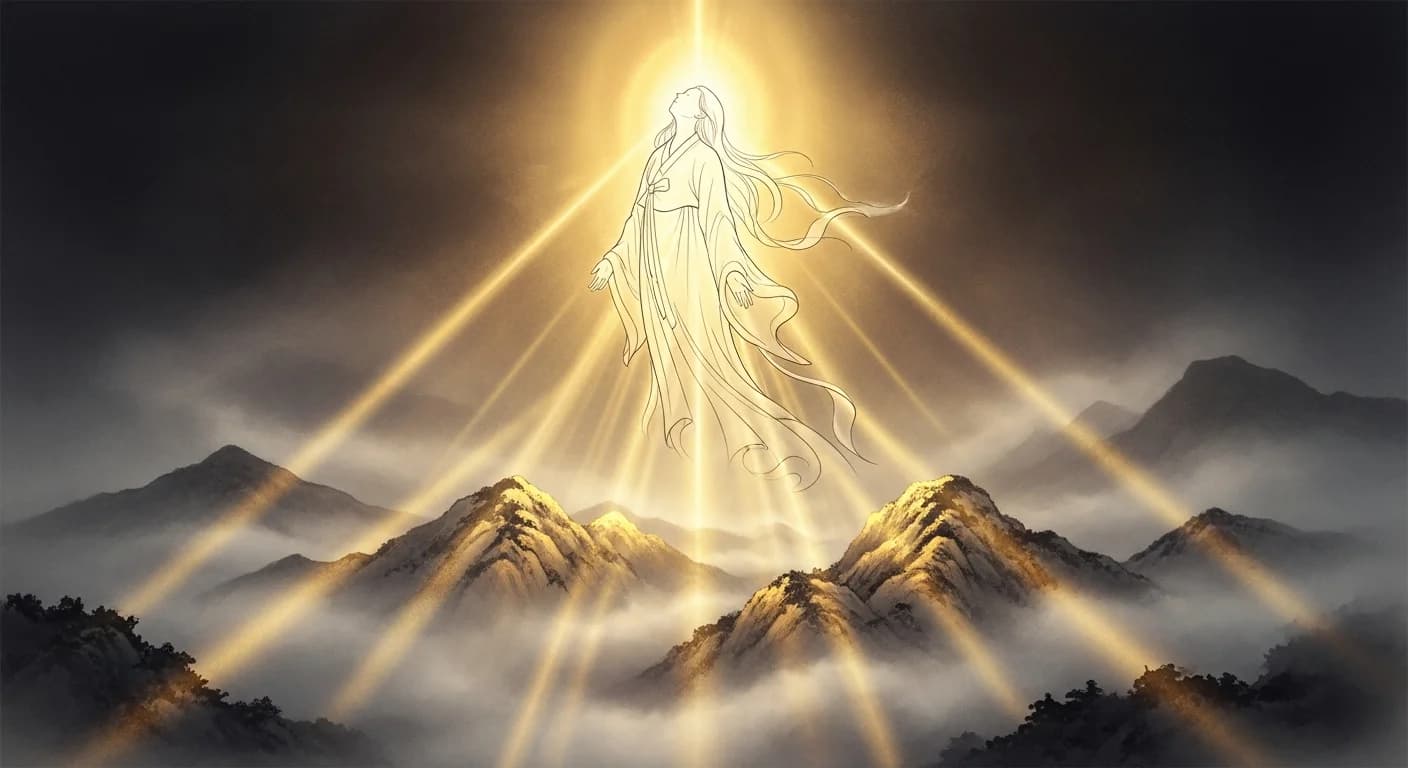
Returning alive from the afterlife is one of the strongest good omens in Korean dream interpretation. Crossing back from the threshold of death symbolizes overcoming a major crisis — expect health recovery, a breakthrough on a long-standing problem, or a significant positive turning point. Dreams of a death messenger (저승사자) descending from the sky are equally auspicious: they foretell rising social status, recognition, and the timely arrival of an influential person who will help you achieve your ambitions. Fighting and defeating the death messenger is also a good sign, meaning that current difficulties will be overcome through persistence. For those who are ill, this dream specifically points toward recovery.
Inauspicious Afterlife Dreams — Warnings to Heed

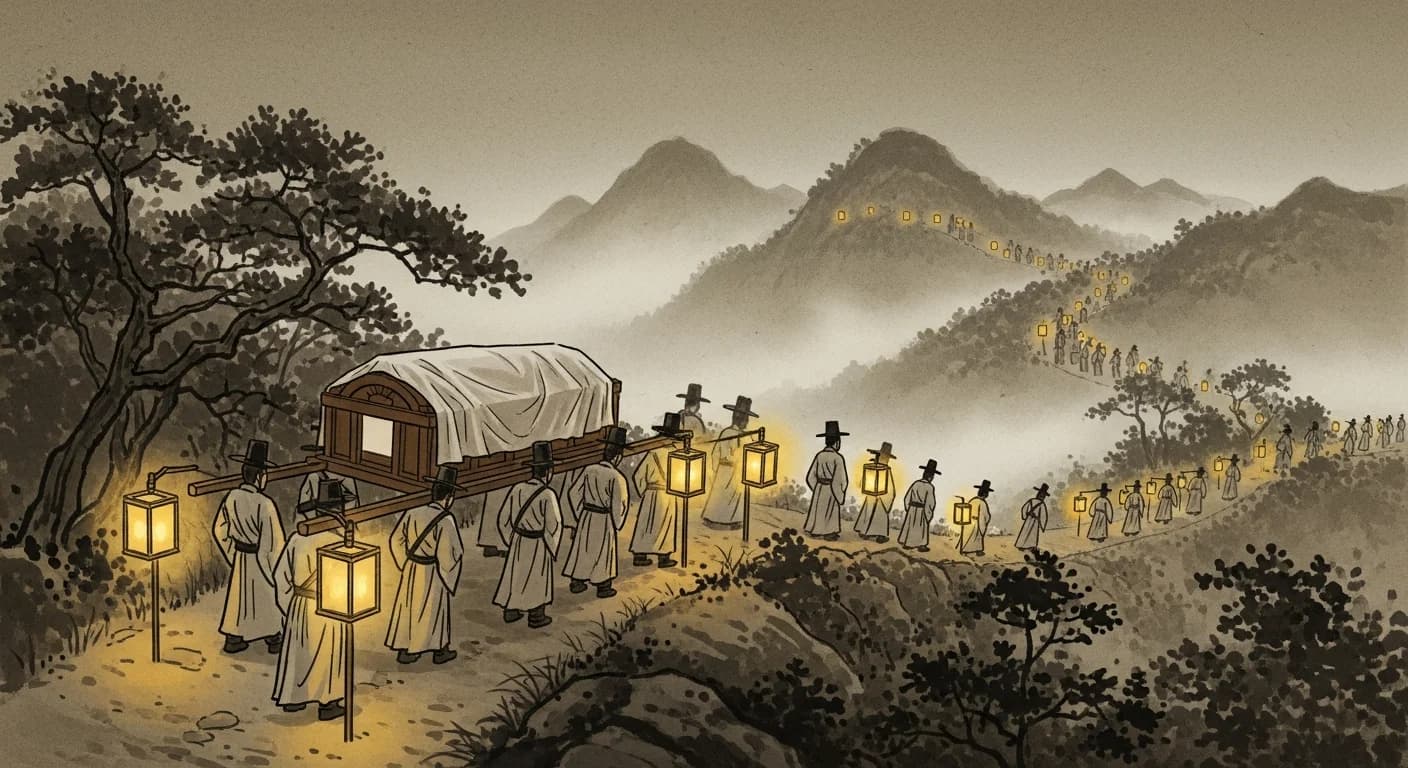
Willingly following the death messenger into the underworld is considered an inauspicious dream in Korean tradition. It warns of demotion or professional setback, serious health issues, or misfortune coming to a close family member. Boarding a vehicle (such as an airplane) alongside a death messenger is a particularly urgent health warning — this dream urges an immediate check-up and extra caution in daily life. Walking the bridge to the afterlife (삼도천) alongside the messenger suggests a period of stagnation: directionless days, low energy, and a need for meaningful renewal. It is a call to introduce change rather than drift.
Neutral Afterlife Dreams — Messages, Crossroads, and Reflection
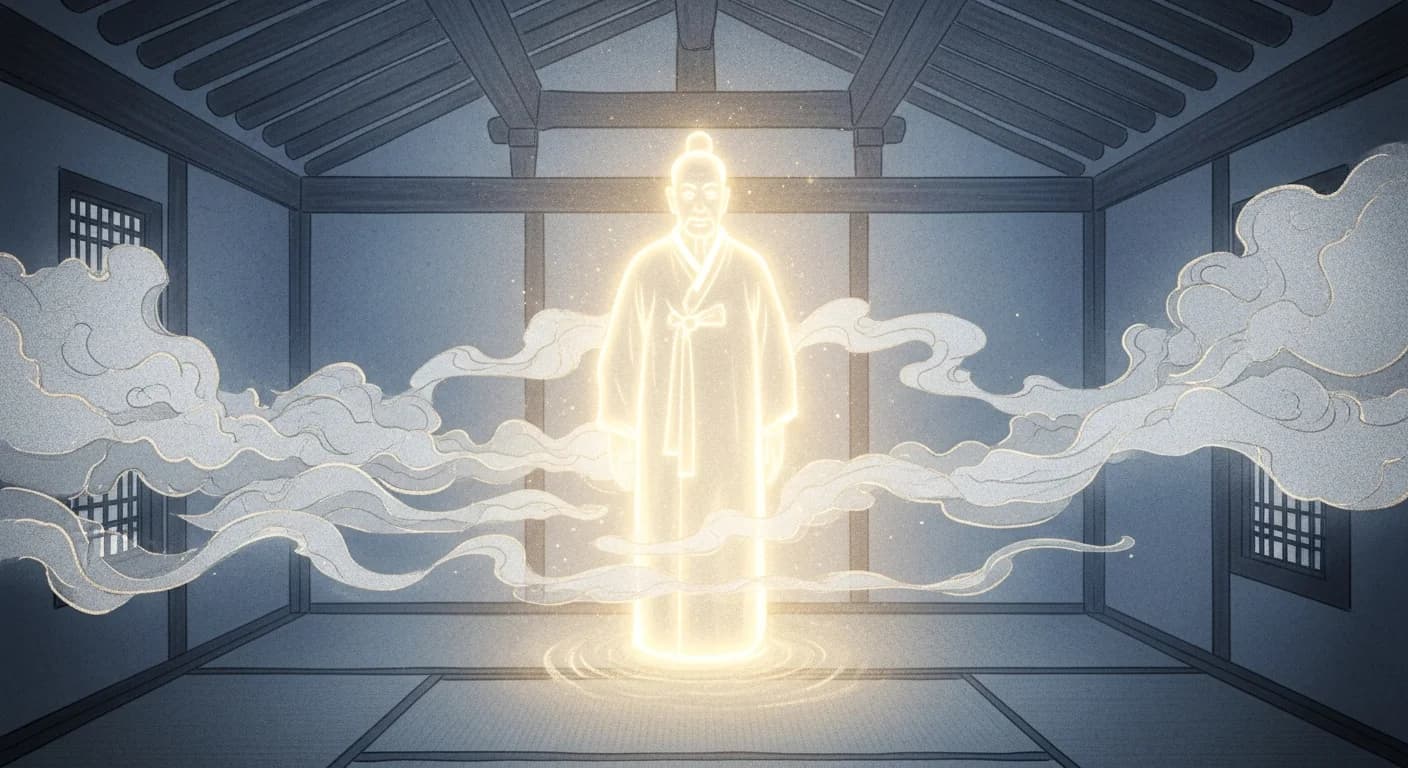
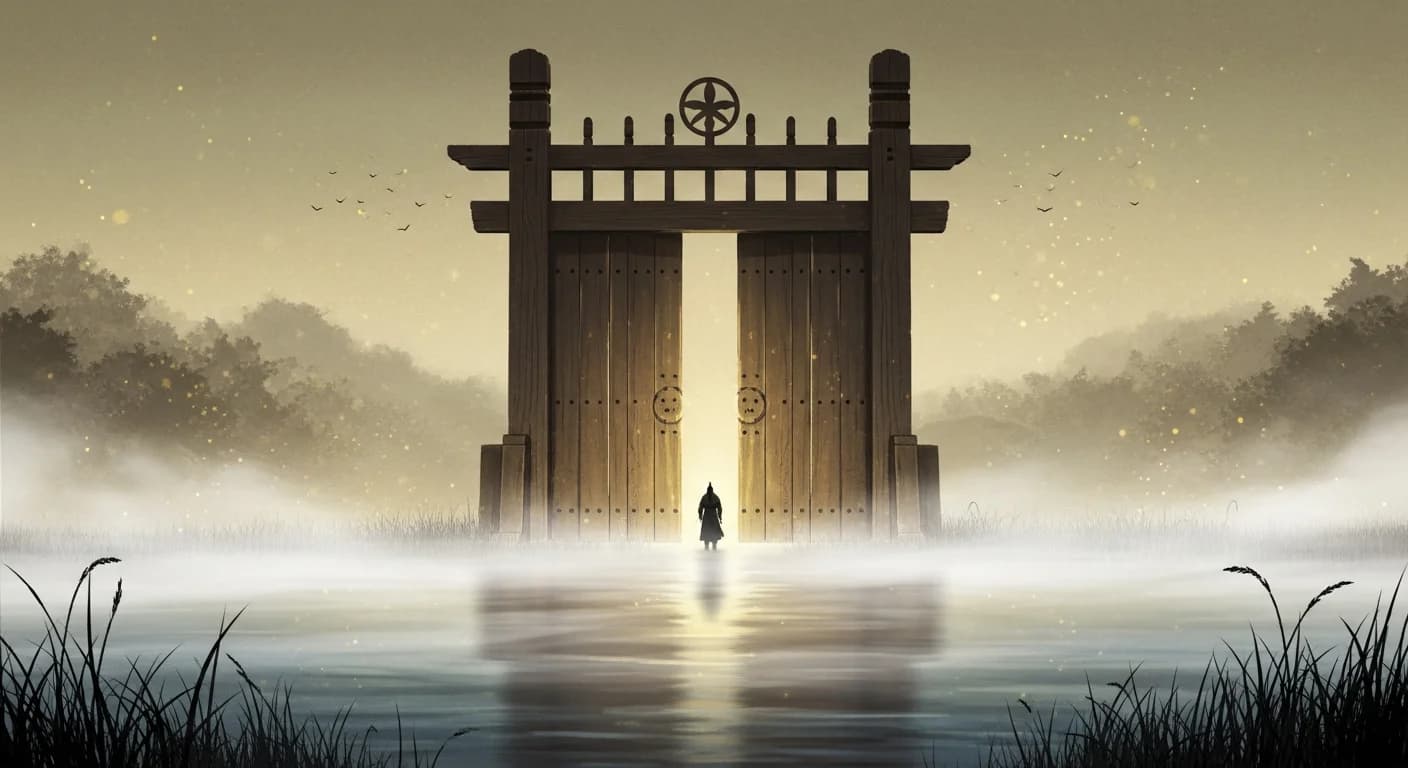
Touring the afterlife or meeting a deceased loved one within the underworld often expresses deep longing for the departed. In Korean shamanic tradition, such a dream may also represent an ancestral visitation — the deceased arriving with an important message for the living. If the ancestor appears joyful and at peace, good fortune is coming to the family. If they appear troubled or sorrowful, it may be a nudge to tend more carefully to ancestral rites and remembrance. Standing before the gate of the afterlife without entering reflects a pivotal crossroads in waking life: a tension between the desire to escape a current situation and the will to continue. This dream counsels patience and deliberate, unhurried decision-making.
Dream Variations
Dream of returning alive from the afterlife
A powerfully auspicious sign of overcoming crisis and recovering health. Long-standing difficulties are expected to resolve and a new chapter in life begins. Favorable outcomes in career, finances, or health are indicated.
Dream of following the death messenger
An inauspicious dream warning of demotion, health problems, or misfortune for someone close. Careful vigilance — especially a health check-up — is strongly advised.
Dream of death messenger descending from the sky
An auspicious dream foretelling success, fame, and wealth. Help from an influential person will arrive at the right time, enabling you to realize your ambitions.
Dream of fighting the death messenger
Signifies overcoming hardship and achieving one's goals through struggle. For those who are ill, this indicates recovery is on the way. It is broadly a positive signal that sustained effort will soon bear fruit.
Dream of receiving something from the death messenger
An auspicious sign of unexpected fortune or good luck. Receiving something from a death messenger in a dream foretells positive change and possibly a windfall.
Dream where the death messenger does not recognize you
A lucky sign indicating incoming wealth or avoidance of danger. It suggests that your time has not yet come, and fortune is on your side.
Dream of crossing the Samdo River (삼도천)
Symbolizes crossing a major life threshold. The Samdo River marks the boundary between the living and the dead; dreaming of crossing it represents a complete transformation and entry into a new phase. Whether auspicious or inauspicious depends on the overall mood of the dream.
Dream of meeting King Yama (염라대왕)
Passing Yama's judgment is an auspicious sign of restored honor and vindication in waking life. Being punished in the dream warns that difficulties will continue and prompts self-reflection on one's conduct.
Dream of meeting deceased family in the afterlife
Can express longing for the departed, or in Korean tradition represent an ancestral visitation with an important message. If the deceased appears cheerful and at peace, good fortune is coming to the family.
Dream of touring or observing the afterlife
Indicates a period of deep introspection and reconsideration of life's meaning. This dream suggests it is time to reflect seriously on the direction of one's current life path.
Cultural Context
Korean cosmology of the afterlife is a rich synthesis of Buddhist, Daoist, and indigenous shamanic (무속) beliefs. The underworld (저승 or 冥府) is not merely a resting place for the dead but a judicial court presided over by King Yama (염라대왕), where the deceased are judged according to their earthly deeds. The death messenger (저승사자) originates from Buddhist underworld iconography and serves as an official escort for departed souls. The Samdo River (삼도천), derived from the Buddhist concept of the three realms, marks the irreversible boundary between the living and the dead. Korean shamanism adds another layer: ancestral spirits are believed to communicate with the living through dreams, transforming afterlife dreams from mere symbols of fear into significant prophetic omens (예지몽). Korean afterlife folklore consistently reflects the moral conviction that good and evil deeds in the living world will be accounted for in the next, a belief that permeates the dream interpretation tradition surrounding the symbol of 저승.
Western Psychological Perspectives
Western psychological traditions offer several complementary lenses for understanding afterlife dreams. Freud interpreted death-themed dreams as expressions of the death drive (Thanatos) — the unconscious pull toward self-destruction and dissolution of tension. Dreaming of the afterlife may reflect an overwhelming desire to escape the pressures of waking life or to be released from a suffocating situation. From a Freudian perspective, the death messenger (저승사자) could represent an authoritarian superego figure, embodying guilt or inner judgment over forbidden desires pressing for release. Jung viewed underworld dreams as powerful archetypal imagery arising during the individuation process. The afterlife or underworld represents the Shadow — the unconscious contents of the psyche that have not yet been integrated into conscious awareness. The descent into the underworld symbolizes the psychic journey of confronting one's darker, repressed aspects. The death messenger embodies the universal archetype of death and rebirth, signaling that the old self must dissolve so that a more whole and mature self can emerge. This reading aligns surprisingly well with the Korean traditional interpretation of returning from the afterlife as a sign of personal renewal. Modern cognitive neuroscience links afterlife and death-themed dreams to everyday existential anxiety, major life transitions (career changes, relocation, relationship endings), or prolonged stress. The amygdala, highly active during REM sleep, generates threat-based scenarios — and the imagery of the underworld may be the brain's way of processing real-world fears in a safe metaphorical space. Recurring afterlife dreams are often seen in psychotherapy as a signal to address unresolved grief, loss, or deep emotional conflict. While Western interpretations primarily frame afterlife dreams as expressions of inner psychological conflict, Korean tradition treats the underworld as a real metaphysical space and emphasizes communal dimensions such as ancestral communication and prophetic forewarning. Both traditions ultimately converge on reading afterlife dreams as signals of profound personal transformation.
Frequently Asked Questions
Afterlife dreams may feel frightening, but Korean dream tradition reveals a nuanced landscape: some scenarios are among the most powerfully auspicious in the entire canon, while others carry genuine warnings worth heeding. The key is in the details — whether you returned from the underworld, followed the death messenger willingly, or simply stood at the gate. If you wake from an afterlife dream feeling unsettled, consider it an invitation to check in on your health, your relationships, and the direction of your life.