Attending a Funeral Dream — Why Korean Tradition Calls It Lucky
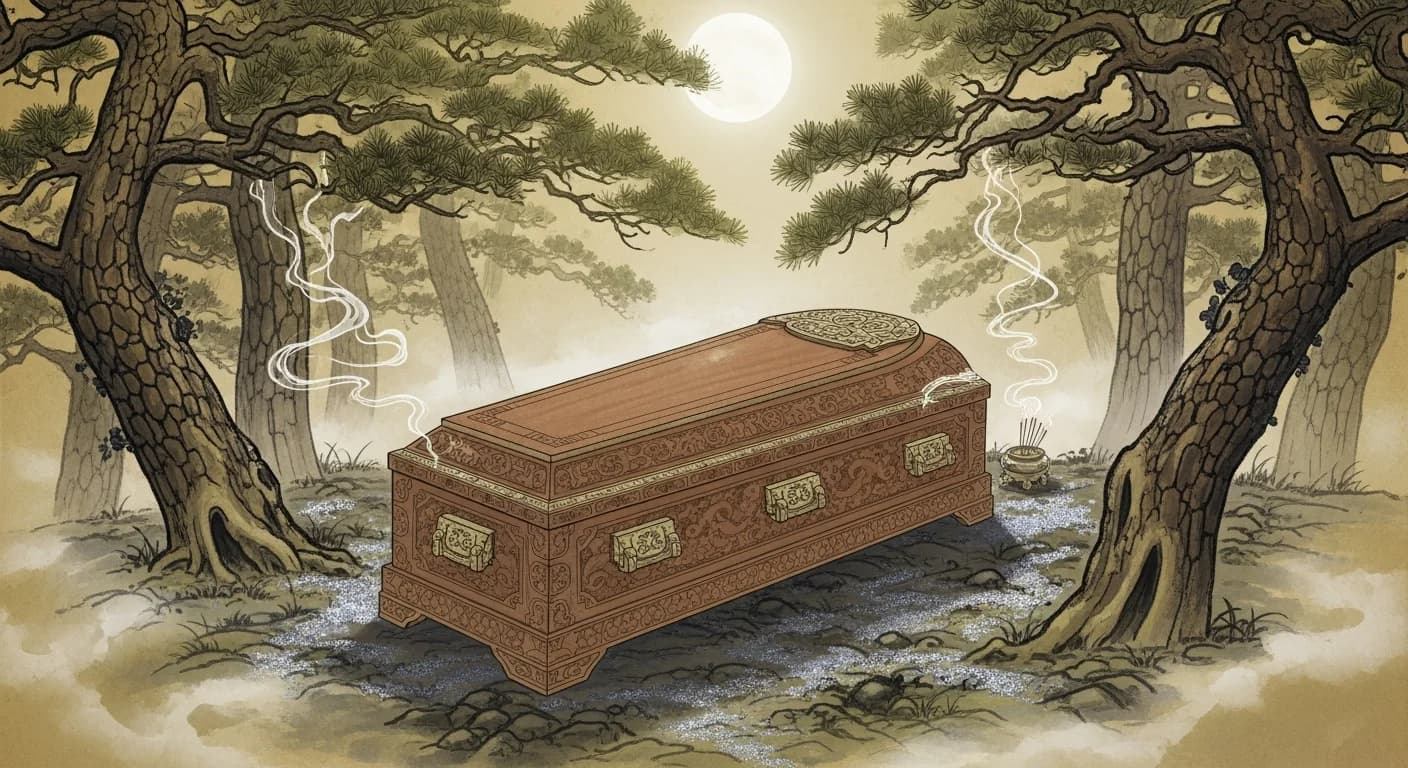
If you dreamed of attending a funeral last night, Korean dream tradition has surprisingly good news: this is one of the most auspicious (lucky) dreams you can have. In Korean 해몽 — the ancient art of dream interpretation — funerals represent not death but transformation, the opening of blocked paths, and the arrival of new fortune. The cultural logic is deep and consistent across centuries: death is not an ending but a gateway, and to witness it in a dream is to absorb its transformative energy. There is one important nuance, though — certain specific details within a funeral dream flip the interpretation entirely, and knowing the difference is everything.
Why Is a Funeral Dream Considered Lucky in Korea?
The auspicious interpretation of funeral dreams in Korea is rooted in a cyclical worldview shared across East Asian traditions: death is not a terminus but a transition into a new state of being. In Korean dream interpretation (꿈해몽), attending a funeral signals that long-stagnant matters in your life are finally breaking free and moving forward again. Persistent problems at work or in business that seemed impossible to solve will be dramatically resolved. Financial prosperity is on the horizon. If you have felt stuck for a long time, this dream is a powerful indicator that a major turning point is approaching. The more orderly and solemn the funeral in the dream, the stronger the positive signal.
Crying at a Funeral Dream — A Powerful Sign of Purification
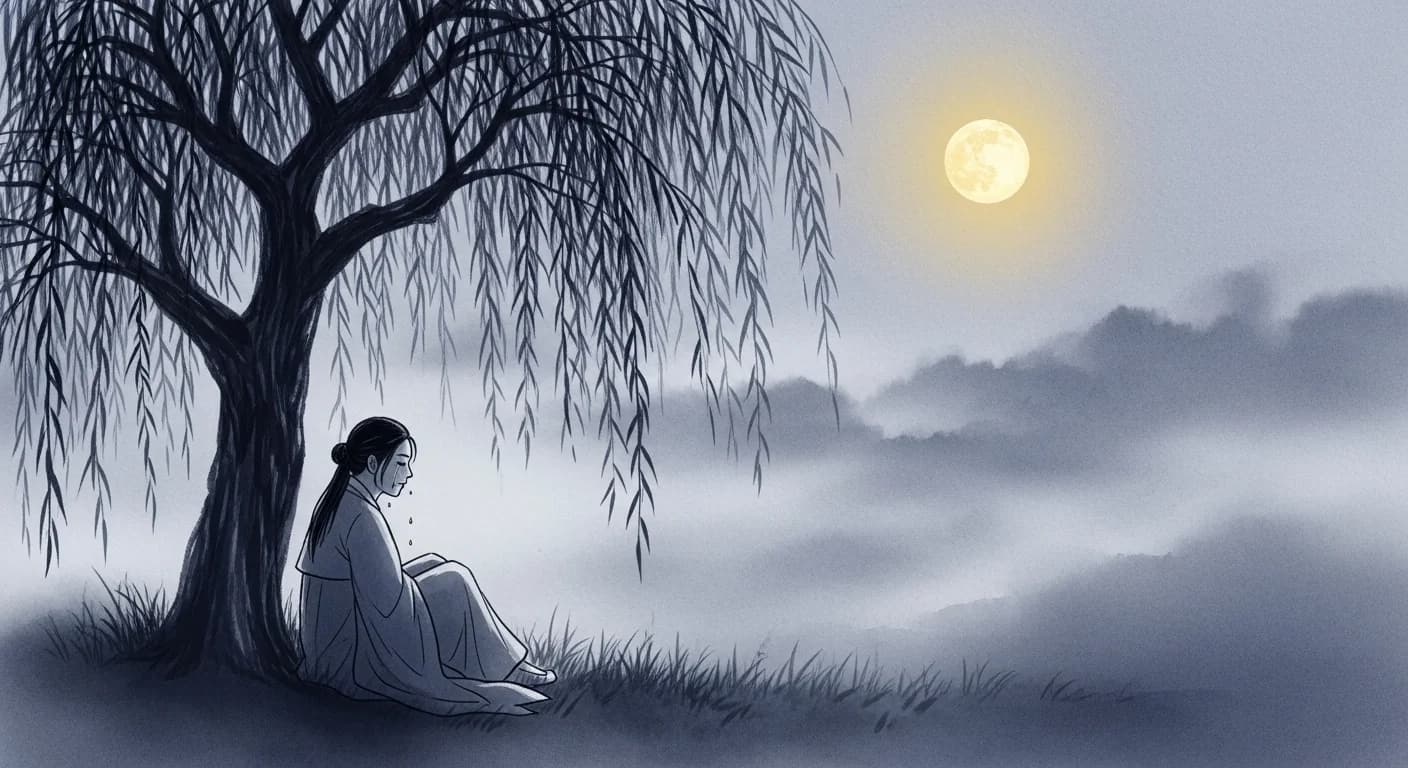
Among funeral dream variations, crying or wailing loudly at the funeral carries an especially potent auspicious meaning. In Korean dream symbolism, tears represent purification (정화) — the deep emotional and spiritual cleansing of accumulated worry, anxiety, and emotional burden. If you are currently going through a difficult period emotionally, weeping in a funeral dream is a strong signal that your circumstances are about to shift dramatically for the better. Particularly, crying at a stranger's funeral is associated with the arrival of joyful events and meaningful new connections in your life.
Financial Fortune — Condolence Money and Funeral Processions
Two specific funeral dream scenarios are directly tied to financial fortune in Korean interpretation. First, receiving condolence money (조의금) at a funeral foreshadows unexpected financial gains — bonuses, windfalls, or returns on investments arriving soon. Second, seeing a hearse or funeral procession (상여 행렬) signals that financial drains that have been quietly eroding your resources will be stopped and reversed, bringing significant gains. For business owners, this marks a period of flourishing; for employees, it is a turning point where unexpected losses get resolved. Note: the reverse — paying condolence money in a dream — carries the opposite, cautionary meaning.
When a Funeral Dream Is a Warning — Patterns to Watch
While the majority of funeral dreams are auspicious, certain specific details shift the interpretation to cautionary. Paying condolence money or handing over a funeral donation in a dream is a warning that current projects or business ventures may face hardship or financial losses — a signal to review important financial decisions carefully before acting. Seeing the deceased suddenly come back to life or rise up during the funeral suggests current endeavors may fail or reset to square one. And a funeral with an extremely gloomy, oppressive, eerie atmosphere (rather than solemn and orderly) can be a warning about family health or household difficulties.
Health and Relationships — Emotional Renewal and New Connections
Funeral dreams also carry meaning for emotional health and interpersonal relationships. The acts of mourning and expressing grief in a dream represent the release of suppressed stress and emotions that have been bottled up in waking life. If you have felt emotionally depleted, this dream can mark the natural beginning of recovery. On the relationship front, attending a stranger's funeral portends the arrival of a benefactor (귀인) — someone who will appear unexpectedly and provide meaningful help. New, significant connections are on their way.
Dream Variations
Dreaming of Attending Your Own Funeral
Dreaming that you have died and are attending your own funeral is one of the most powerfully auspicious dreams in Korean interpretation. It foretells a dramatic life reversal — major events such as landing a job, passing an important exam, or getting married are imminent. The symbolism is profound: shedding the old self entirely to be reborn as a new, better version of yourself. This is absolutely not a bad dream.
Parents' Funeral Dream
Dreaming of a parent's funeral signals auspicious events coming to the parents or rising financial fortune for the family. It may also indicate an approaching period of greater independence and maturity for the dreamer. If your parents are elderly or ill, pay extra attention to their health as a precautionary measure.
Stranger's Funeral Dream
Attending the funeral of someone you do not know in a dream suggests unexpected windfall, the arrival of a benefactor, or even a birth omen (태몽) — foreshadowing the birth of a precious child. New connections and opportunities are arriving, and unexpected good fortune in business or career is on the way. An especially positive signal for those beginning something new.
Crying at a Funeral Dream
An auspicious dream foretelling that deep worries and concerns will all dissolve. Tears in the dream symbolize emotional purification — difficult real-life circumstances will soon be resolved. Crying at a stranger's funeral in particular predicts joyful events to come soon.
Wearing Mourning Clothes Dream
Wearing traditional Korean mourning clothes (상복) in a dream signals that luck which has been at its lowest point is finally about to break open. A long-stagnant fortune is reactivating, bringing financial gains and joyful news. The difficult chapter is closing and a new one is about to begin.
Receiving Condolence Money at a Funeral Dream
A very auspicious dream directly signaling a major rise in financial fortune. Unexpected monetary gains — bonuses, windfalls, investment returns — are coming in the near future. One of the clearest financial-fortune signals in Korean funeral dream interpretation.
Paying Condolence Money Dream
A cautionary dream. Paying or handing over condolence money warns that current projects or business ventures may encounter difficulty or financial loss. Review important financial decisions carefully and avoid major speculative moves in the near term.
Eating Food at a Funeral Dream
Eating traditional funeral foods such as 육개장 (spicy beef soup) or 보쌈 (steamed pork) at a funeral home in a dream is an auspicious sign that long-standing worries will be satisfyingly resolved, and financial gain or career advancement is on the way. The act of eating symbolizes receiving and absorbing good fortune.
Seeing a Hearse Dream
Seeing a hearse or a formal funeral procession symbolizes that financial losses which have been slowly draining your resources will be stopped and reversed, bringing significant gains. For business owners, a period of great success is ahead; for employees, a turning point resolving unexpected losses.
Lover's Funeral Dream
Dreaming of a romantic partner's funeral is an auspicious sign in Korean interpretation, suggesting the relationship may advance to marriage or pregnancy. It symbolizes a significant deepening of the relationship and an important turning point for the couple.
Celebrity's Funeral Dream
Attending a famous or socially prominent person's funeral in a dream signifies that consistent hard work will gain social recognition and attention. An opportunity to stand out in your field or area of expertise is being prepared for you.
Preparing a Funeral Dream
Dreaming of organizing or helping to conduct a funeral signals a time of major shifts in core values and life direction. It symbolizes the process of letting go of old habits and rigid ways of thinking to mature and grow as a person — an internal transformation dream.
Cultural Context
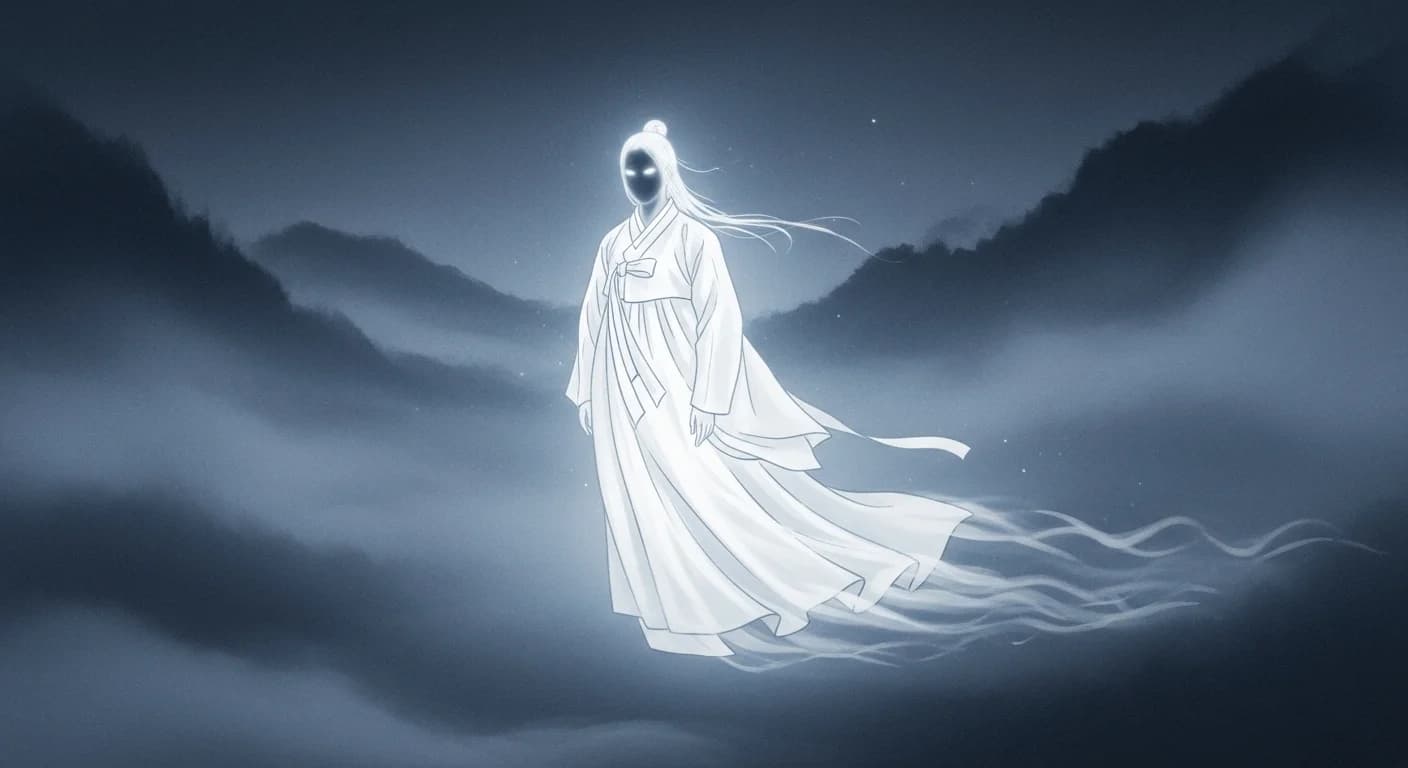
Korean funeral culture is a rich blend of Confucian, Buddhist, and shamanistic traditions that have evolved together over millennia into a uniquely Korean heritage. Traditionally, Korean funerals (장례) are held over three days, with the chief mourner (상주) receiving visitors while wearing white or black mourning clothes (상복). The ritual wailing (곡소리) performed by mourners was understood as a culturally proper expression of deep grief — crying loudly was considered the respectful way to send off the deceased with sincerity. On the third day after burial, a ceremony called 삼우제 was performed to pray for the soul's peaceful passage to the afterlife. In Buddhist tradition, 49-day memorial services (49일재), held every seventh day, were observed to wish the departed a peaceful rebirth in paradise. The funeral procession (상여), guided by pallbearers who sang ceremonial songs called 상여소리, was a solemn community ritual that united neighbors in collective mourning — death was never simply a private family matter but a shared communal experience. The reason funeral dreams are traditionally interpreted as auspicious in Korean dream culture traces back to the worldview that death is not an ending but a journey into a new world. This transition, witnessed in a dream, is understood to open new possibilities for the living person who experiences the vision.
Western Psychological Perspectives
Western psychology offers several fascinating frameworks for understanding funeral dreams, each surprisingly resonant with Korean traditional interpretation.
From a Freudian perspective, funeral dreams are understood as suppressed death drives (Thanatos) or unresolved grief surfacing from the unconscious. Dreaming of a close person's funeral may reflect ambivalent feelings — a complex mixture of love and hostility — being processed in the unconscious mind. Dreaming of one's own funeral can symbolize anxiety about ego dissolution or a repressed desire to escape current roles and relationships — a form of wish fulfillment wrapped in the imagery of death.
Jungian psychology takes a far more affirmative view, one that aligns remarkably well with Korean tradition. Funeral dreams are core symbols of the individuation process — the lifelong journey toward psychological wholeness. Death in a dream represents the dissolution of an old ego-structure, making space for a more mature and authentic self to emerge. Attending a funeral enacts a rite of transformation within the collective unconscious, giving the dreamer an opportunity to connect with a broader inner world and emerge renewed. Jung would have found little surprise in the Korean auspicious interpretation.
Modern psychology and cognitive science frame funeral dreams as the brain's natural processing of changes, losses, or significant transitions experienced in daily life. Dreams serve functions of emotional regulation and memory integration; the powerful social ritual imagery of a funeral sends a psychological signal that something in life needs to be 'concluded' before moving forward. Far from pathological, funeral dreams in this framework are evidence of healthy psychological recalibration — the mind doing what it needs to do.
Across world cultures, the symbolic overlap is striking. Mexico's Día de los Muertos (Day of the Dead) frames death as celebration and connection rather than final ending. Many indigenous traditions worldwide interpret funeral dreams as communication with the spirit world or ancestral protection. Throughout East Asia, funeral-related dreams are broadly considered auspicious — a reflection of the cyclical worldview where death gives way to rebirth, contrasting with the more linear Western conception of death as terminus. The Korean tradition stands in excellent company.
Frequently Asked Questions
Funeral dreams may feel unsettling in the moment, but in the rich tradition of Korean dream interpretation (꿈해몽), they are among the most auspicious signs you can receive. They signal that blocked paths are opening, financial fortune is rising, and a meaningful life transformation is underway. Pay attention to the details — receiving vs. paying condolence money, the atmosphere of the funeral, and whose funeral it is — as these nuances shape the specific meaning. If you dreamed of a funeral, rather than feeling fear, consider welcoming it as a signal that a new chapter in your life is about to begin.