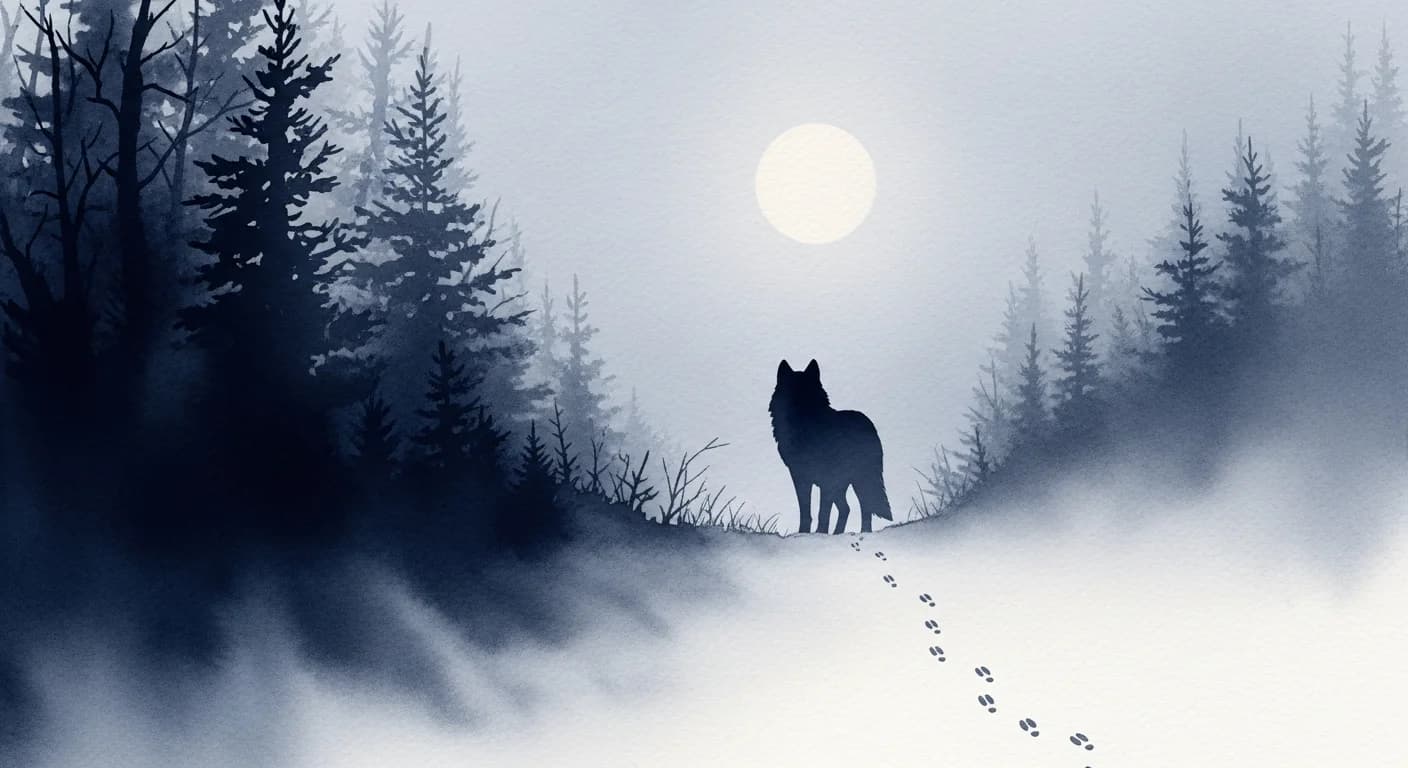
Being Chased by a Wolf Dream Meaning
If you dreamed of being chased by a wolf and managed to escape, Korean dream tradition has a clear message: you have the inner strength to overcome whatever is pressing down on you right now. In Korean folk dream interpretation (해몽), surviving a predator's pursuit has long been read as a positive omen — an announcement that a difficult chapter is about to end on your terms. Here's the thing worth knowing — whether you escaped, got caught, or turned to face the wolf completely changes the interpretation.
Inauspicious: Being Relentlessly Chased
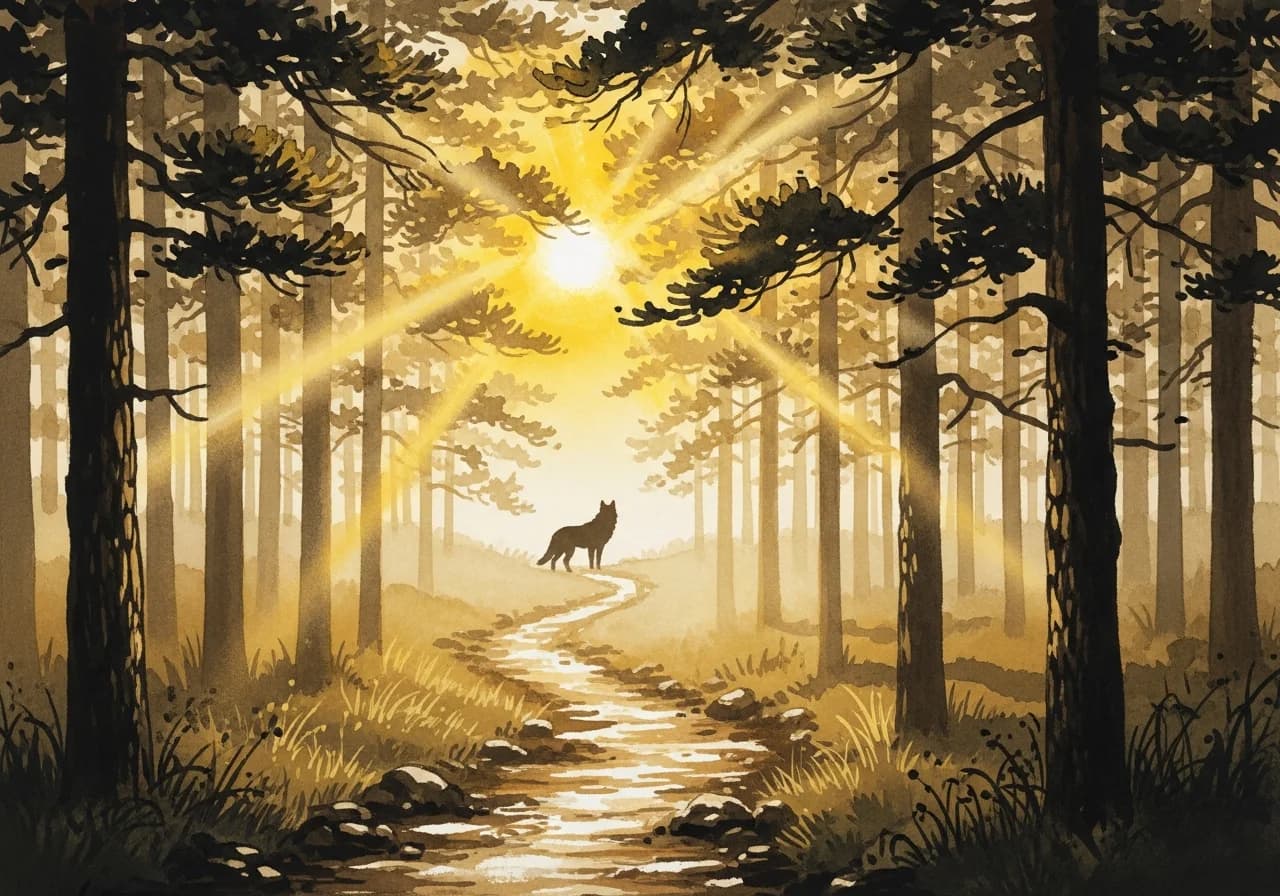
When you are chased throughout the dream without escape — legs heavy, breath short, no exit in sight — Korean dream interpretation classifies this as an inauspicious sign. It warns of approaching difficulty that will be hard to resolve alone: intensifying workplace competition, deepening interpersonal conflict, or financial pressure building in the background. The helplessness and fear you feel in the dream closely mirrors your psychological state in waking life. If this resonates, it is worth asking yourself what problem you have been actively avoiding.
Auspicious: Escaping or Confronting the Wolf
Successfully outrunning the wolf, or gathering the courage to turn and drive it away, is a strongly positive dream in Korean tradition. It signals that you possess the resources to handle your current hardship, and that your circumstances will improve significantly after the trial. Turning to confront the wolf is especially meaningful — it represents readiness to face a long-avoided person or situation head-on, and the dream suggests that doing so will elevate your standing or reputation.
Paradoxically Auspicious: Being Caught
Being caught by the wolf is not automatically a bad sign. If the moment of capture is followed by a feeling of release, lightness, or transformation, Korean dream interpretation reads this as a paradoxical auspicious omen — you are ready to let go of an old identity or attachment and begin something new. The catch: if the dream ends in pure, unrelenting terror with no sense of release, it carries the stronger warning of an imminent real-life threat.
Recurring Chase Dreams: A Message from the Subconscious
When the same chase dream returns night after night, the message shifts from omen to psychology. Recurring chase dreams in Korean tradition are interpreted as the subconscious urging you to stop avoiding an unresolved conflict or emotion. The dream will keep coming back until the underlying issue is addressed. Identifying the real-life source of the pressure — and taking even one step toward resolving it — is the most effective way to end the cycle.
Dream Variations
Escaping from a Chasing Wolf Dream
One of the most directly auspicious wolf dream scenarios. It symbolizes your capacity to get through a crisis under your own power. Current worries and pressures will gradually ease, self-confidence will return, and you may outpace a professional rival or navigate a major obstacle in work or business.
Being Caught by a Chasing Wolf Dream
Paradoxically, this can herald a new beginning — signaling that it is time to release old habits or attachments and embrace transformation and growth. If the overriding feeling is sheer terror with no sense of release, however, it may warn of a real and imminent threat in waking life.
Turning to Face the Wolf Dream
A strongly auspicious dream symbolizing courage and resolve. It means you are ready to confront a long-avoided problem or person head-on in waking life. Korean dream interpretation suggests that courageous action taken after this dream is likely to elevate your standing or reputation.
Chased by a Wolf Pack Dream
Symbolizes pressure from a group, organization, or social circle rather than an individual. Warns of collective workplace conflict, social isolation, or multiple problems converging at once. The dream advises that you cannot handle this situation alone — seeking a trustworthy ally is the right move.
Chased by a Lone Wolf Dream
Personifies pressure or threat from a specific individual — a rival, a superior, or an authority figure. Suggests that conflict with this person may soon surface. Taking precautions or proactively seeking a resolution through direct dialogue is advisable.
Hiding from a Wolf Dream
Strongly reflects an avoidance mindset. Warns that you are postponing a problem or responsibility you must face. Successfully hiding signals a temporary reprieve; being discovered by the wolf signals that avoidance can no longer protect you.
Chased by a White Wolf Dream
In Korean tradition, white simultaneously symbolizes purity, the sacred, and warning. Being chased by a white wolf suggests that a divine presence or your own conscience is applying pressure — a signal that you stand before an important moral or spiritual crossroads.
Chased by a Black Wolf Dream
Symbolizes darkness and an unseen threat. Represents hidden dangers, potential betrayal, or fear arising from an unacknowledged dark impulse within yourself. Classified as inauspicious in Korean dream tradition.
Cultural Context
In Korean and broader East Asian tradition, the wolf carries a dual symbolic identity that shapes how wolf dreams are interpreted. On one side it was revered as a spirit animal representing raw power, pack instinct, and the laws of nature; on the other, it was feared as a predatory beast threatening villages and livestock. In Korean folk dream interpretation, wolf dreams are broadly categorized as symbolizing threat, but the degree of auspiciousness shifts dramatically based on how the dream ends. Chase dreams in particular are read as projections of unresolved conflict or a problem being actively avoided in waking life. Korean folk tradition held that confronting and defeating an animal in a dream foretold strength and success in waking reality — which is why turning to face the wolf is the most positively interpreted scenario. Mountain village oral traditions also treated wolf dreams as a warning to act cautiously and avoid rushing into important decisions.
Western Psychological Perspectives
Western psychology offers a rich and multi-layered reading of being chased by a wolf in a dream.
From a Freudian perspective, chase dreams represent the externalization of repressed desires or guilt in the form of a pursuer. The wolf may symbolize uncontrolled aggressive drives or sexual energy, while the act of fleeing represents the ego's defense mechanism working to keep those impulses suppressed from consciousness. Freud's famous 'Wolf Man' case — his analysis of a patient whose childhood trauma fused with wolf imagery to create an archetypal fear — remains the foundational text on animal chase dreams in psychoanalytic literature.
Jungian psychology reads the wolf as the Shadow archetype: the dark, unacknowledged side of the self that one refuses to own. Being chased signals that repressed instincts, anger, or desires are threatening to overwhelm conscious awareness. Crucially, Jung did not view such dreams as purely negative. He interpreted them as a psychological invitation toward individuation — the integration of the whole self, including its dark dimensions. In this reading, turning to face the wolf is not merely an act of bravery; it is the pivotal step of self-integration that moves a person toward genuine wholeness.
Modern cognitive science approaches the same phenomenon through Threat Simulation Theory. The brain uses sleep to rehearse responses to unresolved stress and conflict from waking life, strengthening coping capacity. A wolf-chase dream is typically workplace stress, interpersonal conflict, or deadline pressure projected into animal form. When the dream recurs, it signals that the underlying stressor needs direct psychological attention — the brain has run the simulation and found no resolution.
Across cultures, the wolf occupies a fascinating and contradictory position. Western folklore brands it a symbol of deception and threat through fairy tales like Little Red Riding Hood, while Norse mythology's Fenrir frames it as a force of cosmic destruction. Yet Roman founding myth portrays the she-wolf that nursed Romulus and Remus as a protector and symbol of strength. This tension between threat and guardianship means that the dreamer's cultural background genuinely shapes what a wolf encounter signifies — making the Korean emphasis on the dream's outcome a uniquely practical and nuanced interpretive framework.
Frequently Asked Questions
A wolf-chase dream is one of the more psychologically honest dreams you can have — it shows you exactly where the pressure in your life is pointing. If you escaped, trust that strength. If you turned and faced it, act on that readiness in waking life. And if the wolf keeps coming back, that is not a curse; it is a persistent reminder that something real is waiting for your attention. Korean dream tradition, at its core, treats these dreams not as fate but as information.
Related Dreams
Wolf Dream Meaning in Korean Interpretation — Warning, Power, and Victory

Chased by Bear Dream Meaning — Korean Interpretation Guide
Dream of Being Chased by an Animal — Korean Interpretation by Animal Type and Outcome
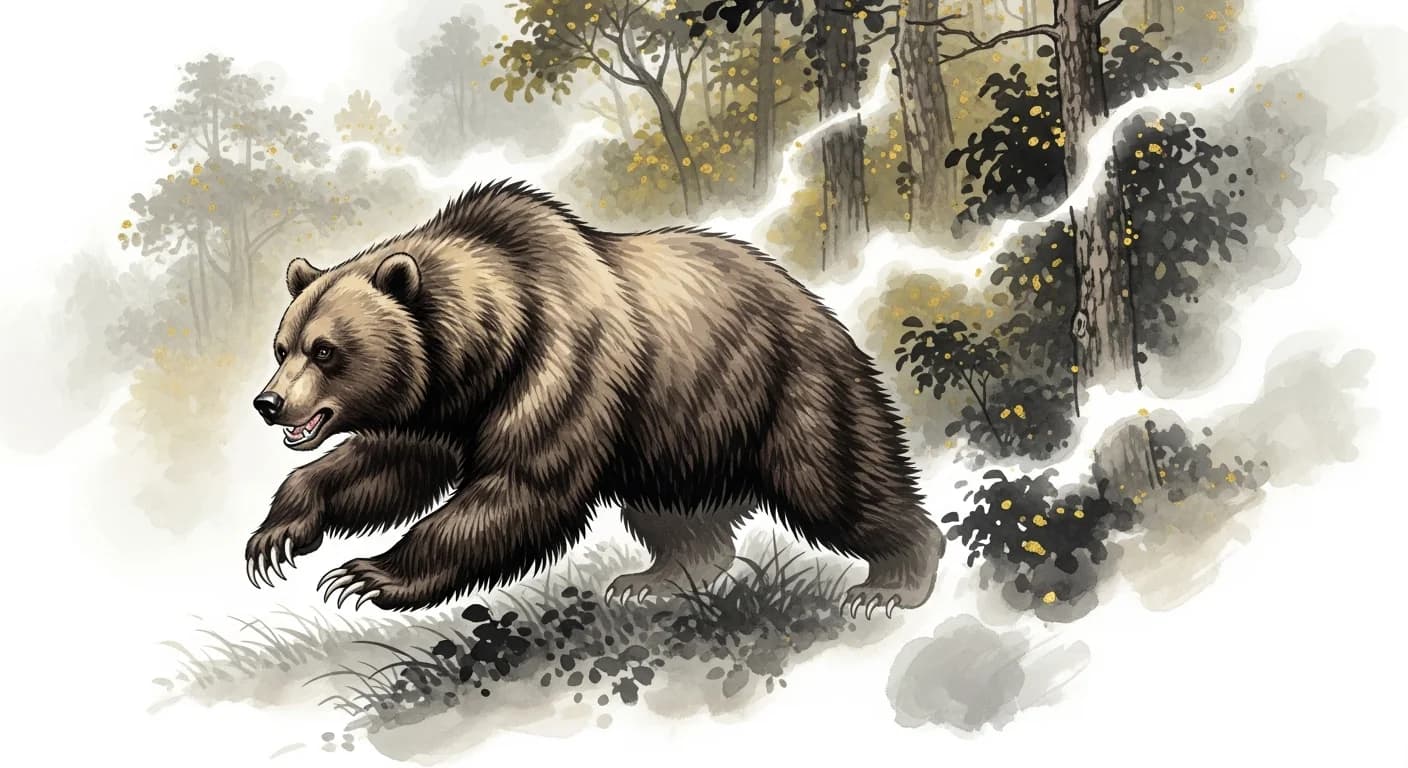
Bear Attacking Dream Meaning (Korean Dream Interpretation)
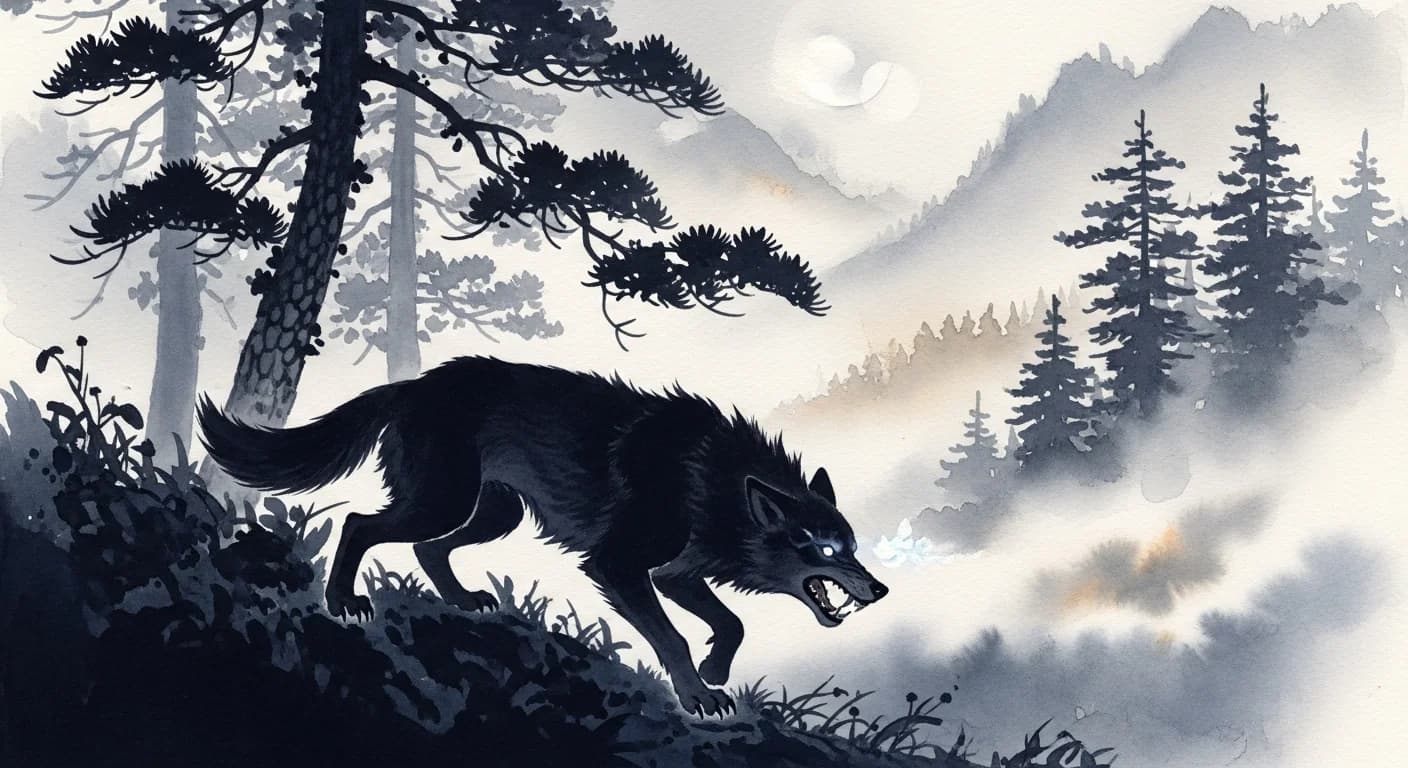
Wolf Attacking Dream Meaning — A Warning About Hidden Adversaries
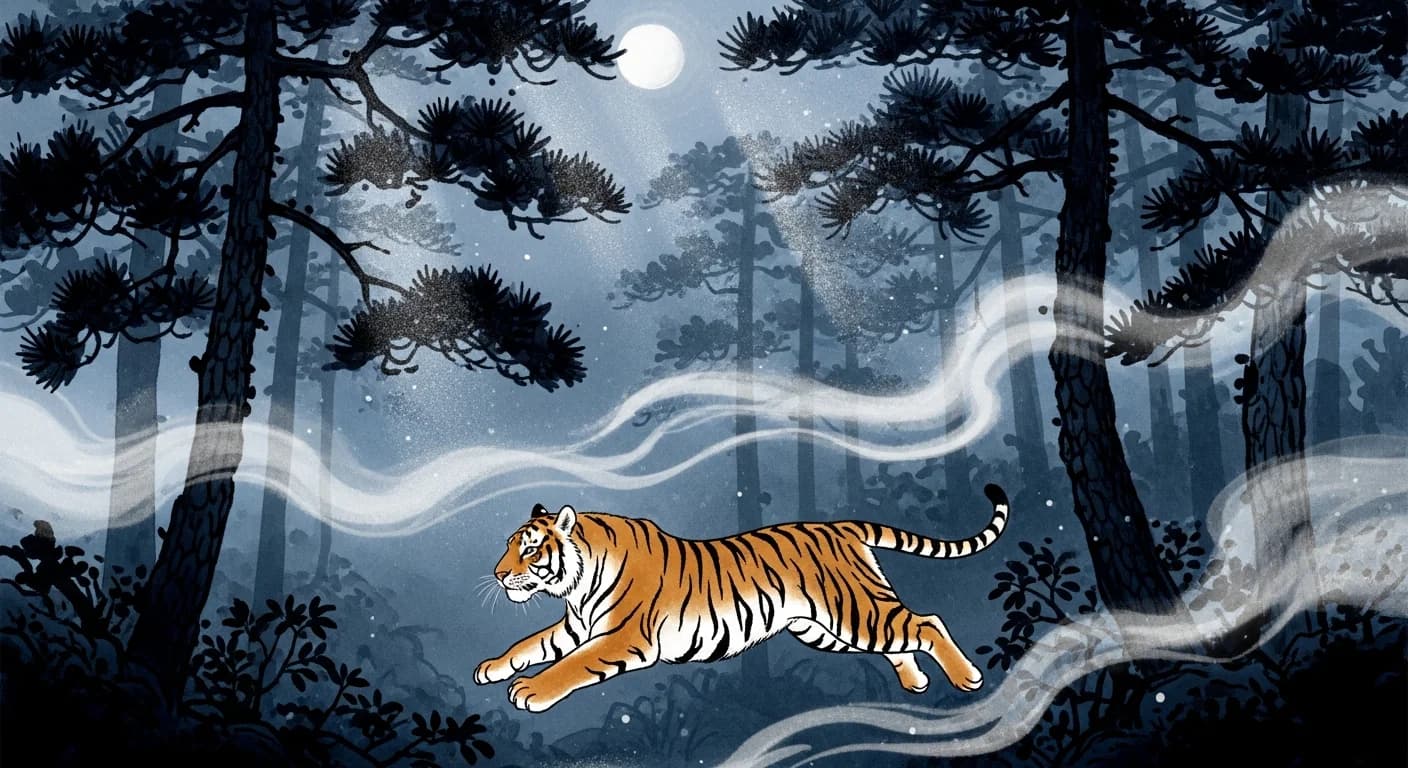
Chased by Tiger Dream Meaning — Good Omen or Bad?