Dreaming of a Dead Person — What Korean Dream Tradition Tells You
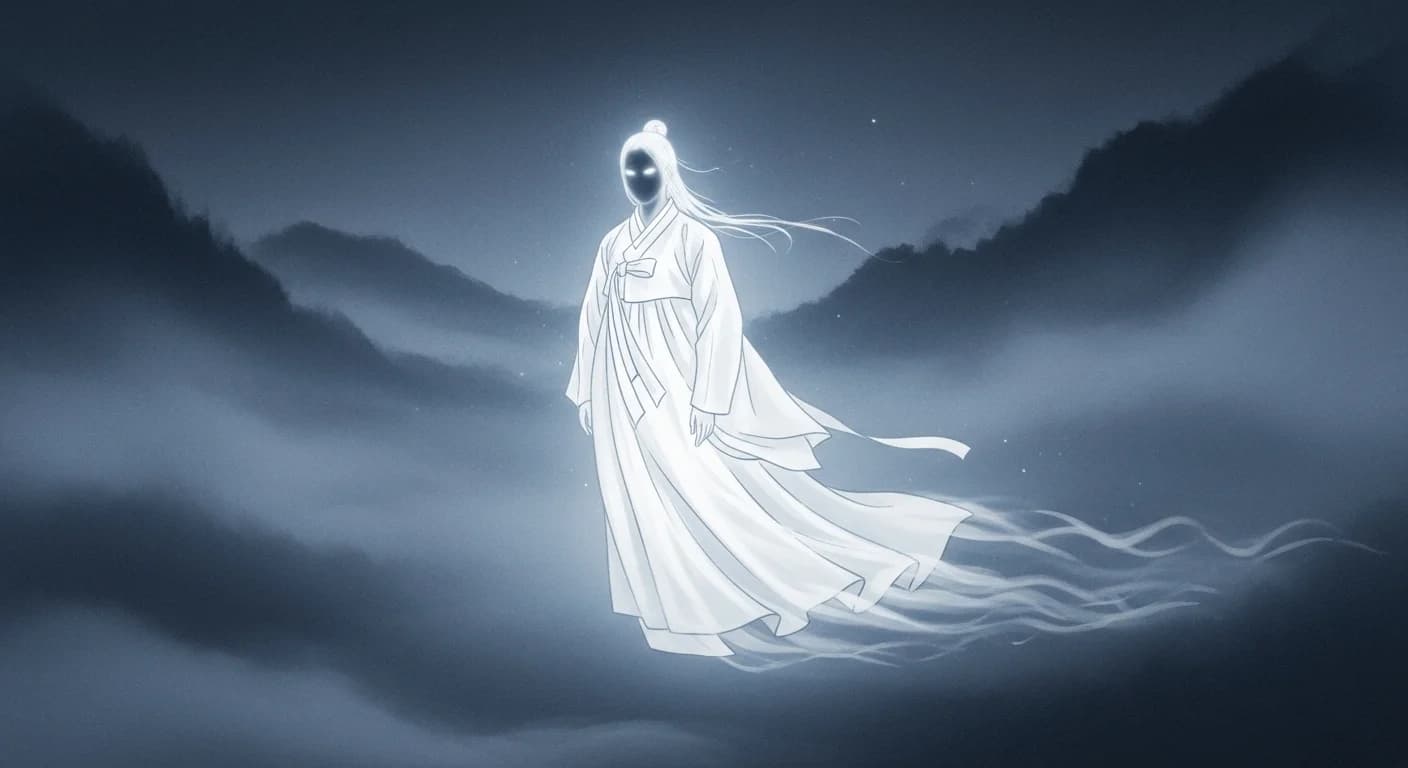
If someone who has passed away appeared in your dream last night, Korean dream tradition says this is far from ordinary — it may be a message from the boundary between worlds. In Korean shamanic culture (무속), the souls of the deceased are believed to linger and communicate with the living through dreams, particularly soon after death or around memorial dates. But here is the key: whether this dream is auspicious or cautionary depends entirely on the deceased's expression and behavior. A smiling, gift-giving ancestor signals fortune. Tears, anger, or a hand reaching to pull you away? That carries a warning worth heeding.
The Deceased Appears Smiling — A Classic Auspicious Dream
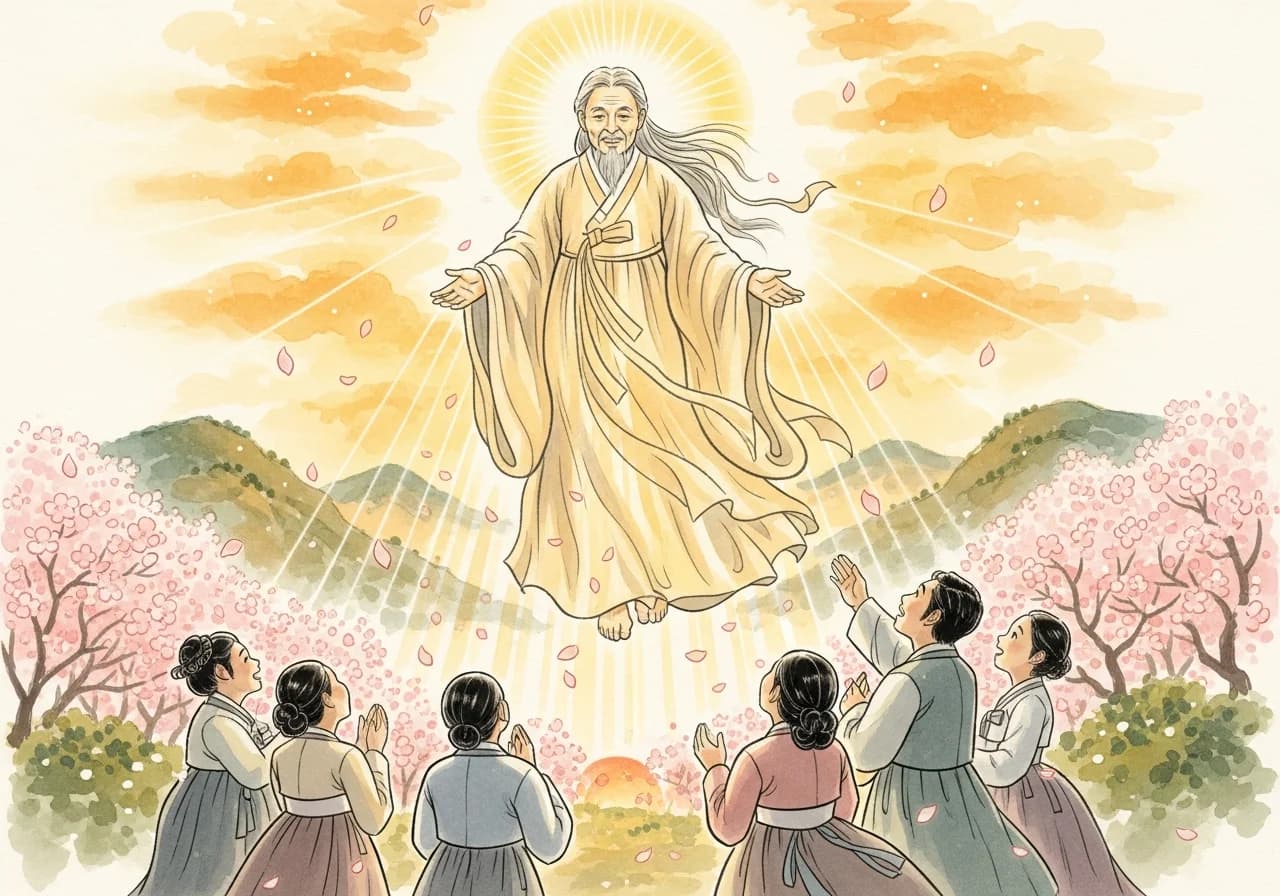
One of the most welcome dream scenarios in Korean tradition is when a deceased person appears with a bright, warm smile. This is interpreted as a strong auspicious omen (길몽) signaling recovery from a prolonged illness, relief from emotional burdens, and the imminent arrival of great fortune or a benefactor who will help you. If the deceased looks healthier and more radiant than in life, this is also taken as reassurance that their spirit rests in peace.
This dream often presages unexpected help from an important connection, or the resolution of a situation that has been stuck for some time. When you wake feeling warmth and peace, that emotional residue is itself considered the clearest sign that the dream was auspicious.
The Deceased Offers Money or Gifts — A Powerful Fortune Omen
In Korean dream interpretation, few omens match the power of a deceased person handing you money, valuables, or gifts. This dream is rooted in the traditional belief in ancestral guardian spirits (조상신) — the idea that deceased ancestors watch over and actively provide for their descendants from the spirit world. When they hand you something tangible, it foretells a windfall, unexpected income, or a financial breakthrough from an unforeseen source.
The more generous the gift in the dream, the greater the expected fortune. Business success, investment gains, or an unexpected bonus or inheritance are common real-life correlates for this dream.
Sharing a Meal with the Deceased — Harmony and Success
Eating together with someone who has passed away is an auspicious dream associated with business success, academic achievement, and domestic harmony. In Korean culture, sharing a meal is one of the deepest expressions of connection and community — dreaming of it with the deceased suggests that the bond of love and support continues across the threshold of death.
Plans currently in motion are expected to come to fruition smoothly. For students, it can signal exam success; for those in business, a deal closing favorably; for families, a period of peaceful unity.
The Deceased Comes Back to Life — A Turning-Point Dream
When the dead return to life in a dream — moving, speaking, and animated once more — this is one of the most powerfully auspicious dreams in Korean tradition. It signals that long-standing obstacles are about to be resolved, that opportunities previously thought lost may return, and that a decisive new chapter is near.
This dream carries the archetypal symbolism of rebirth and renewal. Whether it is a business venture, a relationship, or a personal ambition, something you had given up may come alive again. In career contexts, a turning point or promotion may be on the horizon.
The Deceased Appears Crying or Angry — Cautionary Warning
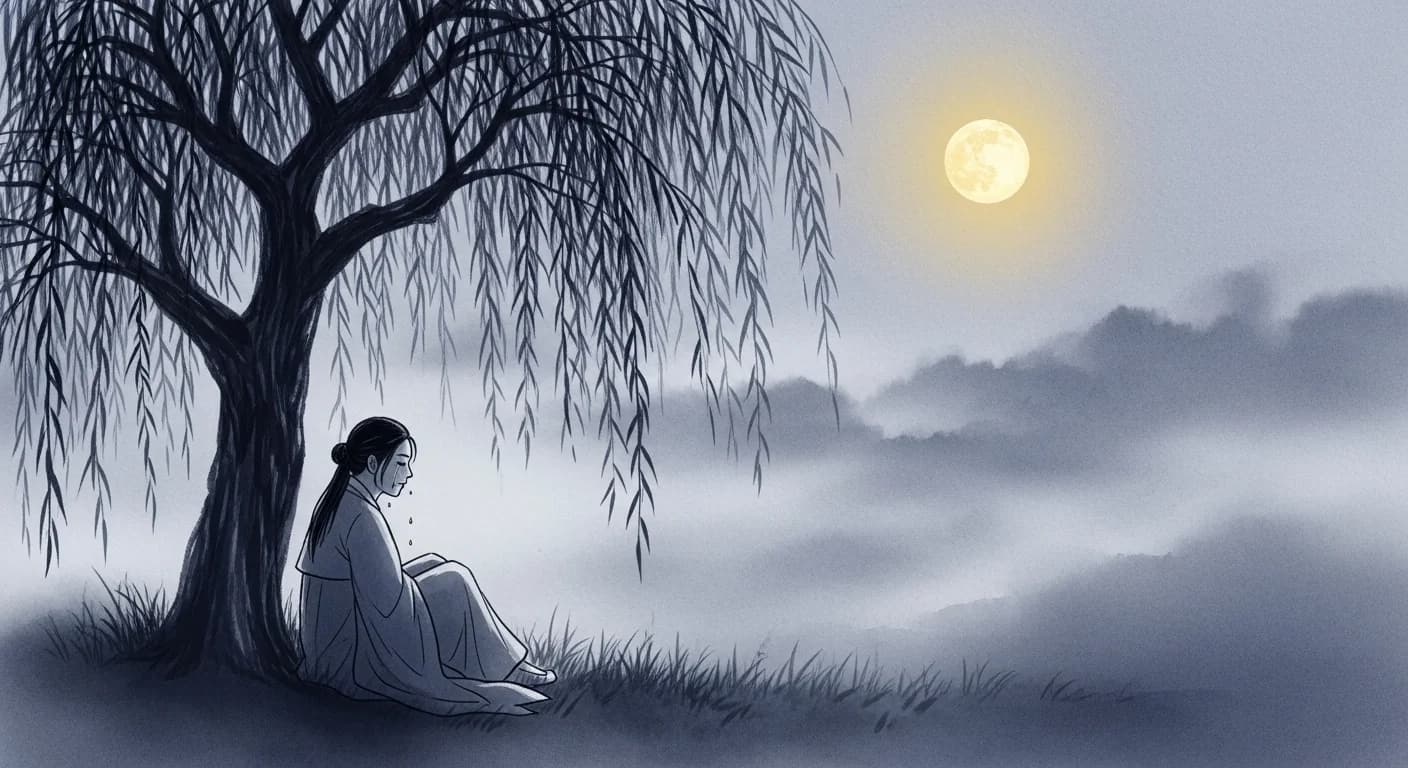
When the deceased weeps or cries sorrowfully, Korean tradition interprets this as a warning of gossip, unexpected disputes, or declining fortune in the near future. It is advisable to watch your words and actions carefully after this dream.
If the deceased appears angry or seems to be scolding you, the warning is directed at your current decisions or relationships. It signals a moment to pause, reconsider important choices, and proceed with greater care. The more intense the emotion in the dream, the more pressing the message to slow down and reflect.
The Deceased Tries to Take You Away — A Health Warning
Among cautionary dream scenarios in Korean tradition, one of the most serious is when the deceased reaches for your hand and insists you come with them — whether to a vague destination or explicitly to the afterlife. This is interpreted as a health warning, advising you to pay attention to your physical condition.
This warning is considered especially significant for elderly dreamers or those with existing health conditions, who are encouraged to schedule a medical check-up after experiencing this dream. The more insistent the deceased and the darker the dream atmosphere, the more urgent the signal.
Conversing with the Deceased — A Prophetic Neutral Dream
Having an extended conversation with the deceased in a dream is considered a neutral but prophetically charged experience in Korean folk tradition. The words spoken by the dead are believed to carry real meaning — a form of guidance for a real-life crossroads the dreamer is navigating.
Whether the dream is auspicious or cautionary depends entirely on what was said: encouraging words are a good omen, while warnings or expressions of sorrow carry a message to heed. Dream interpretation experts strongly recommend writing down the content of such conversations immediately upon waking, before the details fade.
Dream Variations
Dreaming of Deceased Parents
When deceased parents appear cheerful and healthy in a dream, this is a classic auspicious omen for family harmony and rising financial fortune. If they look healthier and more at peace than in their final days, it carries additional reassurance that their spirit rests well. If they appear sad or weeping, it warns of family health concerns or domestic troubles. Any words or gestures from the parents are traditionally regarded as carrying real-life guidance worth remembering.
Dreaming of Deceased Ancestors
Ancestral figures appearing in dreams are traditionally interpreted as auspicious, foretelling blessings for the household or family lineage. This is rooted in the Korean shamanistic belief in ancestral guardian spirits (조상신). A pleasant ancestral expression and bright dream atmosphere signal good events ahead; a grim or sorrowful expression warns of trouble. If the ancestor appears to be conveying something through gestures, try to hold those details in memory.
Dead Person Smiling in a Dream
The deceased laughing or smiling warmly is a highly auspicious sign. It foretells recovery from a prolonged illness, relief from emotional hardship, and the arrival of great fortune or a helpful benefactor. Waking up from this dream with a warm emotional residue is itself considered confirmation of the omen.
Dead Person Crying in a Dream
The deceased weeping or crying sadly is an inauspicious omen warning of gossip, unexpected conflict, or declining fortune. It advises careful attention to words and actions. Postponing major decisions briefly after this dream is a commonly recommended precaution.
Dead Person Giving Money in a Dream
The deceased handing you money or valuables is one of the strongest auspicious omens in Korean dream interpretation, signaling a windfall or sudden financial gain. The larger the amount handed over in the dream, the greater the expected fortune in waking life.
Eating with a Dead Person in a Dream
Sharing a meal with the deceased is an auspicious omen associated with business success, academic achievement, and domestic peace. Plans in progress are expected to come to fruition smoothly, and long-pursued goals may finally be realized.
Dead Person Coming Back to Life in a Dream
The dead returning to life is a powerful auspicious omen foreshadowing the resolution of long-standing difficulties and the return of lost opportunities. It can also signal a decisive turning point in career or business — something that felt finished may be given a second chance.
Dead Person Speaking in a Dream
When the deceased speaks in a dream, Korean tradition regards the words as carrying prophetic significance about a real-life decision or challenge. Positive words are auspicious; negative or warning words are cautionary. Writing down what was said as soon as you wake up is strongly recommended.
Dead Person Trying to Take the Dreamer Away
When the deceased tries to take the dreamer along to the afterlife — pulling by the hand or insisting they come — this is a serious cautionary omen warning of health deterioration. Elderly dreamers or those with existing conditions are particularly advised to seek a medical check-up after this dream.
Dreaming of a Deceased Friend
Dreaming of a deceased friend often reflects a longing for connection in waking life. If the dream involves joyful, playful interaction, it is auspicious — signaling new relationships forming or the restoration of old connections that had grown distant. The brighter and more cheerful the dream, the stronger the positive omen.
Dead Person Appearing Angry in a Dream
The deceased appearing angry or scolding the dreamer is a cautionary omen pointing to mistakes in current decisions or behavior. If a major choice is pending, this dream urges you to pause and review before proceeding. The intensity of the anger in the dream reflects the urgency of the message.
Dead Person Embracing or Hugging the Dreamer
Being warmly embraced by the deceased is a comforting and auspicious sign, symbolizing psychological stability and the enduring bond of love. Traditional interpretation views this as a sign of being watched over and protected by the departed — a particularly comforting omen during difficult or stressful periods.
Cultural Context
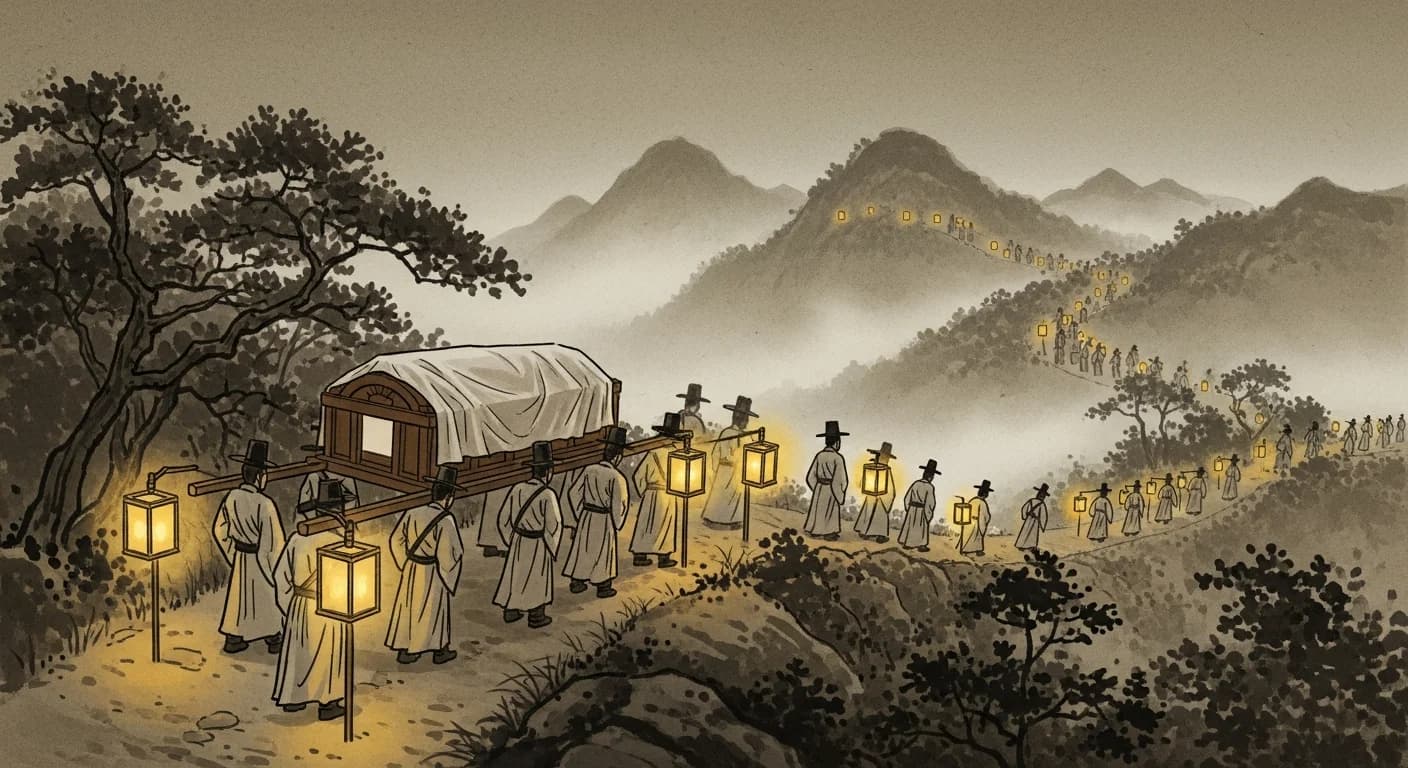
In Korean traditional culture, dreaming of a dead person was never viewed as a mere psychological quirk but as a meaningful event at the intersection of the spirit world and the living world. Korean shamanism (무속 신앙) held that a person's soul lingers in the world of the living for some time after death before departing for the afterlife, and that during this period the spirit communicates with descendants through dreams. Ancestral spirits (조상신) were venerated as guardian deities of the family lineage — a bright-faced ancestor in a dream foretold household prosperity, while a sorrowful one warned of coming hardship.
Buddhist influence added the belief that the soul dwells between worlds for 49 days after death (the 49-day mourning period, 사십구재), making the weeks immediately after a person's passing particularly charged with dream significance. This is why Koreans often speak of unusual or vivid dreams about the deceased in the first weeks after their passing as carrying special weight.
Confucian ancestor veneration further reinforced the importance of listening carefully to messages from deceased forebears. The practice of ancestral rites (제사 and 차례) — performed on death anniversaries and major holidays — reflects this ongoing conversation between the living and the dead. Since the Three Kingdoms period, dream interpretation (해몽) has been part of daily Korean life, and dreams featuring the dead have been consistently regarded as carrying strong prophetic weight.
Western Psychological Perspectives
Western psychology offers a rich parallel framework for understanding dreams of the deceased — one that converges with Korean tradition in surprising ways while diverging in others.
Freud interpreted dreaming of the dead as an expression of repressed wishes and unresolved emotional conflicts that slip past the censor of consciousness during sleep. Dreams in which the deceased appears alive were for Freud a classic example of wish fulfillment (Wunscherfüllung) — the dreamer's suppressed longing for the person to still be alive is granted symbolically in the dream. Guilt, unspoken regrets, and unfulfilled obligations toward the deceased may also surface in this form, seeking resolution through the dream process.
Jung took a broader view, seeing the dead in dreams as archetypal symbols from the collective unconscious — the shared psychic inheritance of humanity. The deceased may appear as a guide figure leading the dreamer toward individuation (the integration of the whole self), or as a personification of inner wisdom, the shadow, or other archetypal forces. Jung occasionally interpreted such dreams as examples of synchronicity, where the psychic experience carries a meaningful connection to actual events beyond coincidence — a concept that resonates interestingly with Korean beliefs about prophetic dream messages.
Modern grief psychology and sleep science have mapped these experiences empirically. Research consistently shows that dreams of deceased loved ones — sometimes called "visitation dreams" — are experienced by the majority of bereaved individuals and are associated with greater emotional comfort, faster acceptance of loss, and improved quality of life. Studies find that early in grief, "reunion dreams" (the deceased appears alive and well) are most common, while over time "farewell dreams" — where the deceased says goodbye or seems at peace — become more prevalent, mirroring the psychological journey from denial toward acceptance.
The convergence is striking: both Korean tradition and Western science agree that these dreams are not meaningless noise. Whether interpreted as ancestral messages from beyond or as the brain's emotional healing in action, dreams of the deceased carry depth, comfort, and guidance — a testament to the bonds that outlast death.
Frequently Asked Questions
The heart of Korean dream interpretation for the deceased comes down to one thing: expression and intention. A smiling, gift-giving ancestor is one of the most auspicious signs the dream world offers — a message of fortune, protection, and enduring love. A weeping or angry figure, or one trying to pull you away, is a gentle but firm warning worth acknowledging. Whichever form this dream took for you, the fact that someone you loved appeared at all is a testament to the power of human bonds — bonds that, in Korean tradition and in the human heart alike, simply do not end at death.