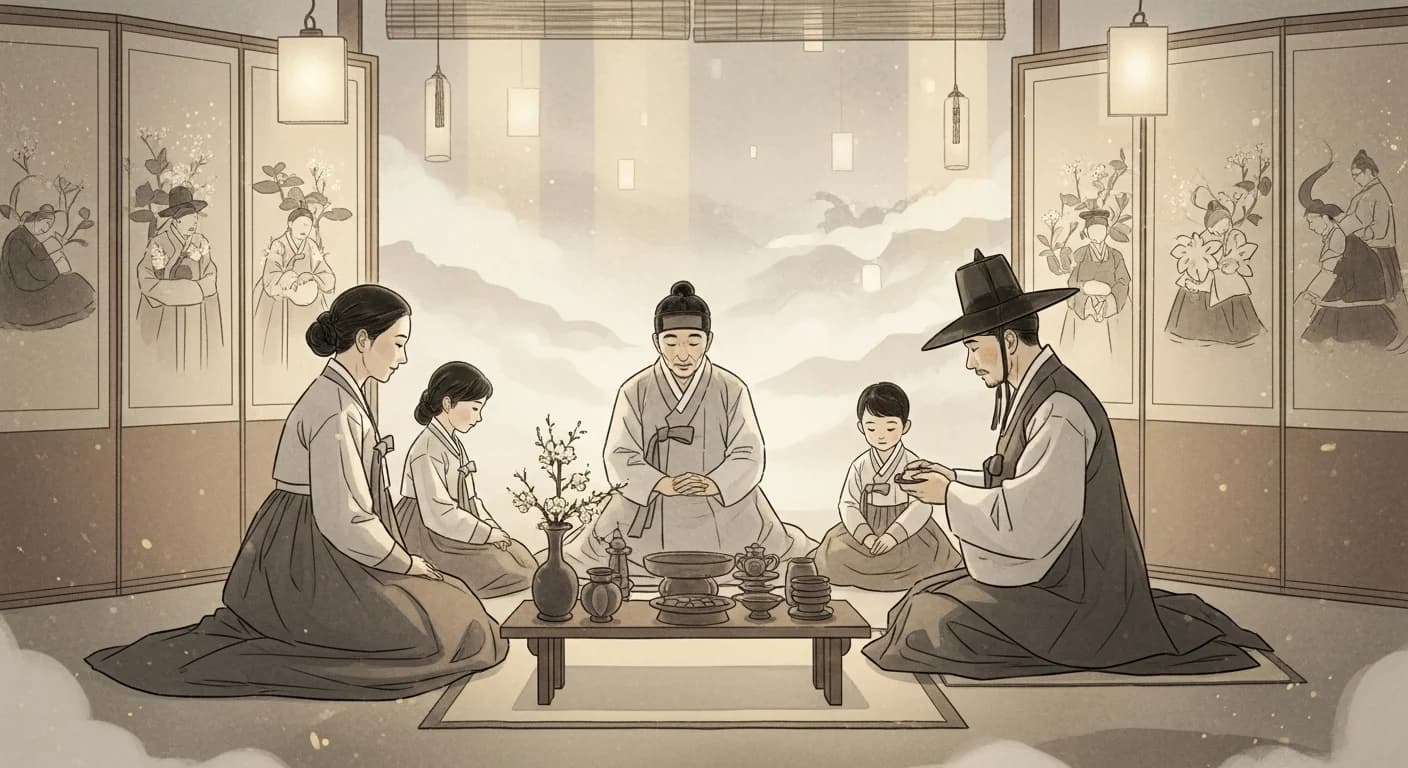
Family Dying Dream — Why Korean Tradition Sees This as a Sign of New Beginnings
Waking from a dream where a family member died can leave you shaken. But here's what might surprise you: in Korean traditional dream interpretation, this is one of the most recognized auspicious omens — because dream death isn't an ending, it's a signal of transformation. There is one crucial variable that determines whether the dream is good or bad, and it has everything to do with how you felt in the dream.
Auspicious Interpretation — New Beginnings and Financial Fortune

A family member dying peacefully in a dream is one of the clearest positive omens in Korean folk interpretation. The reasoning runs deep: Korean shamanism and Buddhist concepts of reincarnation have long shaped a tradition that reads dream death not as loss, but as transformation. Work progresses smoothly, financial gains arrive, and career advancement — promotions, new contracts, breakthrough opportunities — follows.
Interestingly, the more intensely you cry in the dream, the stronger the positive sign. Weeping in a family death dream represents a cathartic release of suppressed real-world stress and emotions. It is one of the few dream categories where grief is a better outcome than calm.
Each family relationship carries its own specific meaning. A mother dying foretells household peace and unexpected financial luck. A father dying signals social success — promotions, new contracts, significant career breakthroughs. A child dying in a dream is actually one of the strongest auspicious signs in the entire tradition: it forecasts the child's goal achievement, academic success, or health recovery.
When the Dream Warns — Inauspicious Variations
Not every family dying dream carries good news. The key diagnostic is your emotional state during the dream. If you watched a family member die with no emotional response — feeling detached, cold, or indifferent — that is an inauspicious sign. It warns of social criticism, gossip, or conflict brewing in personal relationships.
There is also an important pattern to watch for: if a family member dies and then comes back to life (a resurrection sequence), this is read as an inauspicious omen rather than a positive one. It may signal difficulties or financial losses approaching. The exception: if the resurrected family member appears with a bright, joyful expression, some interpreters read this as a signal of improved financial luck.
When a distant relative or someone you are not emotionally close to dies in the dream, it can warn of personal crisis or unexpected hardship affecting the dreamer directly rather than signaling good fortune.
Recurring Dreams — When to Look Inward
If the same dream recurs over multiple nights, the omen framework becomes less useful than the psychological one. Recurring family death dreams are consistently linked to unresolved emotional conflict or sustained stress — not a single event coming, but an ongoing inner state that needs attention.
Suppressed tensions in family relationships, pressure around independence and self-reliance, or persistent work stress can all surface as recurring death dreams. The dream is essentially flagging something that hasn't been processed. Journaling about the specific family member who appears, and what role they play in your waking life, often clarifies the message. If the anxiety is significant and persistent, speaking with a counselor is genuinely worthwhile.
Dream Variations
Dreaming of Your Mother Dying
One of the most recognized auspicious variants. It foretells peace and harmony in the household, often accompanied by unexpected financial good news. Psychologically, it signals growing independence and self-reliance. If your mother appears smiling after death in the dream, the auspicious signal is amplified significantly.
Dreaming of Your Father Dying
An auspicious dream signaling social and financial advancement — promotions, successful business deals, or new opportunities opening. It also carries the symbolism of carving out your own path independently, moving beyond the father's sphere of influence into your own authority.
Dreaming of Your Child Dying
One of the most powerful auspicious dreams in Korean tradition. It forecasts the child's achievement of goals, academic success, or health recovery. It also reflects the depth of parental attachment and protective anxiety, especially common when a child faces a major transition — exams, starting school, or adapting to a new environment.
Dreaming of Your Spouse Dying
Signals the marital relationship entering a stronger, refreshed phase. A difficult or stale period passes and deeper connection follows. A husband dying in the dream foretells welcome news or an important visitor; a wife dying foretells business improvement or health recovery for someone in the household.
Dreaming of a Sibling Dying
Strongly linked to career fortune — job offers, promotions, and unexpected financial bonuses. Long-standing sibling competition or conflict resolves cleanly. The emotional dynamic between siblings resets positively, improving the relationship going forward.
Dreaming of a Grandparent Dying
Signals that longstanding, complex problems will be fully resolved, and family tensions ease into a peaceful new chapter. Note: if the grandparent is actually ill in waking life, some Korean interpreters treat this dream as potentially premonitory rather than symbolic, warranting careful attention.
Family Member Dying in an Accident
Symbolizes rapid, uncontrollable environmental change. A dramatic accident death is generally read as a lucky omen for financial gains or major windfalls. A minor or ambiguous accident death may carry a warning note about disputes or conflicts arising soon.
Crying Intensely at a Family Member's Death
The more intensely you weep, the stronger the auspicious outcome. Intense crying represents cathartic release of suppressed real-world stress and emotion — one of the strongest positive indicators in this dream category. Work matters improve, and relationship harmony increases.
Entire Family Dying in a Dream
Signals that the dreamer's entire environment — job, home, relationships — is about to change comprehensively. Old circumstances clear away and a completely new life begins. Interpreted as a powerful omen of total rebirth and fresh starts across all areas of life.
A Deceased Family Member Dying Again
A scene of an already-deceased family member dying again is considered a very strong omen of financial increase — significant wealth growth or an unexpected windfall on the horizon. The doubling of the death symbol amplifies the transformation and fortune signals.
A Dead Family Member Coming Back to Life
Generally considered an inauspicious omen — a reversal of the transformation that dream death represents. Difficulties or financial losses may be approaching. Exception: if the resurrected family member appears visibly happy and bright, some interpreters read this as a sign of improving financial fortune.
Cultural Context
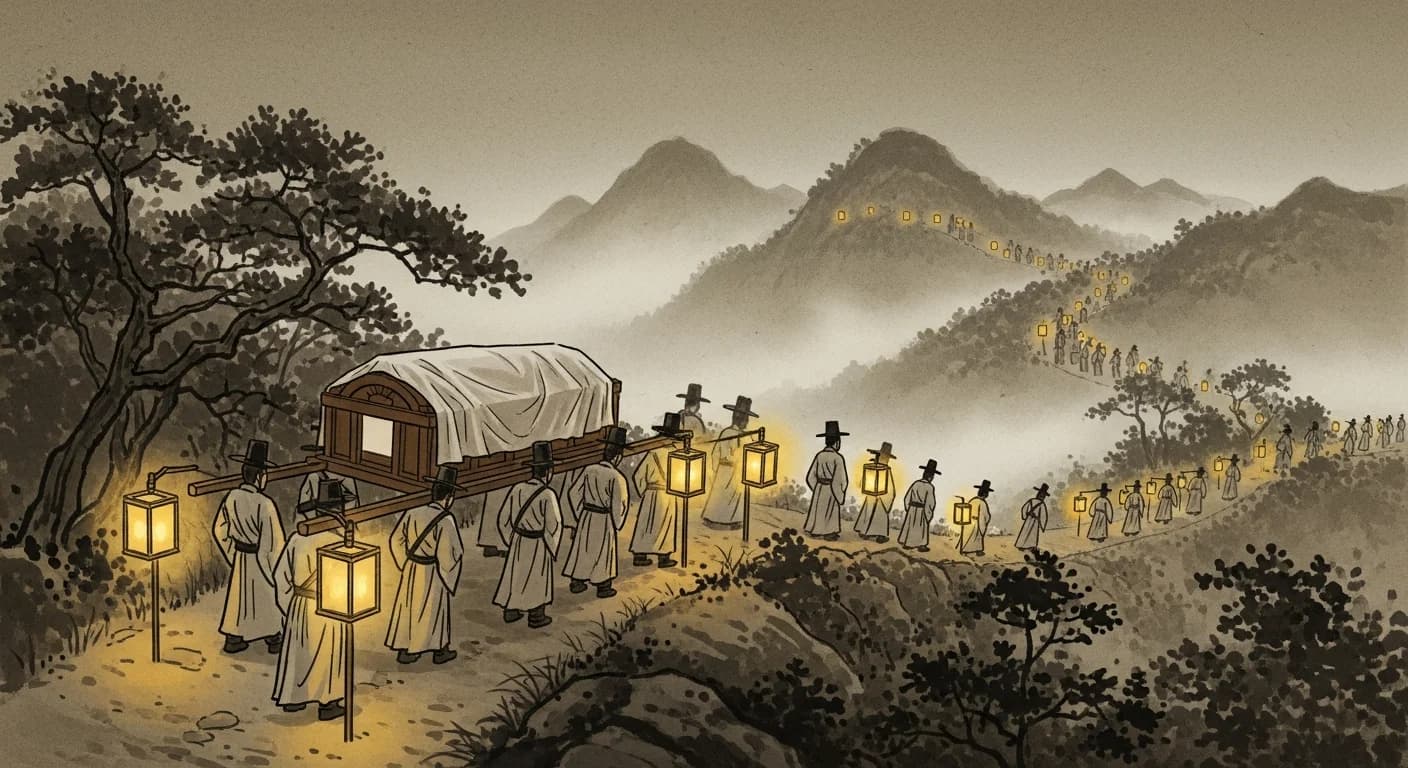
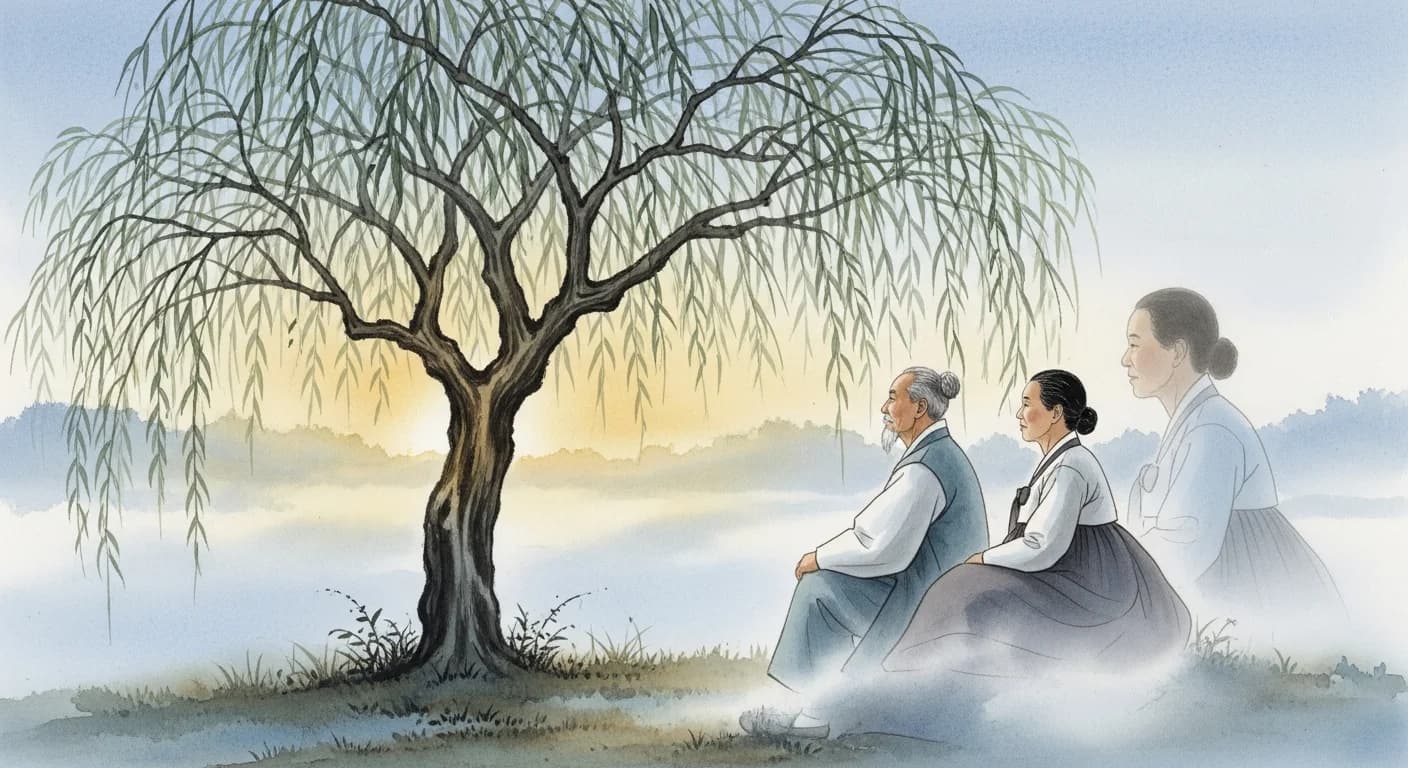
In Korean traditional dream interpretation, 'death' is not a tragic event but a symbol of rebirth and new beginnings — a paradox that sits at the heart of the entire tradition. This interpretive framework draws on a rich confluence of shamanism (무속 신앙), Buddhism, and Confucianism that has shaped Korean dream culture since the Three Kingdoms period. In shamanic belief, death marks a transformation of the soul; Buddhist concepts of reincarnation (윤회) reinforce the idea of death as the start of another life.
The Samguk Yusa (삼국유사), Korea's great medieval chronicle, records accounts of the same dream being interpreted as either auspicious or inauspicious depending on the interpreter — highlighting how culturally flexible dream meaning has always been in Korea. Within the Confucian family-centered worldview, individual family members carry symbolic weight representing specific roles and social positions, so a family member's death in a dream is understood as liberation or transition from that role rather than literal loss.
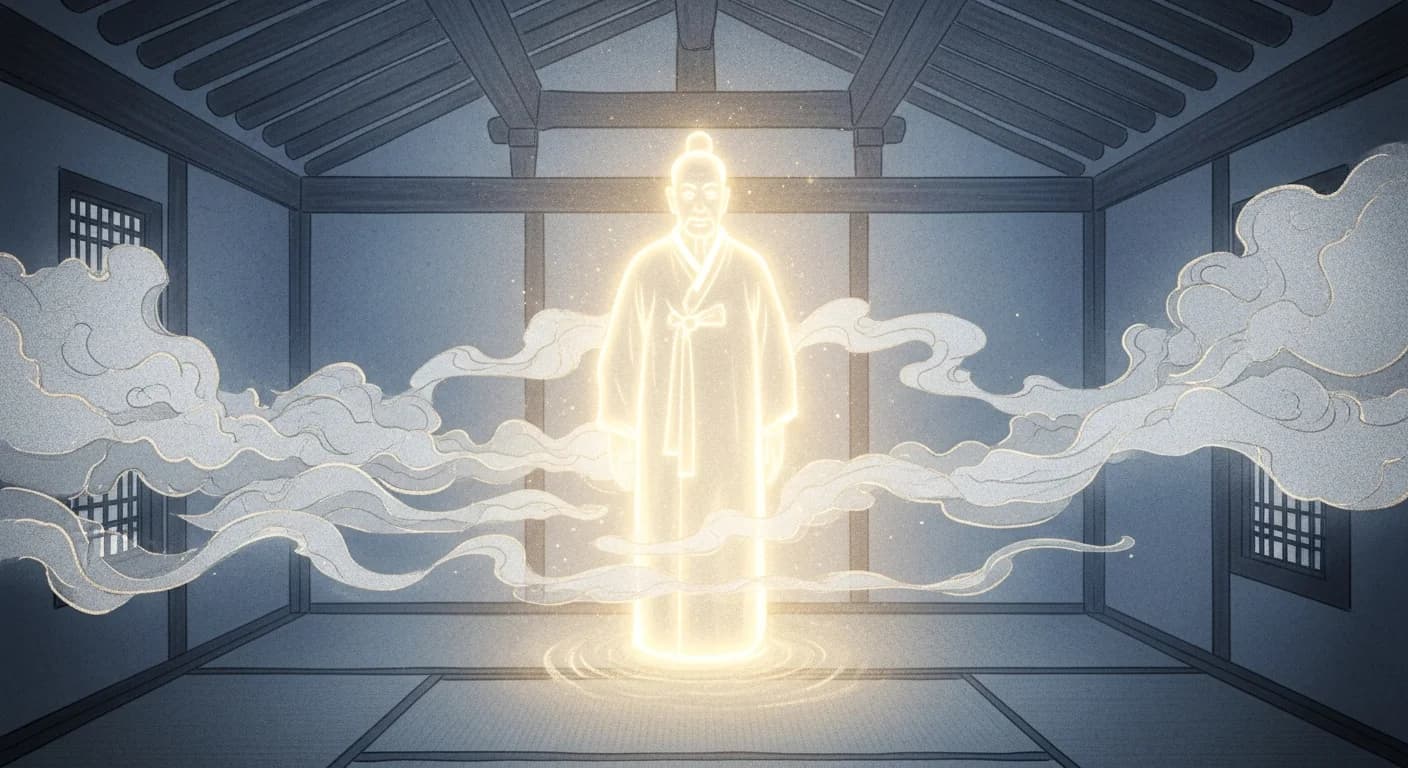
Dreams in Korean folk tradition were not treated as random subconscious noise but as revelatory messages from ancestor spirits or deities. This is why even shocking dream content like family death was taken seriously as a meaningful signal to be carefully read — not feared, but interpreted.
Western Psychological Perspectives
Western psychological perspectives on family dying dreams take a different starting point from Korean tradition, but arrive at surprisingly convergent conclusions.
Freud connected dreams of parents dying to the Oedipus complex — boys unconsciously perceive the father as a rival, and girls the mother. More broadly, under his wish-fulfillment theory, dreaming of a family member's death represents suppressed hostile or ambivalent feelings finding safe expression through dream imagery. Contemporary psychology critiques this view as oversimplified, but the core idea that such dreams can surface repressed emotional tensions remains a useful reference point, particularly when the dream carries feelings of guilt or relief rather than grief.
Jung's interpretation is the most strikingly parallel to the Korean tradition. He understood family members in dreams not as literal people but as symbolic aspects of the dreamer's own psyche — a mother representing the nurturing self, a father the authoritative self. A family member's death then signals the transformation or integration of those inner qualities. In Jung's framework of individuation, dream death is a symbolic rite of passage: an old aspect of the self dissolves to make way for a more authentic, whole Self. This maps almost exactly onto the Korean tradition's 'death as rebirth' reading.
From a modern cognitive psychology and neuroscience perspective, family dying dreams typically arise as the brain processes everyday anxiety, fear of losing attachment figures, or emotional pressures at major life transitions — starting a job, getting married, becoming a parent. Research on bereavement shows that for people who have experienced actual loss, such dreams actively support psychological recovery and help integrate grief. When the dreams recur frequently, they signal unresolved emotional conflict worth addressing — through reflection, journaling, or professional support if needed. Across both Eastern and Western frameworks, the consensus is clear: dreaming of a family member dying is rarely a literal warning. It is almost always a signal of change, transformation, and the emergence of something new.
Frequently Asked Questions
A family dying dream is unsettling to wake from, but in Korean tradition it is almost always a herald of change, transformation, and good fortune rather than a warning. The intensity of your grief in the dream is actually a positive signal — the more you cried, the stronger the omen. Watch for the key exceptions: emotional detachment during the dream, or a resurrection sequence, shift the reading. Whatever the dream's specific message, treat it as your inner self speaking clearly about transformation ahead.