Grave Dream Meaning — How to Tell Good Luck from a Warning
Woke up unsettled after dreaming of a grave? In Korean dream interpretation (꿈해몽), a grave is far more likely to signal wealth, family prosperity, or a fresh start than anything ominous. Rooted in centuries of feng shui (pungsu-jiri) tradition, Korean grave dream meanings hinge entirely on one thing: the condition of the grave. The details you remember — its size, what grew around it, whether light shone on it — carry specific messages. Read on to find out exactly what yours means.
Auspicious Signs — Grand, Luminous, and Treasure-Bearing Graves

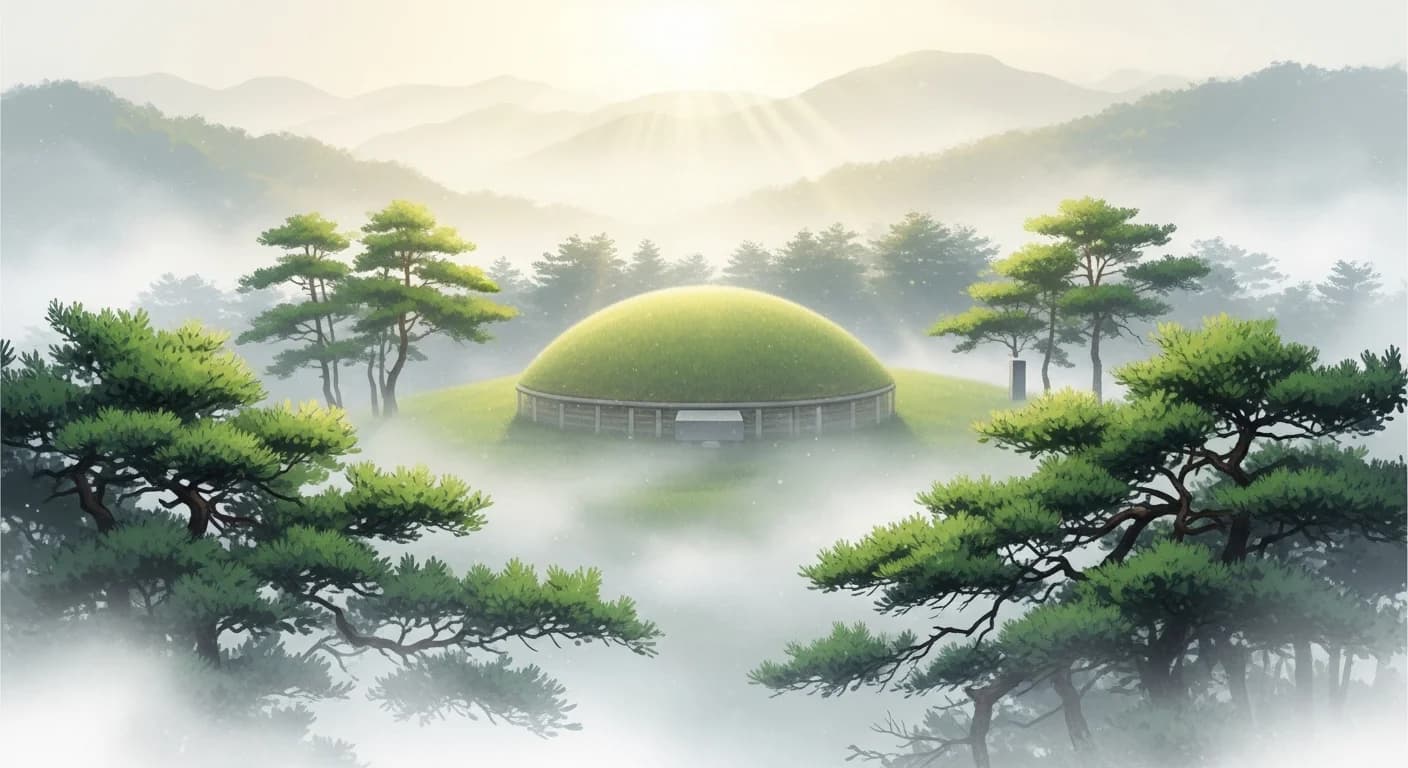
If the grave in your dream was large, well-kept, or glowing, expect good news. A grand and imposing grave foretells a rise in social status and public recognition. Even more powerfully, if light, gold, or treasure emerged from the grave, you are looking at one of the strongest wealth omens in Korean dream tradition — a windfall or significant financial gain may be close. Seeing your own grave is also positive: it signals that current struggles are coming to an end and new opportunities are about to open up. Sunlight shining brightly on a grave is auspicious for business, career advancement, and romantic prospects, while lush green trees beside a grave foretell good fortune for your family and descendants for generations to come.
Inauspicious Signs — Desolate, Damaged, and Dark Graves
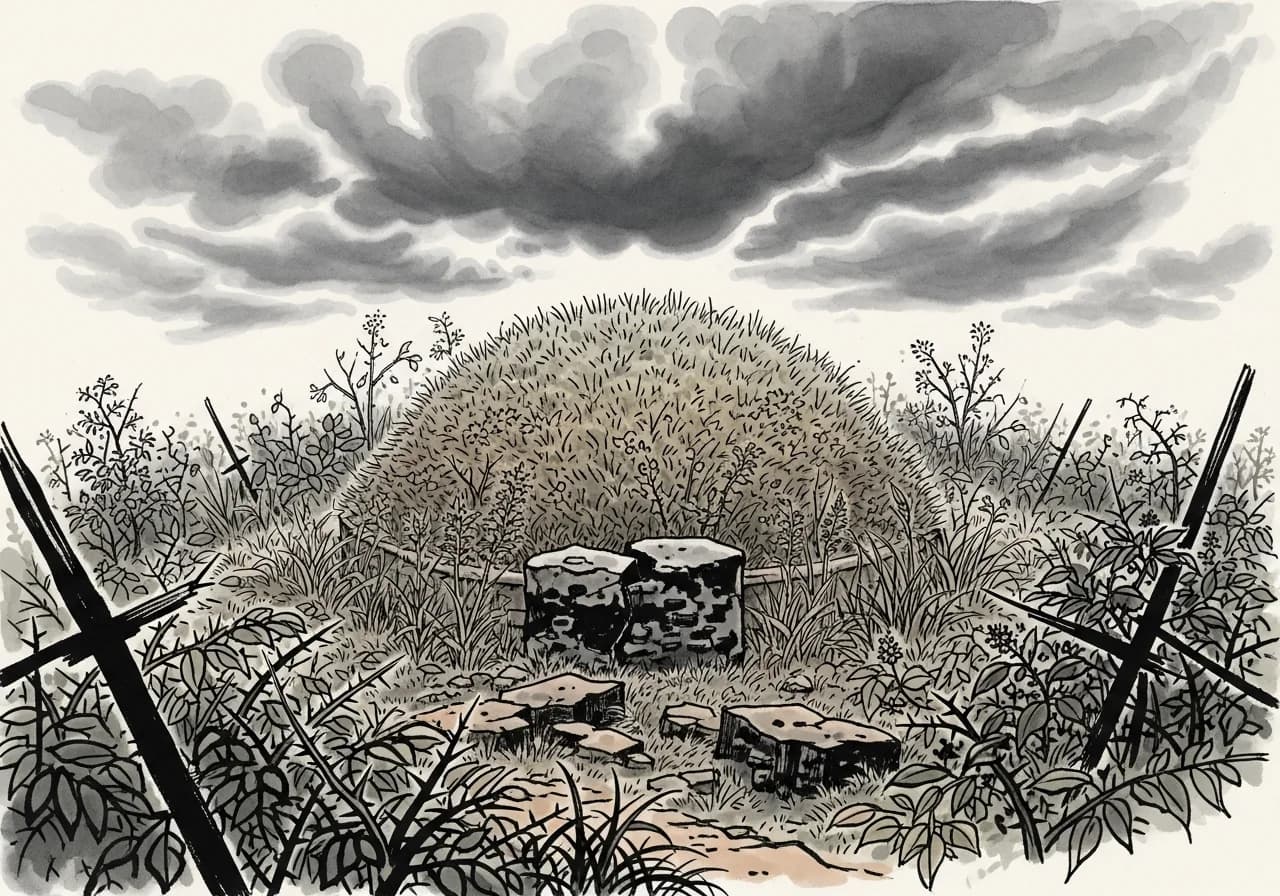
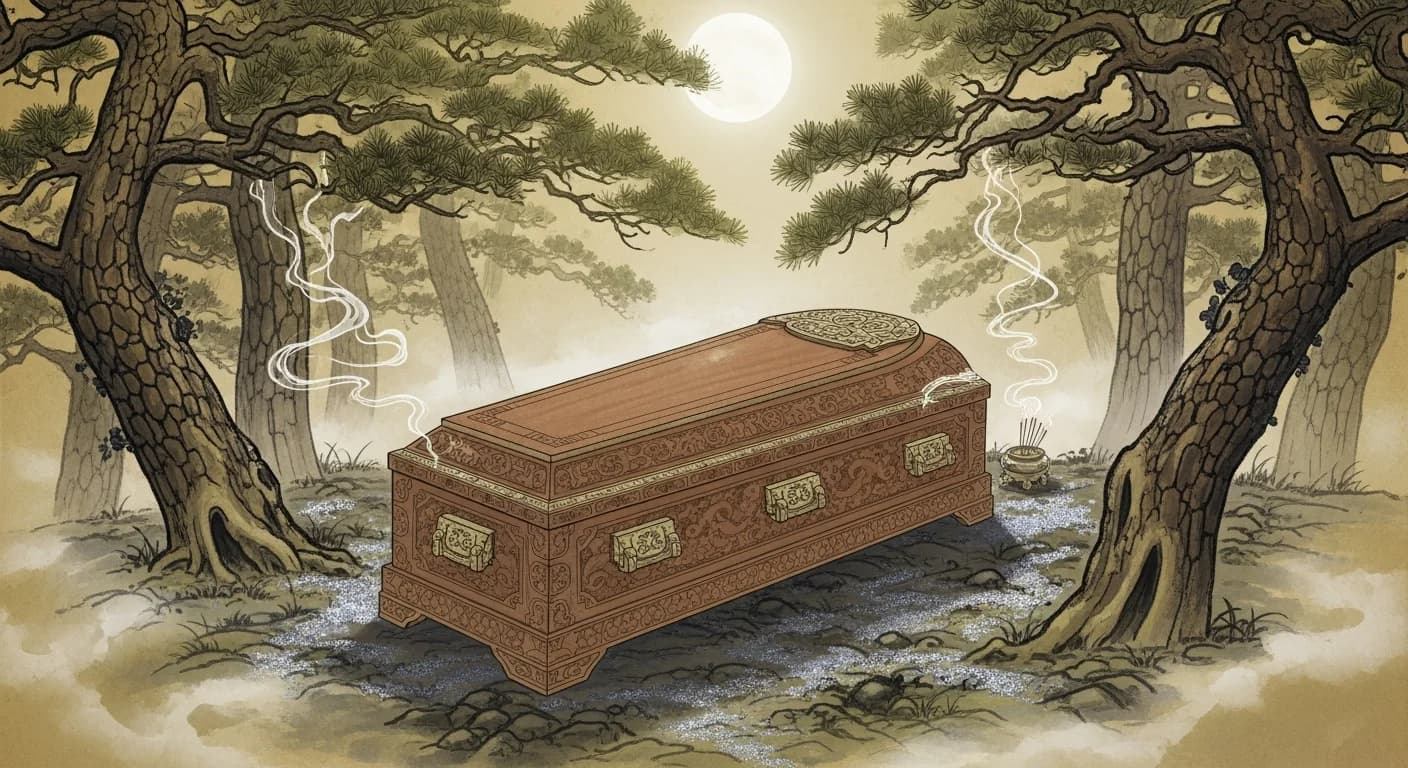
A desolate, weed-covered, or structurally damaged grave is a warning sign, asking you to take a closer look at family relationships and your health. This type of grave warns of potential family conflict, inheritance disputes, or household misfortune. A grave with a hole in it, or one from which a rotting corpse or skull emerges, signals the need to pay careful attention to physical health. A coffin rising on its own from a grave indicates possible accident or financial loss ahead, suggesting it is wise to hold off on major decisions or contracts for now. Dreaming of entering a grave warns of legal entanglements, while fire specifically on an ancestral grave (as opposed to a general grave) is a serious warning about illness or accident within the family.
Neutral — Standing at a Crossroads
When a grave dream feels neither clearly bright nor dark, it often signals that you are standing at an important crossroads in life. In Korean tradition, the grave symbolizes transformation and transition more than death itself. A cemetery setting in a dream typically amplifies this sense of a major life turning point. If the overall atmosphere felt calm and matter-of-fact, the transition ahead is likely to proceed smoothly. If there was underlying anxiety, your mind may be working through uncertainty about a coming change — a good time to seek advice, gather more information, and avoid rushing major decisions.
Dream Variations
Dream of Seeing Your Own Grave
Seeing your own grave is considered auspicious in Korean dream interpretation. It foretells that current obstacles and difficulties will dissolve, opening the door to new opportunities and meaningful life changes. Viewing your own grave calmly in a dream can also symbolize inner strength and readiness for a new chapter.
Dream of Digging a Grave
Digging a grave is a positive omen — it points to a new job opportunity, a successful business venture, or the long-awaited payoff of sustained effort. It can also foreshadow starting a completely new type of endeavor, making this an encouraging dream for anyone contemplating a career change or entrepreneurial move.
Dream of an Ancestral Grave
An ancestral grave in a dream represents blessings and support flowing down from your family lineage. A well-maintained ancestral grave is an auspicious sign that the family as a whole will prosper and descendants will thrive. A neglected or damaged ancestral grave, however, calls for renewed attention to family bonds and health within the household.
Dream of a Cemetery
A cemetery in a dream is often a neutral symbol pointing to a major life transition or decision point. If your grave in the cemetery appears larger and more impressive than all the others, it is a strong auspicious sign — you will have the most powerful connections and backing among your peers. A desolate or unfamiliar cemetery, on the other hand, warns of hardship ahead.
Dream of Fire Burning on a Grave
Fire on a general grave is auspicious — it signals that your talents will be recognized, your business will thrive, and your reputation will spread. The key exception is fire on an ancestral grave specifically, which is interpreted as a warning about illness or accident in the family rather than a good omen.
Dream of a Grave Splitting Open with Treasure
A grave that splits or opens to release gold, jewels, or flooding light is one of the most powerful wealth omens in Korean dream tradition. It symbolizes an unexpected windfall, financial breakthrough, or remarkable stroke of luck. Many people who have this dream seek out lottery tickets or investment opportunities shortly after.
Dream of a Grave Overgrown with Weeds
A grave covered in weeds or left in disrepair is an inauspicious warning about potential family conflict or domestic troubles. It is a nudge to check in on family relationships, resolve lingering tensions, and make sure no important connections are being neglected.
Dream of a Corpse or Skull from a Grave
A rotting corpse or decayed skull emerging from a grave warns of deteriorating health or illness. Interestingly, an old, long-dried skeleton can carry a paradoxically positive meaning in some Korean interpretations — signaling rising wealth or exam success. The key variable is decay versus antiquity.
Dream of Sunlight on a Grave
Bright sunlight falling on a grave is a cheerful, optimistic omen. It foretells that business ventures, career promotion, or romantic opportunities are opening up. Whatever you are currently working toward in life has a strong chance of reaching a positive outcome soon.
Dream of Digging a Grave and Lowering a Coffin
Digging a grave and then carefully lowering a coffin into it is interpreted as auspicious for real estate — it hints at purchasing a new home, acquiring property, or establishing a solid and lasting foundation in your personal or professional life.
Dream of Relocating a Grave
Moving or relocating an ancestral grave (이장) in a dream suggests incoming financial gain or an upcoming move to a new home. It carries connotations of positive environmental change accompanied by improved material circumstances.
Dream of Entering a Grave
Entering a grave in a dream is an inauspicious warning about potential legal trouble — disputes, lawsuits, or contractual complications. If you have important legal or contractual decisions pending, this dream is a prompt to review everything carefully and consult a professional before proceeding.
Dream of Lush Trees by a Grave
Seeing healthy, lush trees growing beside a grave is auspicious for the family. It foretells good fortune and enduring prosperity for descendants — a symbol that the family line will grow strong and the next generation will have a bright future.
Dream of Flowers Blooming on a Grave
Flowers blooming on a grave are a beautiful and hopeful omen, frequently interpreted as a pregnancy dream (태몽, taemong) in Korean tradition. It foretells the arrival of a blessed and cherished child, or more broadly, a joyful new beginning that grows out of what came before.
Cultural Context
In Korean tradition, a grave is far more than a place of burial — it is a sacred threshold connecting the living to their ancestors. The philosophical system of feng shui (pungsu-jiri, 풍수지리) holds that the location and condition of an ancestral grave directly influence the fortune of living descendants. A grave sited on auspicious land (myeongdang, 명당) channels vital earth energy (jigi, 地氣) upward through the family line, bringing wealth, health, and social success to the living. This belief made grave-site selection one of the most consequential family decisions in pre-modern Korea — scholarly families would sometimes spend years and significant resources finding and securing the right burial ground. Korean shamanism (musok sinang, 무속신앙) reinforces this connection: ancestral spirits (joseongshin, 조상신) are understood to remain active presences who watch over their descendants, send blessings, and deliver warnings — most commonly through dreams. A grave in a dream is therefore not a morbid intrusion but a message, its meaning encoded in the condition of the earth: a bright, well-tended grave carries ancestral blessing; a neglected or damaged one carries a warning. The practices of seongmyo (성묘, visiting ancestral graves on holidays) and beolcho (벌초, clearing graves of weeds) that remain central to Korean family life today are expressions of this same covenant between the living and the dead — keeping the channel of ancestral virtue open and the earth energy of the grave site maintained.
Western Psychological Perspectives
Western psychological traditions offer a fascinatingly different lens through which to view grave dreams. Sigmund Freud's psychoanalytic framework connects grave imagery to the death drive (Thanatos) — the unconscious pull toward endings, dissolution, and return. A grave in a Freudian reading represents repressed fears, relationships the dreamer wishes to end, or loss that the conscious mind refuses to acknowledge. Seeing one's own grave may reflect self-destructive impulses or deep anxiety about a looming life transition. Carl Jung's analytical psychology interprets the grave as a universal archetype embedded in the collective unconscious — a symbol of the eternal death-and-rebirth cycle. Entering a grave or watching a body emerge represents the dissolution of an outdated identity during the individuation process, making way for a more integrated and authentic self. Ancestral graves specifically connect to the Shadow archetype, representing the accumulated unconscious inheritance carried through family history. Modern cognitive psychology and neuroscience frame grave dreams in less mystical but equally meaningful terms: they reflect the brain's emotional processing of loss, transition, and unresolved grief. Research consistently shows that people who have recently experienced bereavement, job loss, or major life change report grave-related dreams more frequently — a sign that the sleeping brain is working to metabolize difficult realities. Under the problem-solving sleep theory, such dreams serve an adaptive function, helping the dreamer rehearse emotional acceptance of change. What is especially striking is the cultural divergence: Western traditions tend to treat grave dreams as inherently foreboding, while Korean folk dream interpretation reads the same imagery as a likely harbinger of financial fortune and family prosperity. This contrast illustrates how profoundly cultural context shapes dream meaning — and why a Korean grave dream, far from being a nightmare, is often cause for quiet optimism.
Frequently Asked Questions
Unlike Western associations where graves tend to evoke fear or loss, Korean dream tradition overwhelmingly reads grave dreams as messages of wealth, family prosperity, and personal transformation. The single most important interpretive key is the condition of the grave: luminous, grand, and well-tended points toward fortune and new beginnings; dark, desolate, and damaged serves as a careful warning. Pay attention to the specific details you remember — the light, the plants, the actions taking place — and you will have everything you need to understand what your dream is telling you.