Mask Dream Meaning — Hidden Truths and the Liberation of Your Authentic Self
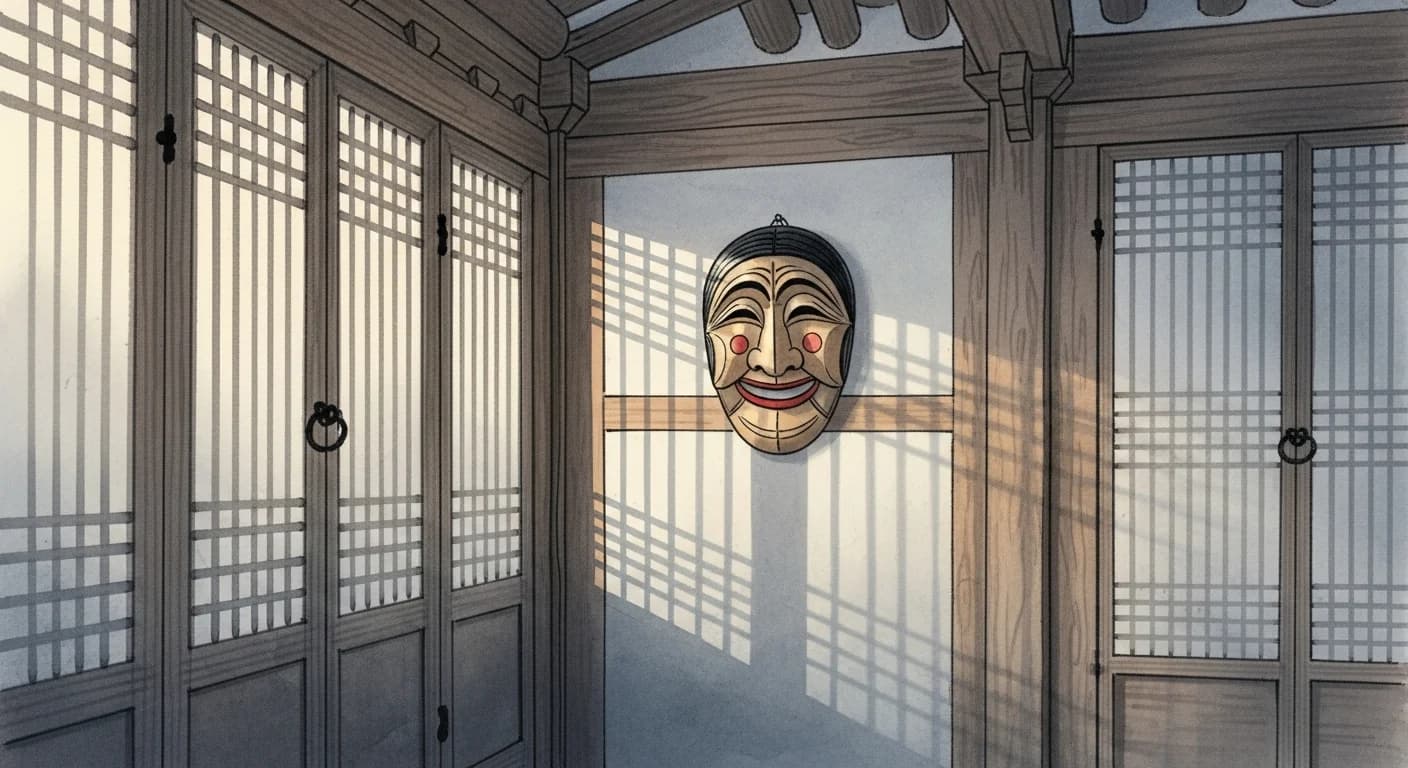
A mask dream is one of the most psychologically layered symbols in Korean dream interpretation. It speaks directly to the gap between the face you show the world and the self you carry within. In Korean tradition, the 탈 (tal) — the ritual mask — was never just a prop. It was a bridge between the sacred and the human, a tool to drive away evil spirits, and a license for transgression and truth-telling in the great mask dance (탈춤) tradition. The legendary hahoetal mask is carved so that a slight tilt of the head shifts its expression from laughter to sorrow — a single face containing multitudes. Whether you wore the mask, removed it, or found yourself confronting a masked figure in your dream, the meaning shifts significantly. Here is what Korean tradition — and modern psychology — say it all means.
Auspicious — Removing the Mask: Liberation and Authentic Self

Removing your own mask in a dream is a powerfully auspicious sign. It signals that a hidden truth is ready to surface, that suppressed talents or emotions are about to receive their due recognition. If you felt relief or joy as the mask came off, that is a strong indicator of personal breakthrough — misunderstandings in relationships will clear, and genuine, authentic connections will open up where there were walls before. Wearing a beautiful or magnificent mask confidently is also auspicious. In the tradition of Korean mask dance, putting on the tal was an act of transformation — stepping beyond one's everyday self into a higher, freer role. This dream foretells taking on a new, elevated position, making a strong positive impression in an important setting, or gaining recognition that has long been deserved.
Inauspicious — Unable to Remove the Mask or Facing a Terrifying One
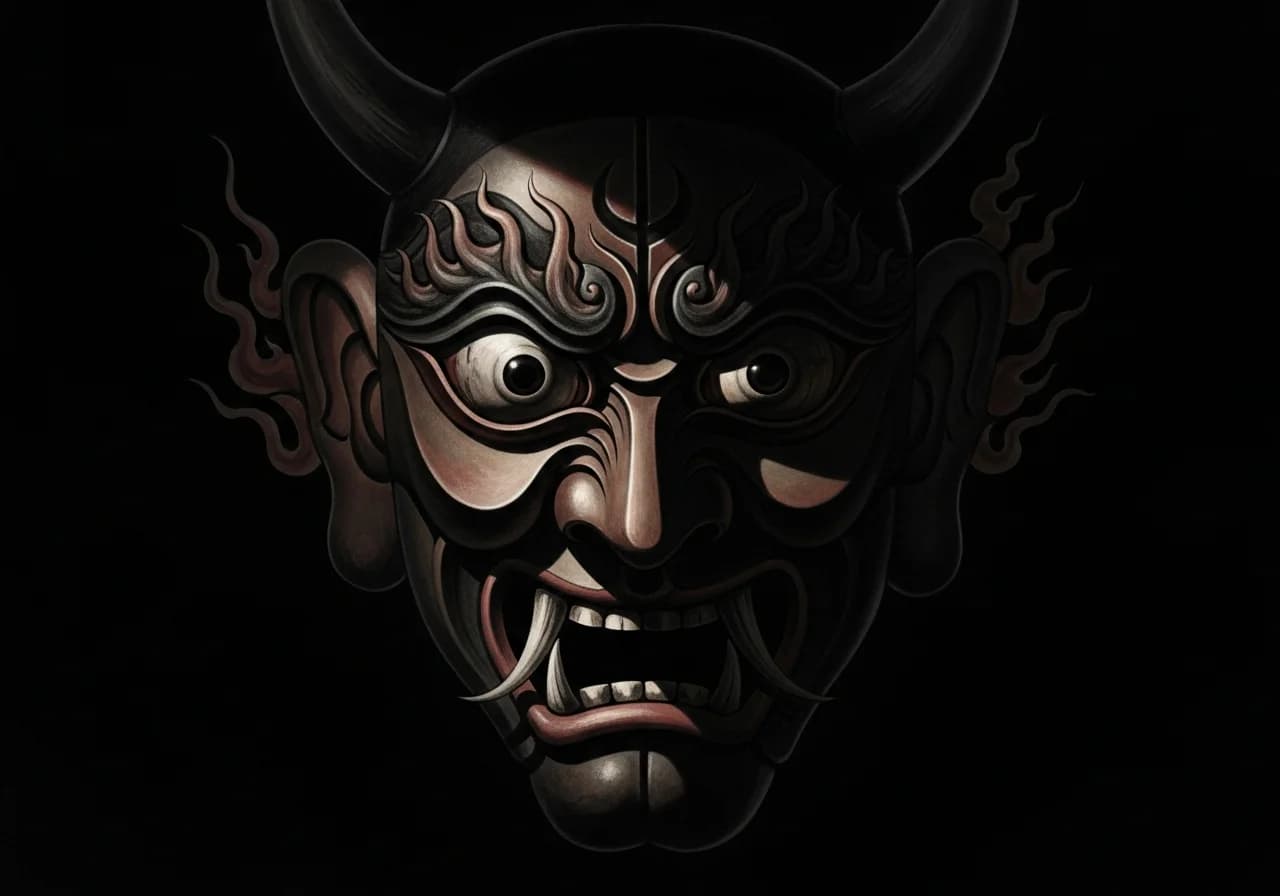
Being unable to remove your own mask in a dream is a serious inner warning. It reflects a state of being so absorbed in social roles and performance that the authentic self is being lost. Burnout, identity confusion, and a growing hollowness in personal relationships may follow if the pattern continues. The dream urges you to create space — however small — for genuine self-expression before the crisis deepens. Seeing a familiar person wearing a mask warns that they may be concealing their true intentions. If that person appeared in a context of trust — a close friend, business partner, or colleague — exercise particular caution in contracts, financial dealings, or decisions that depend on their good faith. Encountering a terrifying or grotesque masked figure signals that an intimidating presence or unresolved conflict is weighing heavily on you in waking life. The fearsome mask may also be a projection of suppressed fear manifesting in symbolic form.
Neutral — Traditional Korean Masks and the Hahoetal
When a traditional Korean mask — a hahoetal, a shamanic ritual mask, or a mask from a tal dance performance — appears in your dream, it represents connection to ancestral heritage and standing at a meaningful crossroads in life. These are neutral omens whose positive or negative quality is determined by the emotional atmosphere of the dream as a whole. A smiling hahoetal is auspicious — bad fortune is retreating and good change is near. A twisted or threatening traditional mask calls attention to suppressed emotions that need acknowledgment. Dreaming of a masquerade ball or mask dance performance suggests you are navigating a complex social environment where appearances and realities may diverge. The dream is an invitation to cultivate discernment.
Dream Variations
Dream of Wearing a Mask
Foretells taking on a new social role or a situation where you must project a certain image. If the mask felt beautiful and empowering, it is auspicious — if heavy and suffocating, it warns of mounting social pressure or inauthentic living.
Dream of Removing a Mask
A powerfully auspicious dream of liberation — shedding long-held masks and revealing your true self. Hidden talents will be recognized, or secrets kept for too long will resolve in a positive way. The stronger the feeling of relief, the more auspicious the omen.
Dream of Someone Else Wearing a Mask
Seeing a familiar person masked warns that they may be hiding their true feelings or living a double life. It urges a careful review of trust in key relationships and caution in important decisions involving that person.
Dream of a Scary or Terrifying Mask
An inauspicious dream reflecting a threatening presence or situation in waking life. The terrifying mask may be a projection of suppressed fear, signaling that psychological preparation is needed to face an impending conflict or crisis.
Dream of a Hahoetal (Traditional Korean Mask)
The appearance of a hahoetal symbolizes connection to ancestral protection and cultural roots. The expression of the mask shapes the meaning — a smiling hahoetal is auspicious, foretelling good news or the departure of misfortune.
Dream of a Traditional Korean Tal Mask
Traditional tal masks in dreams are neutral omens forecasting significant life change or a shift in roles. In shamanic tradition masks were used to repel evil and invite fortune, so when a tal appears in a ritual context it is auspicious — bad luck is retreating and a new beginning is near.
Dream of a Beautiful Mask
A dream of a beautiful, elaborately crafted mask is auspicious — you will make a lasting positive impression and attain a desired position or role. Success in creative or artistic fields and harmony in personal relationships are also suggested.
Dream of Wearing a Medical or Face Mask
Dreaming of a modern face mask reflects a psychological need to shield oneself from external threats, or a pattern of hiding emotions from others. It may also be a projection of health anxiety — a signal to take stock of your physical well-being.
Dream of a Masquerade Ball or Mask Dance Performance
Dreaming of a masquerade ball or mask dance performance suggests you are in the middle of a complex social game where appearances may differ from reality. The dream is a reminder to cultivate discernment and see beyond the surface of the roles being performed around you.
Cultural Context
In Korean culture, the mask — 탈 (tal) — was never merely a prop; it bridged the sacred and the human. From the Three Kingdoms period onward, masks served two functions: exorcism masks (驅儺假面) like the fearsome bangsangshi drove away malevolent spirits at funerals and festivals, while sacred masks (神聖假面) were worn by shamans during spirit-invocation rituals to communicate with divine forces. On this shamanic foundation, mask dance (탈춤) flourished through the Joseon era. Performances such as Bongsan Talnori and Hahoe Byeolsingut Talnori were a form of popular satire — common people donning masks to mock the hypocrisy of the aristocracy (양반), using the disguise as a license for transgression, truth-telling, and temporary social inversion. The celebrated hahoetal masks are carved with deliberate asymmetry so that tilting the head reveals different expressions — laughter and sorrow coexisting on a single face — encoding a profound Korean insight about the multiplicity hidden beneath any single surface. Dream interpretation inherits all of this layered cultural memory: a mask in a dream carries the simultaneous weight of concealment, protection, transformation, and the possibility of deception.
Western Psychological Perspectives
No figure in Western psychology has analyzed the mask more deeply than Carl Gustav Jung. Jung coined the term 'Persona' — borrowed from the Greek word for the masks worn by actors in ancient theatre — to describe the social mask each of us wears in daily life. The Persona is not pathological in itself; it is a necessary adaptation that allows us to function in the complex social world. The problem arises when we over-identify with it. When the mask fuses with the face, the conscious self becomes severed from the deeper Self — the totality of who we truly are — and the result is inner emptiness, identity confusion, and the creeping sense that one has lost the thread back to oneself. In Jungian terms, removing a mask in a dream represents a key stage in the individuation process: the courageous act of setting down the weight of collective expectations and turning toward one's own authentic interior. It is a dream of psychological maturation, not escape. A terrifying or monstrous masked figure may be an encounter with the Shadow archetype — the disowned, repressed darker aspects of the psyche that the conscious mind refuses to acknowledge. When they cannot be integrated consciously, they break through in symbolic form, often projected onto threatening figures in dreams. From a Freudian perspective, wearing a mask in a dream reflects the Ego's performance of a role demanded by the Superego while true desires remain suppressed. Being unable to remove the mask signals a state of intense repression — unconscious impulses that cannot yet rise into awareness. Modern psychology links mask dreams to burnout, Impostor Syndrome — the persistent sense of not being qualified for the role one is performing — and social performance anxiety. Research suggests that higher levels of performance anxiety correlate with more frequent dreams involving disguise or concealment. Where Korean tradition reads masks as signals tied to real-world consequences — deception, social advancement, ancestral connection — Western psychology reads them as maps of the inner landscape. Both traditions share the same core insight: the mask in a dream asks how great the distance is between the self you show and the self you are.
Frequently Asked Questions
A mask dream ultimately asks one question: how much of your life are you living as your true self? If the mask came off and you felt free, take it as encouragement — you are ready to step forward with authenticity. If the mask would not come off and you felt suffocated, start small: find one context where you can speak honestly, without performance. Like the hahoetal that holds both laughter and sorrow on a single carved face, the mask in your dream is a mirror — not a judgment, but an invitation to look more honestly at the distance between who you appear to be and who you actually are.