Screaming Dream Meaning — The Language of Suppressed Emotions
In Korean dream tradition, a scream is never just a scream — it's the shape your suppressed emotions take when they can no longer stay silent. Whether you wake up throat-raw from shouting or find yourself mouthing a soundless cry, Korean 해몽 (dream interpretation) places enormous weight on the type and context of the scream. A triumphant cry from a mountaintop is one of the most auspicious omens in the entire tradition, while a silent, voiceless scream carries one of the most pointed psychological warnings. Here's the twist — the same image of screaming can mean liberation or entrapment, all depending on what drove the scream.
Auspicious Omens: When Screaming Signals Success

Several screaming dream scenarios are considered good omens (길몽) in Korean dream interpretation. Screaming out of anger or injustice signals that suppressed opinions will finally be heard — your goals will be achieved with the support of those around you, and you will overcome rivals. It is a dream of advancement and breakthrough. Screaming for help, rather than signifying weakness, is interpreted as a symbol of remarkable resilience and inner strength: despite all difficulties, you will endure and ultimately receive what you need. Screaming with joy or excitement is a celebration foretold — expect welcome news or the fulfillment of a long-awaited wish. Even waking up from a dream while screaming carries a positive traditional meaning, signaling that good news is on its way. Sleep-talking screams are associated with gaining widespread recognition — your name will be known.
Inauspicious Omens: Silence and Fear in the Dream
Not all screaming dreams carry good news. Hearing screams in a dream (rather than screaming yourself) is a harbinger of approaching difficulties. Distant screams heard from afar are a specific warning about the risk of slander, false accusations, or being talked about negatively behind your back. The most psychologically charged scenario is the silent scream — trying to cry out but producing no sound. This is considered a strong inauspicious omen: it represents feeling genuinely silenced, dismissed, or emotionally suppressed in waking life, and it often accompanies experiences of sleep paralysis. Screaming in terror or fear portends scandals or unexpected conflicts. Hearing a child scream warns that planned goals may not unfold as intended.
Neutral Omens: Fame, Rumors, and the Double Edge
Some screaming dreams occupy a dual space between fortune and misfortune. A stranger's scream may signal that you are not currently receiving the recognition you deserve. A woman's scream in your dream hints that new rumors — neither confirmed positive nor negative — may circulate about you. Traditional Korean dream interpretation often connects screaming to the concept of 'making one's name known to the world,' reflecting a deep cultural association between breaking silence and gaining social recognition. Whether that recognition takes a positive or negative form depends on the broader context and emotional quality of the dream.
Dream Variations
Screaming With No Sound in a Dream
Dreaming of screaming but no sound coming out symbolizes feeling unheard, silenced, or severely suppressed in waking life. Often linked to sleep paralysis (REM atonia — the natural motor suppression during REM sleep), this is considered an inauspicious omen warning of significant communication or emotional expression difficulties. It is a strong signal to seek healthy ways to voice your feelings.
Screaming in Fear in a Dream
Screaming in fear or terror during a dream reflects accumulated anxieties or unacknowledged fears that have been building beneath the surface. It represents suppressed terror breaking through in the dream state and signals that you need to address sources of stress and anxiety before they escalate further. If this dream recurs, it may be worth examining what specific fears or situations you have been avoiding.
Screaming in Anger in a Dream
Screaming out of anger is one of the more auspicious screaming dream types. It signals that suppressed opinions will finally be heard and your goals will be achieved with support from those around you. It is interpreted as a sign of advancement, overcoming rivals, and stepping forward — particularly in career or competitive situations.
Someone Else Screaming in a Dream
When someone else screams in your dream, it reflects worry about that person or anxiety within the relationship. If a familiar person calls your name while screaming, they may be in a genuinely difficult situation in waking life. A stranger's scream suggests you feel overlooked or underappreciated, while distant screams warn of potential slander or false accusations aimed at you.
Screaming for Help in a Dream
Screaming for help in a dream is considered a good omen in Korean tradition, symbolizing high resilience and inner strength. Rather than representing weakness, it suggests that despite difficult circumstances, you will persevere and ultimately achieve what you desire. It may also be a gentle signal that in waking life, you genuinely need to reach out and accept support from others.
Screaming With Joy in a Dream
Screaming in joy or excitement is an auspicious omen symbolizing peak achievement and emotional fulfillment. It is interpreted as a sign that happy news will soon arrive or that a long-awaited wish is about to come true. Pay close attention to opportunities that emerge shortly after this dream.
Suppressing a Scream in a Dream
Trying to suppress a scream in a dream directly mirrors emotional repression in waking life. It reflects situations where you cannot adequately express your feelings or opinions, or where you are overly concerned about how others perceive you. If this dream recurs, it may be time to practice asserting your voice more deliberately.
Hearing a Child Scream in a Dream
Hearing a child scream in a dream is an inauspicious omen warning that planned goals may not come to fruition as intended. If the child is screaming for their mother, it hints that someone close to you — or your own inner child — may be in a vulnerable or difficult situation. Review current plans carefully.
Screaming at the Sea in a Dream
Screaming while gazing at the sea is considered a good omen, foretelling good fortune in a new business venture or project. Like the vast ocean opening before you, new paths will emerge, and bold and enterprising efforts will bear positive fruit. This is a favorable dream for anyone considering a new creative or business endeavor.
Screaming on a Mountain in a Dream
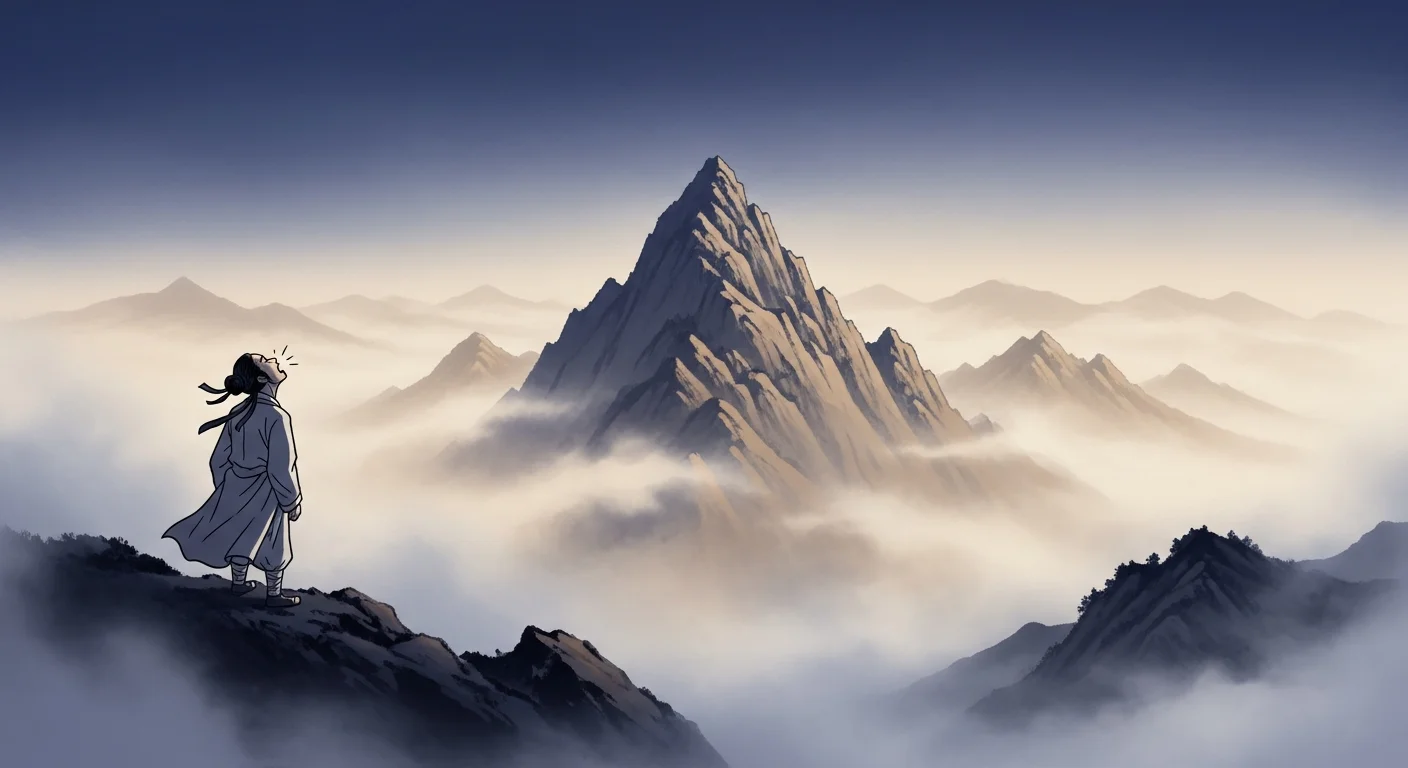
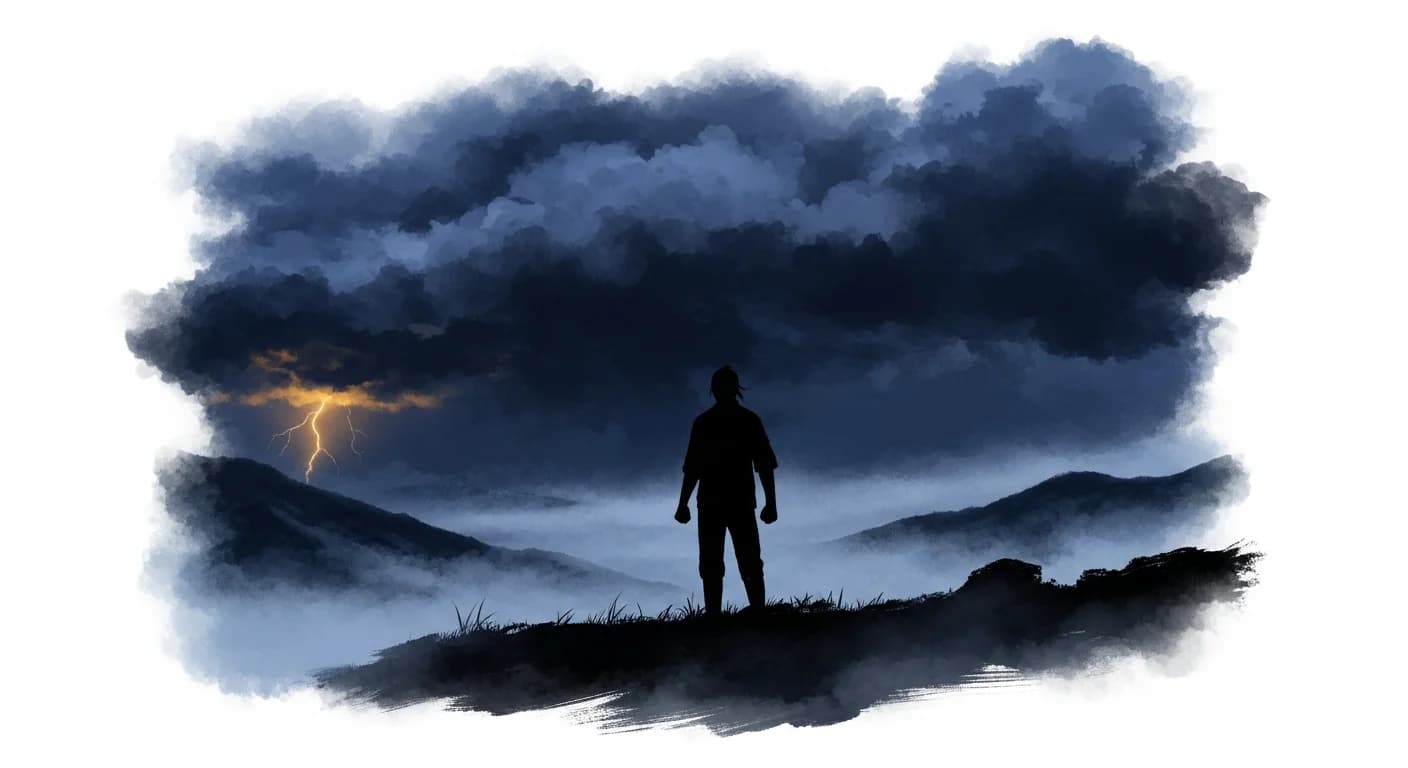
Screaming at the top of your lungs from a mountain peak is one of the most auspicious screaming dreams — signifying that your deepest wishes will be fulfilled exactly as intended. It foretells success, triumph, and a refreshed spirit. The act of projecting your voice across a vast landscape symbolizes your will and aspirations being fully received and recognized by the world.
Crying and Screaming in a Dream
Crying and screaming simultaneously in a dream symbolizes the beginning of emotional healing — the acceptance and processing of past wounds or regrets. Though the dream may feel distressing, it is actually a positive sign that inner cleansing and emotional resolution are underway. Expect a period of catharsis and renewal following this dream.
Cultural Context
To understand screaming dreams within Korean tradition, you need to understand 'Han (恨)' — one of the most distinctive emotional concepts in Korean culture. Han is an untranslatable compound of accumulated grief, injustice, anger, and sorrow that individuals were historically unable to freely express. For centuries, open expression of personal emotions — particularly anger — was socially discouraged in Korean society, giving rise to 'Hwa-byung (火病)': a culturally-bound stress syndrome recognized by the World Health Organization as distinctly Korean. Hwa-byung manifests as chest tightness, waves of heat, depression, and physical distress caused by years of suppressing anger and resentment. Screaming dreams, viewed through this cultural lens, represent the explosive release of 'han' — the pent-up emotions that cannot be voiced in waking life finding their only outlet in the dream world. The traditional Korean interpretation connecting screaming dreams to gaining fame, making one's name known widely, and moving people emotionally reflects a collective unconscious wish: that suppressed emotions, once finally expressed, may transform into social recognition and validation.
Western Psychological Perspectives
Western psychology approaches screaming dreams as one of the most psychologically revealing dream types, and the frameworks it offers are strikingly complementary to Korean interpretive tradition.
From a Freudian perspective, screaming in dreams represents an eruption of repressed impulses or desires from the id breaking through the ego's censorship. The scream symbolizes unconscious conflict, unresolved libidinal energy, or primal fear seeking expression through the safe symbolic space of dreams. A soundless scream, in particular, indicates that the ego continues to exert strong suppression over the id's impulses — the pressure is building, but the release is still blocked.
In Jungian analytical psychology, screaming in dreams is interpreted as an urgent message from the Shadow — the unintegrated aspects of the self — or from the collective unconscious. The screaming figure symbolizes repressed or denied aspects of the personality that are demanding acknowledgment and integration. Jung would view such dreams as part of the psyche's drive toward individuation: the lifelong process of achieving psychological wholeness by confronting and assimilating the disowned parts of the self.
Modern psychology takes a more practical lens. Screaming dreams are understood as the emotional regulation system's alarm signal — an indicator that unprocessed daily stress, anxiety, and feelings of powerlessness are surfacing during the brain's nocturnal emotional processing. The silent scream specifically is often connected to REM atonia, the natural motor paralysis during REM sleep, and psychologically represents the feeling of being ignored or unable to make one's voice heard in waking life.
Cross-culturally, the symbolism of screaming in dreams is surprisingly consistent in one important way: it is universally linked to breaking silence and making presence known. Chinese folk tradition considers dream screams and loud sounds as auspicious — a way of dispelling misfortune. Native American traditions interpret dream screaming as a spiritual purification. Western Christian tradition echoes the cries of prophets seeking divine intervention. Across all these traditions, as in Korean 해몽, the screaming dream asks the same fundamental question: what are you holding inside that needs, urgently, to be heard?
Frequently Asked Questions
Whether your dream scream was triumphant or terrified, it carries a message worth listening to. Korean dream tradition teaches us that the voice we use in dreams — or desperately try to use — reflects the emotional truths we struggle to speak in waking life. If you dreamed of screaming from a mountaintop, take it as encouragement: the world is ready to hear you. If your scream was silent, take it as a compassionate nudge — what you're holding inside deserves expression. The scream in your dream is not noise. It is language.
Related Dreams
Crying Dream Meaning: The Korean Paradox Where Dream Tears Become Real Joy
Being Chased Dream Meaning

Falling Dream Meaning — Is It Always a Bad Omen?
Fighting Dream Meaning — Why Korean Dream Tradition Says Fighting Is Often Good News
Anger Dream Meaning: What Korean Dream Tradition Says About Dreams of Rage
Nightmare Dream Meaning — What Korean Tradition Says About Bad Dreams