Skin Wound Dream Meaning and Interpretation
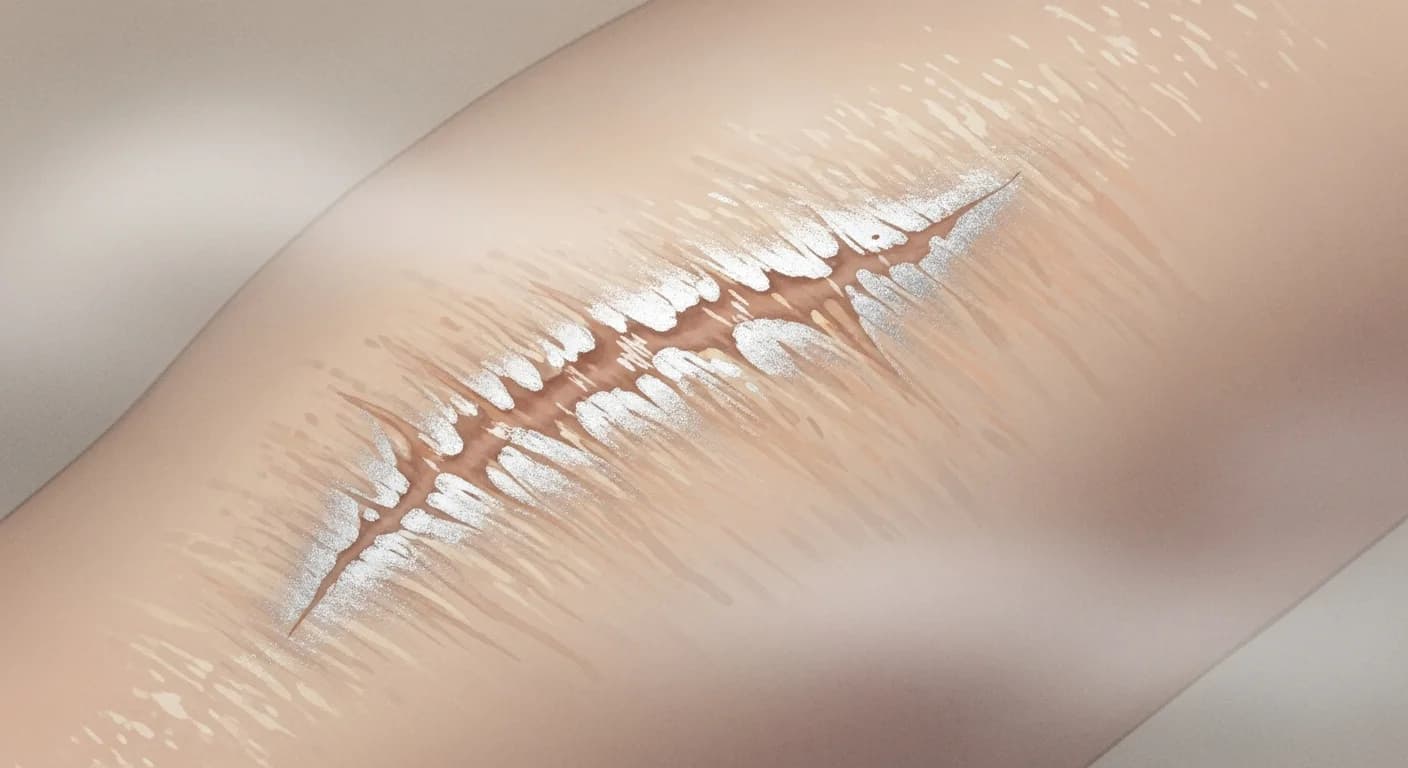
Waking up from a dream where you clearly felt a wound on your skin can leave a lasting impression. In Korean dream interpretation, wounds on the body are powerful symbolic messages — most often warning of interpersonal conflict, financial loss, or emotional strain. But the story shifts dramatically depending on context: a wound that heals, or one suffered in battle, can actually be a sign of good fortune ahead. The location and circumstances of the wound are everything.
Inauspicious — Warning of Conflict and Loss

A wound appearing on the skin during a dream most commonly signals instability in your waking life. Tensions may surface in close relationships, or unexpected obstacles may derail business plans and personal goals. When a wound in the dream widens or deepens, it suggests the issue won't resolve quickly and may escalate. Wounds that refuse to heal warn of a persistent problem that requires a fundamentally different approach — or someone in your circle who does not have your best interests at heart.
Auspicious — Healing and Good Fortune

Not all wound dreams carry dark omens. A wound closing and healing in a dream is among the most positive signs in Korean folk interpretation — it signals that you are emerging from past pain, trauma, or hardship and entering a fortunate new chapter. Similarly, receiving a wound and bleeding during battle or fierce competition is traditionally read as a herald of unexpected financial success and recognition from others. The presence of blood in these battle contexts is the key indicator that shifts the meaning from loss to gain.
Neutral — Empathy and Self-Awareness
Dreams of treating or caring for someone else's wound reflect a deeply caring, empathetic nature. This type of dream suggests that the kindness you extend to others will eventually return to you as support and assistance when you need it most. An itching wound signals that a conflict or problem is beginning to surface — one that needs attention before it grows. Treating your own wound symbolizes an inner confidence in your ability to handle difficulties independently, even when circumstances feel overwhelming.
Dream Variations
Cut by a Knife Dream
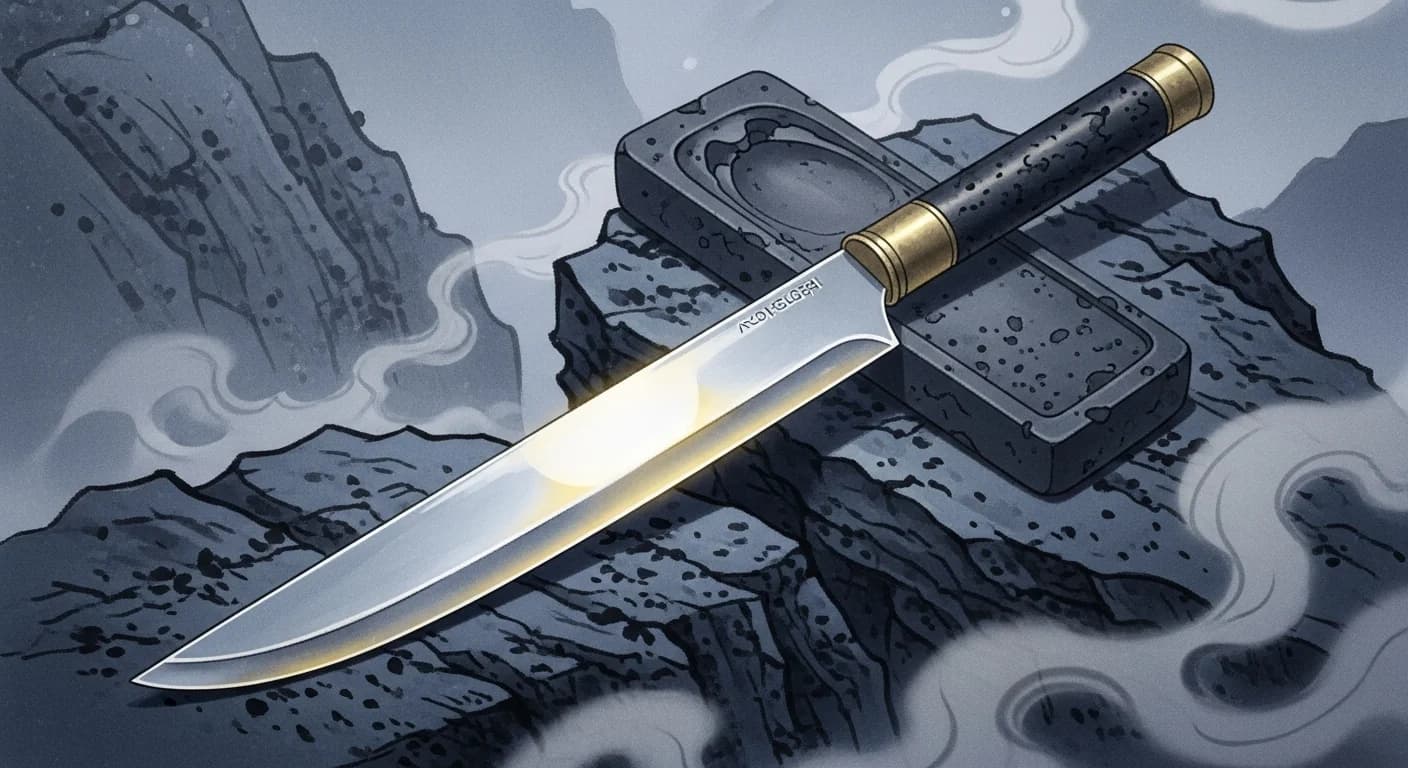
Being cut by a knife warns of sharp words, betrayal, or verbal attacks causing emotional wounds. Exercise caution with those who speak harshly, and be alert to gossip or scandal. Financial loss is also a possibility in this context.
Scratch or Abrasion Wound Dream
A minor scratch or abrasion in a dream reflects a series of small frictions and petty conflicts accumulating to drain your energy. No single issue may feel serious, but the cumulative effect of everyday friction can become surprisingly taxing. Approach minor irritations with patience.
Bruise Dream
A bruise appearing on the skin represents invisible, internal wounds — suppressed emotions or unspoken pain. On the surface you may appear fine, but unresolved feelings are building up within. This dream gently urges you to make space to acknowledge and process what you've been holding inside.
Wound Bleeding Dream
The meaning of a bleeding wound depends heavily on context. In a battle or struggle, bleeding from wounds on the arms or legs is auspicious — it predicts financial fortune and the timely appearance of a helpful ally. However, bleeding while attempting a new venture or change suggests a lack of preparation or confidence that needs to be addressed.
Wound on the Face Dream
In Korean culture, the face carries the weight of one's social honor and reputation (체면, chemyeon). A wound on the face warns of potential public criticism, reputational damage, or loss of social standing. It can also indicate wasting time and effort on matters that don't serve you. Tact and mindfulness in your words and actions are advised.
Wound on the Hand Dream
The hands symbolize capability, work, and action. A wound on the hand foretells professional misfortune, loss of status, or setbacks in business or career. The dream advises against impulsive decisions and reckless behavior in your current work — careful, deliberate action is what's called for.
Wound on the Foot Dream
Feet represent your direction and journey through life. A foot wound indicates emotional or practical obstacles that are blocking your forward progress. Rather than avoiding or denying these difficulties, the dream encourages you to confront them directly — only then can you move forward freely.
Deep Wound Dream
A deep wound that cuts beneath the surface is one of the stronger warning signs in wound dream interpretation. It signals that someone with malicious intent may be operating within your close circle — appearing friendly on the outside but harboring harmful intentions. A careful reassessment of your relationships is warranted.
Wound Healing Dream
A wound visibly healing — closing and generating new skin — is the most auspicious wound dream of all. It foretells recovery from long-standing pain or trauma and the arrival of a stable, happy period ahead. This is a dream that validates the emotional work you've been doing on yourself.
Scar Remaining Dream
When a wound leaves a permanent scar in a dream, it symbolizes past pain that has not yet been fully processed or healed. Old experiences continue to cast a shadow over your current emotions and behavior. The dream invites you to face and accept those experiences rather than allowing them to quietly shape your present.
Seeing Another Person's Wound Dream
Witnessing someone else's wound in a dream suggests that difficulties connected to that person may arise. They may face hardship, or you may find yourself directly involved in navigating their troubles. It is worth reflecting on your current relationship with whoever appeared in the dream.
Animal Bite Wound Dream
Being bitten by an animal resulting in a wound, particularly on the arms or legs, can carry surprisingly auspicious meaning. If blood flows from the wound, it may signal that a helpful ally will appear during a difficult time, or that unexpected financial good fortune is on its way.
Cultural Context
In Korean folk dream tradition, wounds on the body carry layered symbolic weight that extends far beyond physical pain. The body in Korean shamanic and folk belief systems represents a person's social position, honor, and life force — making wounds in dreams significant omens that speak to one's entire life circumstances. Facial wounds hold particular gravity in Korean culture, where the concept of chemyeon (체면) — a social face or honor — is deeply embedded. A facial wound in a dream has long been understood as a warning of public humiliation or a fall from social standing. Blood carries a dual symbolism in Korean tradition, representing both vital life force and material wealth simultaneously. This duality means that bleeding wounds are ambiguous: free-flowing blood can signal incoming wealth, while uncontrolled bleeding warns of life force being depleted. In shamanic practice (무속, musok), wound dreams were sometimes interpreted as messages from ancestral spirits or guardian deities, alerting the dreamer to real dangers or conflicts in their waking life. A shaman might recommend a ritual cleansing ceremony in response. A particularly distinctive folk concept is that of 'surrogate suffering' — the belief that a wound suffered in a dream absorbs suffering that would otherwise manifest in waking reality. Under this view, enduring an injury in a dream is not misfortune, but rather a form of protection: the dream took the blow on your behalf.
Western Psychological Perspectives
Western psychological and dream analysis traditions bring a rich interpretive framework to skin wound dreams that complements the Korean folk perspective. Sigmund Freud viewed the skin as the boundary of the ego — the barrier separating the self from the outside world. A wound to that skin in a dream, for Freud, represented a breach in the ego's defenses, exposing underlying anxieties about repressed internal conflicts or external threats. He frequently connected bodily injury dreams to castration anxiety, unconscious guilt, or fear of punishment from the superego.
Carl Jung offered a different but equally rich reading. In analytical psychology, skin wound dreams are viewed as part of the individuation process — the lifelong journey toward psychological wholeness. The wound represents the necessary pain of the ego encountering the Shadow: those aspects of the self that have been repressed, denied, or never acknowledged. Rather than something to fear, the wound is evidence of confrontation and growth. A healing wound, in Jungian terms, is a deeply positive archetypal image, signaling that integration of the Shadow is underway and that the psyche is moving toward wholeness.
Modern cognitive science takes a more pragmatic view: wound dreams are the brain processing real-life stress, social conflict, or health-related worries during sleep. They are particularly common during periods of high interpersonal tension or after experiencing emotional setbacks. Recurring wound dreams can be a clinical indicator of PTSD or chronic difficulties with emotional regulation, and may warrant professional psychological support. Across all cultural frameworks, the wound in dreams is a near-universal symbol of vulnerability, loss, and the human capacity for healing.
Frequently Asked Questions
Skin wound dreams are predominantly inauspicious in Korean folk tradition, warning of interpersonal conflict, financial loss, and damage to reputation. Yet the picture shifts meaningfully based on context: healing wounds and battle wounds with flowing blood are genuinely positive omens. The location of the wound, whether it bleeds, and how you felt during the dream are the keys to accurate interpretation. Whatever message the dream carries, it offers a valuable prompt to reflect on your relationships, emotional state, and where in your life you may need to proceed with greater care.