Strangling Dream Meaning — A Korean Dream Interpretation Guide
If you dreamed of strangling someone last night, Korean dream tradition may surprise you — it can actually be a sign of good fortune. Traditional Korean dream interpretation (꿈해몽) views the act of strangling as a powerful symbol of removing obstacles and prevailing in conflict, rooted in the belief that the neck (목) is the passage through which life force and will flow. But here's the crucial flip: whether this dream is auspicious or a warning depends entirely on who is doing the strangling.
Auspicious Signs: Removing Obstacles and Gaining the Upper Hand
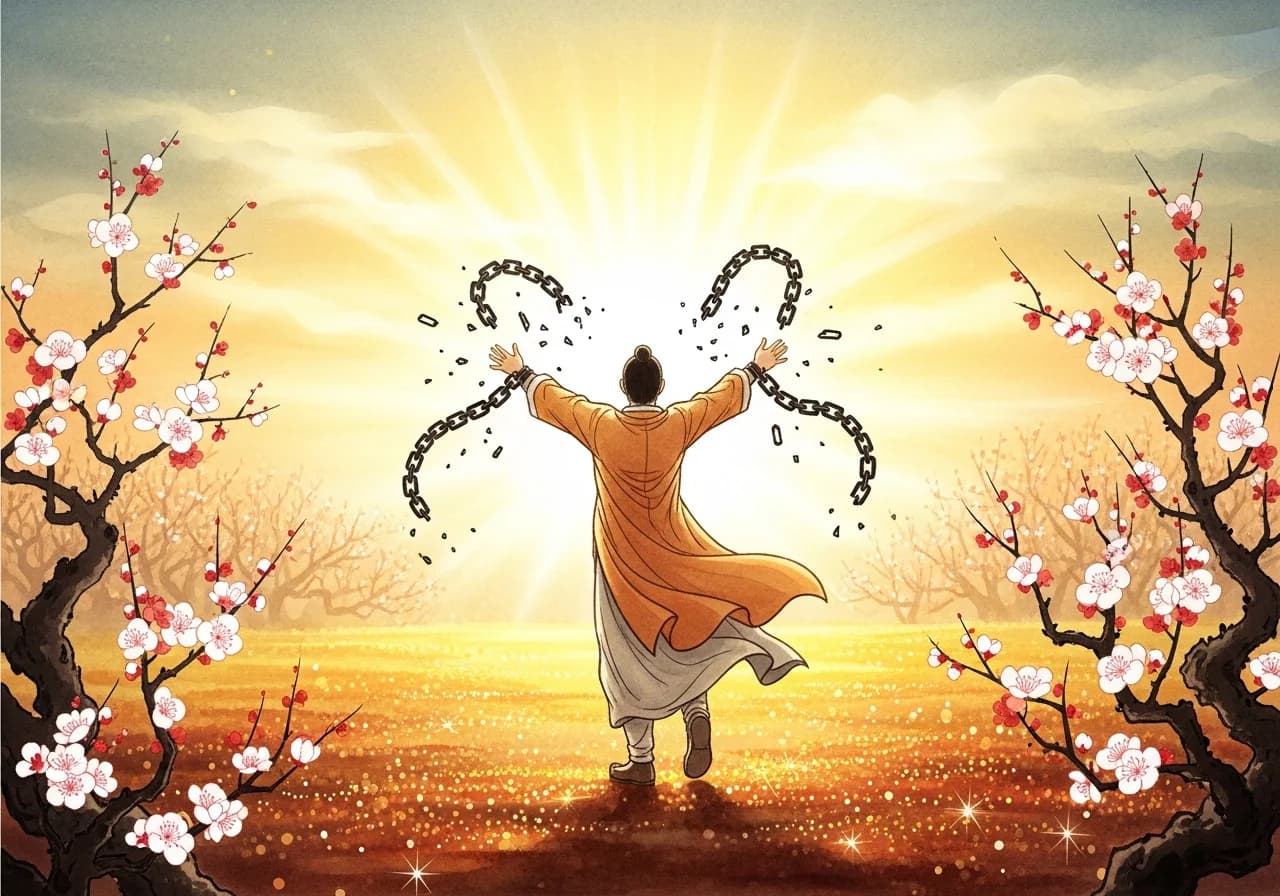
In Korean dream tradition, dreaming of strangling another person is classified as a 길몽 (auspicious dream). It is interpreted as a sign that obstacles or people blocking your progress in real life will gradually be removed — a turning point where long-standing problems finally get resolved. If the act felt decisive and full of conviction, the dream carries even stronger positive energy, suggesting you will achieve your goals through sheer determination.
If the person you strangled was an enemy, rival, or someone who has been causing you difficulty, the interpretation becomes more specifically optimistic: an opportunity to resolve that conflict or definitively overcome that person is approaching in waking life. Korean folk dream almanacs specifically record this type of dream as a portent of victory in competition or litigation.
Inauspicious Warnings: Business Hardship and Financial Pressure
Being strangled in a dream (the passive form) is one of the classic 흉몽 (inauspicious dreams) in Korean tradition. It warns that interference from adversaries may disrupt your work or business, or that worsening financial circumstances lie ahead. Traditional Korean dream interpretation specifically cautions that being strangled by a robber or assailant may signal misfortune for one's family or close relatives.
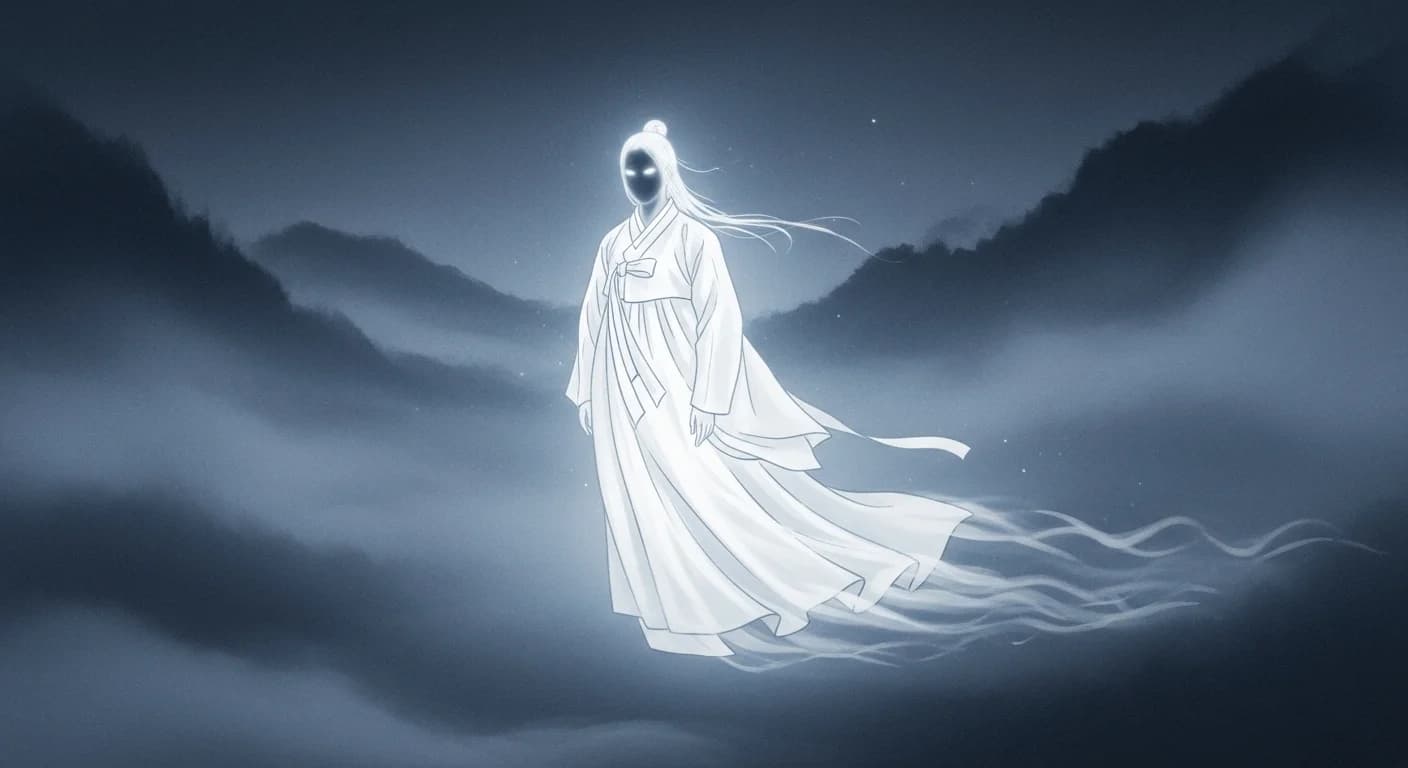
Being strangled by a ghost or an unidentifiable entity carries a heavier psychological meaning. It signals that unresolved inner anxiety has reached a critical point — repressed emotions or unaddressed psychological conflict have forced their way into the dreamscape. These dreams tend to appear most frequently during periods of financial stress, interpersonal conflict, or when living in an oppressive environment.
Neutral Dreams: Messages About Emotional Suppression
Strangling yourself in a dream is a neutral warning dream. It directly reflects intense self-blame, guilt, or the chronic suppression of emotional expression. If you've been habitually denying your own needs or swallowing what you truly feel, this dream may be the result.
Surviving strangulation in a dream is the most hopeful signal in this category — closer to an auspicious dream than a warning. It symbolizes that you have the inner strength to break free from whatever is currently suffocating you, and that a reversal of circumstances is possible.
Wealth and Career Fortune
When strangling dreams connect to financial and career fortune, the direction depends on who holds power in the dream. Strangling another person can signal that a stalled financial situation will improve, or that you will gain the upper hand in a competitive business scenario — especially if you are approaching a contract negotiation or business dispute.
Being strangled, by contrast, warns of financial pressure. Being strangled by a snake is particularly notable: since snakes in Korean dream tradition symbolize wealth and wisdom, a snake strangling you inverts that symbolism into a warning about financial loss, jealousy from competitors, or entanglement in complex relationships. Caution with investments and new business ventures is advised.
Relationships and Family
Strangling a family member in a dream is one of the most distressing dream scenarios for many people — but it does not reflect a genuine desire to harm that person. Korean dream interpretation reads it as a signal that unexpressed resentment or suppressed emotions within that close relationship are close to a breaking point. The unconscious is asking you to bring the unspoken conflict to the surface.
Strangling a stranger in a dream indicates accumulated anger toward vague external pressures — society, circumstances, the feeling of being ignored — rather than any specific individual. It tends to appear when you feel consistently unheard or overridden in your daily environment.
Dream Variations
Strangling a stranger in a dream
This indicates accumulated frustration toward external pressures or social oppression in real life — anger directed at circumstances rather than a specific person. It tends to arise when you feel persistently unheard or powerless in your environment, and signals that internal resistance energy is building. Finding an outlet for your voice and emotions becomes important after this dream.
Strangling a family member in a dream
One of the most unsettling scenarios, but it does not reflect actual hostility. It signals that unexpressed resentment or suppressed emotions within a close relationship are close to a breaking point. The unconscious is urging you to surface and address what has gone unspoken. After this dream, an honest conversation with that family member can be genuinely healing.
Strangling an enemy or rival in a dream
An auspicious sign. Overpowering someone who has been competing with you or causing you difficulty in the dream world suggests that an opportunity to prevail over them in real life is approaching. The calmer and more deliberate the act felt in the dream, the more favorable the outcome is expected to be.
A ghost strangling you in a dream
Being strangled by a ghost or undefined entity signals that unresolved fears, past trauma, or guilt are generating unconscious pressure. These dreams frequently arise during periods of intense stress or emotional suppression. Rather than interpreting it literally, treat it as a cue to check in with your mental and emotional well-being.
A snake strangling you in a dream
Snakes in Korean tradition typically symbolize wealth and wisdom, but a snake strangling you inverts that into a warning. It cautions against financial pressure, envy or jealousy from others, or toxic interpersonal entanglements. Extra care with financial transactions, investments, and close relationships is advised in the period following this dream.
Strangling a cat in a dream
This symbolizes a desire to control someone who is independent and free-spirited in your life — or the excessive suppression of your own instincts. It is a gentle neutral warning that emotional rebalancing is needed, suggesting you reconnect with your own natural impulses rather than forcing control over yourself or others.
Being strangled but surviving in a dream
An auspicious dream carrying a message of resilience. It symbolizes that you have the inner strength to overcome the pressures and crises currently weighing on you, and that liberation from oppressive circumstances is possible. If you are going through a difficult time, this dream is the unconscious sending encouragement: hold on.
Being strangled to death in a dream
An inauspicious dream reflecting extreme stress and emotional suffocation in waking life. It warns that your will or voice is being completely overridden, or that you are enduring serious oppression. If this dream recurs, it is a strong signal to seek support — from trusted people or a professional — and consider making fundamental changes to your current situation.
Strangling yourself in a dream
A neutral warning dream revealing intense self-blame, guilt, or a pattern of chronically suppressing emotional expression. You are doing to yourself what you fear others might do — silencing your own voice. This dream asks you to practice greater self-compassion and find safer ways to let your emotions breathe.
Watching someone else being strangled in a dream
Observing another person being strangled can suggest that a competitor or adversary will encounter difficulties that create favorable conditions for you. However, if guilt or unease arose during the dream as a bystander, it may be worth examining whether there are relationships in your waking life where you have been passive when you might have helped.
Cultural Context
In Korean traditional dream interpretation (꿈해몽), the neck (목, 頸) is far more than a physical body part. It is regarded as the vital passage through which life force (기운), speech, and will flow outward. To strangle — to block that passage — therefore carries two major cultural readings.
The first is the elimination of obstacles. Overpowering what suppresses you in the dreamworld is understood as gathering the energy to overcome real-life barriers. Korean folk dream almanacs explicitly record dreams of strangling another person as portents of victory in competition, business disputes, or litigation — an expression of powerful psychological will overcoming opposition.
The second is the warning of suffocation. Being strangled yourself signals blocked life energy, forecasting difficulty across health, wealth, and relationships. Being strangled by a robber was traditionally considered especially ominous for household fortune and the safety of valuables.
This dream tradition also reflects a deeper cultural pattern. In a society long shaped by Confucian norms — where restraining emotion was considered a virtue — the neck as the site of both expression and suppression became a recurring symbol in Korean dream culture. The 'strangled' dream became a way of articulating what could not be spoken aloud.
Western Psychological Perspectives
Western psychology brings several rich frameworks to strangling dreams, each illuminating a different dimension of what the unconscious may be processing.
Freud's interpretation anchors the symbolism in repressed aggression. He analyzed a patient who dreamed of strangling a small white dog — later revealed to represent a despised sister-in-law — as a textbook case of the displacement mechanism: the target of hostility was substituted with a less threatening figure. For Freud, strangling in a dream represents the release of suppressed anger and the desire for control over a specific person or situation that the waking mind cannot safely acknowledge.
Jung offered a broader structural lens. Strangling dreams, in Jungian terms, are expressions of the Shadow archetype — the suppressed, darker aspects of the self that accumulate in the unconscious: aggression, the drive for dominance, raw anger. Jung explicitly did not view these dreams as pathological. Instead, he read them as invitations: the Shadow is asking to be integrated, not further suppressed. Engaging with what this dream reveals about your unlived psychological life is the beginning of genuine inner growth.
Modern cognitive-behavioral perspectives view strangling dreams as the brain's stress-response system working during sleep. They are especially common in people navigating workplace power conflicts, oppressive relationship dynamics, or situations in which they feel chronically unable to express themselves. The dream functions as a somatic signal — a call for better emotional expression and healthier boundary-setting in waking life.
Across cultures, the symbolism converges on a single theme: being silenced. Medieval European traditions interpreted nocturnal choking sensations as demonic attack. Islamic dream interpretation links strangling to guilt or the suppression of truth. Buddhist thought frames it as karmic entanglement blocking liberation. Hindu tradition reads it as divine will (Garuda) subjugating primal desire (Naga). In every tradition, the strangling dream asks the same question: what in you is being kept from its voice?
Frequently Asked Questions
Strangling dreams may feel disturbing, but Korean dream tradition and modern psychology both invite you to listen rather than recoil. Whether the dream is a signal of obstacles being cleared, a warning to protect your finances, or an urgent message from your own suppressed inner life — it is your unconscious speaking in the only language forceful enough to get your attention. Pay close attention to who held the power in the dream, and let that guide you toward the insight your waking mind may have been avoiding.