Tattoo Dream Meaning — What Korean Tradition Says About Ink on Your Skin
If a tattoo appeared on your skin in last night's dream, Korean dream tradition sees it as more than body art — it is a mark that cannot be undone, and that permanence is exactly what gives this dream its power. In Korean 해몽 (dream interpretation), tattoos carry centuries of cultural weight rooted in a historical punishment called jajahyeong, in which criminals were branded with their crimes on their faces. Here is where it gets interesting: whether that tattoo stayed on your skin or faded away completely changes the entire reading.
Inauspicious Meanings: What Tattoo Dreams Warn Against

Korean dream interpretation generally treats tattoo dreams as cautionary omens, and for good reason rooted in cultural history. Dreaming of getting a tattoo warns of a loss of freedom and impending hardship — unexpected accidents causing physical injury, or major disruptions to ongoing projects. When your dream body is already covered in tattoos, the omen intensifies: it signals a period of declining fortune and physical or mental strain approaching. There is also a social dimension to this warning. Tattoos in Korean tradition have long been associated with being bound to a group or organization, so this dream can specifically caution against entering new commitments or pledges impulsively. If you dream of your partner returning home with a new tattoo, pay closer attention to their health and circumstances — the dream warns that negative changes may be coming their way.
Auspicious Meanings: When Tattoos Bring Good News
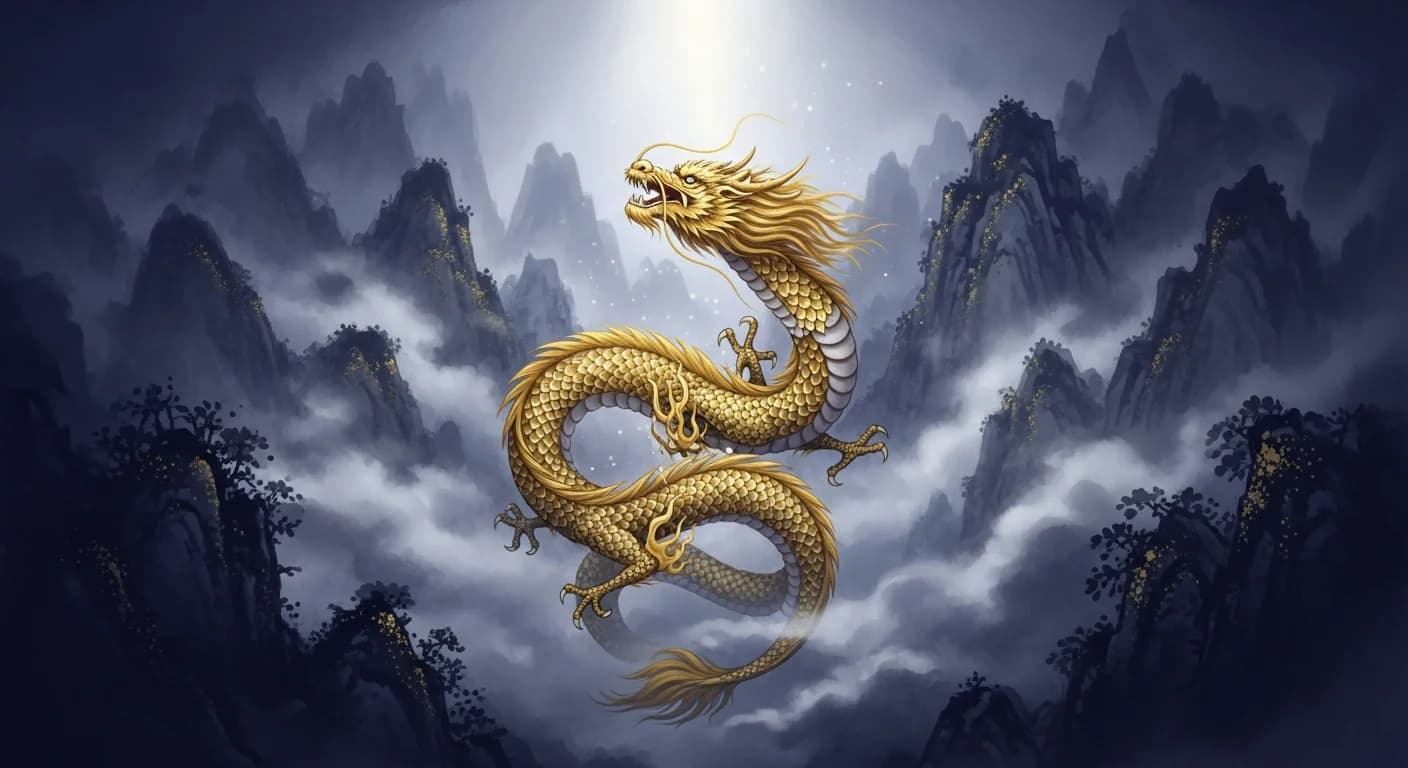
Not every tattoo dream is a warning. Dreaming of a tattoo fading, blurring, or disappearing entirely flips the reading: this is a welcome sign that long-standing worries will resolve themselves and you will break free from a negative situation. Stagnant projects will begin to move forward. One of the most intriguing auspicious scenarios involves a dragon. If in your dream what first appeared to be a real dragon coiling around your body turns out to be a tattoo, Korean tradition reads this as a sign of minor good fortune and recognition of your efforts. The catch: this fortune will not materialize on its own. You need to actively pursue your goals for the luck to fully bear fruit.
Neutral Meanings: Dreams That Prompt Self-Reflection
Some tattoo dreams sit between fortune and misfortune — they are the subconscious nudging you toward honest self-examination. Dreaming of deeply regretting a tattoo reflects remorse over assertive words or decisive actions in your waking life. Something you said or did — probably something irreversible — is still weighing on you beneath the surface. Similarly, dreaming that a tattoo design looks wrong or unsatisfying to you signals dissatisfaction with a past decision or life direction. These dreams are not omens to fear but invitations: something in your current path is asking to be reconsidered.
Dream Variations
Tattoo on Arm Dream
An arm tattoo dream carries dual possibilities. On one side, it can hint at a new romance blossoming with someone you already know. On the other, it warns of becoming bound to a group or sustaining an unexpected arm injury. The emotional tone of the dream is your guide: if getting the tattoo felt pleasant, lean toward the romantic interpretation; if it felt painful or forced, take the warning seriously.
Face Tattoo Dream
A face tattoo dream reflects a desire to project strength, aggression, or an intense impression on others. In Korean cultural history, face tattoos were literally used to permanently mark criminals — so dreaming of one warns you to be mindful of your reputation and how your words and actions are being perceived by those around you right now.
Dragon Tattoo Dream
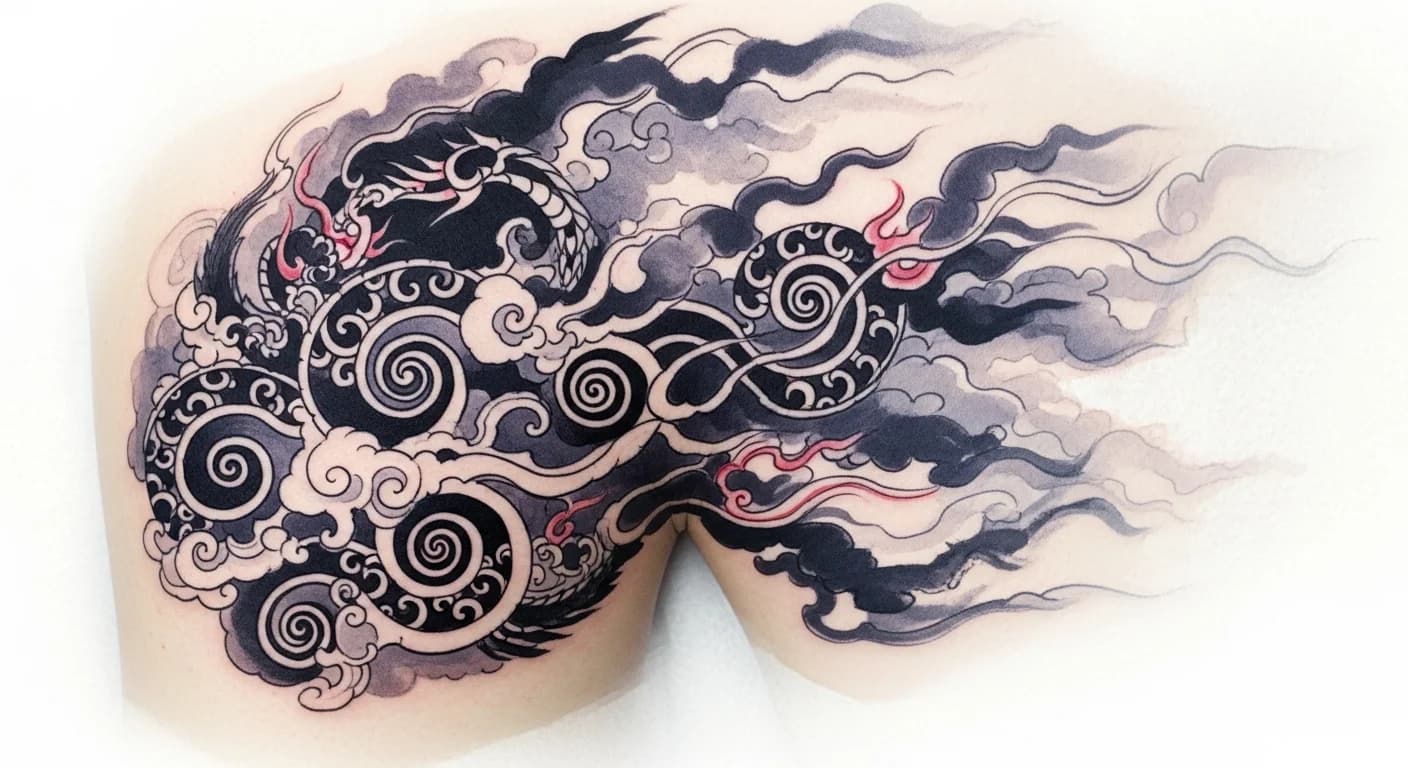
A dragon coiling around your body that turns out to be a tattoo is one of the few auspicious tattoo dreams in Korean tradition. It symbolizes a desire to express inner strength and personal power, and signals that recognition or minor good fortune is on its way — provided you actively work for it.
Flower Tattoo Dream
Flower tattoos in dreams symbolize beauty, growth, and new beginnings — positive changes are on the horizon. One exception worth noting: a butterfly tattoo may carry a health-related warning rather than a cheerful omen. Pay attention to the specific flower or insect in your dream, as these details carry their own symbolic weight.
Tattoo Removal Dream
Dreaming of removing a tattoo is a powerful symbol of wanting to correct the past. You are ready — at least psychologically — to let go of relationships, identities, or decisions that no longer serve who you are becoming. The timing is right to move toward meaningful change.
Full Body Tattoo Dream
Dreaming of tattoos covering your entire body is a strong warning signal. It suggests multiple difficulties arriving simultaneously from different directions, along with heightened risk of accidents. Scale back ambitious plans for now and prioritize safety and caution in daily life.
Giving Someone a Tattoo Dream
When you are the one tattooing someone else, the dream signals a creative awakening and personal transformation underway. It can also reflect a psychological desire to leave your mark on others — to share your ideas, values, or influence with the world around you.
Colorful Tattoo Dream
Vivid, multicolored tattoos in a dream express a strong desire for self-expression and a subconscious hunger to reclaim vitality and excitement. If daily life has felt repetitive or dull, this dream is your inner self making a case for change — consider exploring new creative outlets or hobbies.
Leg Tattoo Dream
A leg tattoo dream is traditionally considered inauspicious in Korean interpretation, warning that an unfortunate event may affect a family member or someone close to you. Check in with loved ones and pay extra attention to the well-being of those around you.
Unfinished Tattoo Dream
An incomplete tattoo — work that stopped midway — represents unresolved matters or unfinished relationships in your waking life. The dream is telling you that the time has come to face and resolve what you have been putting off, whether that is a decision, a conversation, or a long-delayed commitment.
Cultural Context
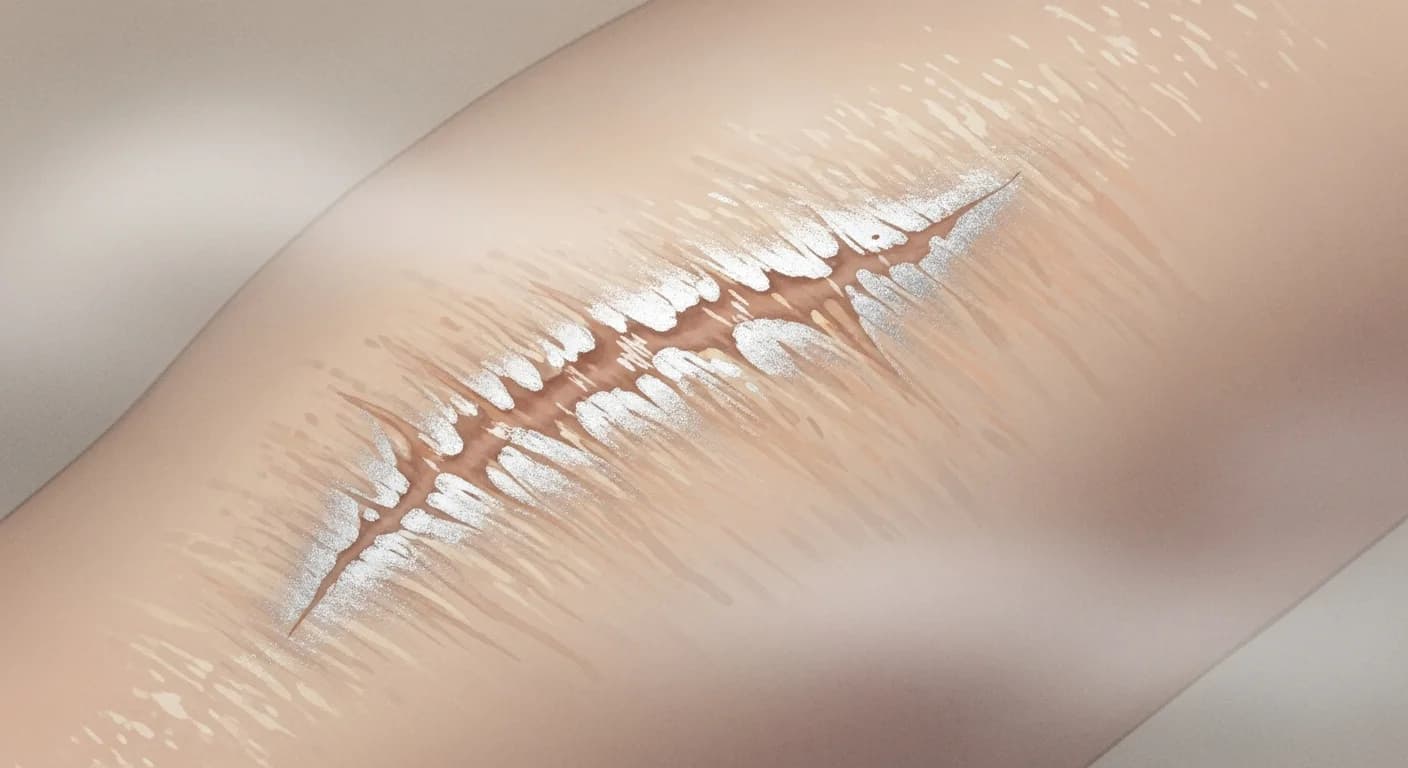
Tattoos occupy a uniquely loaded place in Korean cultural history, and understanding that history unlocks the full meaning of tattoo dreams. During the Joseon Dynasty (1392–1897), a punishment called jajahyeong (자자형) involved tattooing the nature of a criminal's crime directly onto their face. This practice permanently linked tattoos with shame, social exclusion, and irreversible disgrace in the Korean cultural imagination. The stigma persisted well into the modern era: for most of the 20th century, tattoos were closely associated with gangsters and the criminal underworld, and tattooed soldiers could face special monitoring in the military. Since the 2000s, K-pop and Hallyu culture have driven a rapid shift in attitudes — especially among younger Koreans — and tattoos are increasingly embraced as artistic self-expression. Yet the dream interpretation tradition moves more slowly than fashion. The permanent, indelible nature of the tattoo still dominates its symbolic meaning in 해몽: an irreversible choice, a lasting wound, a mark that ties you to something you may not have chosen freely.
Western Psychological Perspectives
Western psychology offers a rich set of frameworks for understanding what it means to dream of tattoos, and these perspectives complement Korean tradition in revealing ways. From a Freudian standpoint, a tattoo dream represents an unconscious attempt to permanently inscribe repressed desires or forbidden impulses onto the body. Using the skin as canvas can be interpreted as an expression of the desire to control one's body or as a substitute outlet for libidinal energy — a way for the id to leave its mark in a form the conscious ego cannot easily erase. Carl Jung's analytical psychology connects tattoo dreams closely to the shadow archetype — the dark or suppressed side of the self that consciousness refuses to acknowledge. The individuation process, Jung's term for psychological integration and self-realization, sometimes surfaces through dream imagery of tattooing: the self is trying to make visible what has been hidden. The specific design matters, too. Dragons, flowers, and symbolic motifs carry archetypal energy from the collective unconscious, and their appearance in a dream signals that a particular archetypal force is active in the dreamer's psyche right now. Modern psychology frames tattoo dreams in terms of identity, self-expression, and anxiety around major life decisions. Because tattoos are irreversible, these dreams often reflect the psychological processing of permanent choices or events that have left a lasting mark — literally and figuratively. Tattoo removal dreams and unfinished tattoo dreams, in this view, signal readiness for transformation and the need to break from the past. Across cultures, tattoos have served as rites of passage, group membership markers, and spiritual protection. The Māori tā moko encodes genealogy and identity; Japanese irezumi channels protective spiritual forces; Thai Sak Yant invites divine power into the wearer's body. These traditions remind us that a tattoo dream is ultimately about permanence, belonging, and the marks — chosen or unchosen — that define who we are.
Frequently Asked Questions
Tattoo dreams are among the more layered symbols in Korean dream interpretation — a single image that carries both cultural history and universal psychological depth. Most scenarios lean toward caution, prompting you to slow down before committing to anything irreversible. But when the tattoo fades or disappears, the same permanence that made it ominous becomes a sign of liberation. Pay attention to how the tattoo in your dream made you feel, and whether it stayed or vanished. Those two details hold the key to the message your sleeping mind is trying to send.